KIMPTON'S HOTEL ALLEGRO CHICAGO
Historical Background
BRIEF BACKGROUND:
The Hotel Allegro has been an important part of Chicago history since the late 1800s, when the original Bismarck Hotel was built. Throughout the decades, the hotel has hosted countless artists, entertainers, politicians and celebrities. Today, Hotel Allegro is an integral part of Chicago's theater and business districts, providing four-star service, first class accommodations and thoughtful amenities for all of its guests.
TIMELINE:
1894: The first Bismarck Hotel was developed by Emil and Karl Eitel, brothers from Stuttgart, Germany.
1900: The Eitels pioneered the "comforts of luxury" by installing ice-boxes with mechanical refrigeration in the hotel's kitchen.
1912: Air conditioning was installed in the hotel's dining rooms.
1914: Due to World War I anti-German sentiment, the Bismarck was renamed the Randolph Hotel.
1918: The Bismarck name was restored.
1922: The Eitel brothers purchased the property east of the hotel, intending to create a grand structure that would include a hotel, a theater and an office building; dubbed the "Eitel Block," the property spanned one full block on Randolph.
1924: The original hotel was razed as the Eitel brothers developed plans for the new Bismarck Hotel and Palace Theatre.
1925: The new, 19-story Bismarck Hotel was constructed out of 6,500 tons of steel; the 22-story Metropolitan Office Building and the 2,500-seat Palace Theatre were also erected.
1926: The new Bismarck Hotel re-opened with 600 rooms; the strong Art Deco influence at the time was reflected in design elements such as the spacious lobby's wide marble staircase with a hand-wrought balustrade and custom brass light fixtures. Vaudeville acts and big-name bands like the Ted Weems Orchestra filled the adjacent Palace Theater, and heavy German fare was served at the Bismarck's Swiss Chalet restaurant.
Dec. 5, 1933: The Bismarck became the first place in Chicago to serve alcohol after Prohibition was repealed, tapping the first legal keg of beer just one minute after midnight. Revelers in the hotel's Walnut Room donned beer mug-shaped caps with the slogan "Happy Days."
Late 1930s /
1940s: The Bismarck's original lobby interior was re-designed with curved leather booth-style seating and classic Art Deco lighting. World War II patriotism was reflected by a large American Flag hung over the fireplace.
1956: The Wirtz family, who owned the Chicago Blackhawks and the Chicago Stadium, purchased the Bismarck Hotel from the Eitel brothers. The Bismarck became the nation's first hotel to install air-conditioning throughout the building, and the first hotel in the Midwest to offer telephones in every room.
Late 1960s: The Bismarck became a stomping ground for the city's power brokers, a tradition that continued through the next decade. Politicians lunched daily in the hotel's Walnut Room; regulars included Mayor Richard J. Daley, Secretary of State Michael Howlett and 1st Ward Democratic Committeeman John D'Arco.
Early 1970s: Located directly across the street from City Hall, the Bismarck became the official headquarters for the Cook County Democratic Organization. The Bismarck closed the Palace Theater, which by then had become a movie theater, removed all the seats and reopened it as the Pavilion Room, where Mayor Richard J. Daley held his pre-election precinct captain rallies. This is where Daley would shout his infamous "Work, work, work!" phrase to thousands of Democratic workers, driving them into neighborhoods to secure more votes.
Late 1970s/
1980s: The Bismarck went through a series of renovations and reinventions, none of which had staying power.
1996: Pal/Met purchased the Bismarck Hotel.
Jan. 17, 1996: The Bismarck Hotel closed after 103 years in business.
1997/1998: Pal/Met and Kimpton Hotels embarked on a $31 million renovation of the Bismarck, embracing the original Art Deco style and taking the hotel to a whole new level.
Mar. 16, 1998: The former Bismarck Hotel opened as the four-star Hotel Allegro, the first Kimpton Hotel in Chicago, with a fresh identity and theatrical ambiance enhanced by unique furnishings, sharp geometric patterns and bold colors fused with Art Deco influences. The hotel's opening was part of a larger revival of the Loop and rebirth of the city's theater district taking place in the latter half of the decade. The name "Allegro" was chosen for its meaning of "upbeat and lively," precisely the type of environment the city wanted to create in the revitalized district.
Early/
Mid 2000s: The hotel became a spot for celebrity sightings as pop stars and rock bands made their stay at the lively Allegro including the likes of Poison, Pink, Christina Aguilera, Tommy Lee, Midnight Oil, Flock of Seagulls, Warrant, The Killers, The Roots, Perry Ferrell, DJ Miles Maeda and Rhianna. The hotel's restaurant, 312 Chicago, hosted politicians from neighboring City Hall while the lounge, Encore, hosted post-production parties for actors and producers from the nearby theater district.
2008: Hotel Allegro undergoes a $40 million makeover, and through the vision of interior designer Martha Angus, the hotel re-opens with design elements that tie together all of the eras the building has existed, from the 1920s to the 21st century. The massive renovation is defined by all new guestrooms, completely modernized systems, and a reverence for the building's past.
October 2008: Committed to environmentally responsible hospitality, Hotel Allegro becomes one of the first five hotels in Illinois to earn Green Seal™ Silver certification for its sustainable practices, presented in a ceremony with Mayor Richard M. Daley.
2009: Hotel Allegro continues earning rave reviews and accolades including Crain's Chicago's "Best Hotels for Business" and The Knot Magazine's "Best of Weddings."
2010: Hotel Allegro is named the "Best Green Hotel" in Chicago by readers of Mindful Metropolis Magazine, and named a "Top 10 Green Hotel" by travel resource Gayot.com. |





 Posted 02/04/2011 9:29 pm


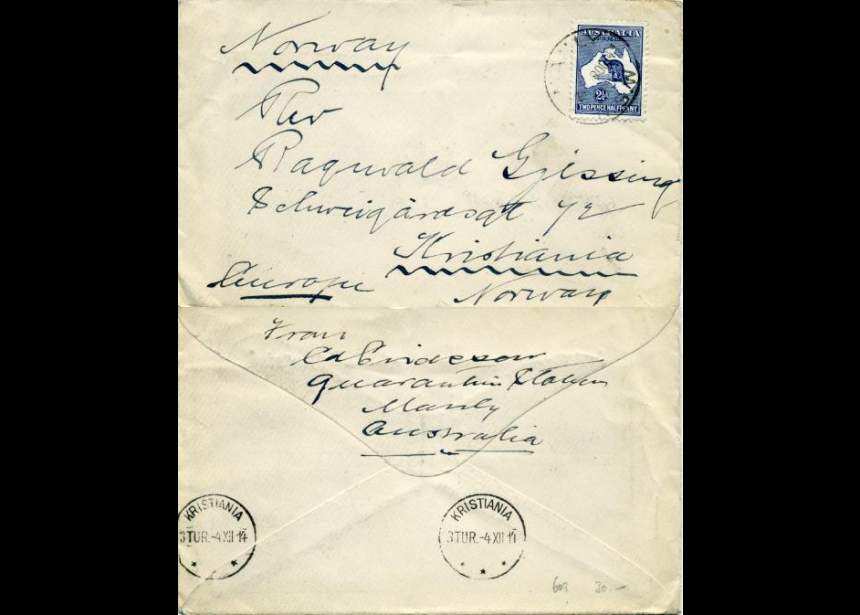



 I am especially amazed (as usual here on this forum) that someone was able to find/figure out whose photo was on the front of the postcard.
