| Author |
 Replies: 17 / Views: 4,261 Replies: 17 / Views: 4,261 |
|
Pillar Of The Community
United States
1518 Posts |
|
|
I'm scanning.... found these overprinted special delivery from Eastern Silesia. Without cancel, how do you know if it is part of Poland or Czechoslovakia. The currency? When you are putting items on new pages do you re-create the old country? or make a new page putting them into area which absorbed them. Guess a little of that question goes along with deciding if you are continuing to collect that area... Questions yet to be addressed. Thanks. 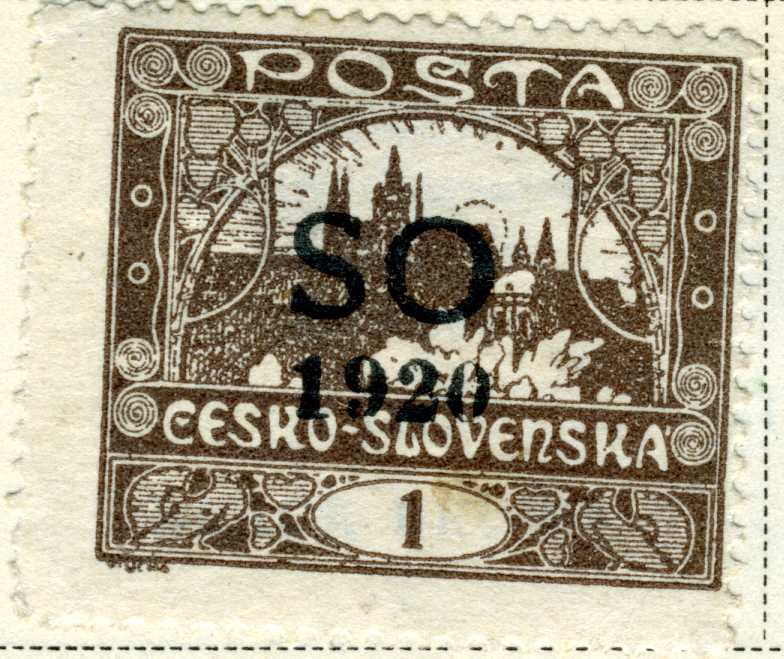 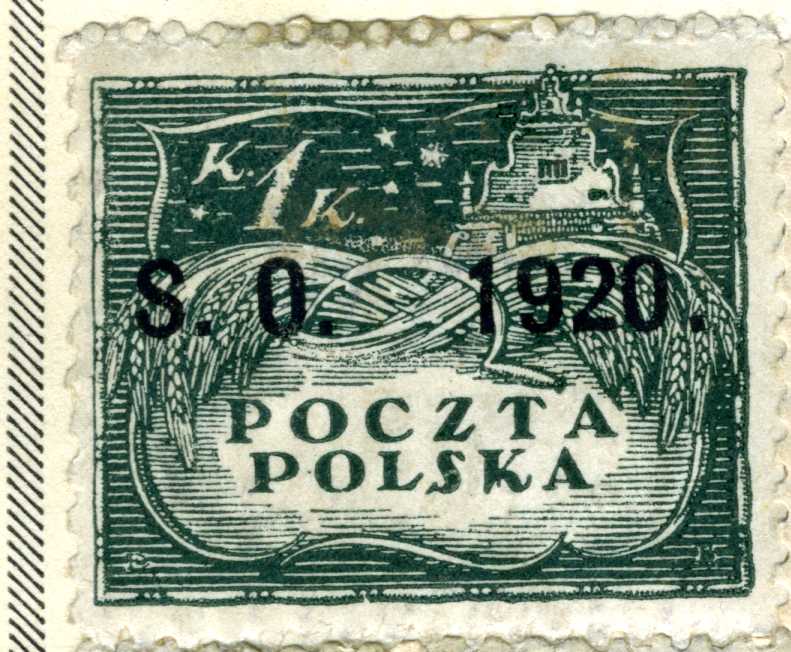 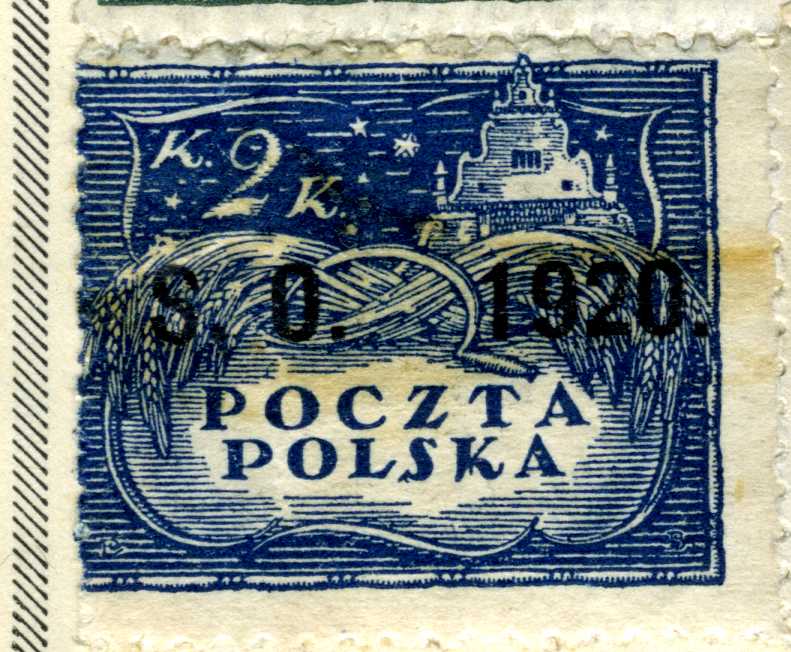 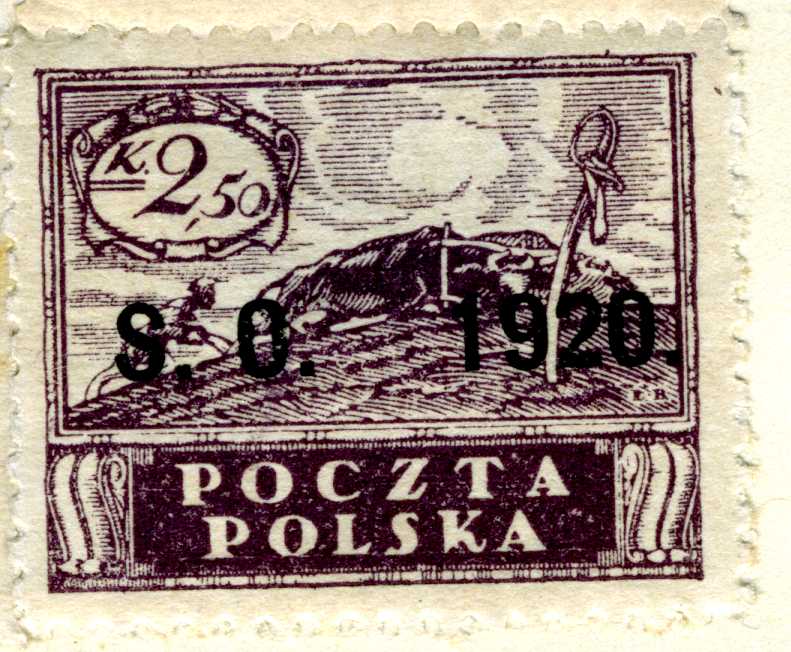 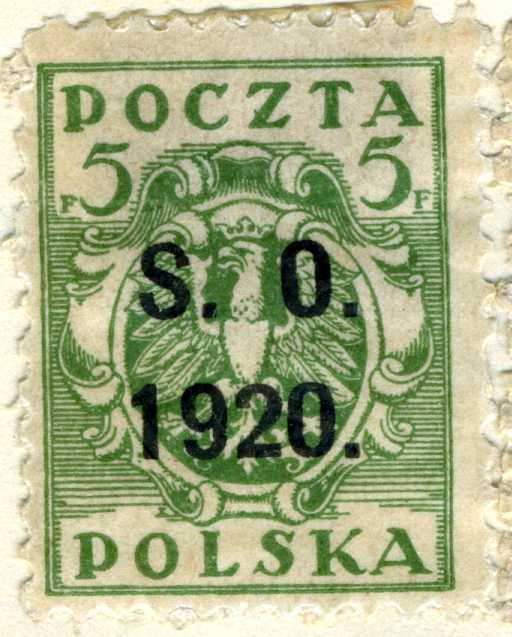 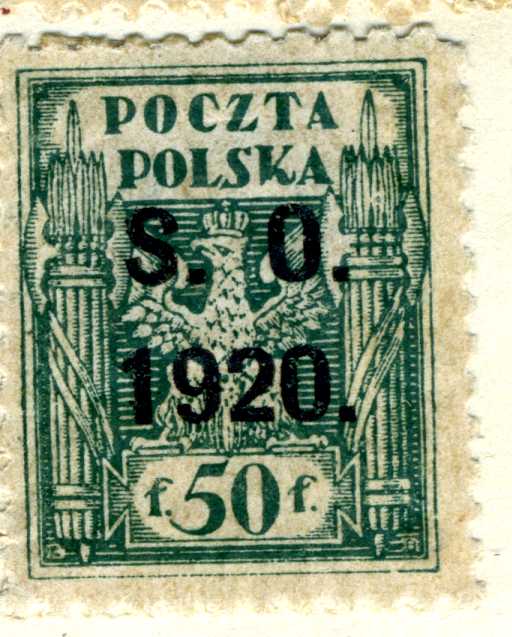 |
|
Send note to Staff
|
|
|
|
|
Valued Member
Canada
322 Posts |
|
|
I tend to separate it on its own, since it was considered a separate entity on its own. |
Send note to Staff 
|
|
|
Pillar Of The Community
Canada
6525 Posts |
|
|
I was just reading about this. Silesia was one of those areas in dispute after WW1. Both Poland and the newly formed Czechoslovakia laid claims when the 1919 Paris Peace conference was drawing up the treaty to end the war. Silesia, part of Germany, was rich in coal deposits, so everybody wanted it. There was a large ethnic German population so it was decided to hold a plebiscite to decide it's fate. That took much longer to organize than planned and didn't happen until 1921 (Germany brought in train loads of Silesian born Germans to pad the ballot, and the treaty was signed in 1922 (undone by Mr. Hitler almost twenty years later) In the end about 70% remained in Germany but Poland took a chunk of the industry and mines.
These are dated 1920, so were probably provisional until the final boundries could be drawn up.
Just a guess of course. |
|
Send note to Staff
|
|
|
Pillar Of The Community
Canada
1227 Posts |
|
|
I only have one country like this and I decided to segregate the stamps into its own binder. |
|
Send note to Staff
|
|
|
Pillar Of The Community
United States
1518 Posts |
|
|
I'm thinking that it rather goes along with the Austria-Hungarian thread, Some of the former British, Dutch, French Colonials, or more currently in Bosnia, Serbia. I appreciate hearing how others handle this.
Thanks again. |
|
Send note to Staff
|
|
|
Pillar Of The Community
Canada
6525 Posts |
|
|
Silesia was part of Germany, so you might put them there, but at this time, as I posted earlier, they were up for grabs, so I would agree with Katchem_ash and mhc99 that they are their own entity. |
|
Send note to Staff
|
|
|
Pillar Of The Community
United States
1518 Posts |
|
|
Thanks JamesW for the input.
I'm fairly certain others do it differently and am looking to see the full range of opinions offered by all these wonderfully wise folks before I make any decisions. |
|
Send note to Staff
|
|
|
Pillar Of The Community
United Kingdom
1356 Posts |
|
|
I generally "file" geographically. For the most part, an "extinct" country will have its own page, labelled as such, filed with whichever current country it is a part of today. There will always be tricky areas which take some teasing out, but I take them as I find them depending on my interest/knowledge of the area. Does that make sense? I had a couple of glasses of Chablis with my dinner...  |
|
Send note to Staff
|
|
|
Pillar Of The Community
Canada
5821 Posts |
|
|
Quote:
Germany brought in train loads of Silesian born Germans to pad the ballot, I've been quite interested in the European inter war period but have not seen any references to what is quoted above. Do you have any sources for this? |
|
Send note to Staff
|
|
|
Pillar Of The Community
Canada
6525 Posts |
|
|
lithograving
I'm reading Paris 1919 by Margaret MacMillan (Random House 2003). About the Paris Peace Conference after WWI. Pretty dense (had to put it down about halfway through and read something else), but incredibly interesting. I'm particularly interested in the middle east mandate. Not quite there yet. I'm of the impression it's at the root (though not exclusively) of a lot of the problems there today.
Interesting sidebar....the author is the great-grand daughter of David Lloyd George, British PM at the conference. |
|
Send note to Staff
|
|
|
Pillar Of The Community
Canada
6525 Posts |
|
|
Oh yes, the reference to the Silesian plebiscite is at the top of page 221. "...on a Sunday in March 1921, as trainloads of German Silesians rolled in to the sound of band music, the vote finally took place." Democracy in action. |
|
Send note to Staff
|
|
|
Bedrock Of The Community
Australia
38679 Posts |
|
|
I follow the Stanley Gibbons hierarchy,
that way I become accustomed to locating stamps
quickly in the catalogues.
My header page will have details of the history and stamps optd.
Hence my album page is
Silesia
1. East Silesia
|
|
Send note to Staff
|
|
|
Rest in Peace
Canada
5701 Posts |
|
|
I am working on my AutoCad map for this area, but Eastern Silesia was called Austrian Silesia before the end of the Great War in 1918(WWI). There was supposed to be a plebiscite after the fall of the Austrian empire at the end of the war to determine what country it would be part of, but it never happened. Most of the territory was absorbed by Czechoslovakia and some in the east by Poland after a brief war.
It should not be confused with Upper Silesia, which was nearby, and did hold a plebiscite around the same time, and most parts voted to join Germany, but some voted for Poland.
The Silesian region actually has an interesting history that dates way back in time - it is best to google it to get more information. |
|
Send note to Staff
|
|
|
|
Pillar Of The Community
Canada
5821 Posts |
|
|
Thanks for the reference James.
I borrowed that book from the library awhile ago but wasn't
overly impressed with it. |
|
Send note to Staff
|
|
|
Pillar Of The Community
United States
1947 Posts |
|
|
jamesw, what a coincidence, I am reading the same book, Paris 1919. Very interesting, and stamps can be related to the results of the Versailles Treaty. You can never know too much about geography and history, IMO. |
|
Send note to Staff
|
|
|
Pillar Of The Community
Canada
6525 Posts |
|
|
I agree rohumpy, even if my history is a bit wonky (appears I've confused east and upper silesia, thanks for setting me straight BeeSee).
That's the one thing about stamps I've always loved. Apart from being like my own mini art gallery, I remember collecting as a kid and how they taught me about history and geography. They're little indicators that the things in history books really happened. |
|
Send note to Staff
|
|
|
Replies: 17 / Views: 4,261 |
|




 Posted 03/20/2011 12:55 pm


