The swiss army knife of plants, this fellow makes interesting reading,
kenaf seed oil is an anti oxidant reducing cholesterol and heart disease.
For stamping kenaf has less lignin than wood pulp.

we need to find a stamp with kenaf on it.
Kenaf:
Kenaf paperThe use of Kenaf in paper production offers various environmental advantages over producing paper from trees. In 1960, the USDA surveyed more than 500 plants and selected kenaf as the most promising source of "tree-free" newsprint. In 1970, kenaf newsprint produced in International Paper Company's mill in Pine Bluff, Arkansas, was successfully used by six U.S. newspapers. Printing and writing paper made from the fibrous kenaf plant has been offered in the United States since 1992. Again in 1987, a Canadian mill produced 13 rolls of kenaf newsprint which were used by four U.S. newspapers to print experimental issues. They found that kenaf newsprint[2] made for stronger, brighter and cleaner pages than standard pine paper with less detriment to the environment. Due partly to kenaf fibres being naturally whiter than tree pulp, less bleaching is required to create a brighter sheet of paper. Hydrogen peroxide, an environmentally-safe bleaching agent that does not create dioxin, has been used with much success in the bleaching of kenaf.
Various reports suggest that the energy requirements for producing pulp from kenaf are about 20 percent less than those for wood pulp, mostly due to the lower lignin content of kenaf. Many of the facilities that now process Southern pine for paper use can be converted to accommodate kenaf.[citation needed]
An area of 1-acre (4,000 m2) of kenaf produces 5 to 8 tons of raw plant bast and core fibre in a single growing season. In contrast, 1-acre (4,000 m2) of forest (in the US) produces approximately 1.5 to 3.5 tons of usable fibre per year. It is estimated that growing kenaf on 5,000 acres (20 km²) can produce enough pulp to supply a paper plant having a capacity of 200 tons per day. Over 20 years, 1-acre (4,000 m2) of farmland can produce 10 to 20 times the amount of fiber that 1-acre (4,000 m2) of Southern pine can produce.[3]
As one of the world's important natural fibres, kenaf is covered by the International Year of Natural Fibres 2009.





 Posted 03/28/2011 9:33 pm


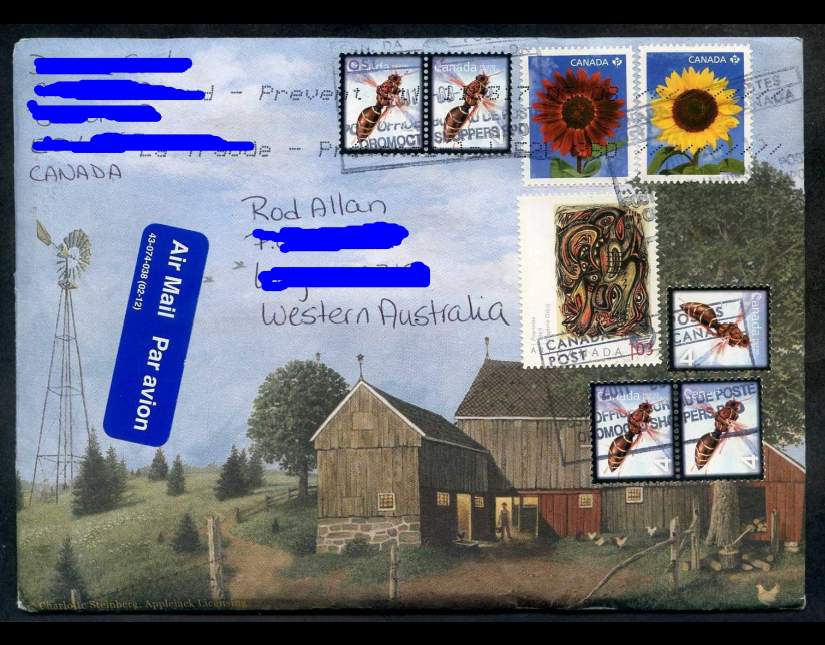


 Love the rural setting, it makes me a bit nostalgic.


