In 1850, the Panama Railroad Company began the construction of a rail line between Panama's two main cities, from Colon on the Atlantic to Panama City on the Pacific. The railroad was to derive its initial revenue from '49ers looking for an easy way to get from the eastern coast of the United States of America to its western coast to strike it rich in gold. The only alternative was the dangerous sail route around the infamous Tierra Del Fuego, the southern tip of South America.
Early fares were not cheap, and permission simply to walk the rails, and arduous task in the tropical heat and epic rainstorms, cost $5 at the time.
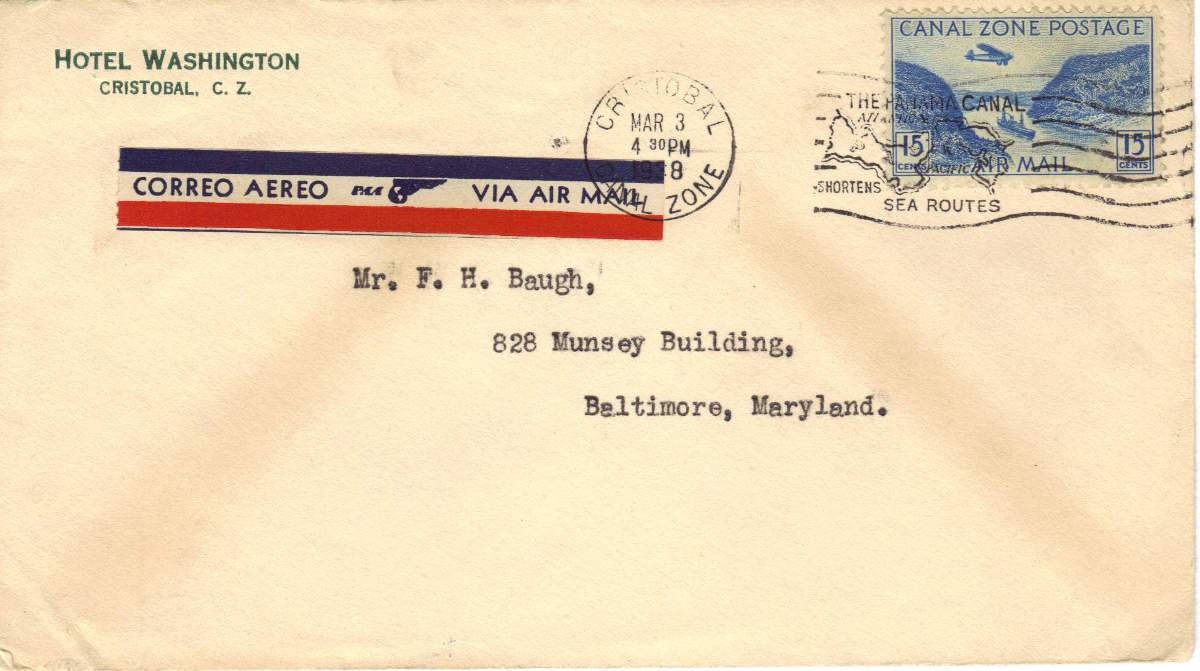
By 1870 the Panama Railroad Company (really an agency of the US government) had built a hotel in Colon partly as a development of their business and partly to temporarily house railroad executives and provide a comfortable place to stay for traveling American dignitaries.
The Washington Hotel was rebuilt in 1910 with permission of President Teddy Roosevelt, and replaced a wooden hotel with a very stolid reinforced concrete edifice. This hotel building is still in use today, and sports a salt-water swimming pool (with water piped the 15 feet from the ocean itself.
The Washington Hotel was privatized when the Panama Railroad Company was disbanded as a part of the Carter-Torrijos Treaty which gave to Panama Sovereignty over the Panama Canal and Railroad.
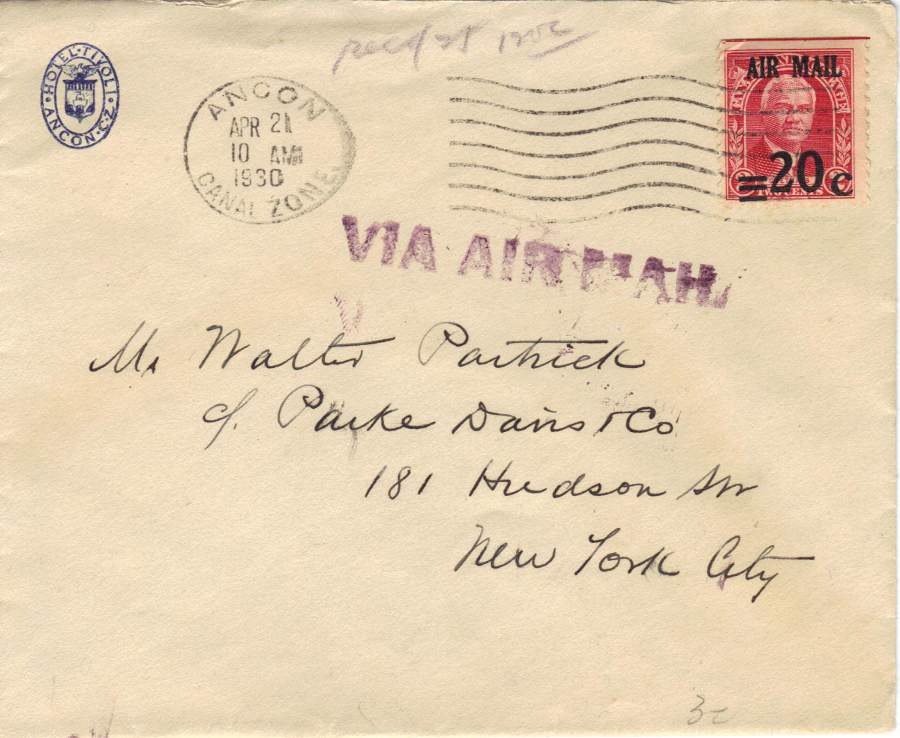
On the Pacific side of the Isthmus of Panama, a hotel was built specifically for use with the Panama Canal. Construction of the Panama Canal by the United States began in 1904. In 1907, the Tivoli Hotel was opened. The hotel was used to temporarily house Panama Canal workers and their families as they prepared to join or leave the Canal workforce.
Little changed in 68 years of it's existence except the addition of electricity and indoor plumbing. All levels of this 180-room hotel featured large outdoor verandas with rocking chairs. The hotel was famous for it's colonial ambiance and great food.
In 1975, the Hotel Tivoli was closed down due to a persistent attack of monster termites. Since then, the Panama Canal Company, and the later re-named Panama Canal Commission turned certain units of unoccupied homes into hotel rooms. These were not only used for Canal workers but could be rented by Canal workers to house visitors and guests.





 Posted 06/17/2011 09:44 am


