Quote:
How do you do it?
I generally do not collect shades. If I want a stamp that is a major color variety, I only purchase from reputable dealers or with a certificate.
I've mentioned in other threads, that my stockbooks are likely a kaleidoscope of color varieties, but I don't really worry about it. My interests lie in the history behind the stamps and their respective countries. That, and engraved stamps are simply gorgeous no matter what color they might be ...
Brian
Edit:
This is cut and paste from a larger article on Wikipedia. It is what I suffer from (for lack of a better word. I don't feel like I'm suffering) and should give you an idea how my color-blindness affects my stamp collecting. The whole article is a very interesting read. Esp for those of us who were diagnosed as children, but never learned anything more about the subject. The flashcard images make it easy to identify the exact type of colorblindness you have.
http://en.wikipedia.org/wiki/Color_blindness Quote:
Deuteranopia (1% of males): Lacking the medium-wavelength cones, those affected are again unable to distinguish between colors in the green–yellow–red section of the spectrum. Their neutral point is at a slightly longer wavelength, 498 nm. The deuteranope suffers the same hue discrimination problems as the protanope, but without the abnormal dimming. Similarly, violet, lavender, purple, and blue all seem much the same to a deuteranope. This form of colorblindness is also known as Daltonism after John Dalton. (Dalton's diagnosis was confirmed as deuteranopia in 1995, some 150 years after his death, by DNA analysis of his preserved eyeball.) Deuteranopic unilateral dichromats report that with only their deuteranopic eye open, they see wavelengths below the neutral point as blue and those above it as yellow





 Posted 11/02/2011 2:46 pm


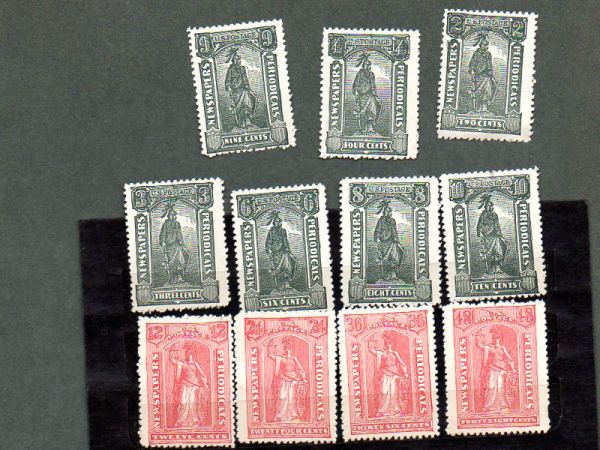
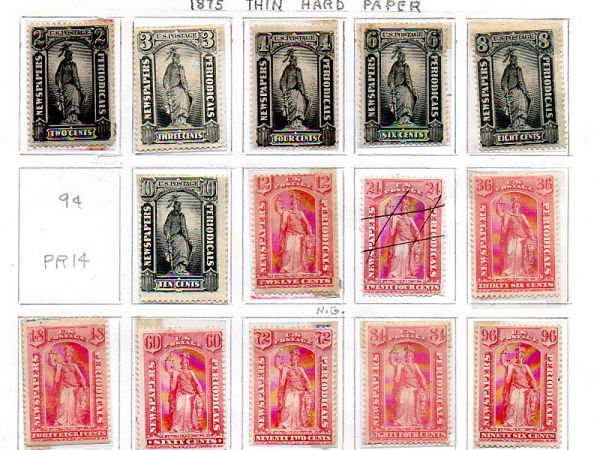

 . The scan revealed the "FALSCH" and "Falsimile" on the fake stamps.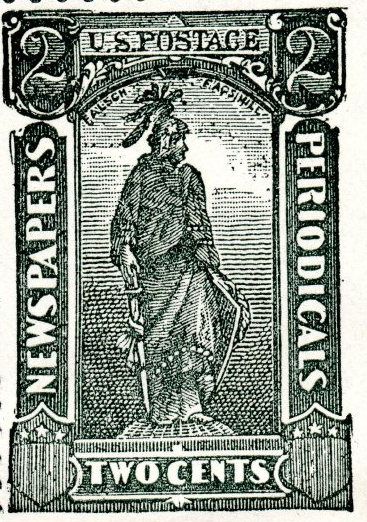
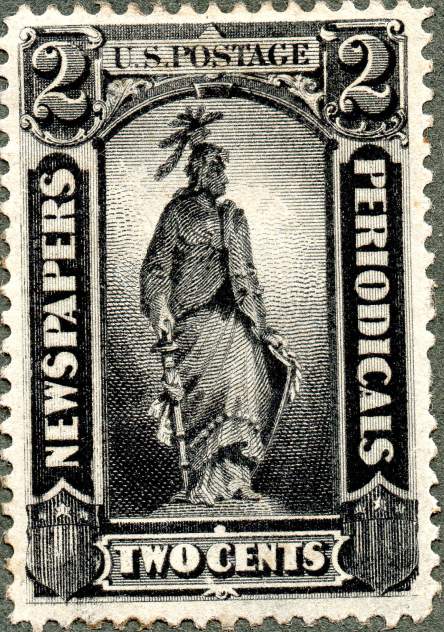
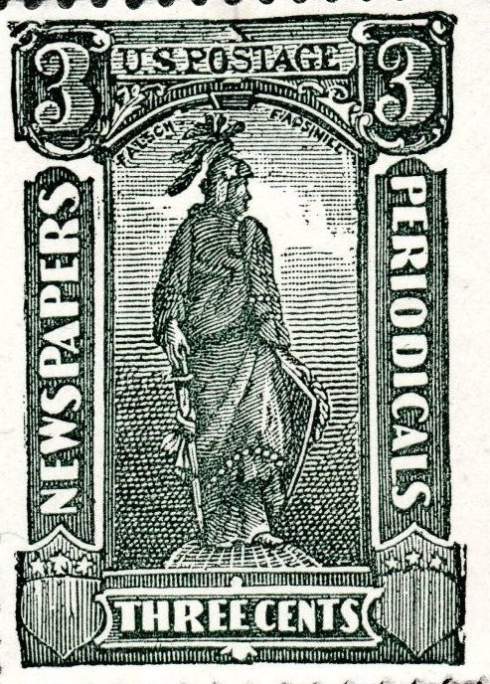
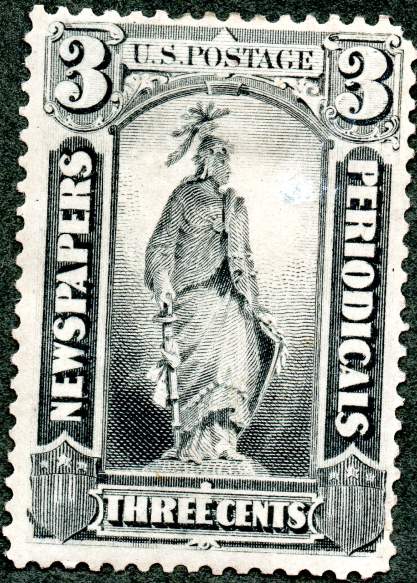
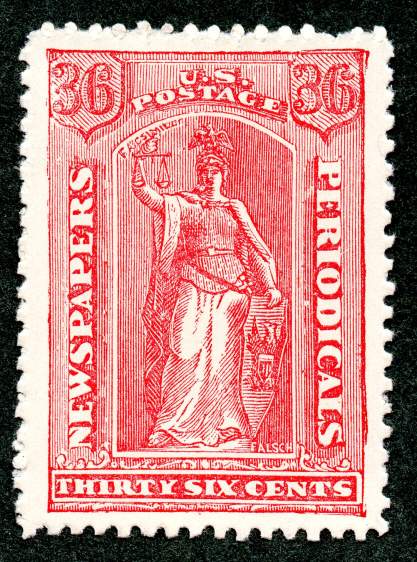
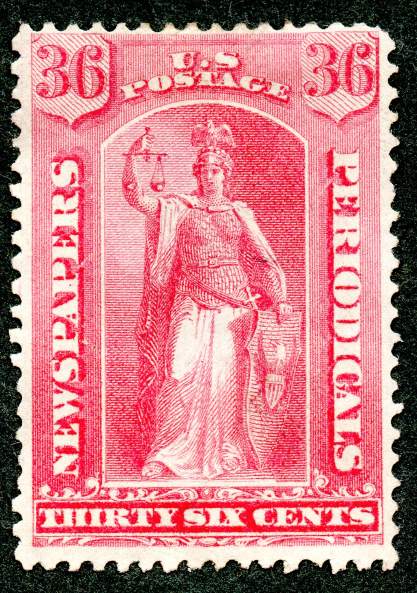
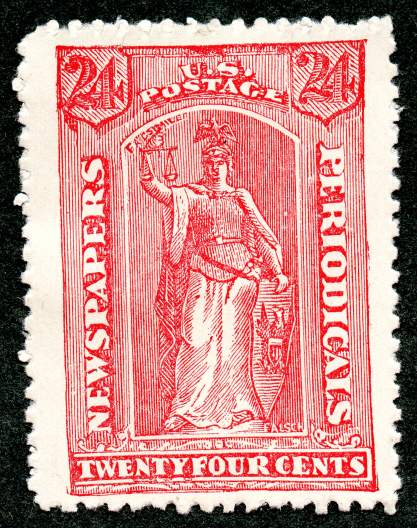
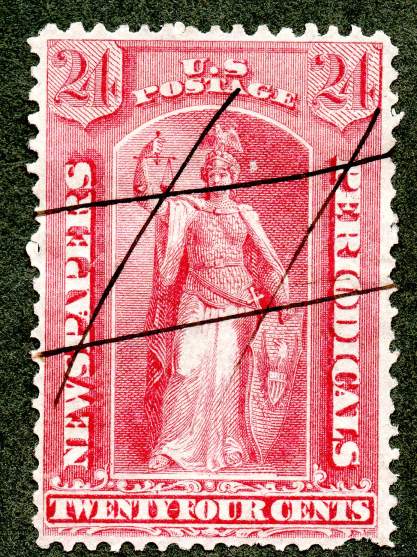


 (i.e. vermillion,red or red-brown to distinguish what year a stamp was issued).
