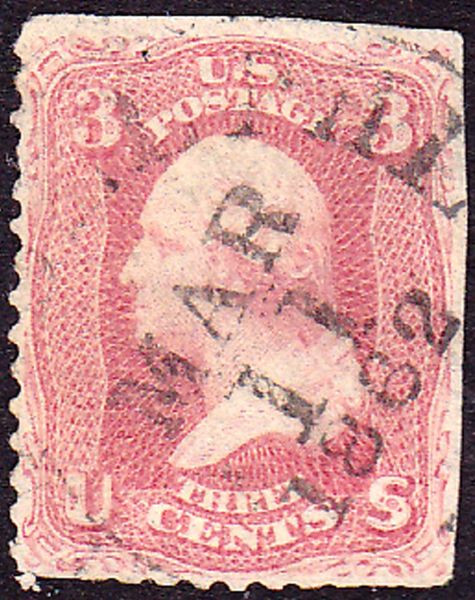
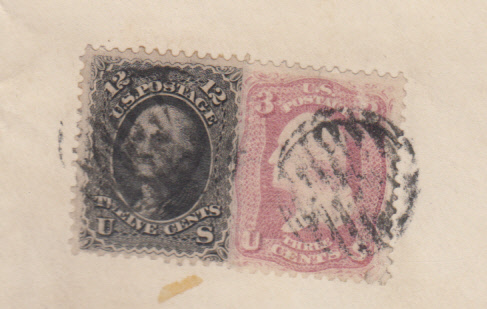
Here are some simple things to remember:
1 - Pink was the first shade printed. They weren't happy with the color, so they darkened the ink blend. The best pinks will therefore be from a time close to August/September/October 1861. Anything later than that would not likely be pink. (note that this is a similar rule to trying to find a Scott 10 vs. a Scott 11 - anything later than 1851 would not likely make the grade.
2 - Scans are useless to judge color shade
3 - The odds are that any stamp will be the cheaper variety. In the case of 64/65, the odds are 17,820 to 1. (Brookman estimates that there were 100,000 Scott 64s and 1,782,000,000 (yes, that's almost 1.8 Billion 65s)
4 - If you think it's a rarer shade, have it certified PRIOR to buying it. You're better off offering the person selling it twice what they want if they'll get the cert. Bill Weiss is relatively inexpensive - your savings on one bad cert will more than make up for the cost.
5 - Rather than looking for shades (that you can't tell from krappy
ebay scans), a better thing to do if you want to go treasure hunting is to learn about the varieties of the 1c 1851 and 57 issues. If you plate those stamps, you can find the better varieties.
Hope that this helps.
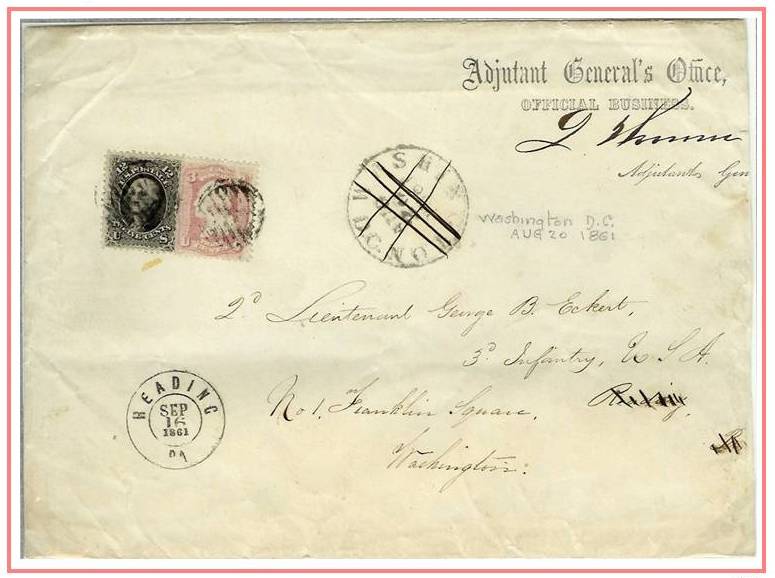
By the way, this cover has a certified pink on it (that GLOWS pink in person). You can see how hard it is to tell shades from a scan.





 Posted 11/22/2011 6:15 pm