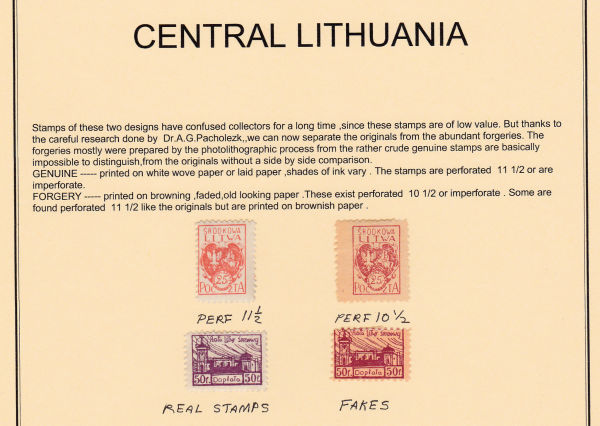
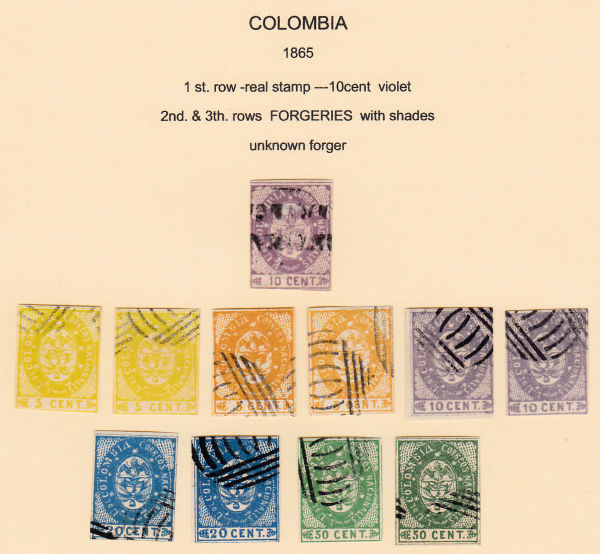
Quote:
For me I assume expensive stamps are forged unless they have a certificate of authenticity.
This is a good general rule to bear in mind. As in the rest of life, if it seems too good to be true, it probably is.
Another Indian States example:

Covers from Barwani State are far from common: the cheapest is a $50 proposition, and prices go up dramatically from there. I've never seen a
genuine commercial cover with this type of ¼ Anna stamp. (The ¼ Anna value didn't cover any postal rate at the time. It took two to pay for a postcard, or four for a basic rate letter.)
So you can imagine that, when I first laid eyes on this, I was very excited. It has that genuine, well-used look about it. Sad to say, the excitement lasted about 10 seconds, until I compared the date in the postmark, 1933, with the actual stamps, which weren't in this case issued until 1945.
How do I know 1945, when the catalogues don't distinguish the stamps? Only by acquiring the specialised knowledge of Barwani. This cover would fool -
has fooled - experienced collectors of the Indian States, who haven't gone that step further, to know when each of the nine printings of these stamps were released.
Even an experienced collector of the Indian States might pay up a solid three-figure sum for this cover. And even many an expert committee might give it a clear certificate. The stamps are genuine, and so is the CDS. (The implements were 'borrowed' from the postal museum.)
If it seems too good to be true ...





 Posted 03/23/2012 07:32 am