Quote:
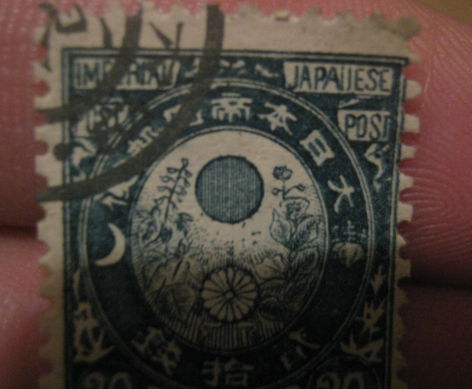
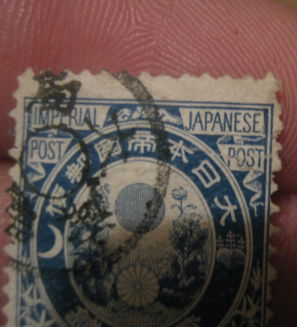
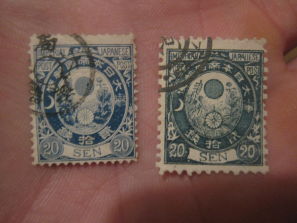
I know it dont look right but its not like its a well known error stamp to want to fake plus the stamp is low value
Japanese stamps of that era were reproduced in quantity and sold as souvenirs and also in bulk. It had nothing to do with the actual catalog value of any particular stamp. In general, at that time it was legal to make reproductions of Japanese stamps as long as they were conspicuously marked with the acceptable notation indicating it was a reproduction. Of course, not all the makers of the reproductions complied, so there were illegal reproductions as well. Also, many of the reproductions had cancellations added on.
There were numerous makers of the reproductions, so the quality of the reproductions range from poor to quite deceptive. The poor quality reproductions are typically characterized by relatively lousy English lettering -- missed strokes, strange spacing between letters, unbalanced letters, incorrect spellings... the same kind of mistakes a native Japanese/Chinese writer would notice from a novice learning to write Japanese/Chinese. If it were a plate flaw, you might have some missing strokes in the letters, but the other lettering problems are a dead giveaway. Many aspects of the frame/design are also noticeably different. These cannot be attributed to massive plate flaws. On the legal reproductions, you can always look for the "hidden" characters indicating that it is a reproduction.





 Posted 05/17/2012 6:50 pm


 thanks

 k
k
