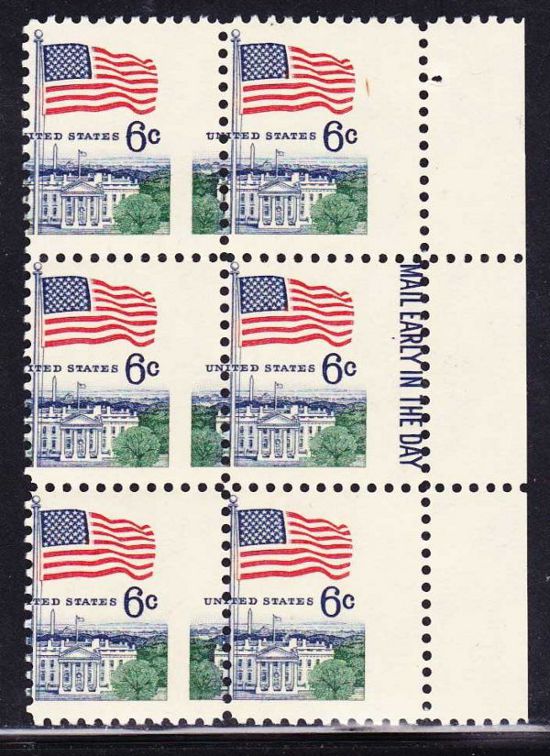
It probably has some value, but no one can really evaluate it without a picture or scan. Printing anomalies happen quite often, however, generally the more severe the error, or if colors are missing from the stamp image, or if it's truly double printed (as opposed to just a minor color mis-registration) they all have impact on the value. If it's a minor "mis-registration" of colors rather than a true "error" it can be worth nothing more than its face value; in other instances it could be worth significant dollars.
These sort of errors come under the general stamp classification of "EFOs" (errors, freaks and oddities) and since no two errors are exactly alike, there is no catalog upon which to rely, so values are highly speculative based on what a buyer is willing to pay and what a seller is willing to accept for any given item. Often, auction sites such as
ebay will give you examples of what the going price might be for some EFOs, just be careful to identify actual bids placed on an item and not a seller's "buy it now price" as obviously a seller can ask anything they want for an item, only if the item sells is it truly an indicator of what the market may bear.
Surprisingly, some EFOs go for very little of a premium over face value while others demand very high prices. It's mostly based on supply and demand.





 Posted 04/01/2013 6:35 pm



 k
k

