| Author |
 Replies: 28 / Views: 4,045 Replies: 28 / Views: 4,045 |
|
Valued Member
Latvia
5 Posts |
|
|
|
|
Rest in Peace
United States
7097 Posts |
|
|
Valued Member
Latvia
5 Posts |
|
|
Pillar Of The Community
Canada
4648 Posts |
|
|
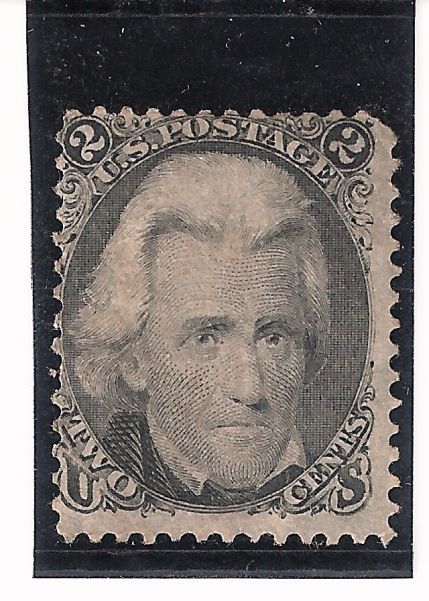
In my humble opinion, I would say the condition is between VG - F. My reasoning for this is that the stamp is off-centre quite a bit to the left and top and the UR corner is missing the perforation.
Maybe others have better opinions?
Chimo
Bujutsu
|
Send note to Staff 
|
| Edited by Bujutsu - 06/19/2013 12:01 pm |
|
|
Pillar Of The Community
Canada
6525 Posts |
|
|
Fine centering. This issue is a challenge to find a well centered example. Yours looks to be nice and clean though. Is it mint (ie is there gum on the back)? |
|
Send note to Staff
|
|
|
Pillar Of The Community
1545 Posts |
|
|
For that era even, the centering would be considered "good", at best.
-IBFS |
|
Send note to Staff
|
All science is either Physics or Stamp Collecting. -- Ernest Rutherford |
|
|
Pillar Of The Community
United States
1946 Posts |
|
|
Pillar Of The Community
United States
5894 Posts |
|
|
I agree with Bujutsu. This is VG. In order for it to be fine, the perforations must not cut into the design. In this example they most certainly do. |
|
Send note to Staff
|
|
|
Rest in Peace
United States
7097 Posts |
|
|
Simply finding "gum" on the back on classic stamps isn't a good way to tell if it's mint or not. I can't begin to tell you all the used stamps I have gotten that are used and sometimes heavily canceled that still have gum- really disturbed but there none-the-less. I believe the culprit was a combination of things- #1. the old sweat-box used to steam stamps off covers to keep the gum as intact as possible. This brings me to part #2. The "gum craze" of that period. I guess peoples didn't fully understand the concept because of the difficulty of information gathering eg: no computers and mostly word of mouth and localized opinions on what was acceptable. Of course we know now that used is used weather it has gum or not. I didn't even touch on the scammers that washed cancellations and had the ability to re-gum stamps. This is just my personal observation but it is rooted in fact from my own personal experience with the classics.
Also the centering is pretty good for his issue actually. This issue is notoriously hard to find decently centered at least at an affordable price.. |
|
Send note to Staff
|
|
|
Pillar Of The Community
United States
1946 Posts |
|
|
ILS said Quote:
#2. The "gum craze" of that period. I guess peoples didn't fully understand the concept because of the difficulty of information gathering eg: no computers and mostly word of mouth and localized opinions on what was acceptable. Come again? Which peeps did you have in mind? What era? |
|
Send note to Staff
|
|
|
Pillar Of The Community
United States
977 Posts |
|
|
I agree that this one should be a VG at best. Perforations in the main body of the stamp are perforations in the main body of the stamp, no matter how hard it is to find a well centered example. That, and the damaged perfs noted earlier... That said, this is my favorite stamp, and my example is not as nice as this one!  |
|
Send note to Staff
|
|
|
Pillar Of The Community
United States
2480 Posts |
|
|
Welcome to SCF Zamler! I'm inclined to agree with IBFS' call for "Good." The Philatelic Foundation has issued 38 graded certificates for the Scott 73, the lowest of which is the VG-50 shown below. Unlike the example, your stamp has perfs cutting into the design on two sides. 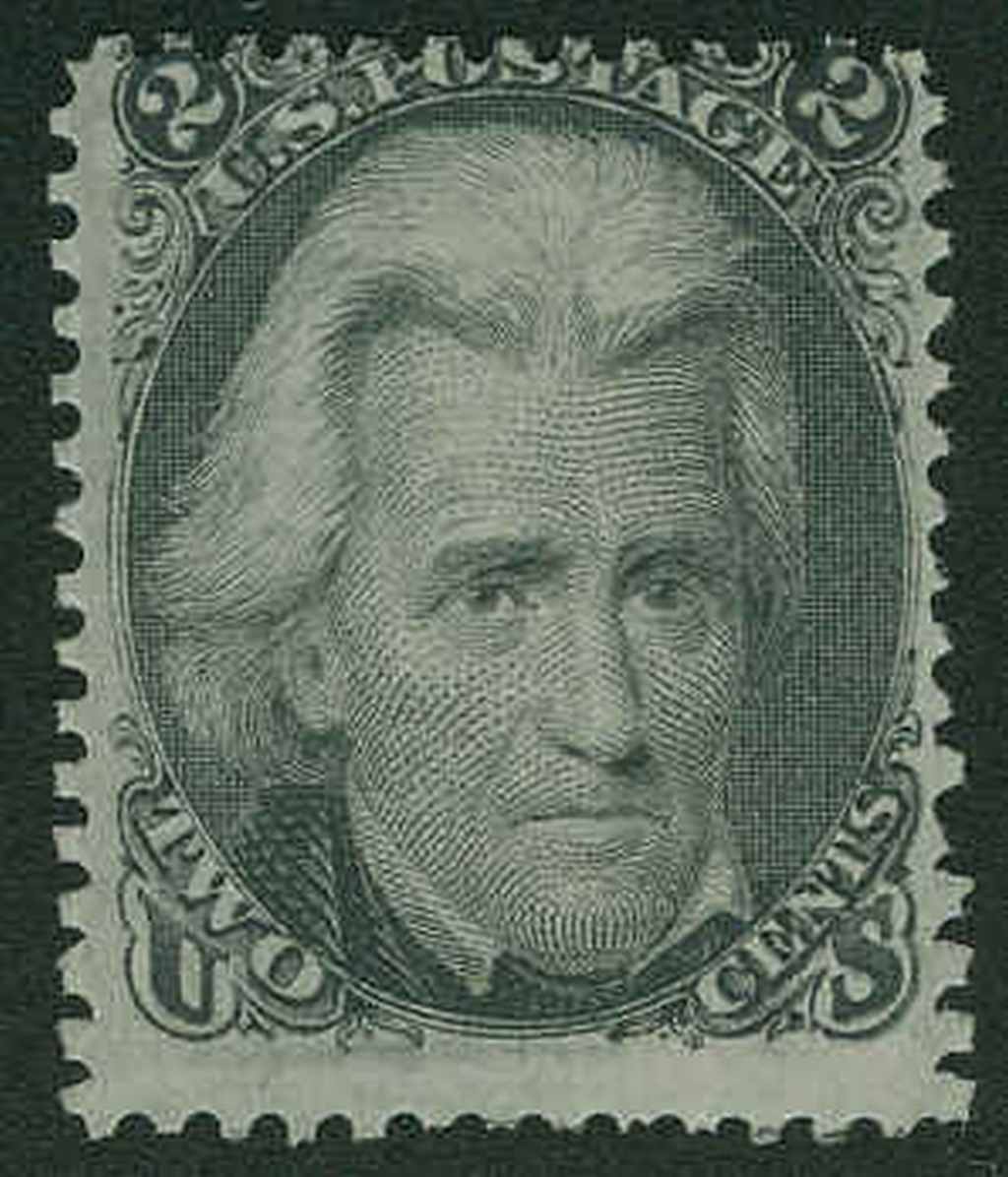 Unfortunately, PSE appears to have removed its photo grading guide that provided examples, by period. PSE's A Guide to Grading and Expertizing United States Stamps is available for download at http://gradingmatters.com/images/PS...ng_Guide.pdf |
|
Send note to Staff
|
|
|
Bedrock Of The Community
United States
10888 Posts |
|
|
The PF tends to be a bit more conservative than PSE when it comes to grading, although I agree that Good is about the best that could be hoped for for that 73. |
|
Send note to Staff
|
|
|
Rest in Peace
United States
7097 Posts |
|
|
Quote:
Come again?
Which peeps did you have in mind? What era? ABSOLUTELY just what I said! What good is gum on a used stamp- other than to help completely destroy it? If they knew then what we know now they would have got rid of it right then and there. "They" are our grandfathers that didn't have access to the vast volumes of information we do. No disrespect intended,and most of them will probably tell you that themselves. |
|
Send note to Staff
|
|
|
Valued Member
Latvia
5 Posts |
|
|
Pillar Of The Community
United States
1946 Posts |
|
|
@ILS:
I like your spirit and I don't mean to offend, really, but it seems to me you do not understand that era, how much they actually did know, nor how information was exchanged back then. Your comment about "vast volumes of information" today overlooks the fact that today any schmuck with a half baked speculation about how things might be understood is able to get his prose out before the public (blogs, tweets, forum chats, fb pages, self designed web sites). Back then a speculation had to have a lot more going for it in order to get someone to print it. And even at that, there was plenty of "bunkum" as Elliot Perry liked to call it. I would say that our grandfathers had access to some high quality work on these things, and didn't have to wade through as MUCH "bunkum" as we do today. Sorting the wheat from the chaff is at least as much a problem know as it has ever been.
Now don't get me wrong, I agree that from a research standpoint what we have today has it all over the old days, big time. Todays tools are much better - when properly used and understood. But to get to the point with a case study, let's take your speculation on gum. From your comment, to you gum on a used stamp is meaningless, and even dangerous since it leads to deterioration of the stamp. Okay, gum IS somewhat harmful to the paper (something that was known back then) but today we make a bigger deal over its preservation on unused stamps then they ever did. If it's presence is harmful to used stamps, isn't it just as harmful to mint stamps? The question of preserving the "original state" of the stamp begs the question of preventing its destruction by the gum adhering to it. Would I therefore argue on that ground for soaking the gum off all stamps? I would not, and here's why: like all other aspects of stamp manufacture, gum application was subject to considerable variation and experimentation. Sometimes the distinction between different states of an issue is tied up in the gum. It is therefore intrinsic to the original state of a stamp, and may signal a difference in state. But if that be so, then your claim that gum on a used stamp is useless is utterly false. Nonetheless, I will bet that in this information age there are some enlightened philatelists blissfully soaking off all traces of gum from all the issues of their used stamps, who are ignorant of the information destruction they are doing. The truth is, SOMETIMES gum matters.
My point is this, if there were people back in grandpa's day that did dumb things with their material it was because they weren't paying attention. The information was out there and readily available, for a fee, but they didn't make the expense, or weren't interested enough to take it seriously, or were just bone lazy and weren't willing to expend the effort. Folks are still like that, so, when their day comes should our grandkids blame our primitive information systems for the dumb things we do with our material? |
|
Send note to Staff
|
|
|
Replies: 28 / Views: 4,045 |
|



 Posted 06/19/2013 11:08 am