| Author |
 Replies: 13 / Views: 1,943 Replies: 13 / Views: 1,943 |
|
|
Valued Member
United States
175 Posts |
|
|
Hi all, Having a bit of trouble identifying this pair. Do the 2 images appear different? Thanks Eagle 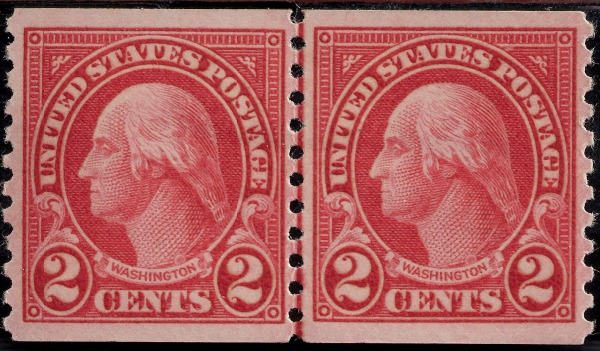 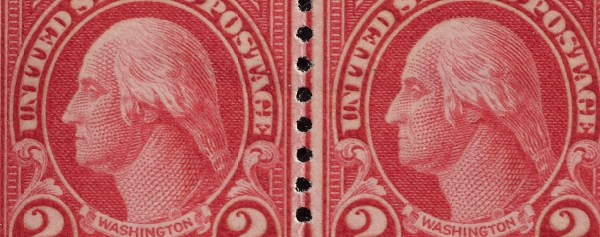 Added, Hope you can make out the hinge impression. 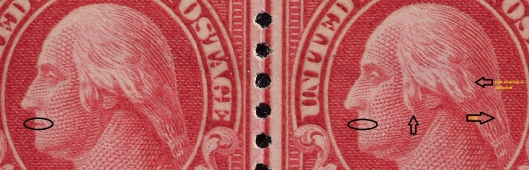 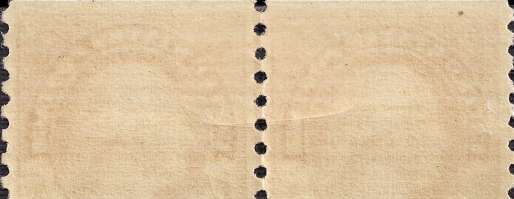 |
|
Send note to Staff
|
| Edited by eaglebub7 - 01/18/2014 12:41 pm |
|
|
|
|
Pillar Of The Community
United States
2948 Posts |
|
|
Valued Member
United States
240 Posts |
|
|
Hi Eagle, Is that discoloration or a light cancel about eyebrow level to mid cheek across the pair? Looks like dark discoloration at the corner of the mouth , nose, and ears. Gary |
Send note to Staff 
|
|
|
Valued Member
United States
175 Posts |
|
|
Hi Gar, It would have to be discoloration. The stamp is unused showing a previous light hinge. I believe what you are seeing there is an impression where the hinge stopped. I am currently playing with this in paint...the mouth on the right is definitely more pursed versus the left. There are also several differences within the hair around the tail and sideburns. If I can figure out how to add image again I will add it as well as the back which clearly show ann impression from the hinge. |
|
Send note to Staff
|
|
|
Valued Member
United States
9 Posts |
|
|
Pillar Of The Community
United States
517 Posts |
|
|
Looks like there could be a thin spot from a previous light hinge on back and sideburns are longer on the right pair. The smile could be from ink smudge |
|
Send note to Staff
|
|
|
Pillar Of The Community
United States
2547 Posts |
|
|
The 2 stamps are from different plates and were made from different reliefs, perhaps even different transfer rolls. These types of differences are common and are normally more prevalent the longer the time span between when the plate lay-down. |
|
Send note to Staff
|
|
|
Pillar Of The Community
United States
1947 Posts |
|
|
If the stamps are a joint line pair, how can they be from different plates? Perhaps I am reading something wrong. I do not interpret this as comparing two different joint line pairs. The points of comparison seem to be from one stamp of the pair to the other. |
|
Send note to Staff
|
|
|
Valued Member
United States
175 Posts |
|
|
You are correct rohumpy. Thanks for the comments so far but does anyone have an idea as to their identity? |
|
Send note to Staff
|
|
|
Pillar Of The Community
United States
8956 Posts |
|
|
I do not really know how these were printed, and what presses were used. But the theory about the two plates is not that impossible! If we remember the Cottrell presses from the fifties onward, they used two plates wrapped around a cylinder. Stamps in a joint line pair from one of these issues would indeed be from two different plates!
Peter |
|
Send note to Staff
|
|
|
Bedrock Of The Community
United States
10855 Posts |
|
|
Rotary presses were made up of two plates joined together (per Johl's Postage Stamps of the 20th Century vol l pp114-115). The joint line is where the plates came together. That is why line pairs containing both 599 and 599A exist. Clearly those two stamps were produced by different dies and transfer rolls, just as the two above appear to have been. |
|
Send note to Staff
|
|
|
Pillar Of The Community
United States
8956 Posts |
|
|
Thank you revcollector. Are the Cottrells considered rotary presses?
Peter |
|
Send note to Staff
|
|
|
Bedrock Of The Community
United States
10855 Posts |
|
|
Yes, based on information I have read. However I am not particularly knowledgeable about the presses used over the years; I am sure there are people here who know far more than I do about that aspect of philately. |
|
Send note to Staff
|
|
|
Pillar Of The Community
United States
8956 Posts |
|
|
Thanks rev, same here! I am trying to learn a little bit about this aspect of our hobby!
Peter |
|
Send note to Staff
|
|
| |
Replies: 13 / Views: 1,943 |
|




 Posted 01/18/2014 11:36 am


