| Author |
 Replies: 87 / Views: 10,698 Replies: 87 / Views: 10,698 |
|
Pillar Of The Community
United States
2230 Posts |
|
|
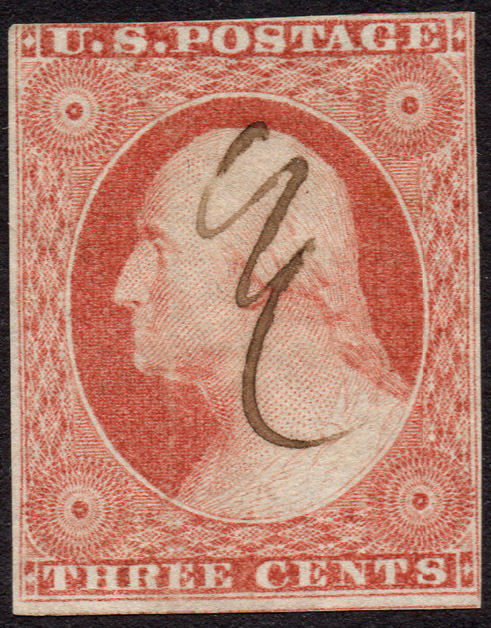
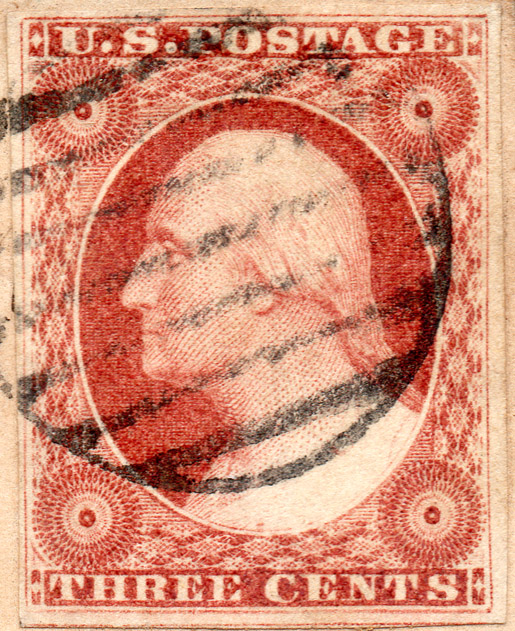
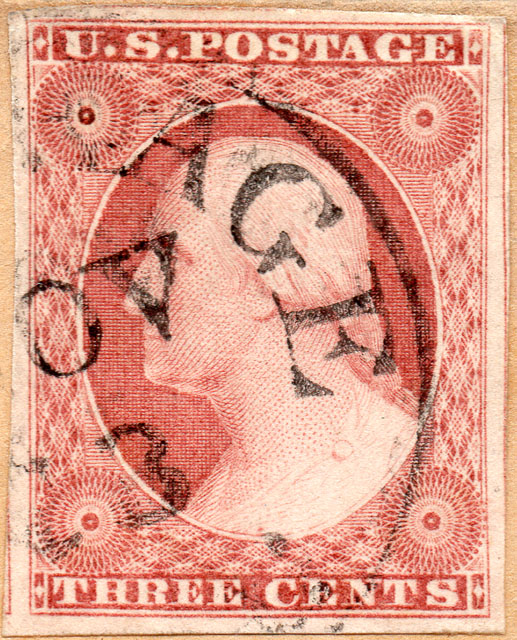
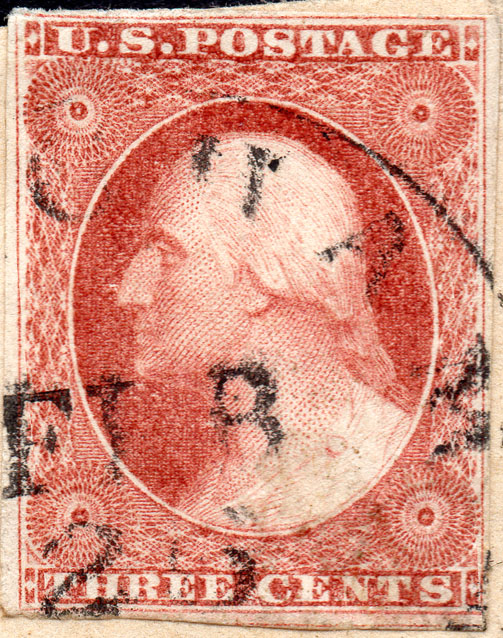
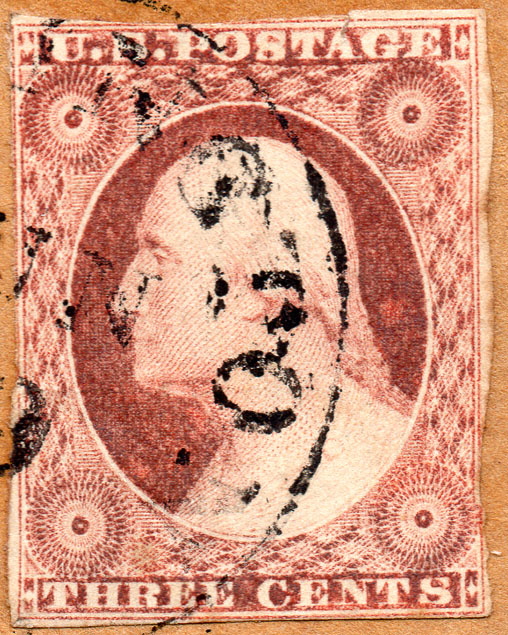
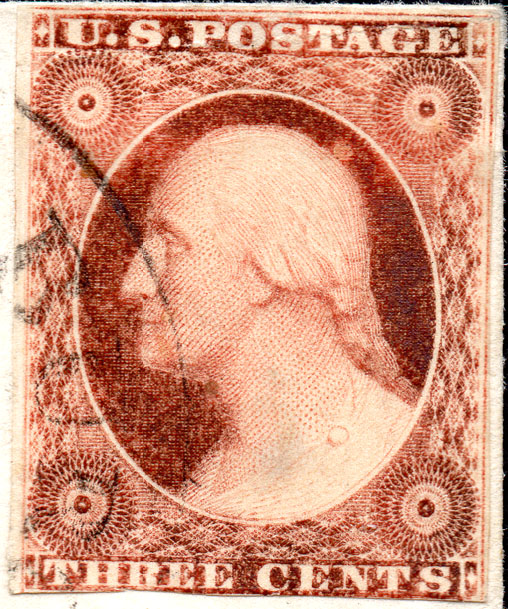
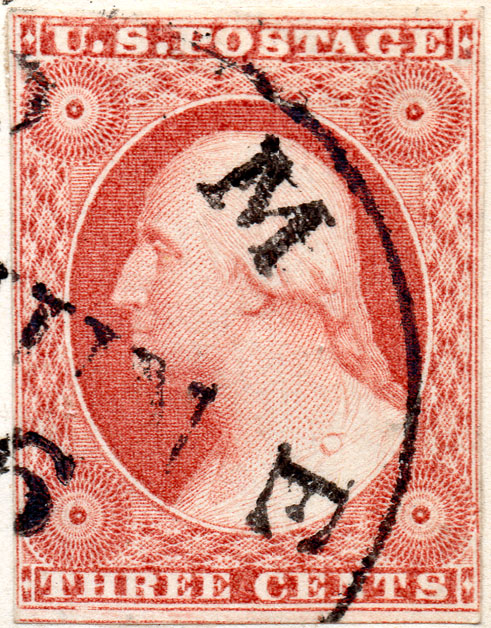
Here's an image showing a sampling of six of the color varieties associated with US Scott #11. Top row: rose red, deep claret, brownish carmine (more red); Bottom row: dull red, orange red, yellowish rose red. Collecting quality color specimens of this issue is challenging and rewarding. Please comment, question, and show your images of Scott #10 and #11 colors.  |
|
Send note to Staff
|
|
|
|
|
Rest in Peace
Canada
6750 Posts |
|
|
Very nice to see as a reference.
I do not have any yet but this makes for a more interesting hunt.
Thank you.
When an image is named so it is searchable on SCF here as well as online search image engines it is more accessible to those who use online resources. |
Send note to Staff 
|
|
|
Pillar Of The Community
United States
2948 Posts |
|
|
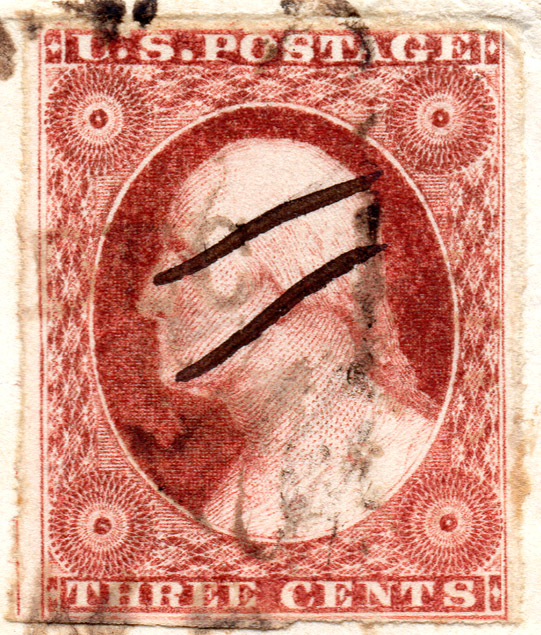
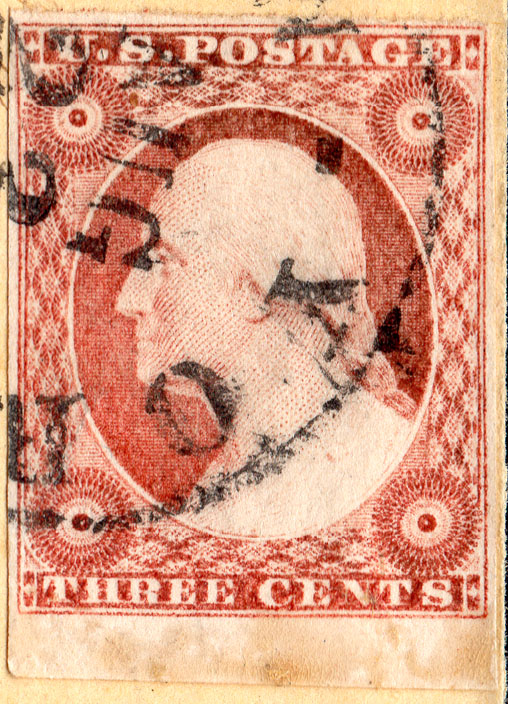
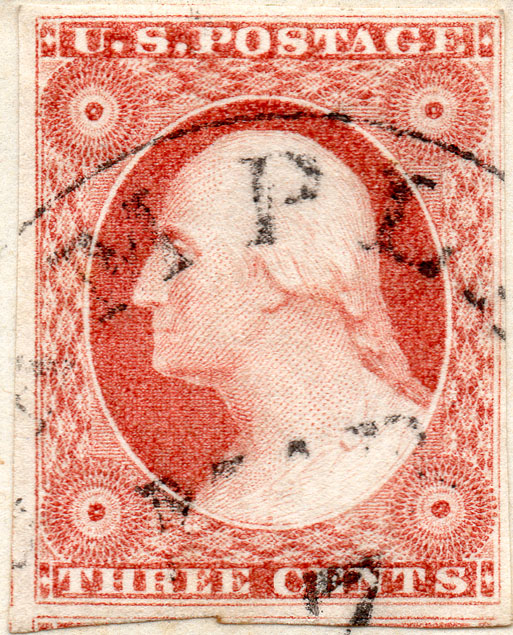
Not a very good study of color. The two on the right look like they came from the same cover and are the same color. 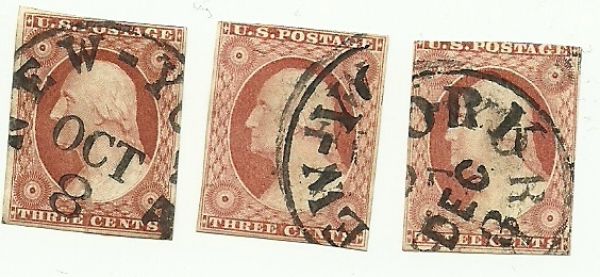 |
|
Send note to Staff
|
| Edited by stampcrow - 02/05/2014 09:53 am |
|
|
Pillar Of The Community

Canada
3963 Posts |
|
|
|
|
Send note to Staff
|
Don't grumble that the roses have thorns, be thankful that the thorns have roses |
|
|
Valued Member
USA
5 Posts |
|
|
Pillar Of The Community
United States
2230 Posts |
|
|
Coop,
Thanks for the labels! They make the set much easier to use. I wish I could do graphics work like that. |
|
Send note to Staff
|
|
|
Pillar Of The Community
United States
2230 Posts |
|
|
Stampcrow,
Thanks for the image of your three #11s. I agree, the two on the right were from the same cover, and probably from the same sheet. It's cool when you can reunite a pair like this after 160 years! All three appear to be of the same color. The color is hard to pin down. It looks like brownish claret, but could be brownish carmine/more brown. |
|
Send note to Staff
|
|
|
Valued Member
USA
5 Posts |
|
|
Glad to help out. Images tell the story a lot better than words. Words on a collage is a great teaching aid. I'm big into images that teach. I hang out on the coin forum and use images a lot. I used to collect coins and stamps as a kid. The classic stamps are my favorites. |
|
Send note to Staff
|
|
|
Pillar Of The Community
United States
2555 Posts |
|
|
Stampcrow,
I like NYC cancels. I can date the left stamp to either 1851 or 1852. If it is 1851 then the stamp is a #10A. Your scan makes it tough to tell what it really is. You should post a better scan of that stamp. The other two are cancelled with a CDS device that I think first appeared in early 1853 and I don't really think it was in service when the 1856 brownish carmines or the 1857 clarets were being printed. I think the color is probably an 1853-54 dull red. |
|
Send note to Staff
|
|
|
Valued Member
United States
293 Posts |
|
|
I have 8 of these . I thank you for the chart to compare them to. This is is a big help |
|
Send note to Staff
|
|
|
Pillar Of The Community
United States
2948 Posts |
|
|
If sinclair2010 happens to open this thread, sorry I missed your post when it was first offered. Here, is a somewhat, better scan of the stamp. 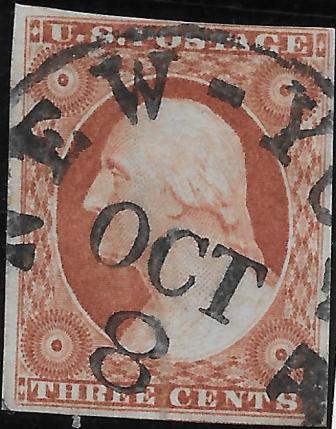 |
|
Send note to Staff
|
| Edited by stampcrow - 09/22/2015 9:45 pm |
|
|
Pillar Of The Community
United States
937 Posts |
|
|
As always, identifying color across the Internet without calibration is nearly impossible. When dealing with imperforate examples of this series, the concern is #10/10A or #11/11A. The U.S. Philatelic Classics Society has a great page that highlights some of the differences: http://www.uspcs.org/the-1851-1860-...-10-and-10a/That will give you good clues as to what you have. Other than a dated cover that proves that it is early enough, plating a stamp is the only method to know for sure that you have a #10/10A vs. a #11/11A. Plating requires a large investment by buying the Chase photographs and learning to plate for yourself. Otherwise you can pay for a service to plate it for you. If you think that you might have a #10/10A based on the USPCS link above, then create a new thread with a clear scan for us to look at. Here is an example of a lightly printed Orange Brown #10A that is confirmed by date of the folded letter that it is attached to:  |
|
Send note to Staff
|
Ryan = HDNAC = DNA = HDC = Hysterical DNA Collector = Historical DNA Collector = me who just loves stamps :) |
|
|
Pillar Of The Community
United States
2230 Posts |
|
|
Just got a new (old model) Epson V370 scanner, since I've been very disappointed in the color rendering of the CanoScan LIDE 200 scanner that I used to acquire the first image in this thread. As a stamp color specialist, I've always been impressed with the color rendering of Epson scanners. So . . . I'm going to use my #10/11 color set to show some color varieties in truer color, with the disclaimer provided by Historical DNA Collector above. Monitor settings are another variable that can change how these stamps look to each of us. Here is an orange red #11 (76L4) at left, and an orange brown #10 (3R5e) at right. Orange red is sometimes mistaken for orange brown. Orange brown ink is almost always of superior quality with a rich appearance, compared to orange red which typically looks weak and pale in comparison. And then there is the lack of brown in the orange red color:  |
|
Send note to Staff
|
|
|
Valued Member
Germany
284 Posts |
|
|
Pillar Of The Community
United States
6668 Posts |
|
|
Pillar Of The Community
United States
2230 Posts |
|
|
I just realized I mislabeled the first stamp in the bottom row in my first post of this thread. It should read YELLOW BROWN, not dull red!
I'm going to try to post another color set with the new scanner. |
|
Send note to Staff
|
|
|
Replies: 87 / Views: 10,698 |
|




 Posted 02/05/2014 01:24 am