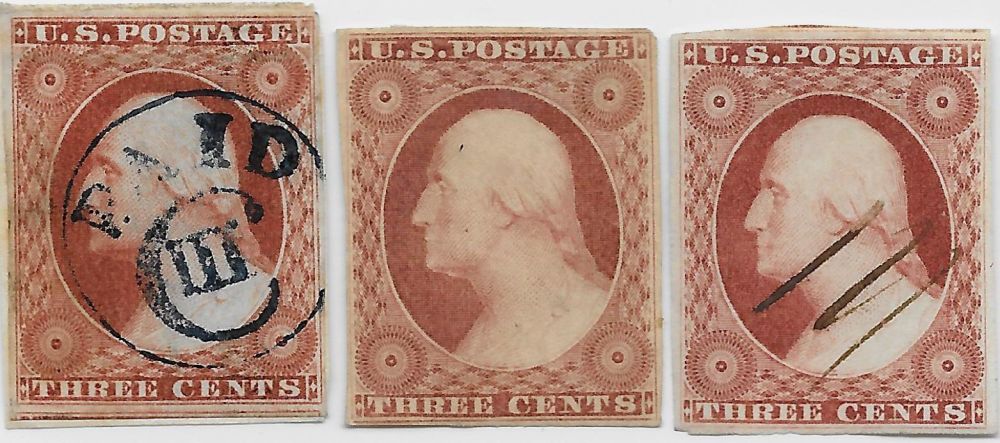
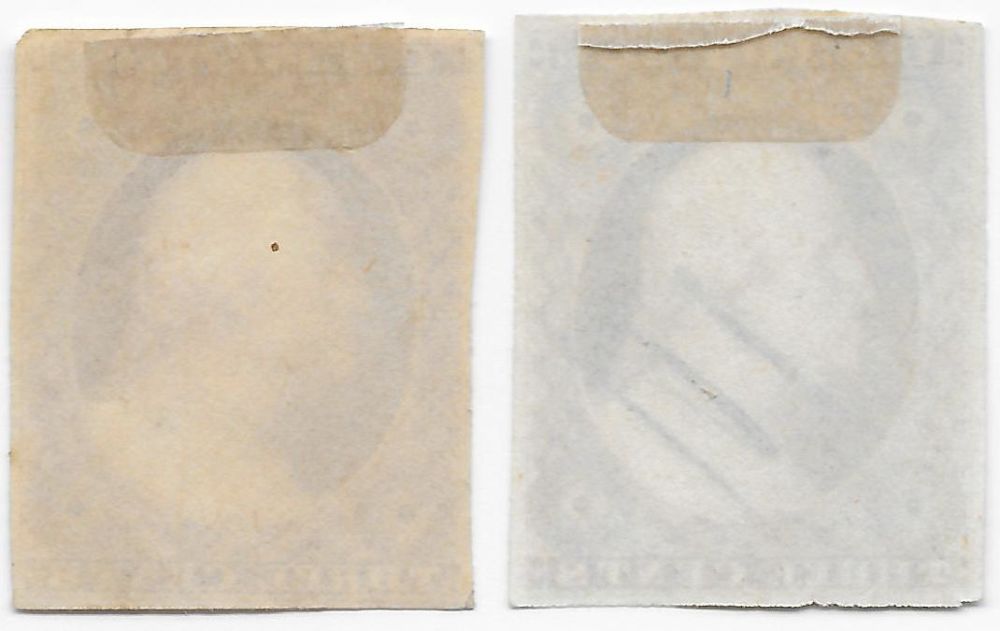
Ryan,
I appreciate what you are trying to do but remain skeptical. While I do feel it is possible it improve the process of IDing subtle color shades via online postings I have concerns. For a handful of posters, this might be a good exercise but I question this approach for a large percentage of readers.
As we have seen from other threads, there are many less experienced posters who struggle with always thinking they have rarities. If we have threads like this one, which may lead less experienced hobbyists to think they are matching a subtle color shade for a rare stamp, I am not so sure we are helping those folks.
In my opinion the detection of subtle color shades requires a fair amount of experience and a good "in hand" reference set. (I think you acknowledge this when you state, "Comparing physical stamps to displayed images on a monitor is never going to be accurate".) So while it may be true that those which have these can be assisted further by threads like this one, my concern surrounds less experienced hobbyists. (Experienced = both philatelic and technical experience.) Those specialists which have the motivation to follow the technical aspects of the thread might benefit, I am not so sure that the non-specialists will.
If you push forward and develop a technical specification for IDing stamps using technology, I hope you consider adding a warning or "heads up" for the method. At best and in the hands of experienced and technically suave hobbyists, stamp color shading deltas can be intelligently discussed. But I would hate to see a bunch of inexperienced hobbyists IDing some of these subtle color shades and thinking they have rare stamps based solely upon some scans and online feedback.
Is becoming technical proficient less work or more productive than becoming more educated on the stamp issues themselves? For some folks this may be true, for others probably not. So I encourage you to continue your efforts but hope everyone understands the qualifiers. At the end of the day, many stamps cry out for a cert and not informal opinions. So in my opinion the "end game" for this approach is not to properly ID a stamp, but rather to assist in the decision on whether or not to spend money on a cert. Obviously no one wants to start seeing
ebay listings with, "I calibrated my scanner, used RGB settings, and therefore this stamp is rare" as the justification.
Don
PS - My opinion is that monitor deltas are not insignificant. Nor are deltas between monitor models and/or video cards and their drivers. (Ever see a bunch of monitors lined up displaying the same thing? There are always color and image deltas between them. In fact just getting two monitors, of the same model type, to be display the exact same image is often difficult.) And we have not really covered ambient light deltas or the likelihood of significant differences in color detection in human eyes. So I guess we will have to agree to disagree on the significance of these variables.





 Posted 11/08/2015 06:45 am