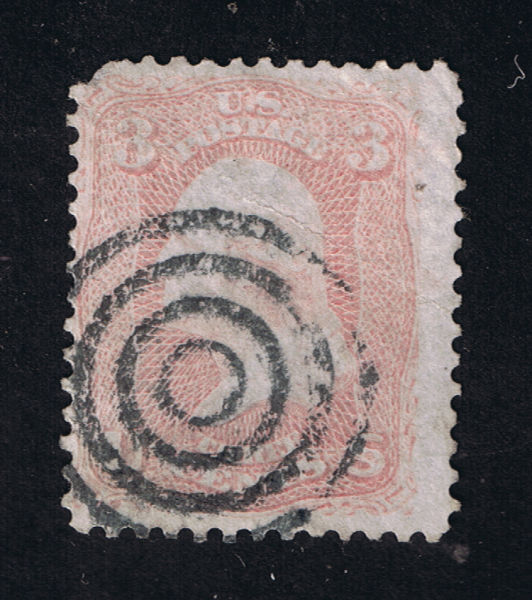
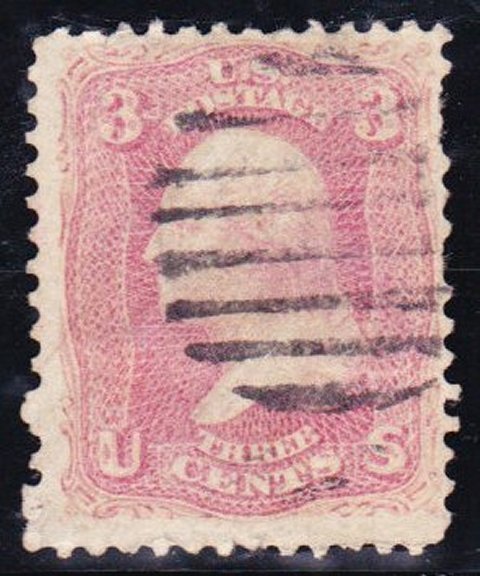
I'm going to jump in here-- Bill, you had mentioned the "bluish haze", and I was wondering if you've ever seen Ashbrook's reference pigeon bloods, or if the reference copies have ever been found? From what I've read and found, at least until around 2000, his description of pigeon blood was still up in the air, and since the reference copies weren't available, it was hard to know what he meant by pigeon blood (since he and Elliot Perry were the two who coined the term "pigeon blood pink" for this stamp).
Also Bill, I'm asking this not to question you in any way on this-- I have so much respect for your expertise, I'd never do that, but I'd really like to pick your brain here a little bit more.... :)
Many good articles in the past on this subject in
The Chronicle. The most recent, about a year or so ago, which included colors of all of the pinks, Mike McClung explained that pigeon blood comes from the pigeon blood ruby, which is the most valuable and desired ruby. Definitely a difference between the lavender pinks and carmine pinks and the pigeon blood that was pictured in
The Chronicle.
Another article he wrote in
The Chronicle several years back now "Pigeon Blood Pink or Passenger Pigeon" again he mentions that he has seen many carmine pink and lavender pink stamps which are certified as pigeon blood. This article is a really good one, from February of 1995.
McClung lists some of the ideas of why so many differences in the shades of certified pigeon blood:
- Some of the stamps have changed over the years
- Some reference copies have changed over the years
- Some expertizing experts have inadequate reference material
- Our standards aren't as high as they used to be
- Different people see color differently
Really good article. My guess is that some of the blue copies of pigeon blood pink could also be what McClung classified as lavender pink in his study of the shades of the 3c 1861. Regardless, the name pigeon blood today, has been listed on certs for a lot of different shades, and it would be really cool someday to pin it down......hope this is helpful, Ray
PS-- I always recommend that anyone who is interested in US Classics join USPCS, and you'll receive a copy of
The Chronicle four times a year, and have access to all back copies online....great resource for all of the US classics.
From what I could see on the first copy in this topic, it looked really red on my screen....rose red or carmine rose possibly? Jeff- it doesn't look like a claret to me-- and a good, deep claret from 1863 is rarer than a pink......check out this listing of Jack Daley's on
ebay for a great claret (ID#
261366411737)...





 Posted 02/11/2014 6:02 pm


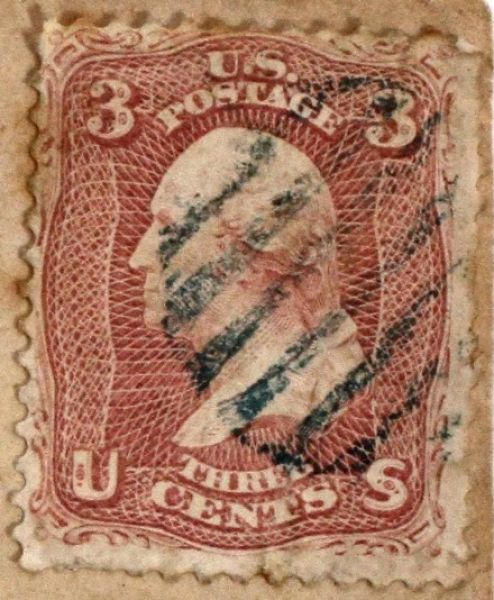 It is on cover and is cancelled 1864 in Gettysburg. Difficult to tell if there are grills. Thanks