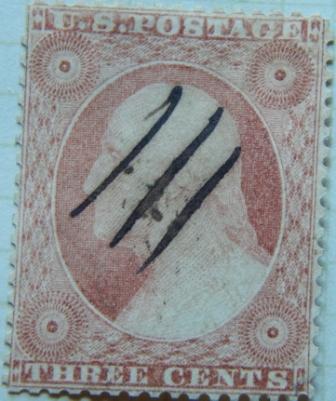
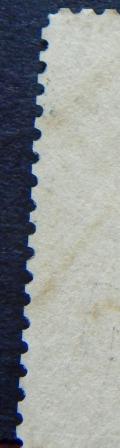
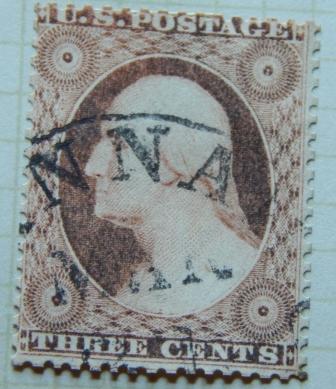
Your stamp does have very noticeable inner frame lines, so it is a Type II. It also has upper and lower outer frame lines. When these exist on a perforated example of this design, while being type II, it means that you have a #25A.
I am still a student of issues of this series, but it seems that having the upper right inner frame line extending past the rosette is nearly universal for every type and issue.
-Edit:
The U.S. Philatelic Classic Society is a wonderful non-profit organization that is chock full of great information. Amongst other things, they maintain an electronic library with many great books. Particularly, look here for "CHASE – U. S. 3ct 1851-1857, Carroll Chase, Revised 1942" :
http://www.uspcs.org/resource-cente...nic-library/Tip: go there, then right click the link to that book and choose "Save Link As", save it wherever you want on your computer, then open the file.
It's a long read, but will help you with plating and might be quicker than "brute forcing" the plating by trying visual comparison of each possibility. Regardless, you'll learn a heck of a lot about this series and will be able to plate other stamps of this series in an efficient analytical manner. This book will teach you almost everything that you need to plate any on this series, except that examples to compare to of every plate position don't exist in freely available images. Steven Ruecker's site is great. It contains many examples of many of the plates, however the rest are only accessible by purchasing photographic reprints from the Smithsonian at a significant cost. Even then, not all of the perforated plates are available.





 Posted 01/13/2015 9:16 pm