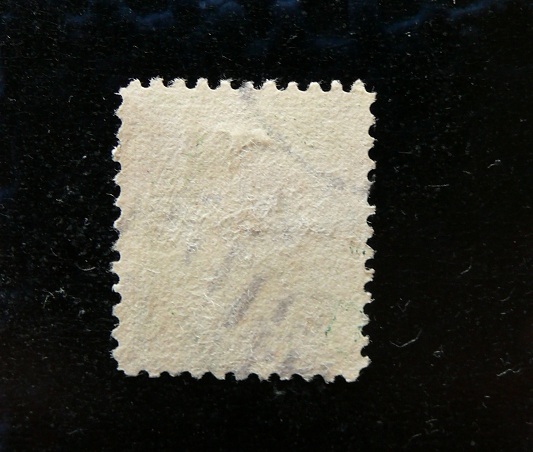
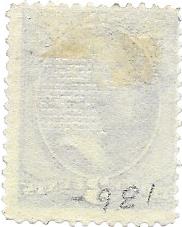
Quote:
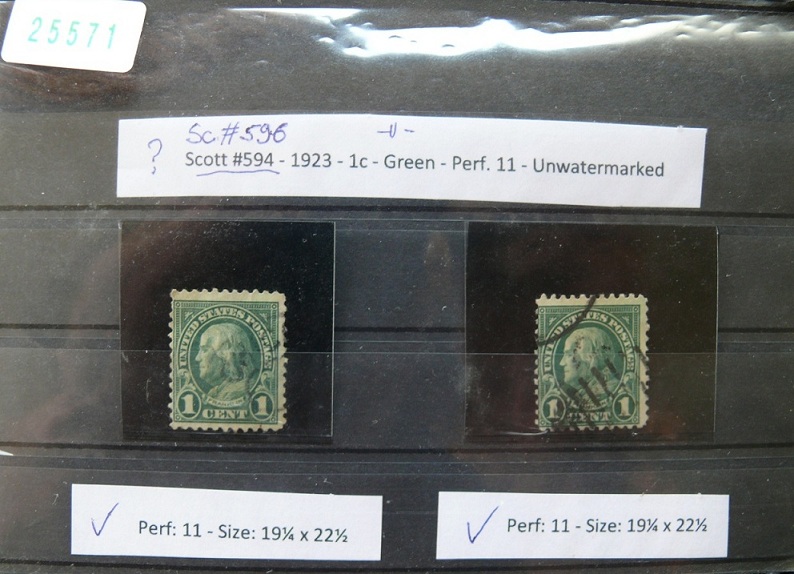
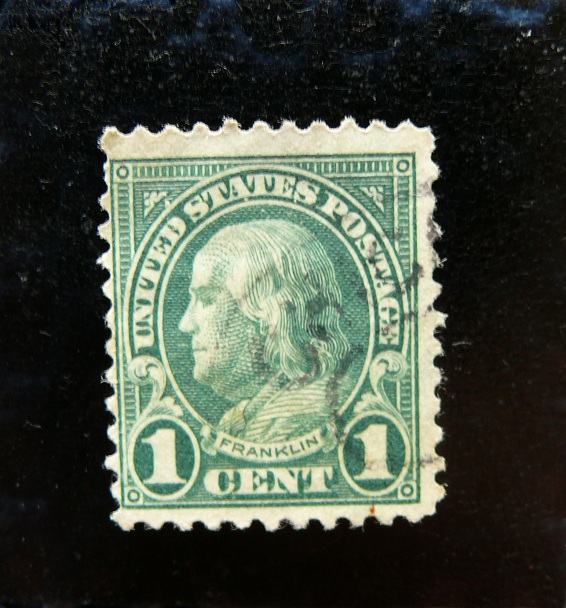
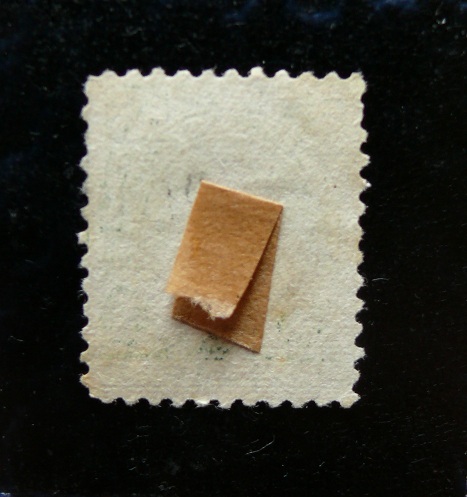
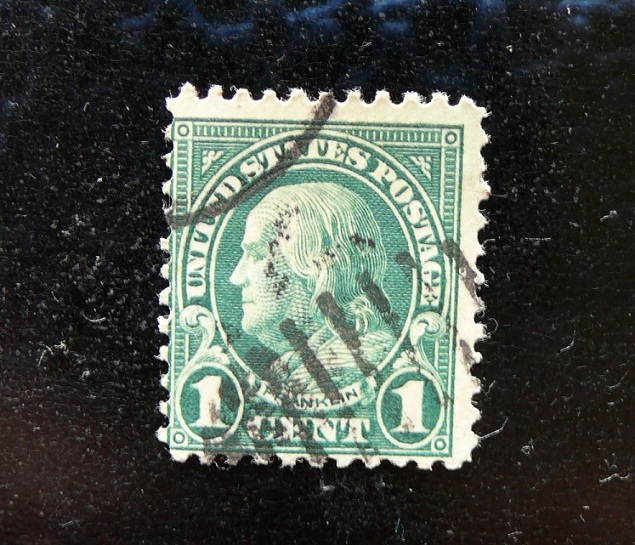
The stamps pictured here are flat plate because they have traces of green ink on the back side.
Quote:
It's this rotary press, because don't have traces of ink on the back side????
His comment about ink flecks referred to the first two stamps specifically. But I wish the first three words in that first sentence had been, "You can tell...
Now we have more explaining to do for a non-English speaker.
The two green stamps in question are not flat plate
because they have traces of green ink on the reverse. Rather, they have traces of green ink on the reverse because they are flat plate printed. The ink flecks are a point of
RECOGNITION, but they don't explain the distinction and are not causative.
Ancazi - Ink deposits on the reverses of stamps, either on the gum or on the paper, are known as "set-offs." They occur when the backs of stamps make contact with the front of freshly printed stamps before the ink is completely dry. They may also occur when considerable pressure is applied. Stamps printed by flat plate came off the press before they were gummed, and were stacked. This allowed set-offs onto the paper.
The presence of flecks of ink on the reverse of the
PAPER cannot happen with stamps printed by rotary press.
The reason is because the gum was applied to the paper web and dried before the front of one stamp could come into contact with the back of another. So, flecks on the paper tend to rule out rotary press printing. Gum setoffs might occur, but they disappear when the gum is washed off.
Knowing this saves time in sorting out the stamps, because anything with set-offs on the paper must be flat plate. Measuring it should bear that out.





 Posted 08/13/2015 11:50 am