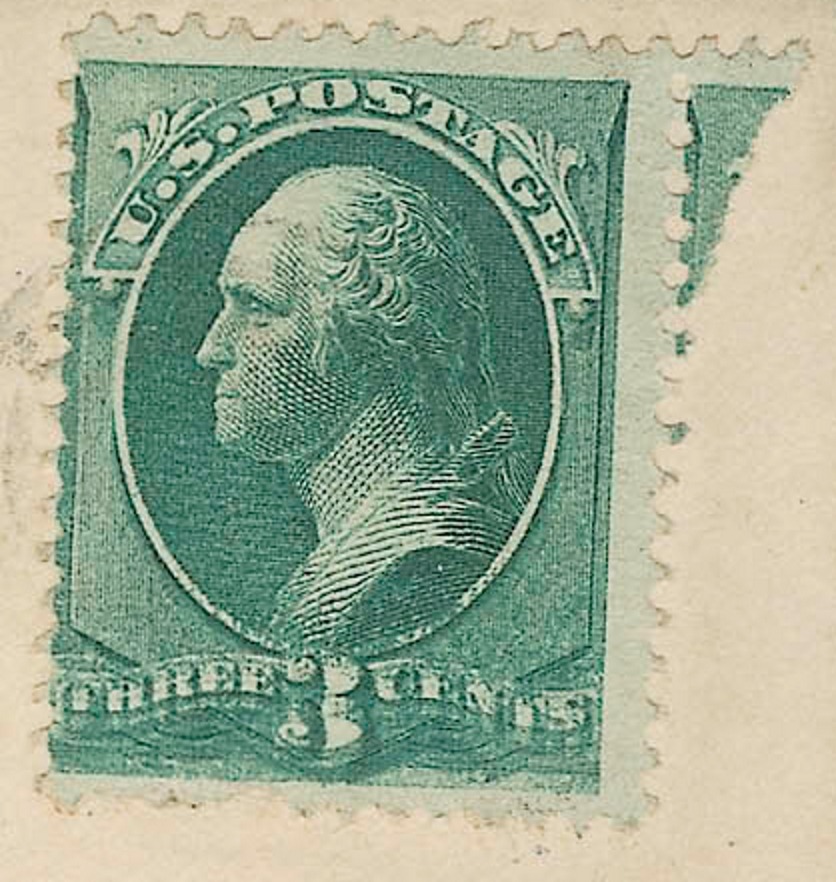
The stamp Langs is offering (
ebay) is from the Continental Bank Note Co. on hard paper, and has a cert from APEX to that effect. Your stamp is a soft paper re-engraved issue from the American Bank Note Co. They are not the same stamp, BUT
they have the same problem: they both represent a printing anomaly which some class as a double impression but which is not so regarded by the best authorities on the subject. A "slip print" a "kiss print" and what Pat Hearst called a "tympan impression" all result in the apparent doubling of design elements. But because they have different bases for origin they are not all regarded as the same. The experience of the Robert Siegel Auction house is instructive.
Quote:
Most double impressions occur when the first impression is made and found to be inadequate. The paper is then put in the press a second time, when it receives the heavier impression. It is a common misconception that the weaker impression is the second one.
It is noteworthy that their notion of "double impression" presumes that the second printing was intentional, intending to compensate for an initially weak impression. Presumably the printers wanted to place the second impression on the same spots occupied by the first. So far Siegel only recognizes three examples of #207c in its database.
Quote:Our census of Scott 207c, available at our website at
http://www.siegelauctions.com/dynam...07c/207c.pdf , includes only the three examples. No others are contained in the records of the Philatelic Foundation, and we did not find any in our search of past auction catalogues.
Please use their link.
In the matter of double impression, these three examples have something in common: the two impressions are not directly atop one another. Obviously it is a judgment call whether a close example is a good "near miss" of an intentional second printing or an example of one of the lesser, and more commonly acknowledged, variants, such as a slip print. HistDNA has already given you information on the nature of a slip print.
So let's compare. In this first example I have selected the stamp of their three that is closest to yours in overall condition and configuration.
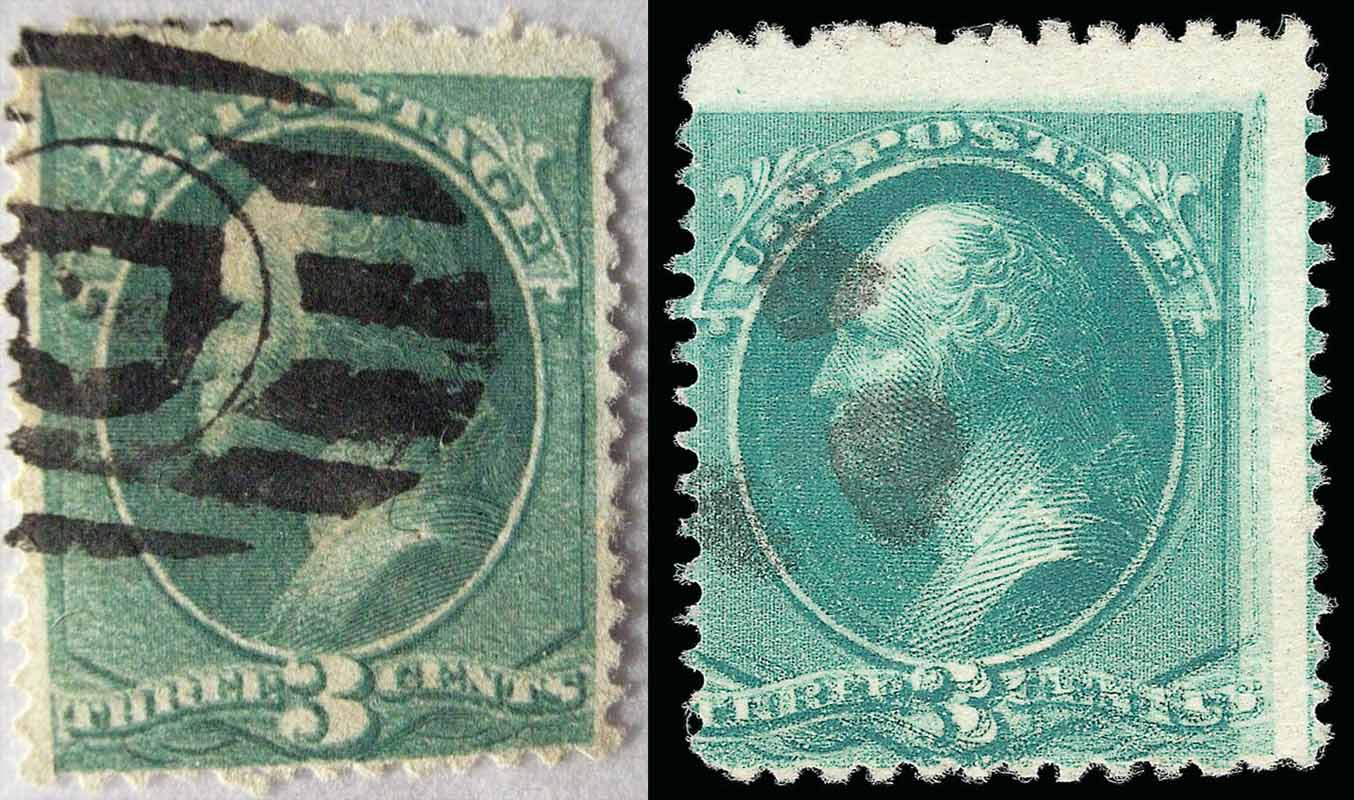
When you look at the right sides of the two, the difference leaps out. There is a fuzziness in the Siegel example, which is certified by the PF, as in yours, but they differ substantially in degree.
The bottoms of the designs on the two stamps are very obviously different in character, but let us look at the tops where it is not so obvious:
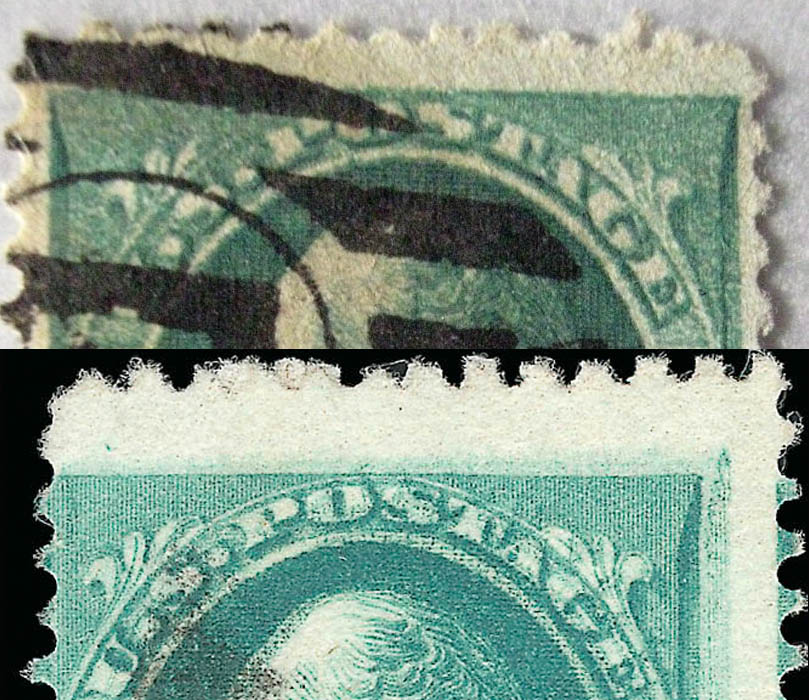
The protruding design feature in UR, and the defaced lettering are way off by comparison. It is a matter of degree.
Siegel's page is sympathetic to the problem for collectors this poses:
Quote:
SPECIAL NOTE: There are many United States stamps that look similar to the rarities listed below. Some of the differences between expensive rarities and common stamps can be subtle, including differences in perforation, shade and size. These stamps should have certificates from a recognized expertizing committee, such as The Philatelic Foundation or P.S.E. If you think you have one of these rarities, we cannot help you until after it has such a certificate.
What about the Lang's stamp, it has a cert?
The problem with this is that the cert was issued by APEX in 1978, before the problems involving this particular printing anomaly had been investigated with the tools developed since then. Today I doubt that any of the major certification bodies, including APEX, would give this item a green light as a 158j. Bill L probably knows that. Whether or not he would allow for a second opinion I cannot say, but it is not to be assumed.
Here is the Langs stamp next to one of the other 207c items Siegel recognizes:
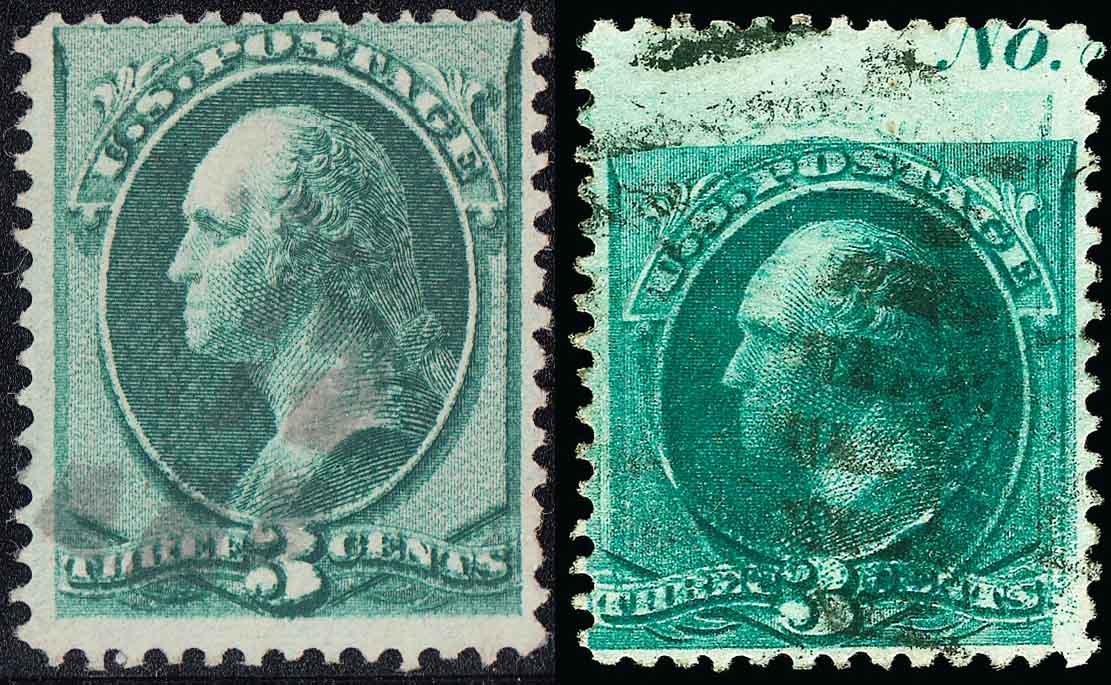
As before it is a matter of degree. But I had a reason for showing you this combo. The stamp on the right was featured in the 1978 Siegel Rarities sale where it realized $450 without certification. Note the year date and the date on the Langs certificate from APEX for his stamp. Both in 1978, the cert coming about two months after the Rarities sale. At the time Siegel had extolled the virtues of "their" stamp, admitting it was "probably unique" but did not mention a cert for it. However, in 2004 it sold again. By then it had been researched and certified, having endured a significant debate over it. This time it realized $25,000 in a regular Siegel sale of United States. A solid certificate makes a huge difference; hence the note by Siegel.
Notice how much of a second impression is visible at the top. This is not a mere blurring of the design, such as we see on the stamp Langs is offering.
Final comment: Consider the plight of this certified 207c used on cover.
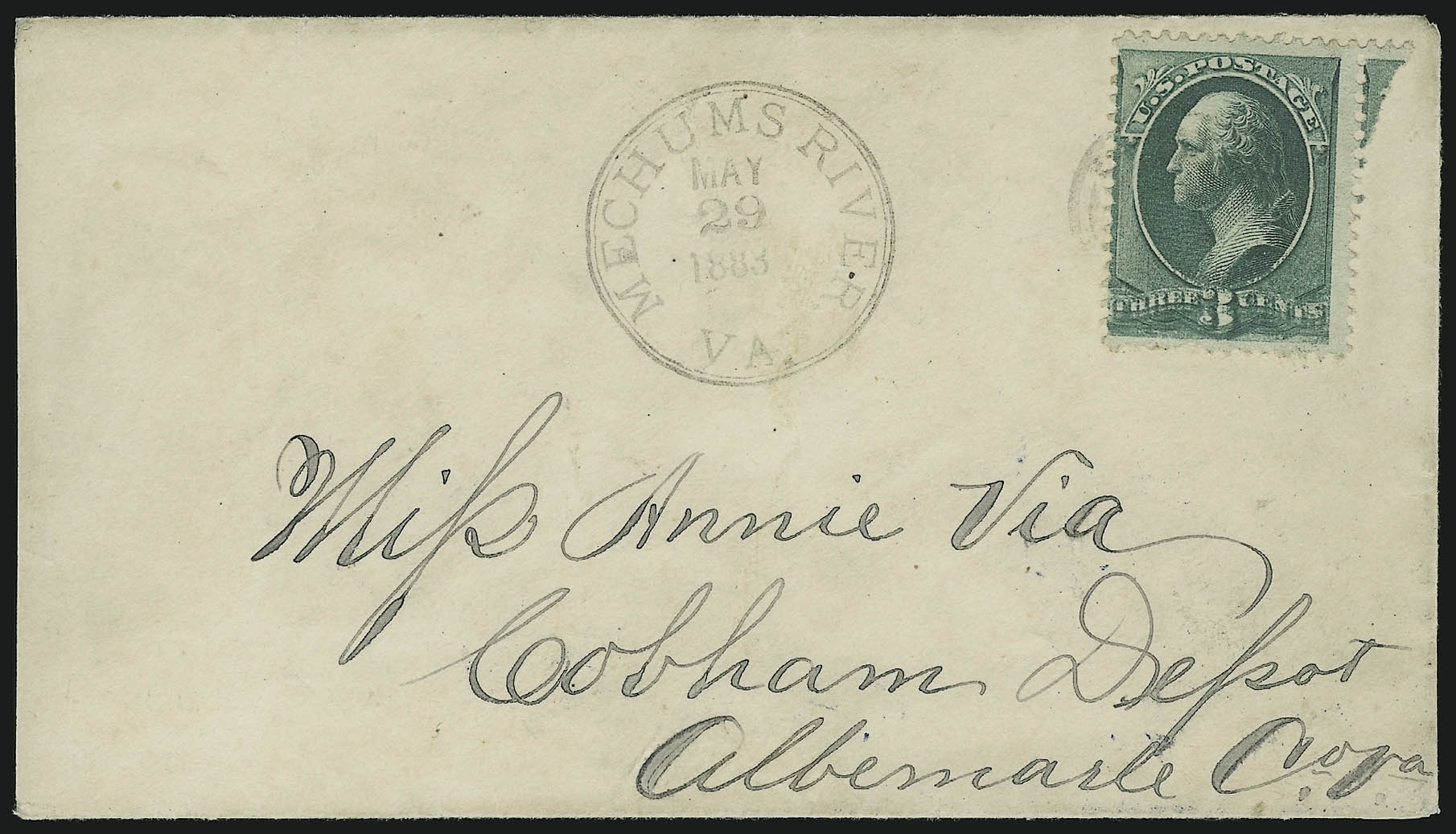
In 2003 it sold for $7500
In 2012 at the Natalee Grace name sale, it sold for $4750
In 2014 at regular Siegel sale, it sold for $2000
I wonder what that means.





 Posted 10/08/2015 10:54 am