| Author |
 Replies: 20 / Views: 5,795 Replies: 20 / Views: 5,795 |
|
Valued Member
Canada
108 Posts |
|
|
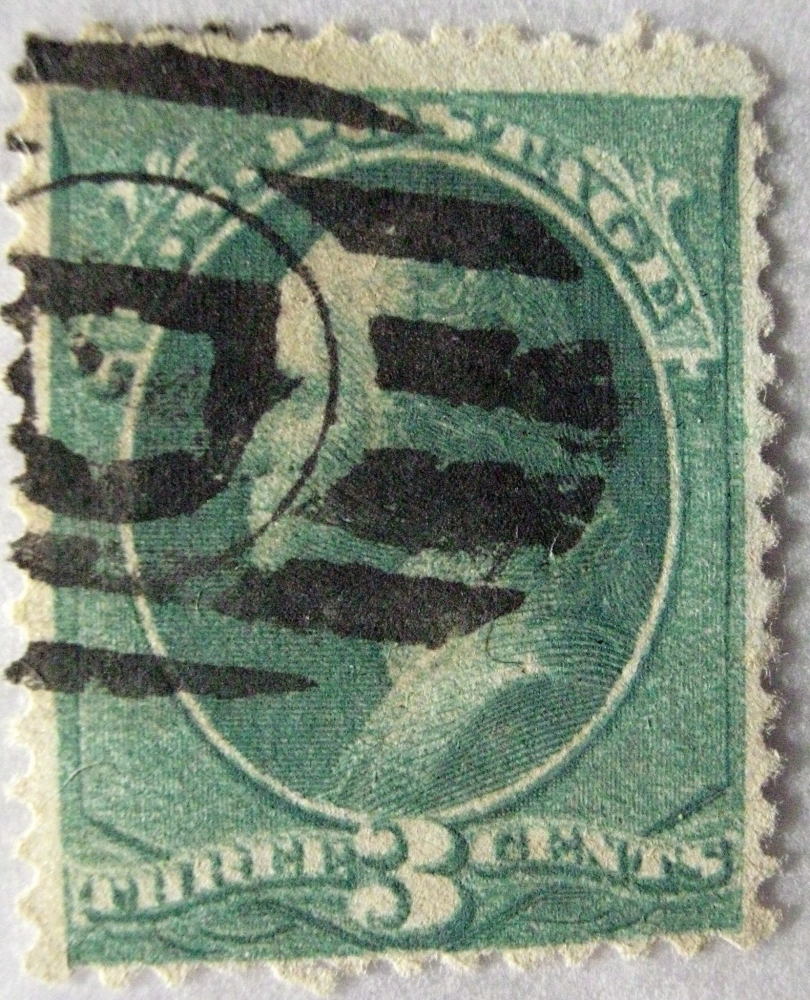
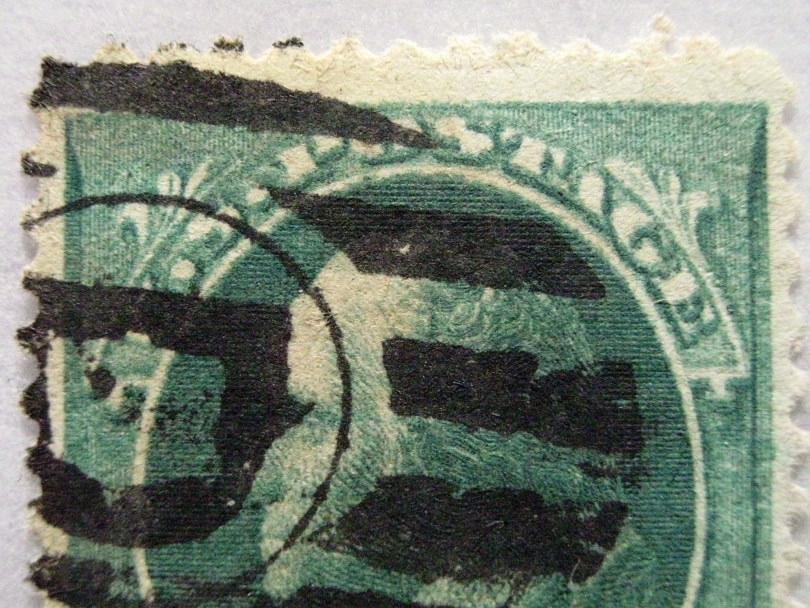
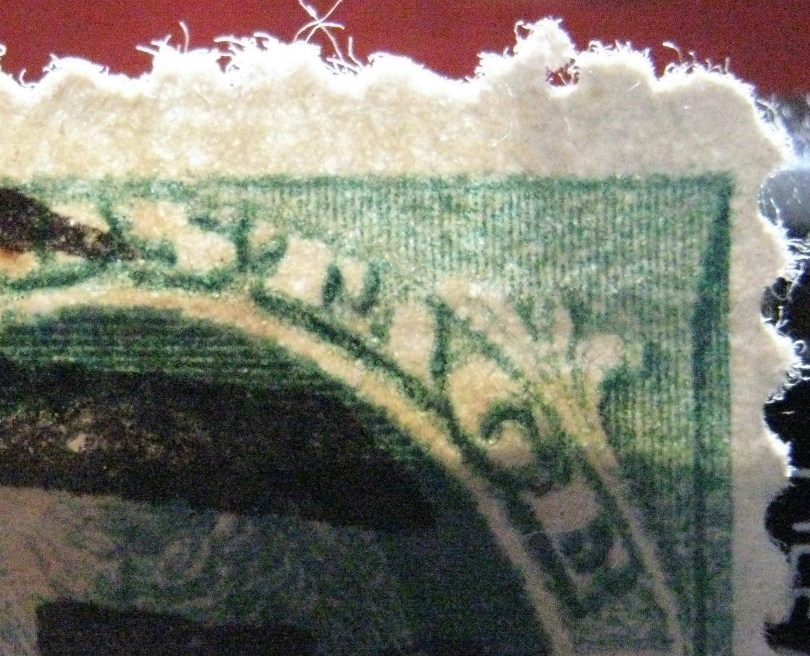
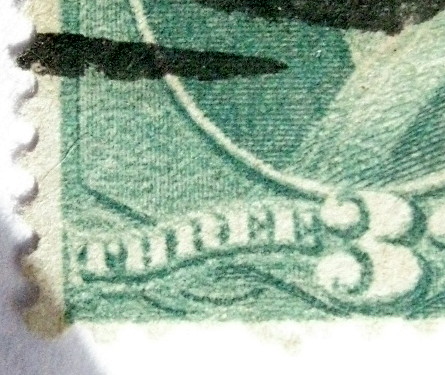
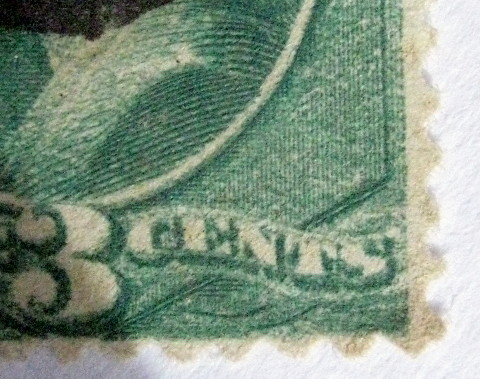
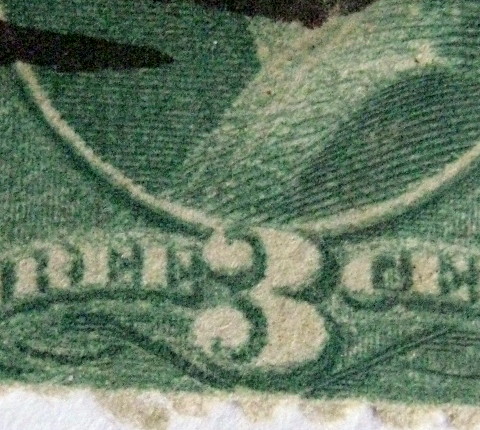
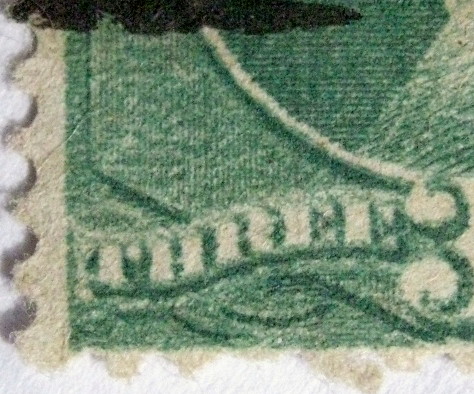
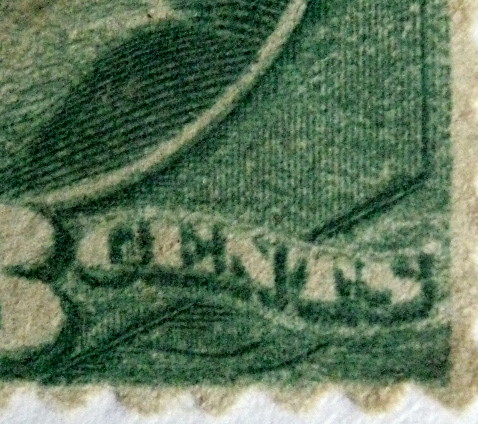
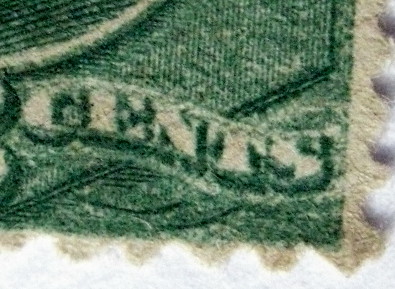
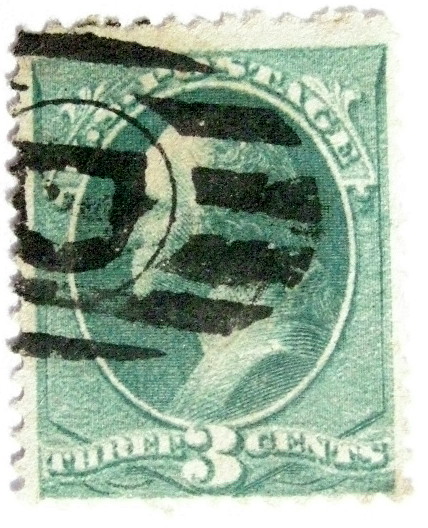
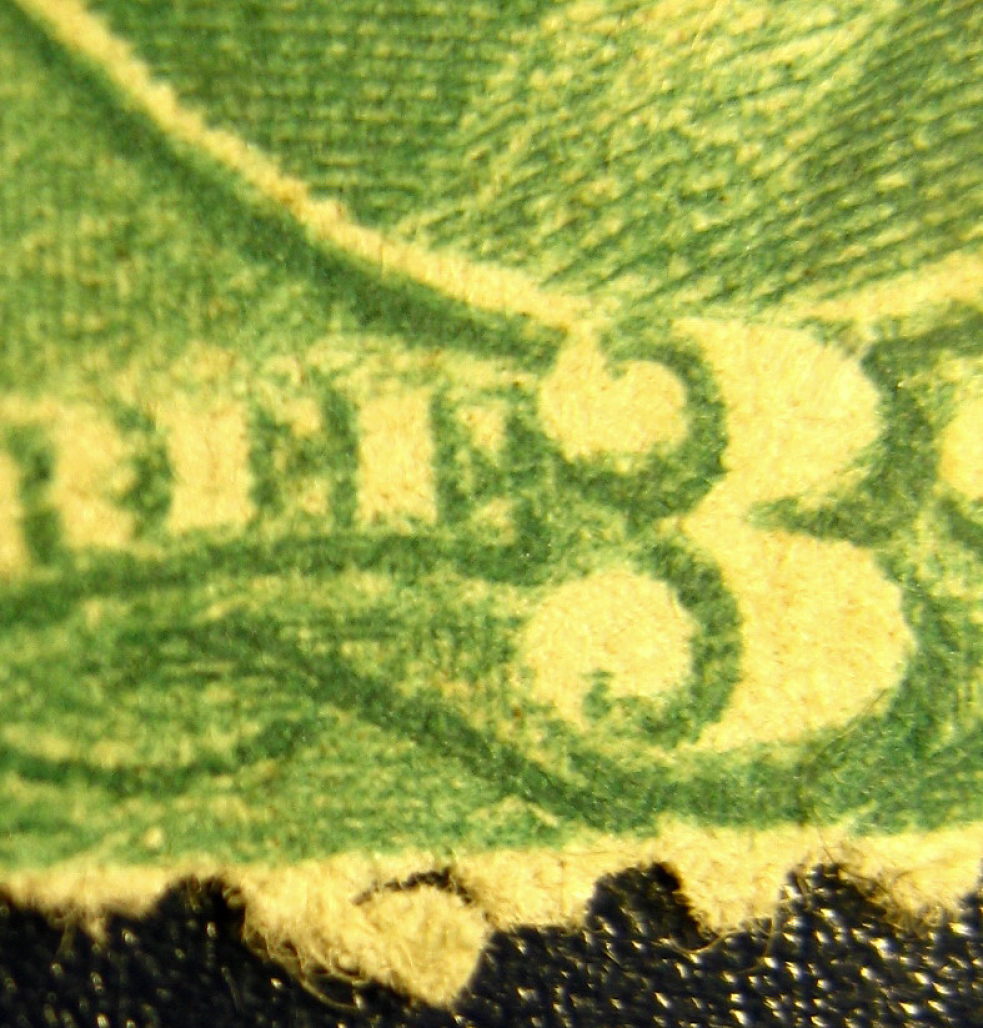
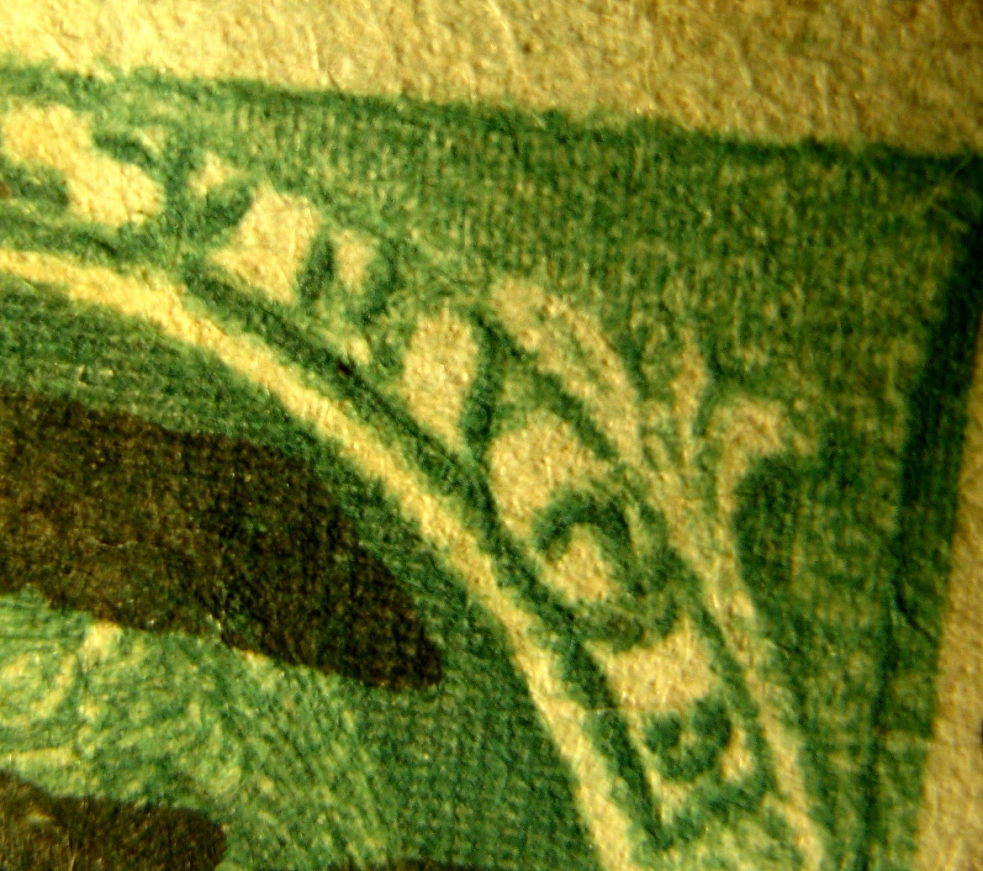
This stamp is possibly just over inked, but I noticed that the lines down the right edge of the stamp are vertical instead of horizontal which makes me think it is actually a double impression. Opinions please. 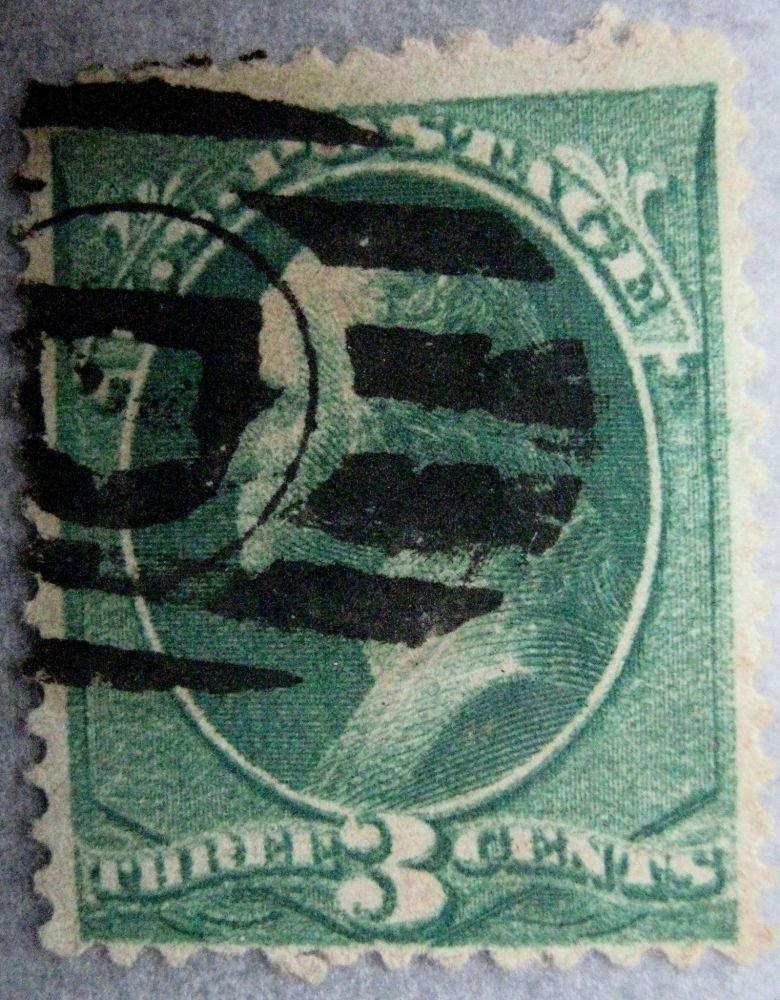 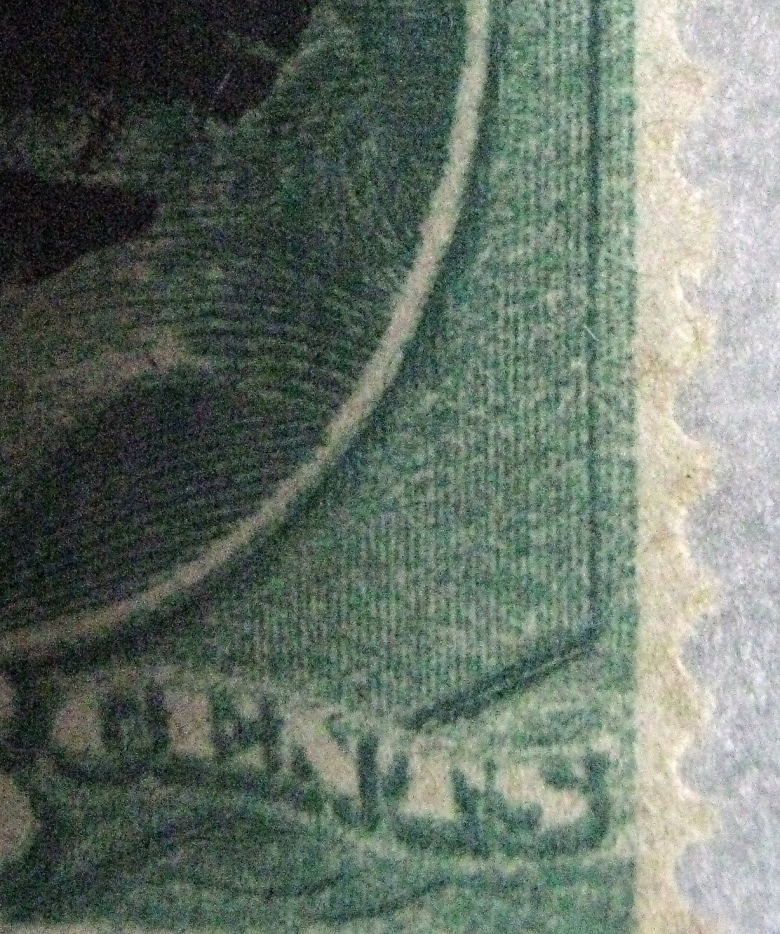 |
|
Send note to Staff
|
|
|
|
|
Pillar Of The Community
United States
1946 Posts |
|
|
The lines you refer to are supposed to be vertical as part of the design. Not sure why that would make you think this is a double impression. The plate was not as well wiped at the spot where this cliché was located. An inking variety to be sure, but not a double impression. |
Send note to Staff 
|
|
|
Pillar Of The Community
1849 Posts |
|
|
Valued Member
Canada
108 Posts |
|
|
Pillar Of The Community
United States
1946 Posts |
|
|
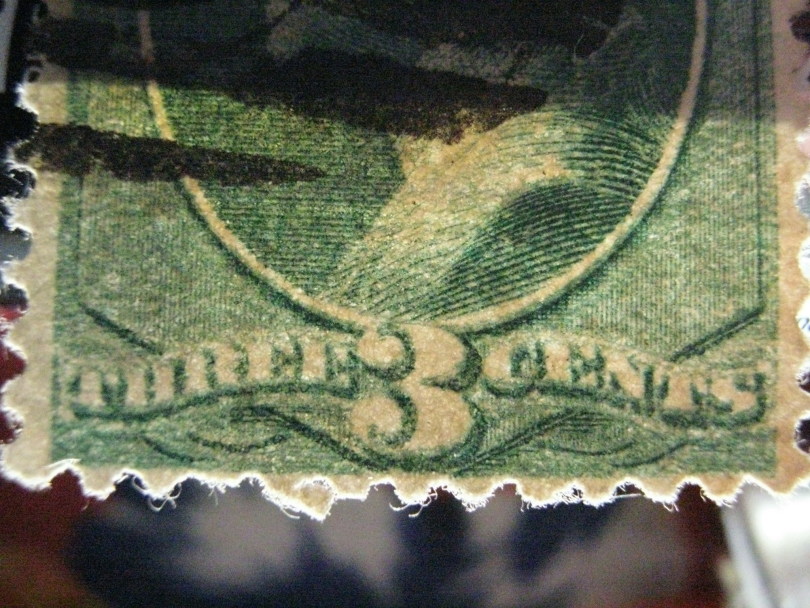
Here is a scan of the bottom half of the design on a die proof, which will show us what the lines should look like. 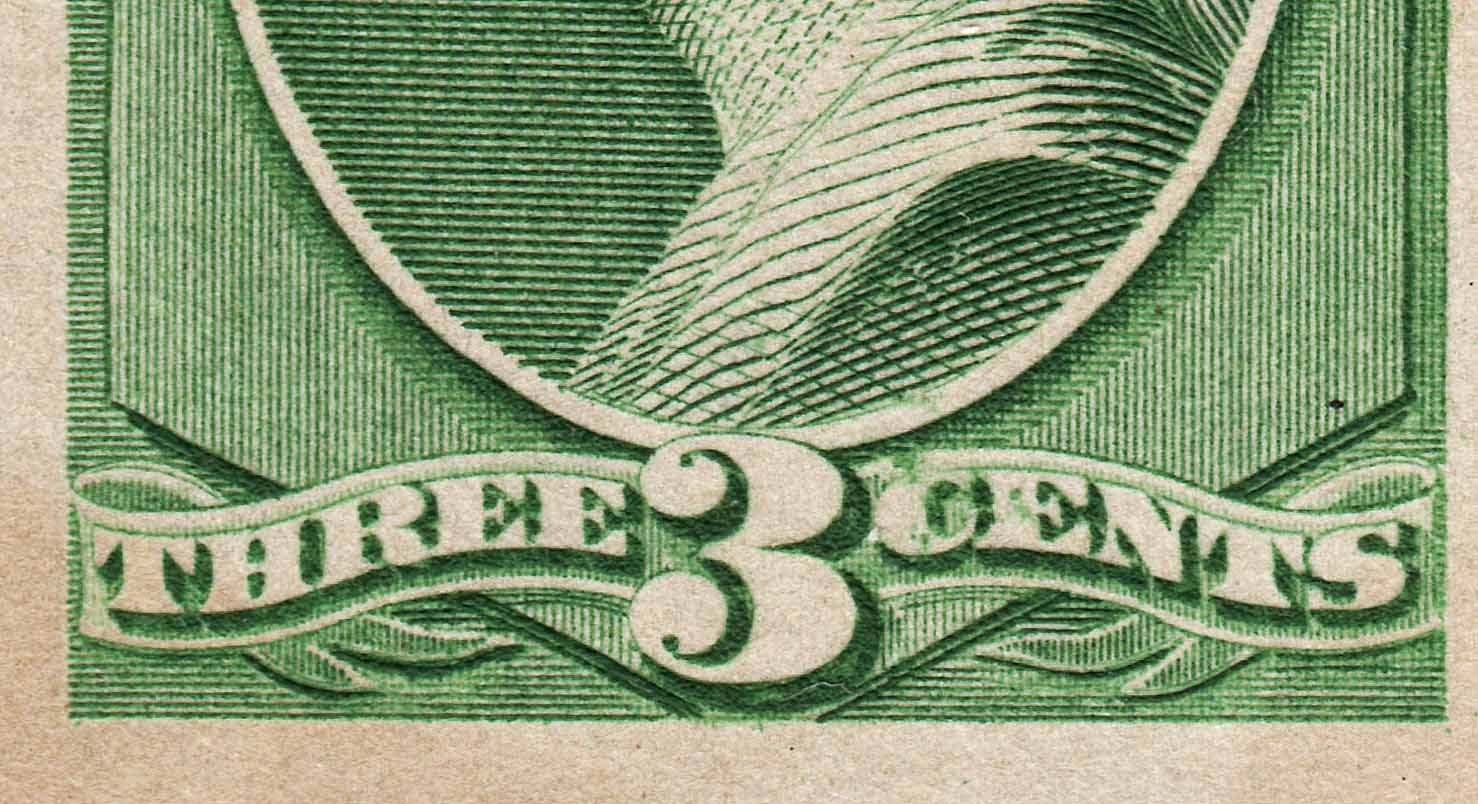 Here you can see that the frame shading on the right has a fine ground of horizontal strokes with three or four long vertical strokes as a crosshatch. I do not see the kind of general doubling of lines on your stamp that would indicate a double impression. But I do see the "piling up" of ink on the lettering, especially in the words "THREE 3 CENTS," at top and bottom of the letters, which might be an indication of a double transfer. I also see it in the bottom of the oval vignette frame. However, your images are too grainy to be able to state for sure what is going on. I do suspect a double transfer, but how extensive that is is not clear. |
|
Send note to Staff
|
|
|
Pillar Of The Community
United States
937 Posts |
|
|
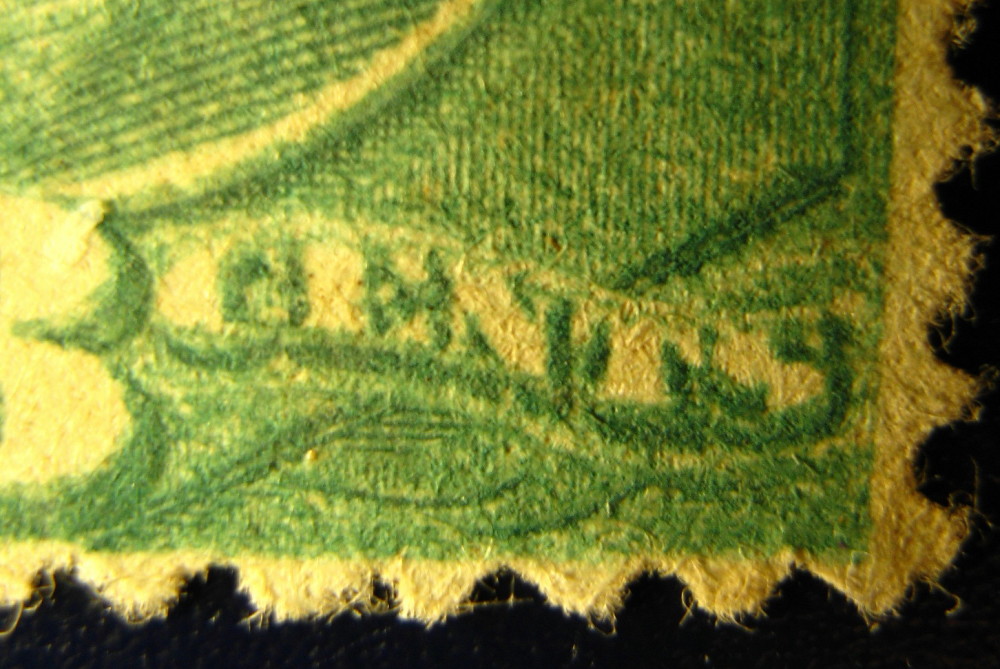
The pictures aren't detailed enough to know for certain, but I think your stamp is a "Slip Print" that slipped towards the top. A double impression or transfer has sharp demarcation. This site provides clear images and descriptions of all of the major types of re-entries: http://www.re-entries.com/terms.htmlThe slip is seen at the bottom of each white area as a blurred and less saturated ink. Here's one of mine that makes the phenomenon easier to see: 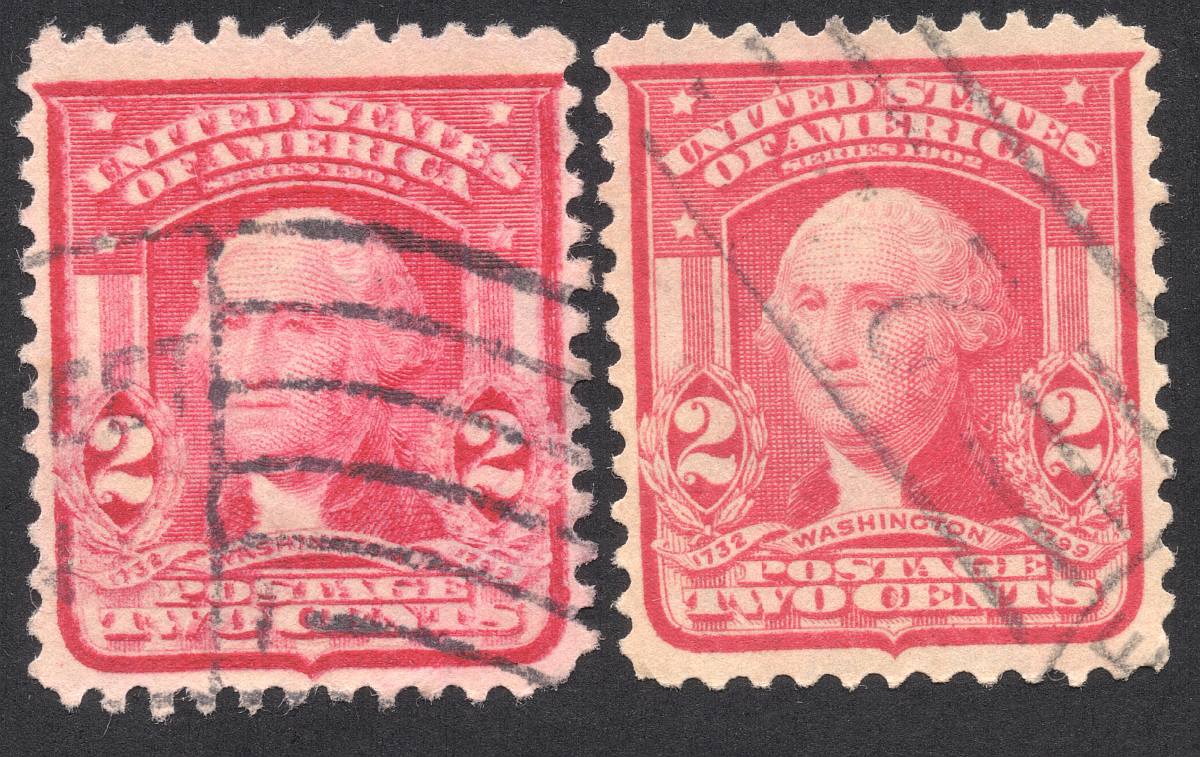 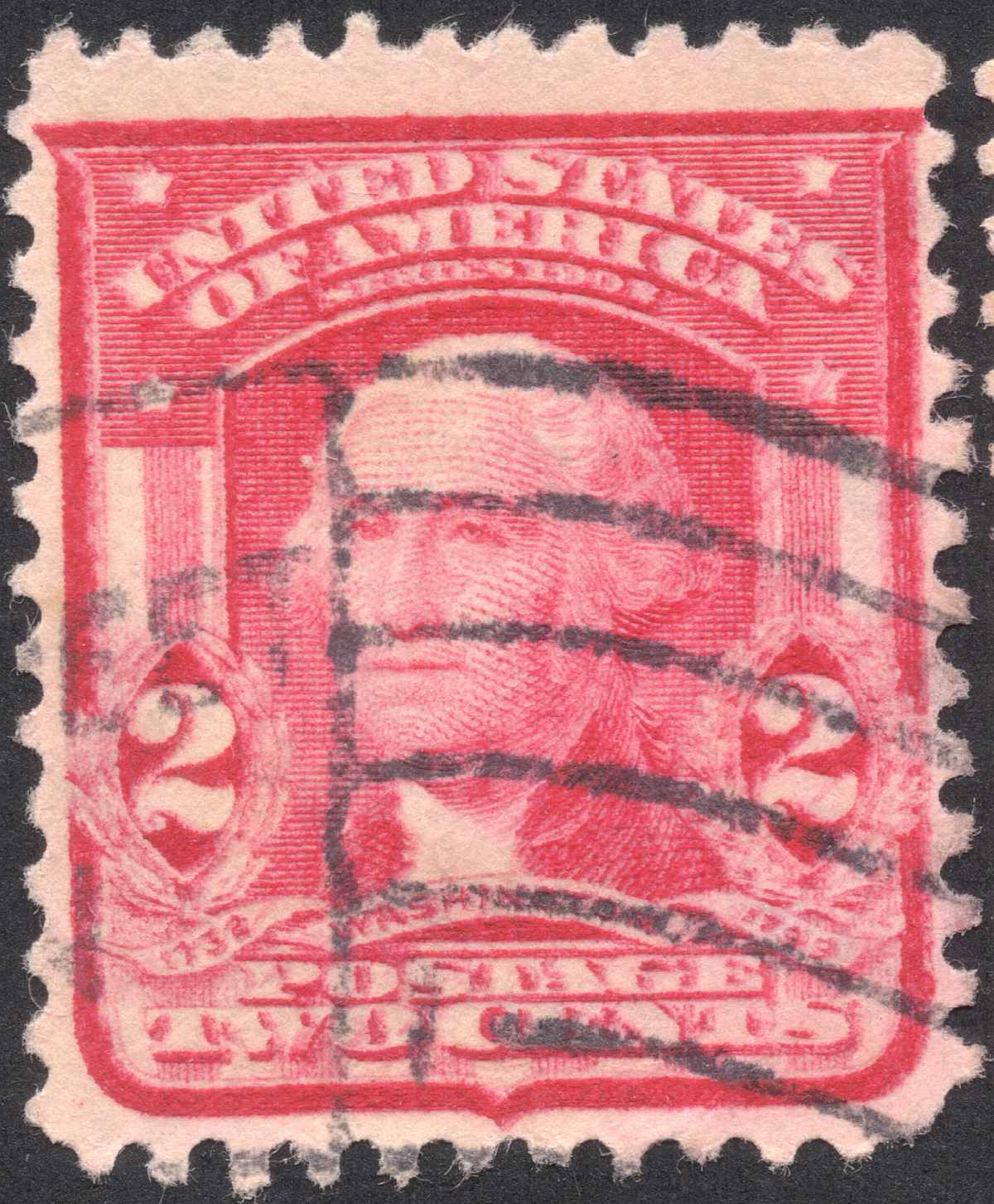 Here I overlaid my non-slipped over the slipped. The slip went to the right. Similar to yours, mine also has random areas of color which could be from a subsequent "Kiss Print": 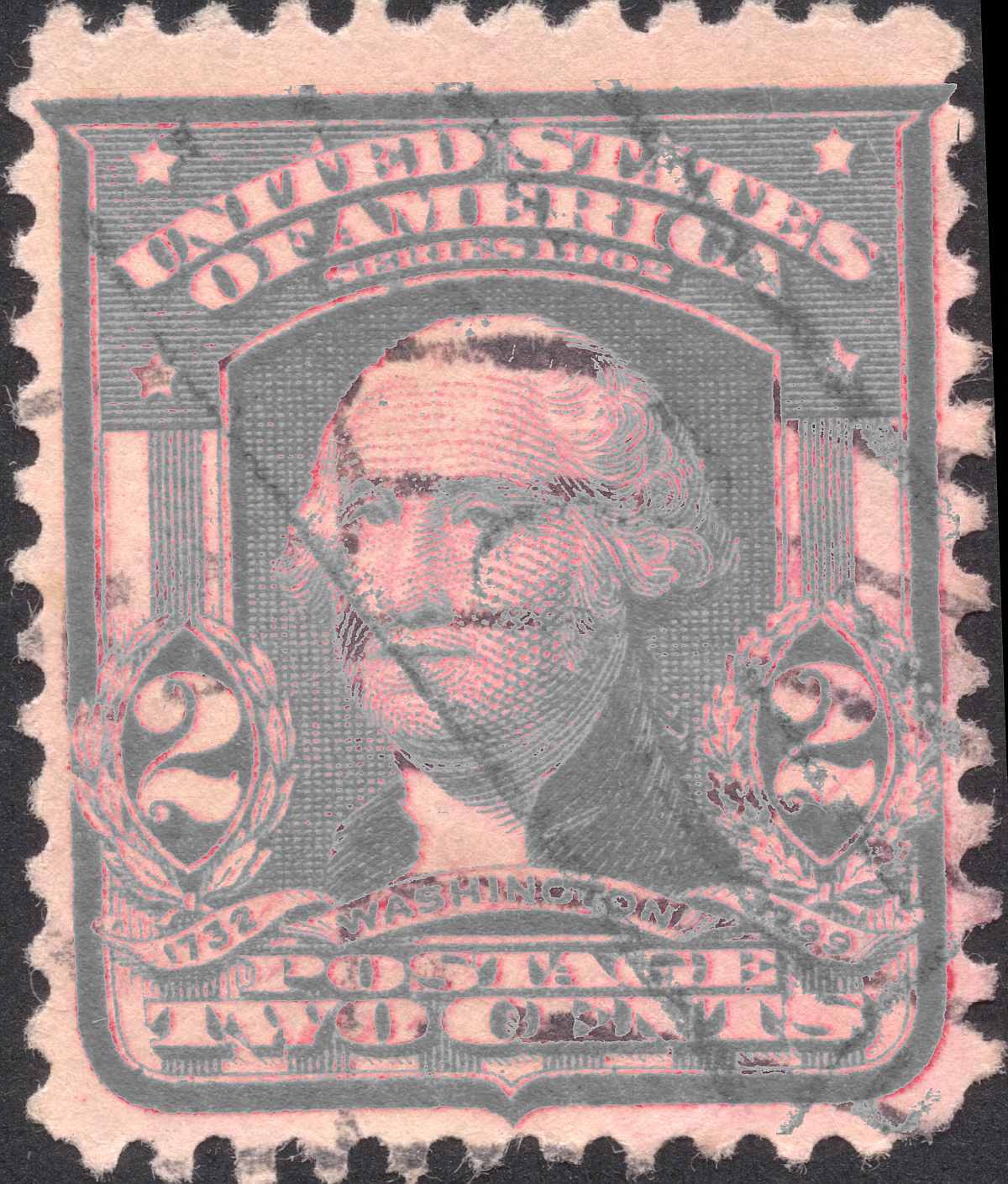 |
|
Send note to Staff
|
Ryan = HDNAC = DNA = HDC = Hysterical DNA Collector = Historical DNA Collector = me who just loves stamps :) |
|
|
Pillar Of The Community
United States
6469 Posts |
|
|
What exacerbates the problem is that for whatever reason, in front-of-book issues, kiss prints are accepted as "double impressions", when in fact they are not. A double impression is when the paper goes through the press twice, not a "bounce" of the plate.
For example, virtually all of the Washington-Franklin souble impressions that you see really aren't.
Scott and the expertizing companies are extremely inconsistent as to what is a DI and what isn't... |
|
Send note to Staff
|
|
|
|
Valued Member
Canada
108 Posts |
|
|
Pillar Of The Community
United States
937 Posts |
|
|
ErrorsRock, A definitive explanation for the mottling on the top of the "THREE CENTS" escapes me, but could be due to my prior proposal that it comes from a subsequent "Kiss Print". It is definitely not a Double Impression. Make sure that you read this thoroughly: http://www.re-entries.com/terms.htmlThe concepts illustrated there take much more than a single read through to understand. |
|
Send note to Staff
|
Ryan = HDNAC = DNA = HDC = Hysterical DNA Collector = Historical DNA Collector = me who just loves stamps :) |
|
|
Valued Member
Canada
108 Posts |
|
|
Valued Member
Canada
108 Posts |
|
|
Oh yes I forgot to mention that the lines in the shoulder also look abnormal. 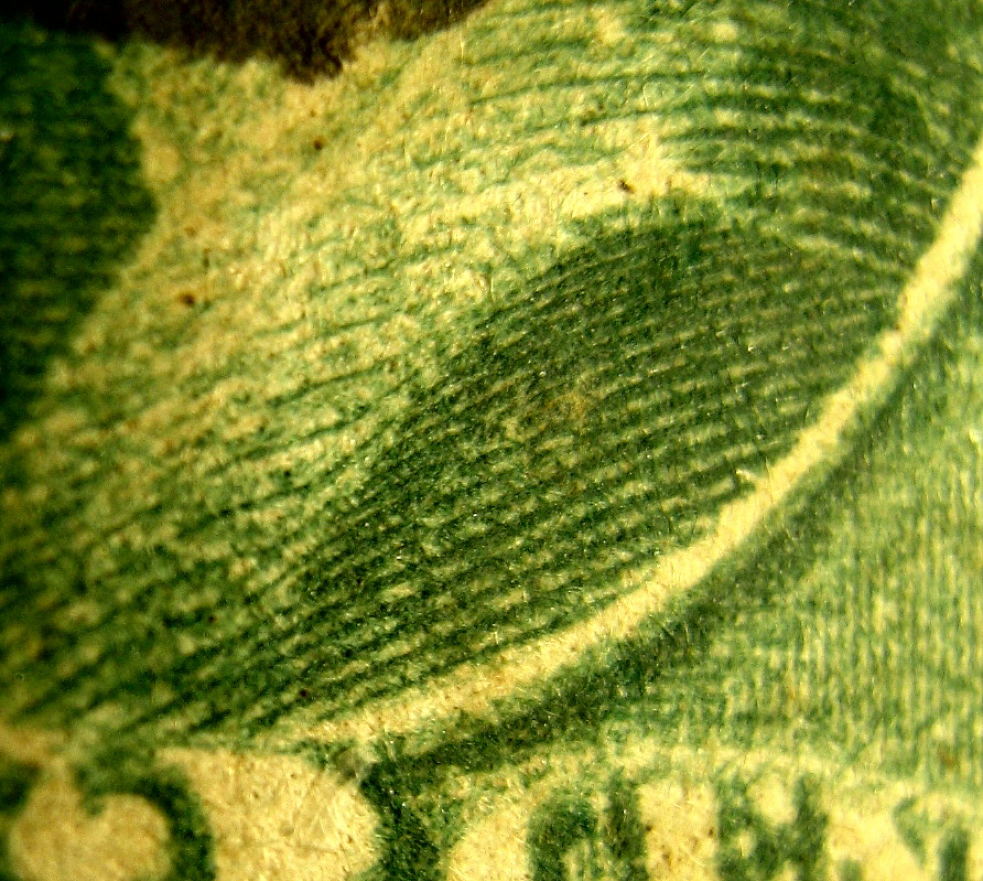 |
|
Send note to Staff
|
|
|
Pillar Of The Community
United States
937 Posts |
|
|
ErrorsRock,
All of what you are observing could be explained by a combination of slip and kiss printing ink varieties. So far, I see no evidence that is contrary.
However, it is obvious that you still have some doubt and are asking for a more detailed explanation. If you provide me with an at least 1200 dpi scan, then I can try my best to create images to help illustrate what I believe is going on with your stamp. I've sent you an email message so you don't have to worry about image compression by posting directly to the forum. |
|
Send note to Staff
|
Ryan = HDNAC = DNA = HDC = Hysterical DNA Collector = Historical DNA Collector = me who just loves stamps :) |
|
|
Pillar Of The Community
United States
1946 Posts |
|
|
Quote:
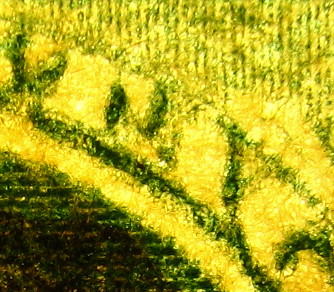
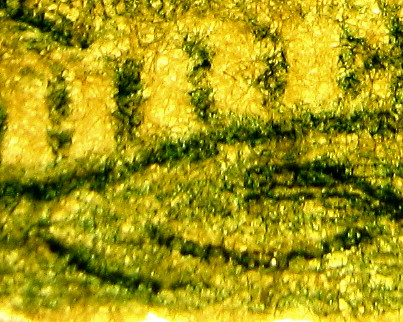
What really puzzles me is the presence of vertical lines through the lower part of the ribbon under CENTS, when in the original design it is clear of any markings. Also the area above the two ribbon tips appears to have vertical lines through the clear areas of the design. Here is a tight comparative view of your image and the corresponding portion of another die proof of this design. The die proof gives the most definitive view of what the area was designed to look like. 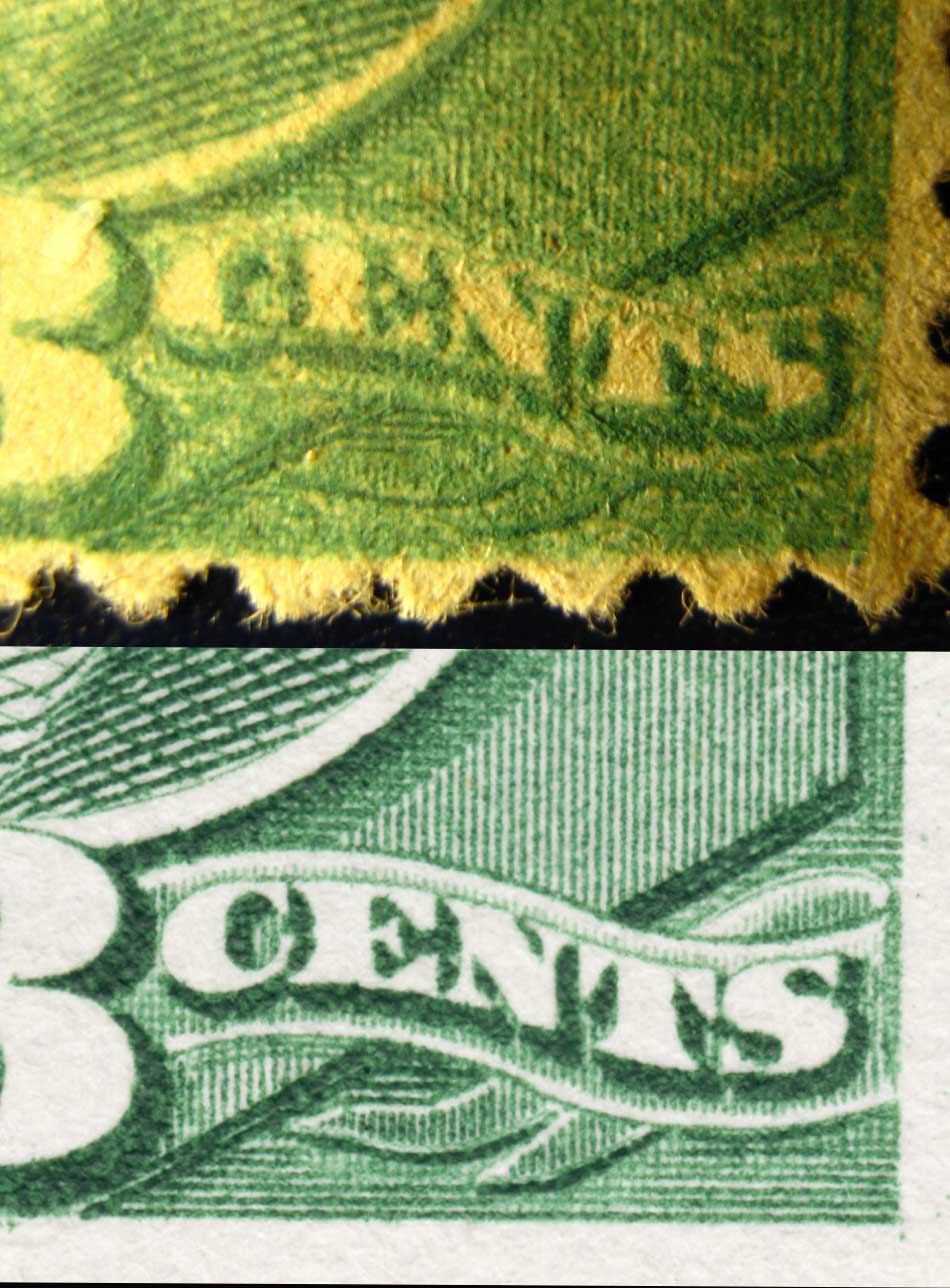 The proof appears to show vertical lines in all the places you are saying should not have any. So I am not clear about what you are looking at. Perhaps adding some arrows pointing to the "hot spots" would direct me a bit? |
|
Send note to Staff
|
|
|
Valued Member
Canada
108 Posts |
|
|
Pillar Of The Community
United States
937 Posts |
|
|
It is not over inked. It is a "slip-print". While the sheet of stamps was still stuck to the printing plate, it was not removed directly off of the plate. The sheet "slipped" while still on the plate which smeared some of the ink towards the top.
Does that explanation make sense to you? Another way of thinking about it is writing out a word with an ink pen on paper, then smearing the ink in one direction with a finger before the ink dried. |
|
Send note to Staff
|
Ryan = HDNAC = DNA = HDC = Hysterical DNA Collector = Historical DNA Collector = me who just loves stamps :) |
|
|
Valued Member
Canada
108 Posts |
|
|
Replies: 20 / Views: 5,795 |
|



 Posted 09/05/2015 12:19 am