To interpret the somewhat cryptic replies so far:
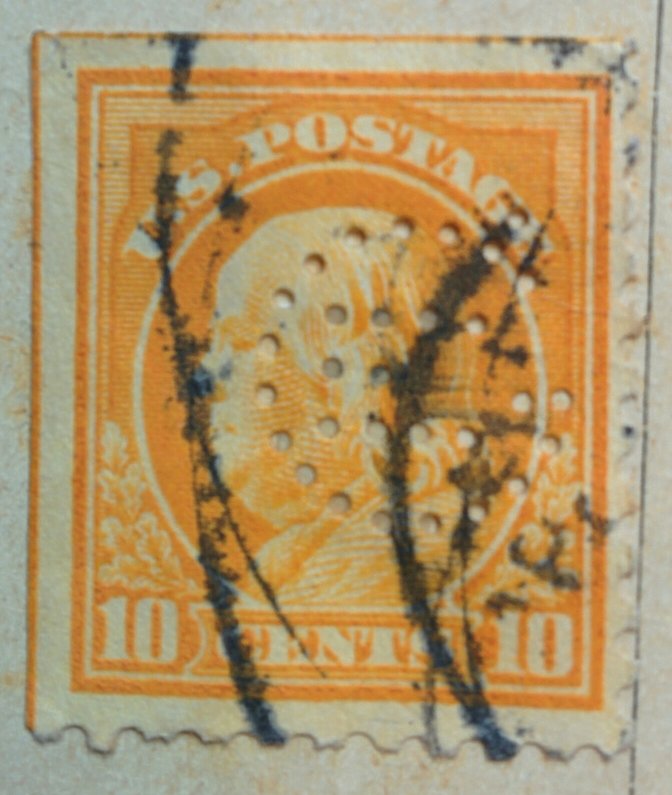
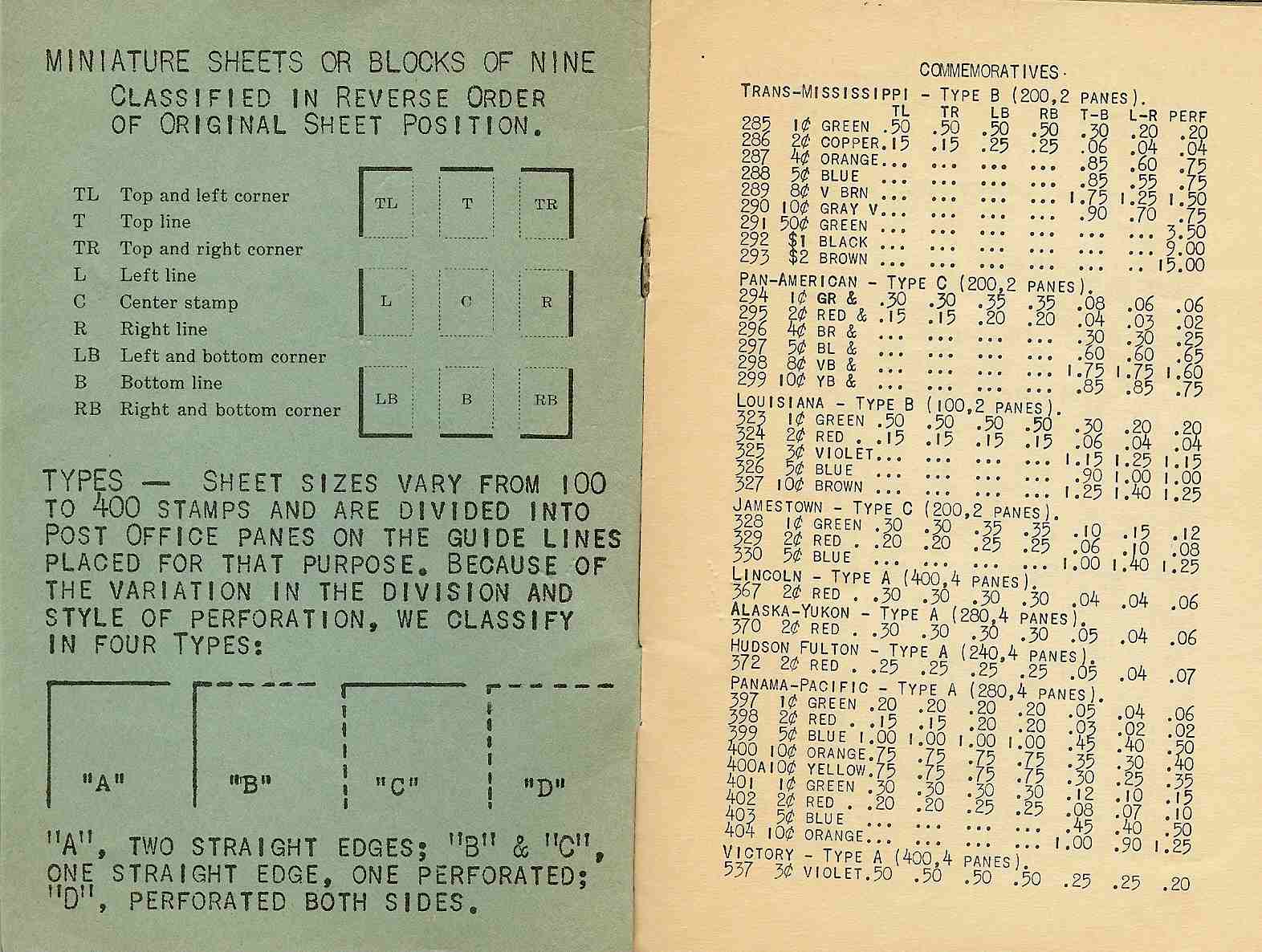
Stamps were printed in large sheets that were perforated and then cut into panes. The stamps along the cut lines had no perforations. See the images in the thread linked below, at 11/3/14 at about 12:25 am and following. Stamps on the corners had two straight edges, other stamps along the cut lines only one traight edge. Your stamp shows both cut lines, which makes it interesting as an example of how stamps were produced but does not add monetary value.
Stamps issued in booklet panes also had "natural straight edges".
A natural straight edge usually decreases value. Straight edges produced by cutting off existing perforations are damaged and worthless. You have natural straight edges.
In your case, the stamp also has a perfin (letters or numbers punched into it--companies did this to prevent theft of stamps by employees). That also decreases the value except among collectors of perfins.
So generally speaking, your stamp is worth less than it would be worth if it had perforations all around.
https://goscf.com/t/40351&





 Posted 09/12/2015 07:49 am