Quote:
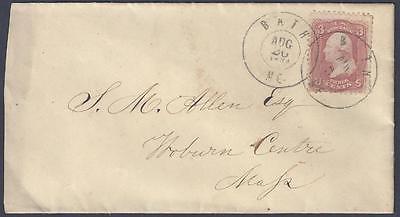
I don't profess to be an expert on the hand stamps. It just seemed like .... It just seems like ..., it seems like ...
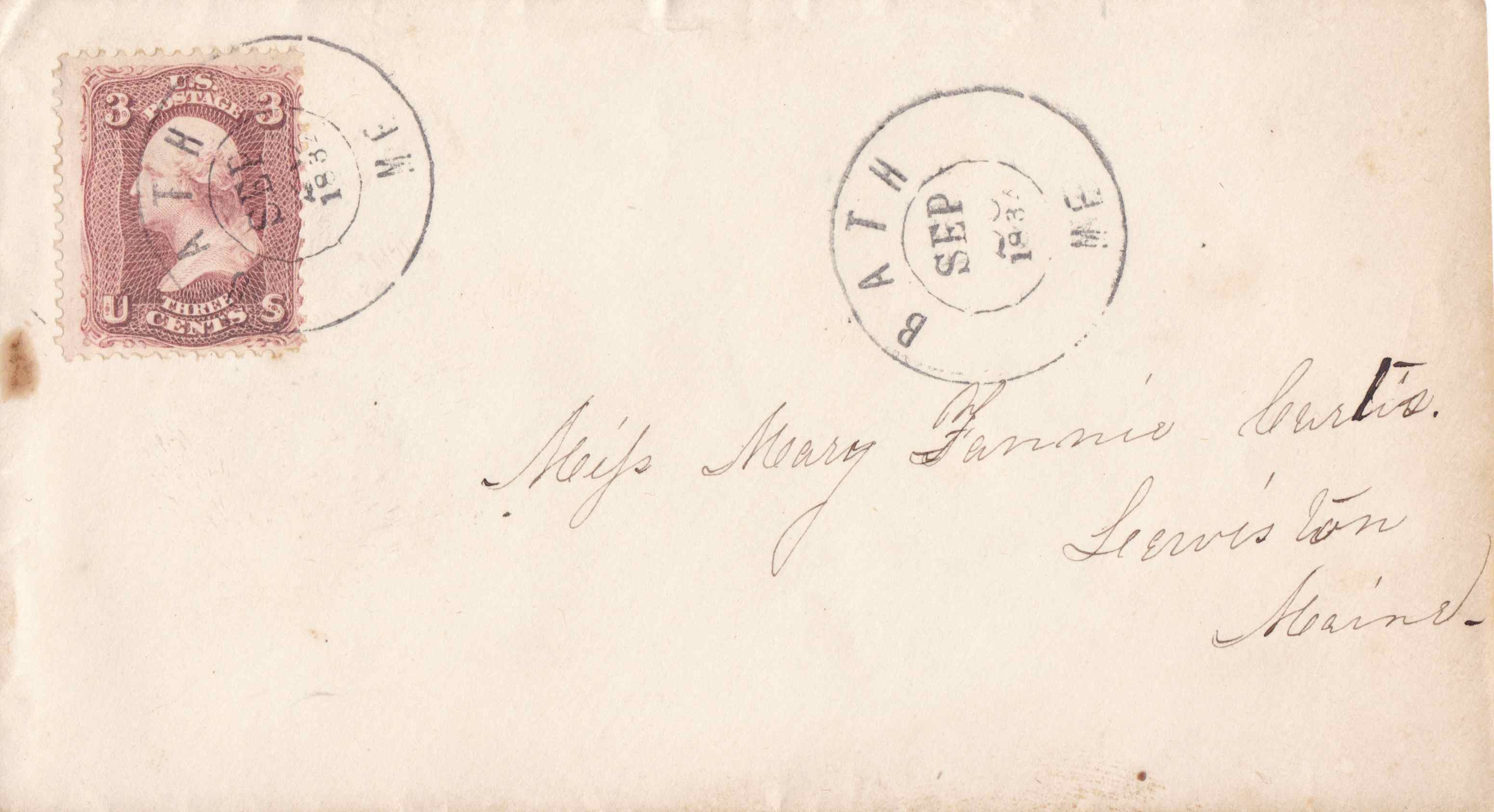
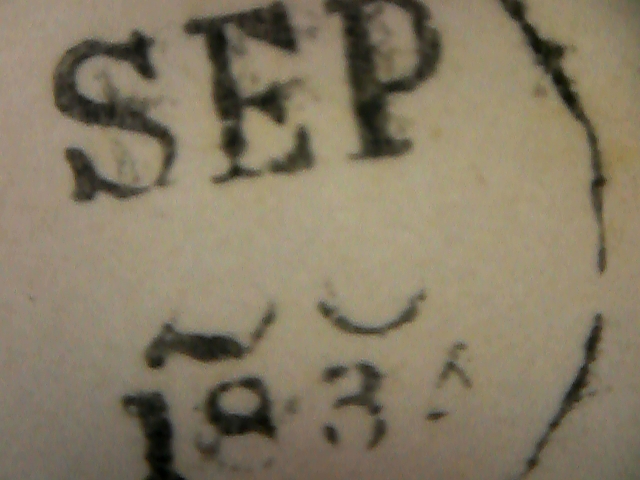
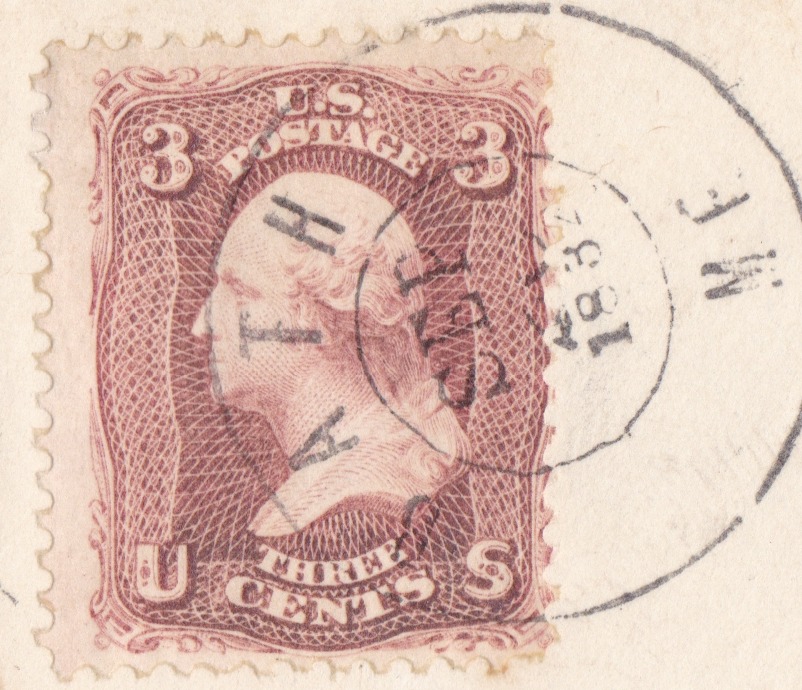
No offense, but we all can see what it "seems like." The deeper question must be, "Of what can we be sure?" Your focus is on the appearance, and your approach is to guess. I think we have more going for us than that. See below:
Quote:
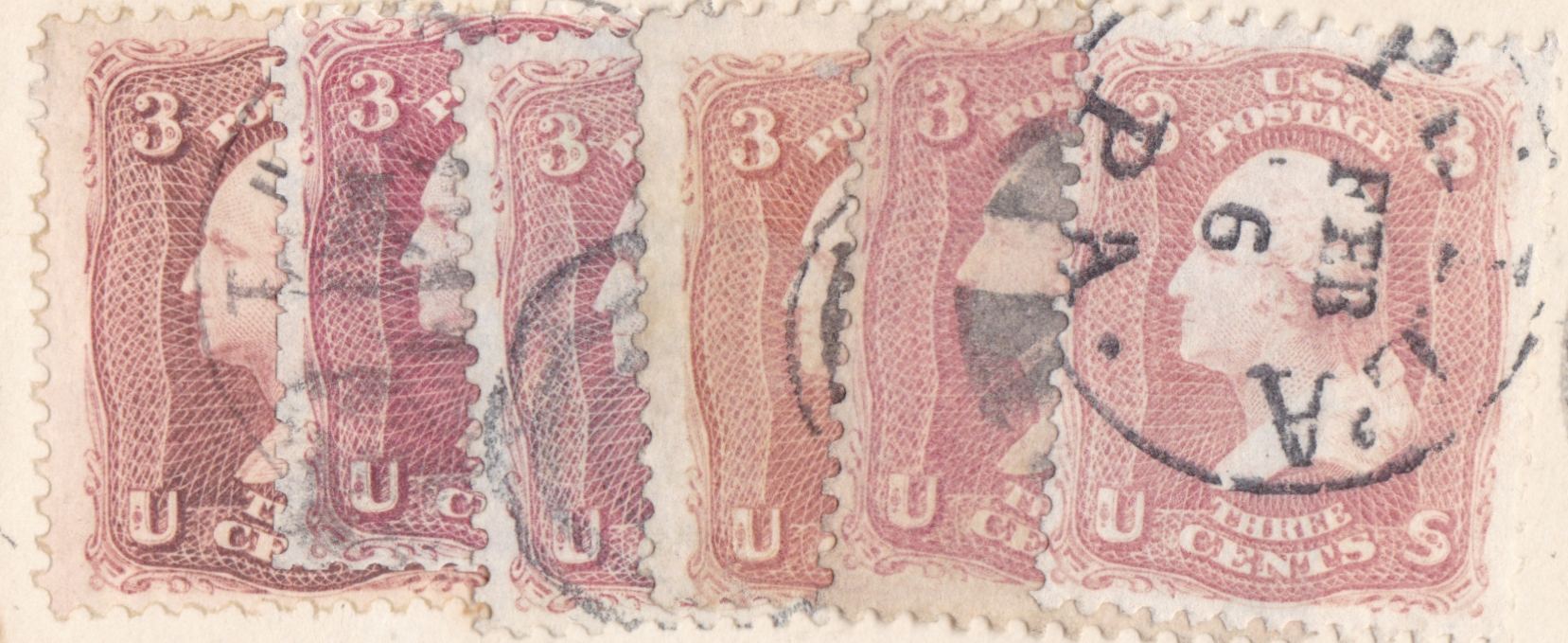
... and conclude there was a small clog of dirt on the right side of the 6, which took up ink and essentially completed the gap to appear as an 8.
Considering the way a 6 was often formed in this period, it would only have required a small fragment to bridge the gap between the upper curve and the lower body of the numeral) to create the appearance of an 8 or a three on that side of the figure.
I am inclined to think as you about some kind of adhesion affecting this numeral, but for another reason. A single adhesion could well have been in position covering much of the center of the numeral at the time of inking but before the handstamp was applied to the cover. If all but the bridge portion of the adhesion had cracked and fallen off prior to applying the handstamp to the cover, then the left side portion as we see it would not have been inked, resulting in the colorless portion we see. So the inking of an adhesion seems to be a key to understanding how this may have occurred. While we cannot be certain that this is what actually happened, it is perhaps the simplest single explanation for both phenomena at once. (Occam's razor).
Quote:
If we had earlier examples, we might be able to see that 6 change over time.
I would need to see more evidence of the probability that this happened gradually, and not in a single event, before I would attempt to gather the kind of material evidence this proposed hypothesis would require.





 Posted 03/03/2016 10:48 am