Quote:
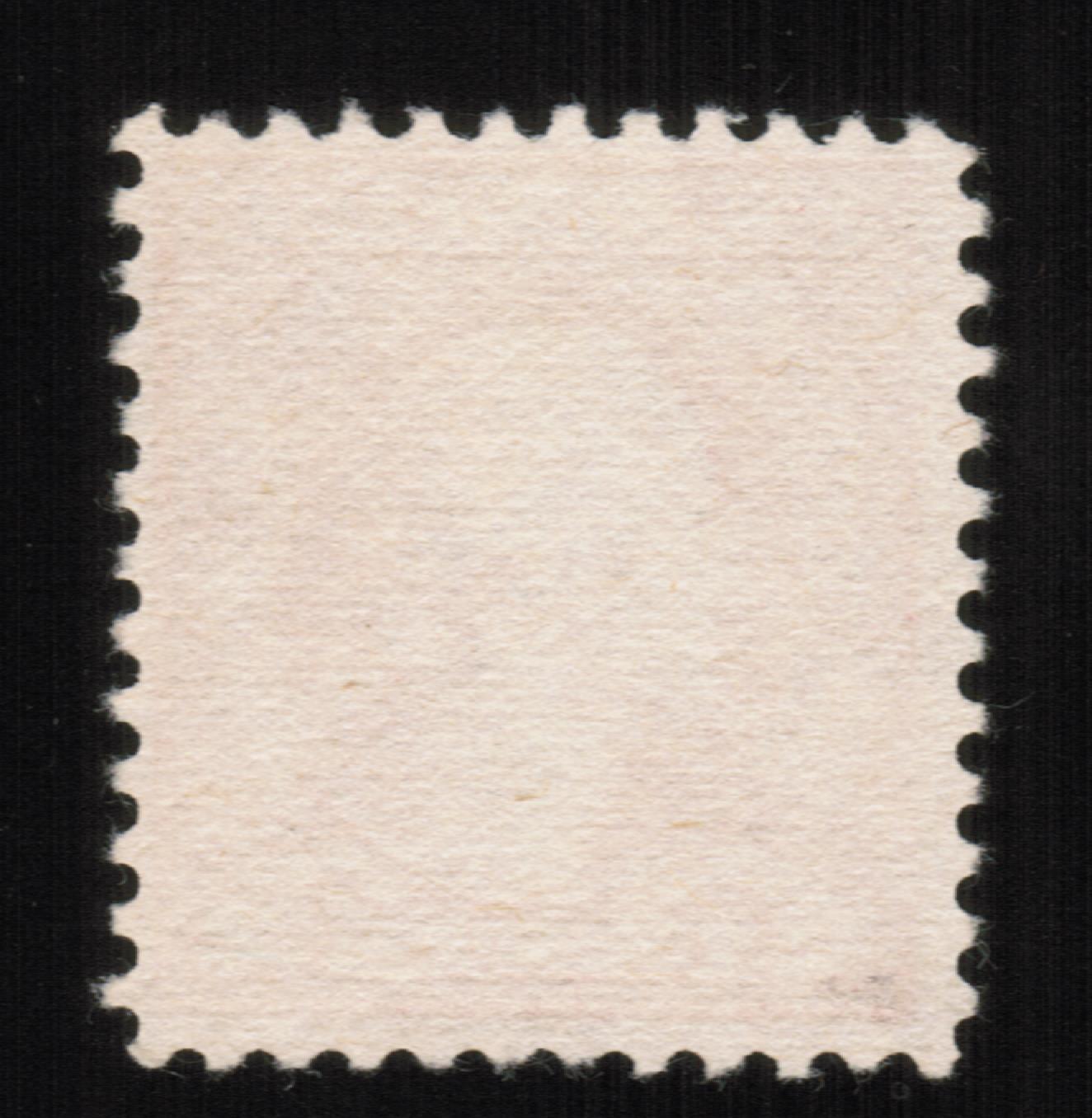
Should this stamp have gum to be MNH?
Since the letters MNH mean "
mint never hinged" they imply the presence of gum.
It is not uncommon to find stamps without gum hyped as "mint" when in truth that term implies the presence of gum. Technically it should refer to the condition of a stamp as regularly sold at the post office, which would mean full original gum without hinge marks or other disturbance.
mnh, mlh, mhh, mhr, all these are terms for unused stamps with original gum (og) and varying degrees of hinging. The reference to "hinging" should not be taken too literally, since it is not uncommon to use these grades to refer to gum disturbances due to other causes.
never hinged
lightly hinged
heavily hinged
hinge remnant
To be without gum reduces a stamp to "unused" but not "mint".
I also include stamps with partial or disturbed original gum as unused (not mint). But some sellers hype their stamps as
mdg = "mint disturbed gum," by which they mean to say that whatever gum is present is original. A more appropriate term would be "
disturbed og." In recent years I have seen increasing use of the term
ngai = "no gum as issued" in reference to stamps and proofs that should not have gum to be in their original state.
The one term that is a complete oxymoron is "mrg" <mint regummed> as a reference to a regummed unused stamp. No way is such a stamp to be called "mint," since nothing about its gum is original.





 Posted 03/06/2016 6:49 pm


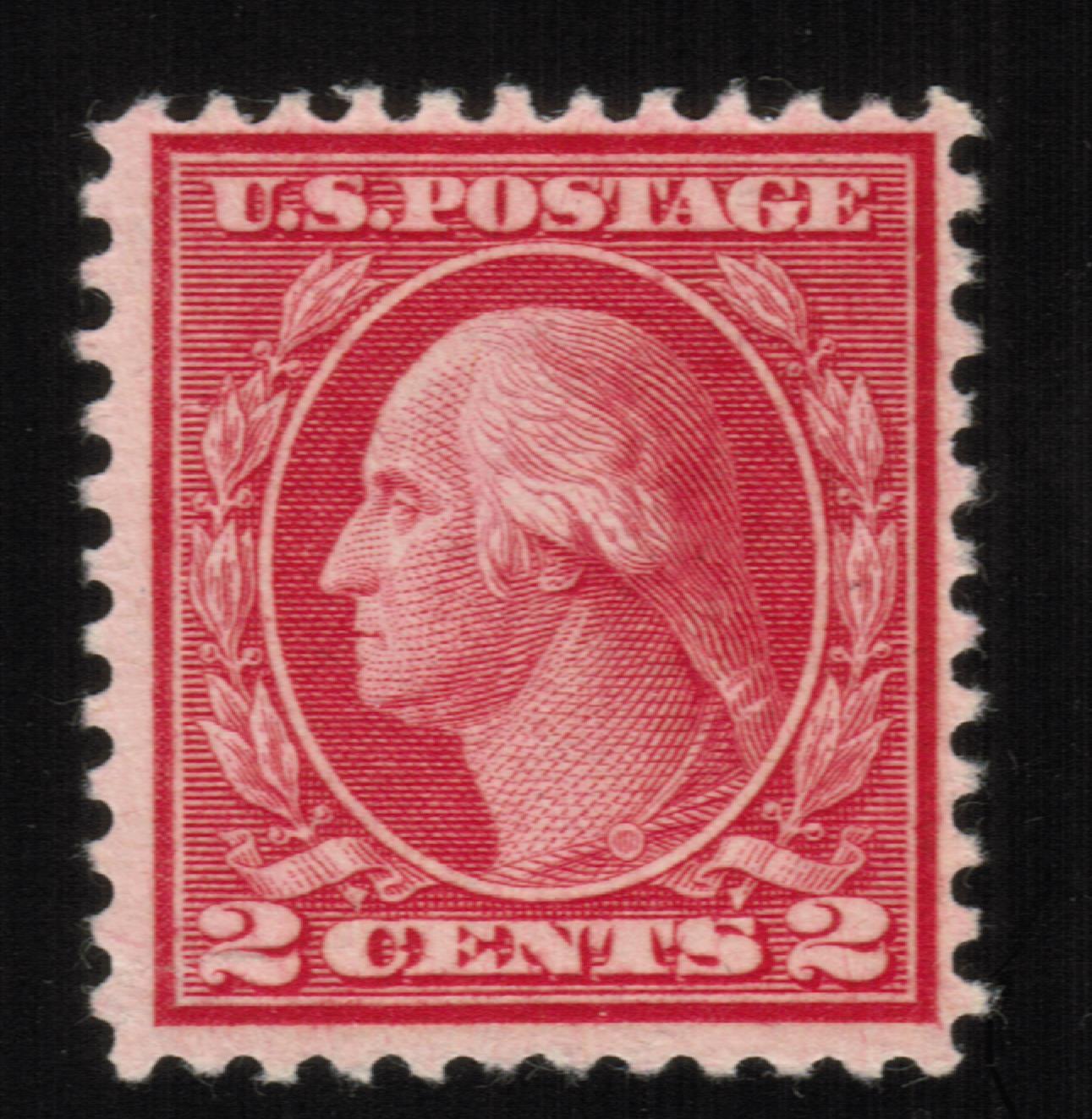
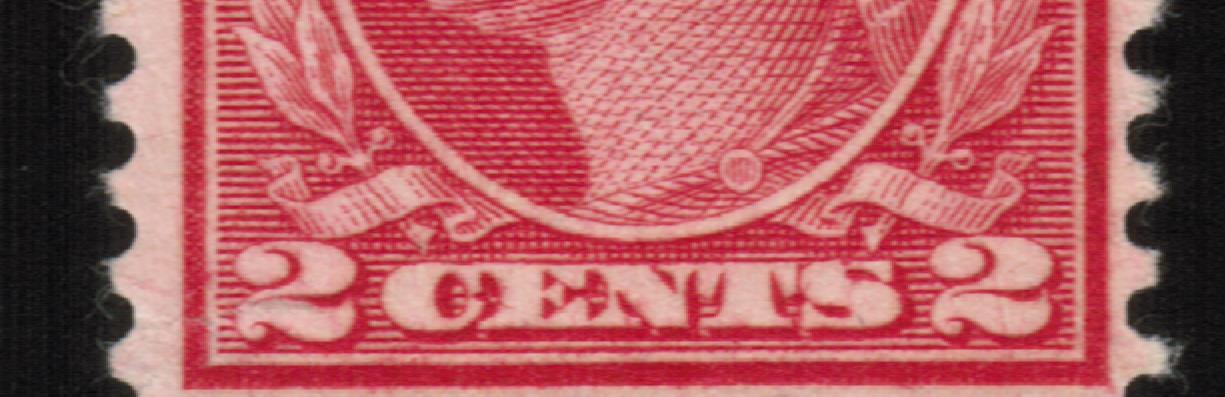


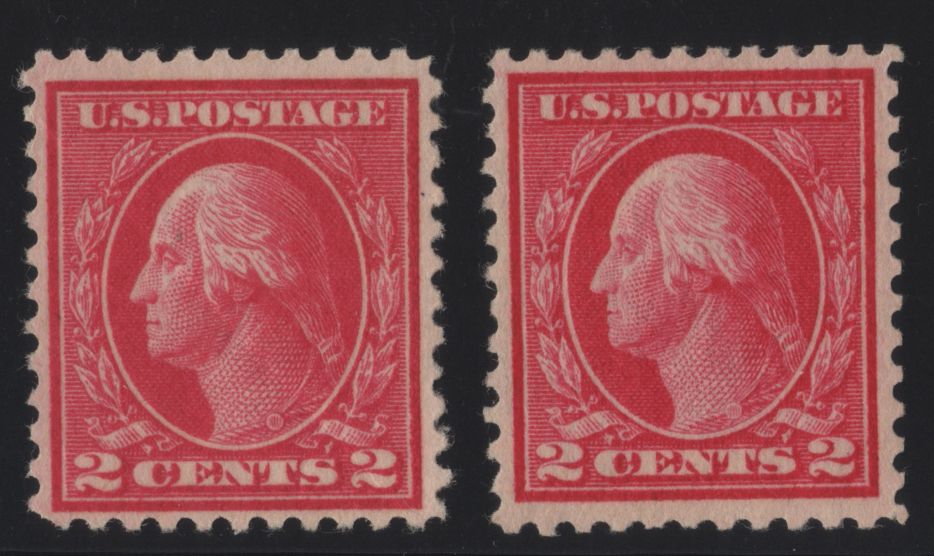
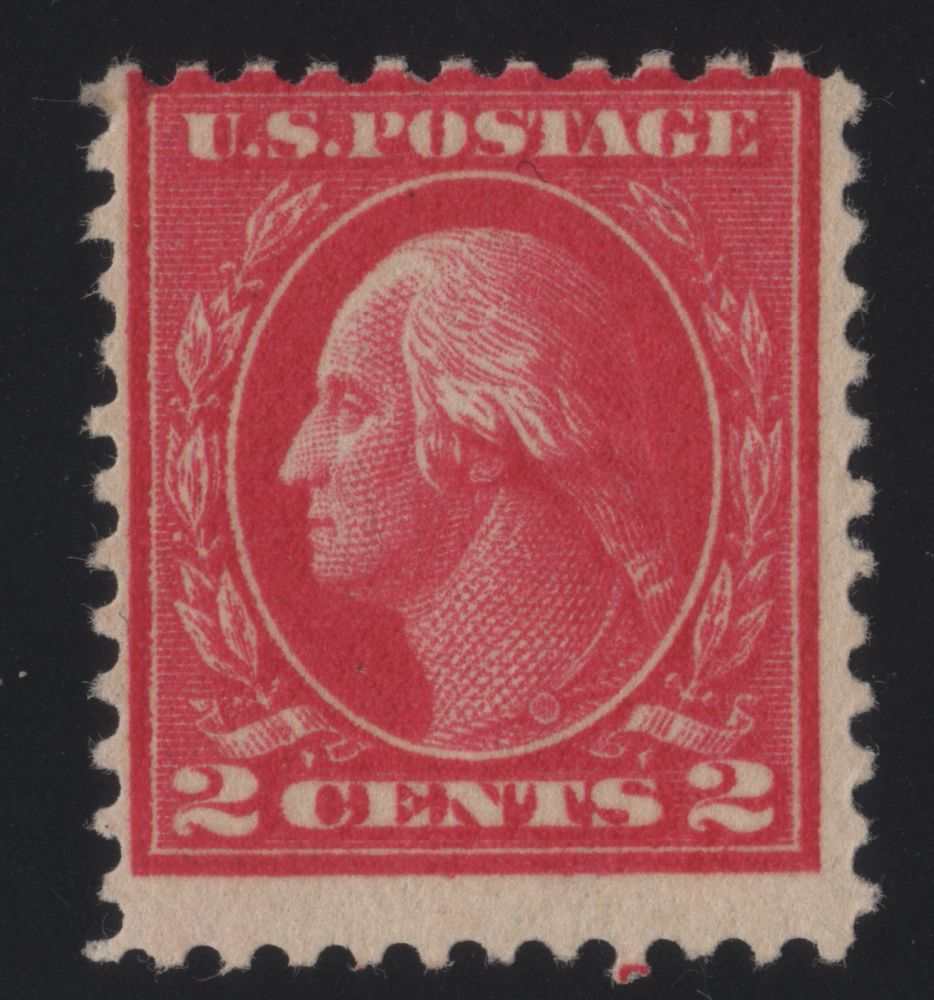


 Rotary Type III.

