| Author |
 Replies: 15 / Views: 3,577 Replies: 15 / Views: 3,577 |
|
|
Valued Member
Czech Republic
12 Posts |
|
|
|
|
Pillar Of The Community
United States
8956 Posts |
|
|
Pillar Of The Community
United States
1946 Posts |
|
|
Based on all his posts so far, he's treasure hunting.
Oto, do you actually collect US stamps? |
Send note to Staff 
|
|
|
Valued Member
Czech Republic
12 Posts |
|
|
Yes I am seeking treasures and history of US stamps and colonies. Czech Republic is the expert on US stamps thanks |
|
Send note to Staff
|
|
|
Valued Member
Czech Republic
12 Posts |
|
|
Moderator

United States
12330 Posts |
|
|
I was going to post this on my web site but this thread seems appropriate...
Hey, I think I have a rare stamp!
One of the many enjoyable aspects of stamp collecting is the 'hunt' for rare stamps; many collectors dream of the day they may stumble upon that rare stamp that becomes the crown jewel of their collection. But reality is a bit more harsh - rare stamps are exactly that, rare. While it is always fun to hope, taking the proper approach in identifying our stamps will ultimately save time and many hassles.
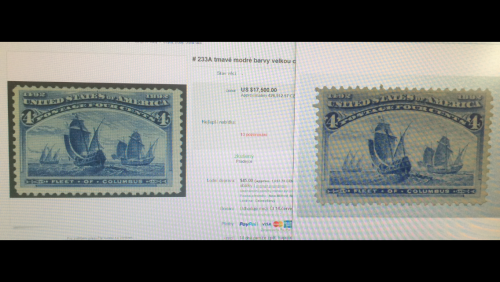
A common mistake for some hobbyists is to begin with the assumption that they have rare stamp(s). This often leads to the hobbyist dashing online, seeing illustrations (and prices) of a rare stamp, and then thinking that this matches what they have in front of them. Once this thought process has taken hold it becomes more difficult to consider the more likely scenarios. The excitement of thinking that you have a rare stamp will cloud your judgment and make unbiased conclusions difficult at best.
It is far better to approach your identification under the assumption that you have the most common stamp variety. If you do any online searches, look for the lowest prices for a stamp that looks similar to yours. Note the catalog number and then begin learning more about any other possible varieties. Use the process of elimination but start with the most common stamp and work towards the less common varieties.
If you still feel you have a rare stamp your next decision is to decide if you spend money on getting it certified. This is the point where you might want to ask for opinions in public forums; they can help you decide if you should invest in a certification. (But it should be noted that these opinions should never be a substitution for getting the stamp certified.)
Don
|
|
Send note to Staff
|
| Edited by 51studebaker - 07/02/2016 5:28 pm |
|
|
Valued Member
Czech Republic
12 Posts |
|
|
Valued Member
Czech Republic
12 Posts |
|
|
Pillar Of The Community
United States
8956 Posts |
|
|
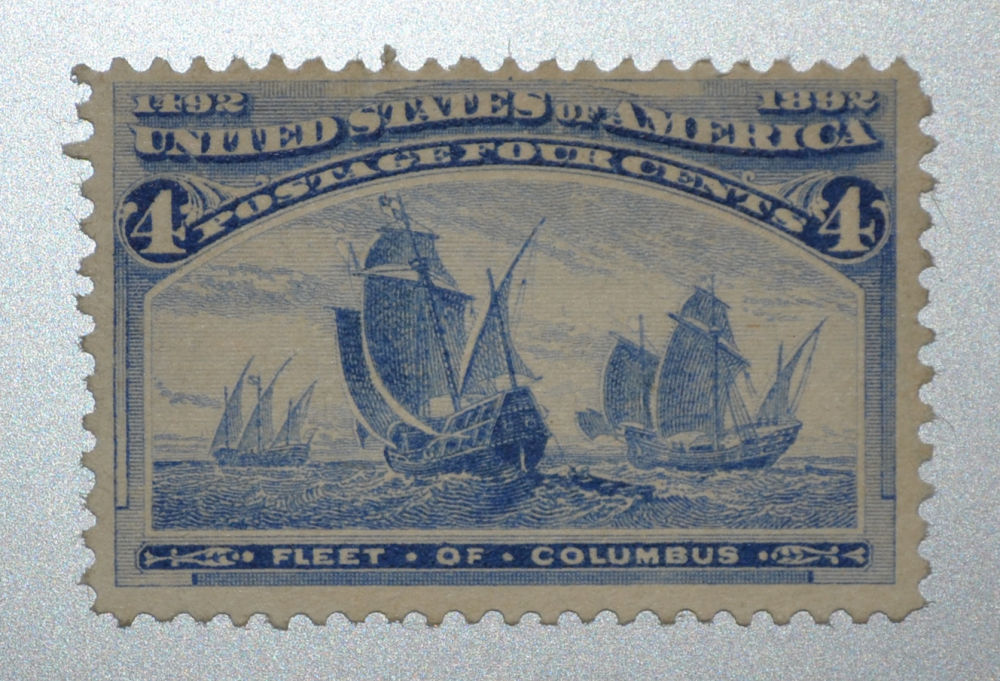
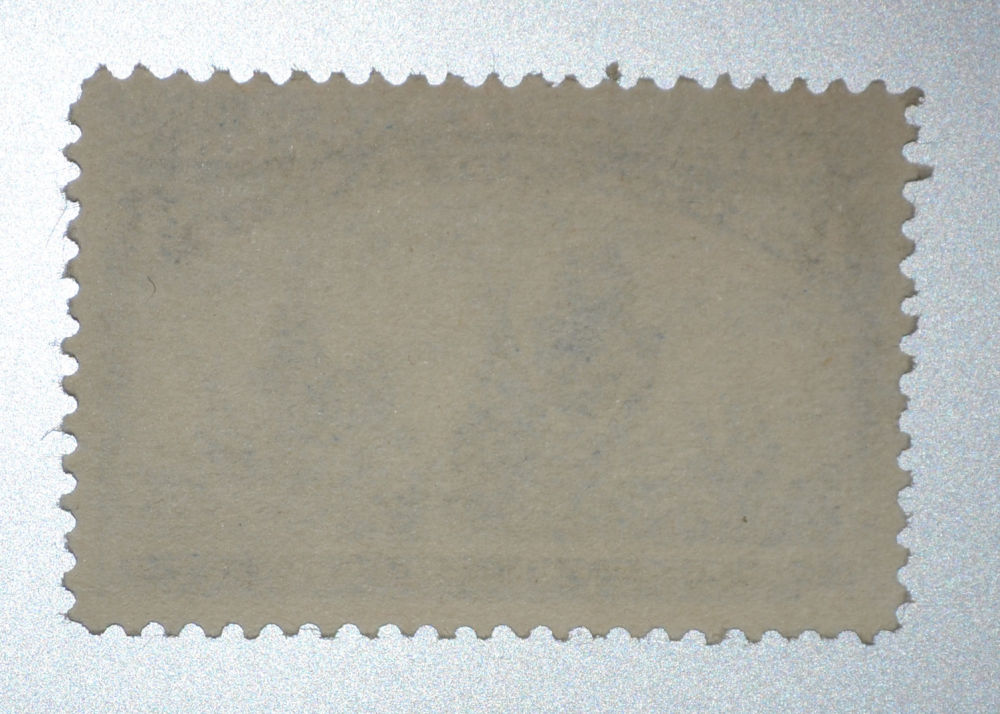
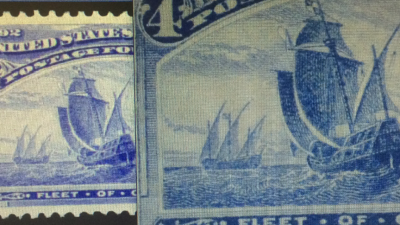
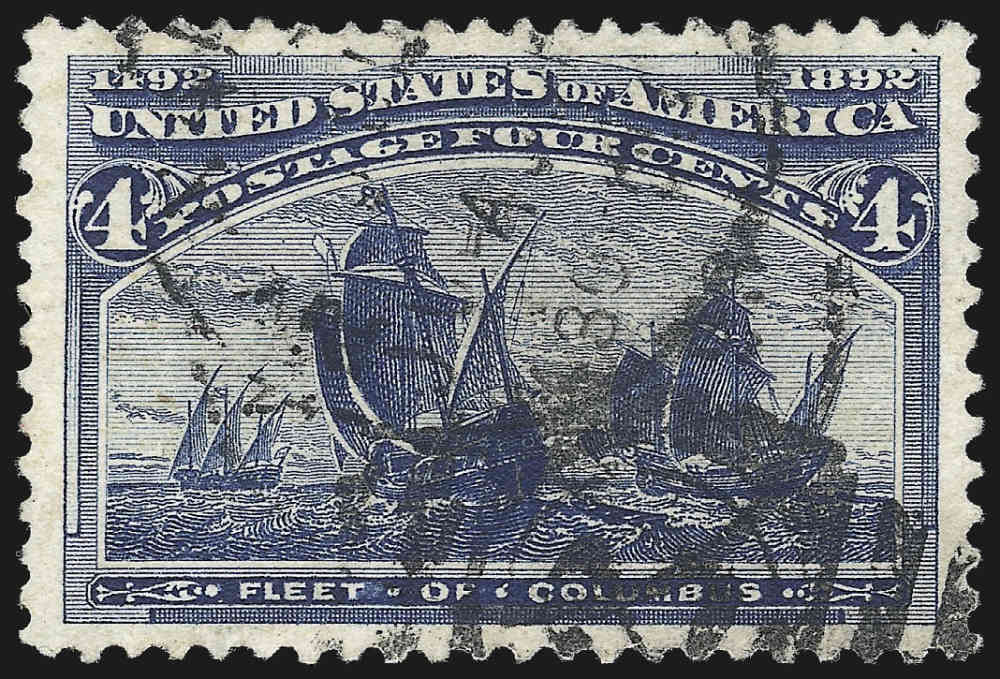
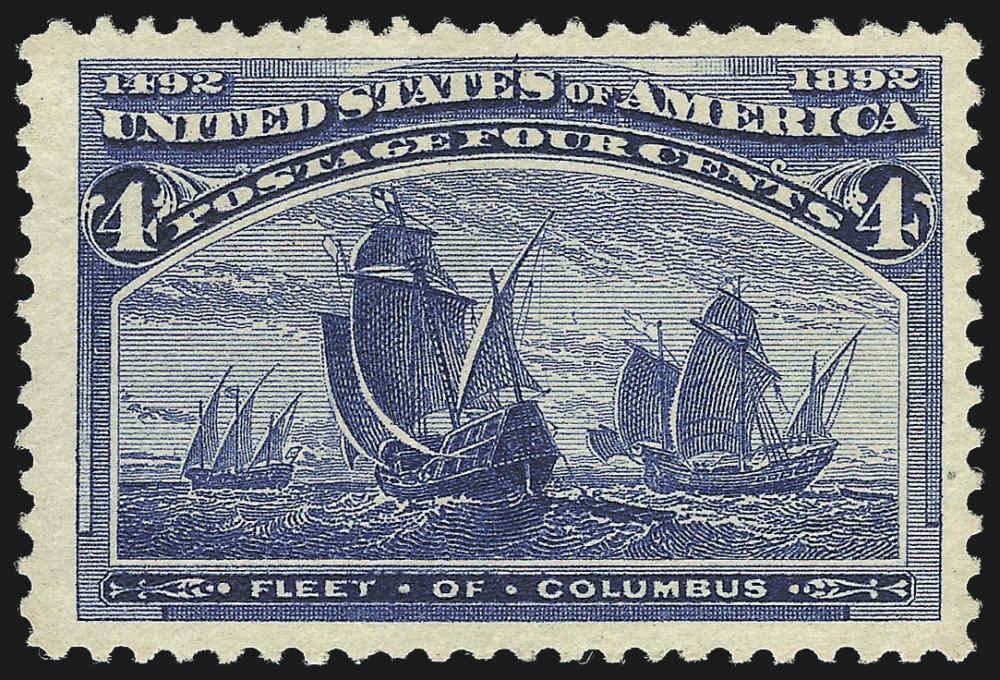
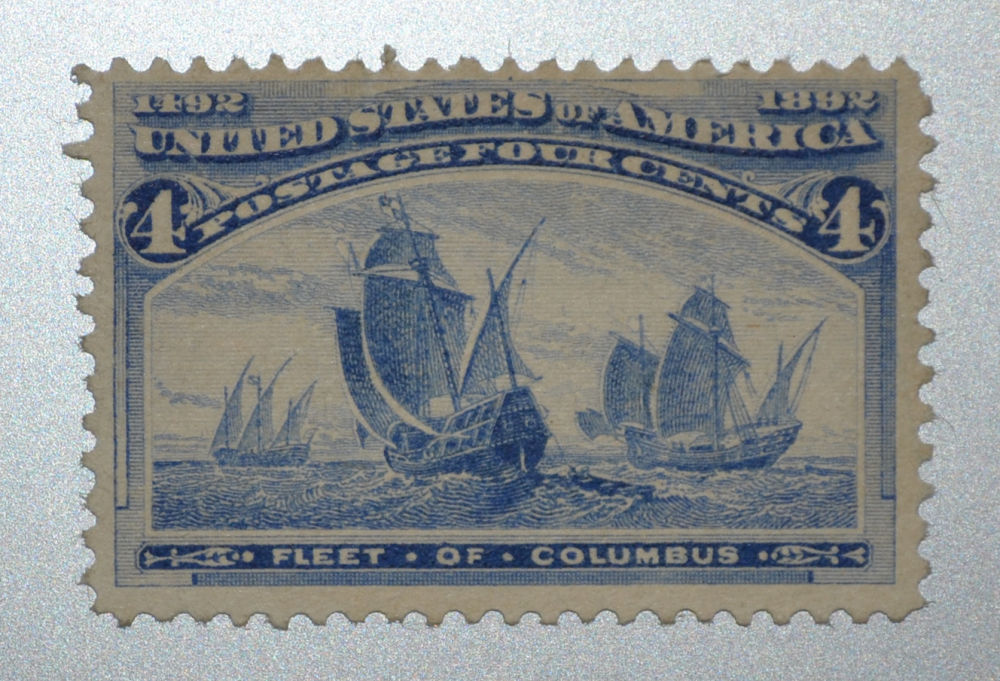
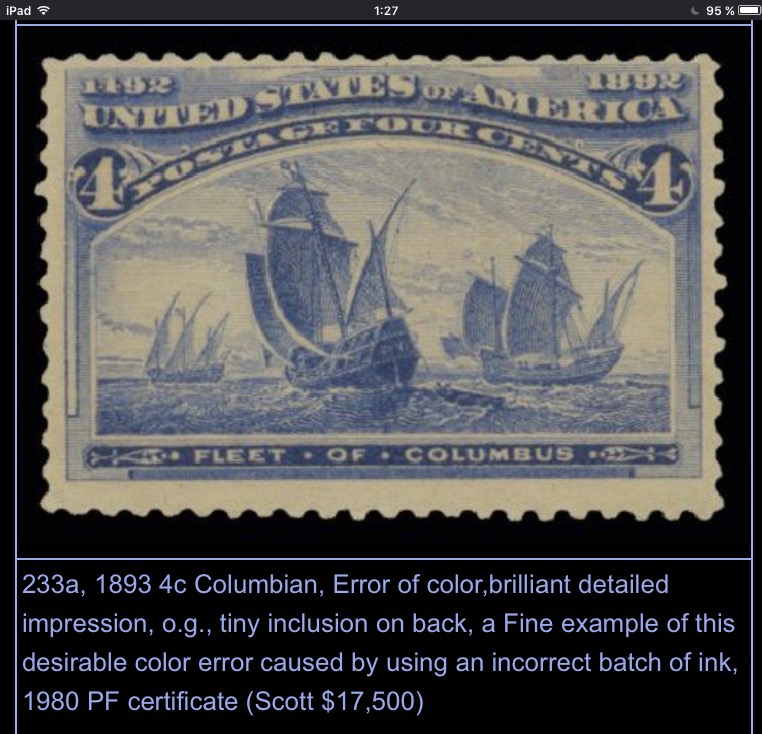
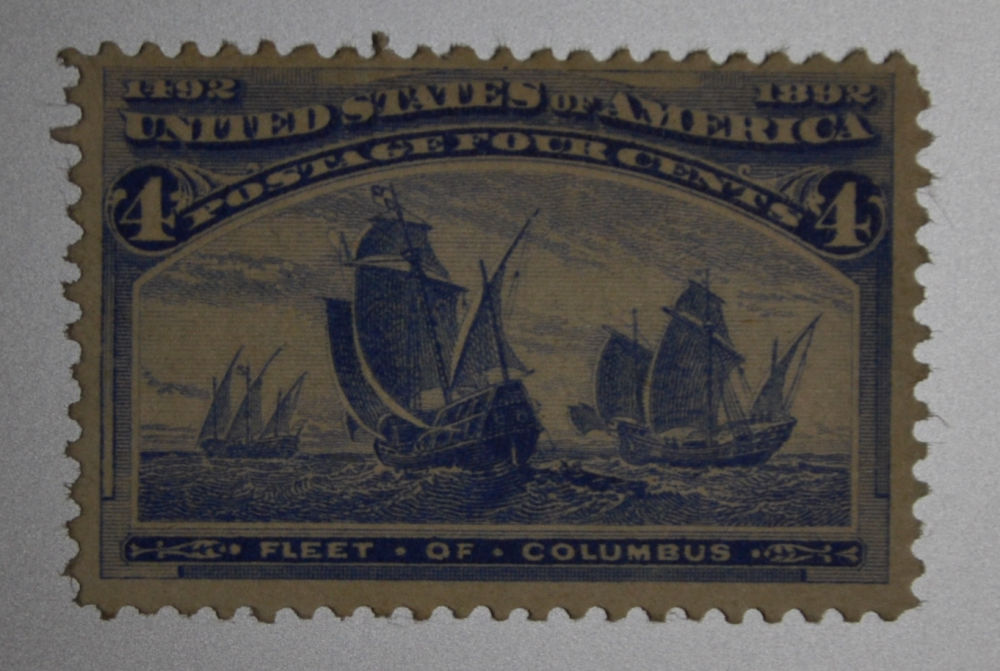
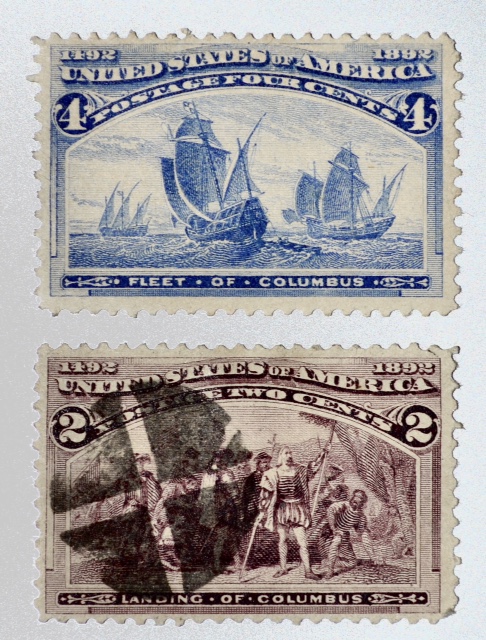
OTO, I do not see an error of color. What exactly do you see that makes you ask this question? The stamps you show above all are the same color - some are badly soiled.
Peter |
|
Send note to Staff
|
|
|
Valued Member
Czech Republic
12 Posts |
|
|
Pillar Of The Community

United States
5472 Posts |
|
|
Valued Member
Czech Republic
12 Posts |
|
|
Pillar Of The Community
United States
8956 Posts |
|
|
Pillar Of The Community
United States
940 Posts |
|
|
If you are really convinced that you have the rare colored stamp, in spite of all the advise from the experienced people in this forum you should send it in for a cert. You will not be able to sell it without a cert.
However you should remember that colors on a screen look different from one stamp to another.
Also note that Scott lists a "deep ultramarine" variety. You are much more likely to have this than the blue error. |
|
Send note to Staff
|
|
|
Valued Member
Czech Republic
12 Posts |
|
|
Valued Member
Canada
290 Posts |
|
| |
Replies: 15 / Views: 3,577 |
|



 Posted 07/02/2016 4:07 pm