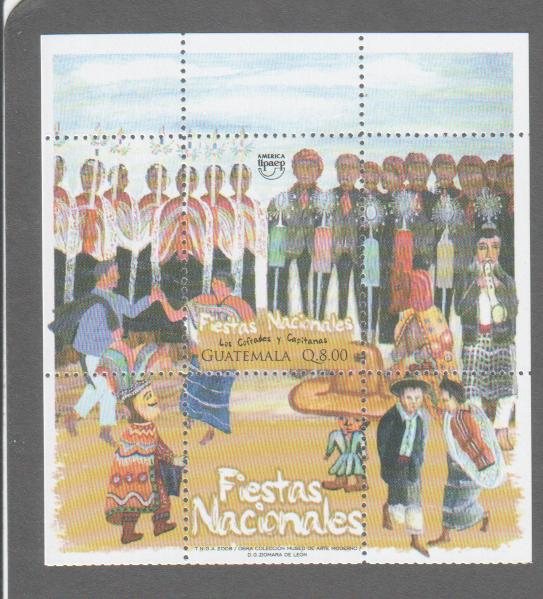
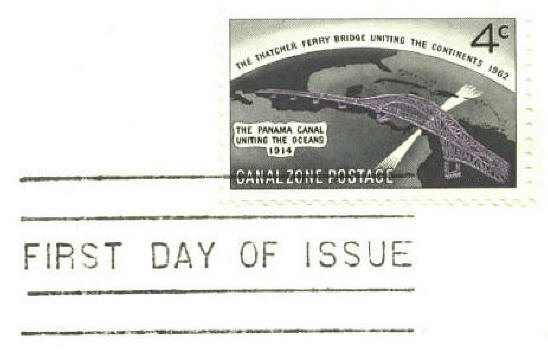
A very debated subject as to what qualifies as an error and what is just a freak or oddity (apparently the term oddity was likely just included because EFO sounded like UFO

.) Then there are also varieties.
There is no standard to my knowledge of "true" errors. Any variation or error on a stamp is usually discovered by normal people buying stamps - if they're discovered by the P.O. before release they normally get destroyed. Once an error is discovered, it's then up to the philatelic community and experts at the major catalogue publishers to decide if it qualifies as an error, so each case would be looked at individually. Only major errors make it into the catalogue, although there are many minor ones that don't. Some of these make it into specialist catalogues.
An error can occur at virtually any stage of the stamp production process, even the very designing stage. Wrong paper used, faults with the actual paper making process, multi part dies being put together wrongly (eg wrong value or invert), wrong colour etc. The list of posible things that can go wrong is a long one.

Things that are not considered errors but rather variations include plate flaws. So cracked plate, plate wear, retouches etc, although listed and collected as varieties and often commanding higher prices, are not considered as errors.
It's a long complex topic.

As to imperfs that have perfs, if that's what you're referring to, most of these are the results of early perforation experiments or unofficial perforation machines - although many imperf designs were later issued perforated, so without knowing the stamp in question it's difficult to answer.
Probably hasn't really answered your question, but hope it's of some help.
Balf





 Posted 08/30/2009 01:17 am


 =
=


 and Balf
 So far, 7 copies were identified out of 5,000 total printed. All S/S are distributed through the Philatelic office at the Central Post Office.