| Author |
 Replies: 28 / Views: 4,015 Replies: 28 / Views: 4,015 |
|
|
|
Pillar Of The Community
Israel
4900 Posts |
|
|
Quote:
In Greek mythology, the Niobids were the children of Amphion of Thebes and Niobe, slain by Apollo and Artemis because Niobe, born of the royal house of Phrygia, had boastfully compared the greater number of her own offspring with those of Leto, Apollo's and Artemis' mother: a classic example of hubris.
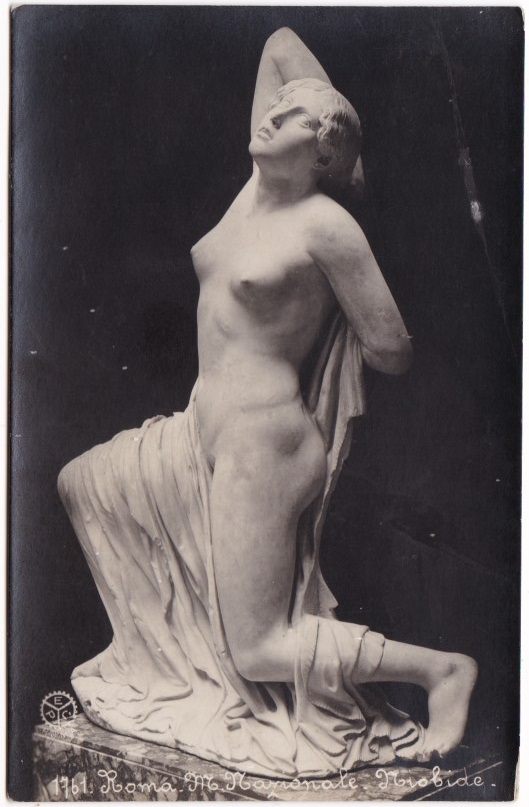
The number of Niobids mentioned most usually numbered twelve (Homer) or fourteen (Euripides and Apollodorus), but other sources mention twenty, four (Herodotus), or eighteen (Sappho). Generally half these children were sons, the other half daughters. The Dying Daughter of Niobe, 5th century BC Greek statue from the Horti Sallustiani, National Museum of Rome, Palazzo Massimo Alle Terme, Rome, Italy 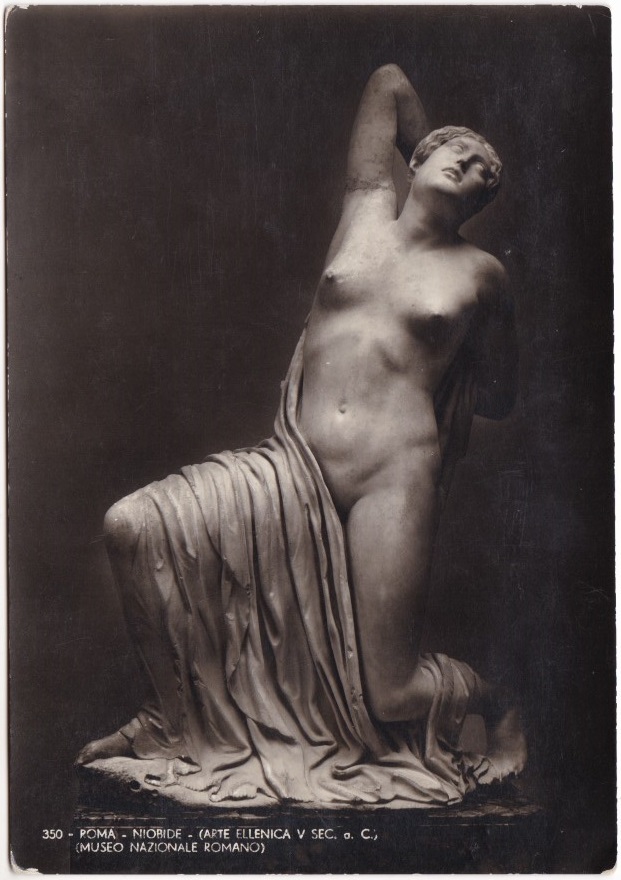
 |
Send note to Staff 
|
|
|
Pillar Of The Community
Israel
4900 Posts |
|
|
Quote:
The Abduction of Persephone
Persephone (Roman: Proserpina), daughter of Demeter, agriculture goddess, and Zeus, was abducted by Hades, the underworld god. When Demeter complained to Zeus, he ordered that Hades should release Persephone at least part of the year. Since, Persephone spends one-third of each year in the underworld, and two-thirds with her mother. While Persephone is in the underworld, Demeter mourns and refuses to allow crops to grow. This myth explains the yearly cycle of growth, harvest, and winter. The Abduction of Proserpina or the Rape of Proserpina, sculpture by Gian Lorenzo Bernini (1598 – 1680), Galleria Borghese, Rome 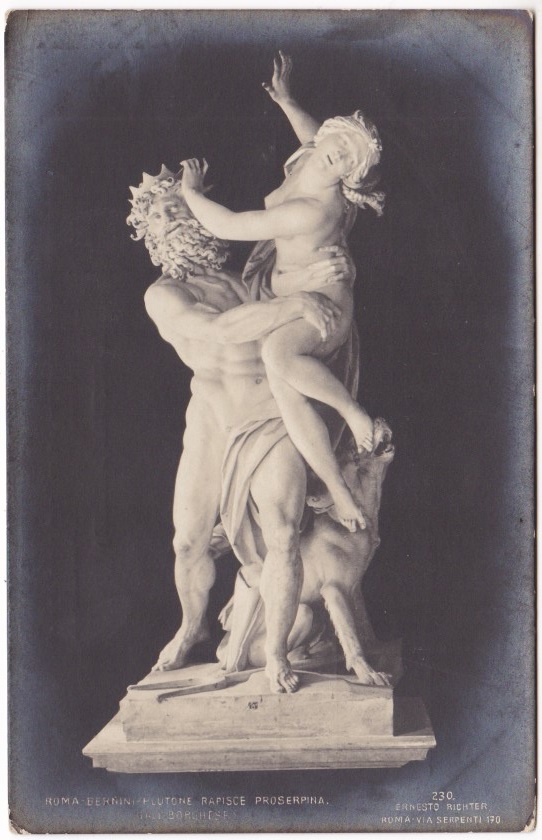
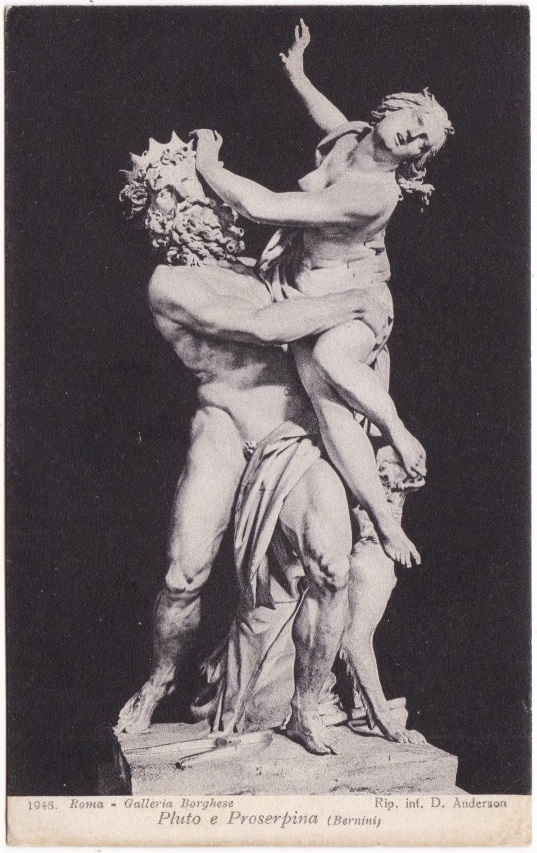 This is one of my favorite sculptures, with accurate details (look at Hades hand clutches Proserpina's leg). Here is a photo I took several years ago while visiting the Galleria Borghese: 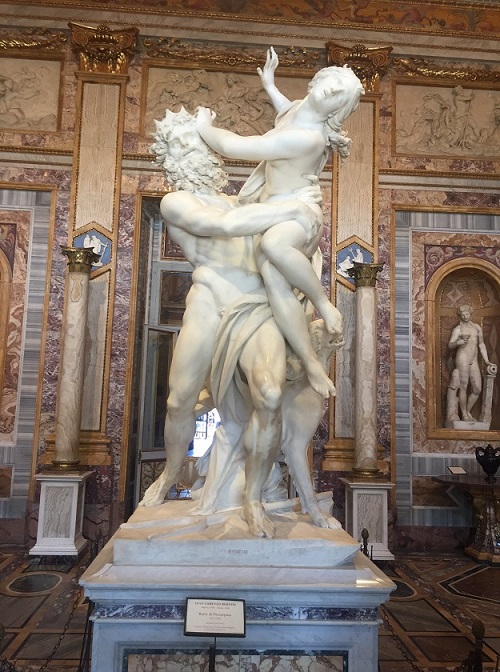 |
|
Send note to Staff
|
| Edited by LaoPhil - 06/01/2024 09:40 am |
|
|
Pillar Of The Community
Israel
4900 Posts |
|
|
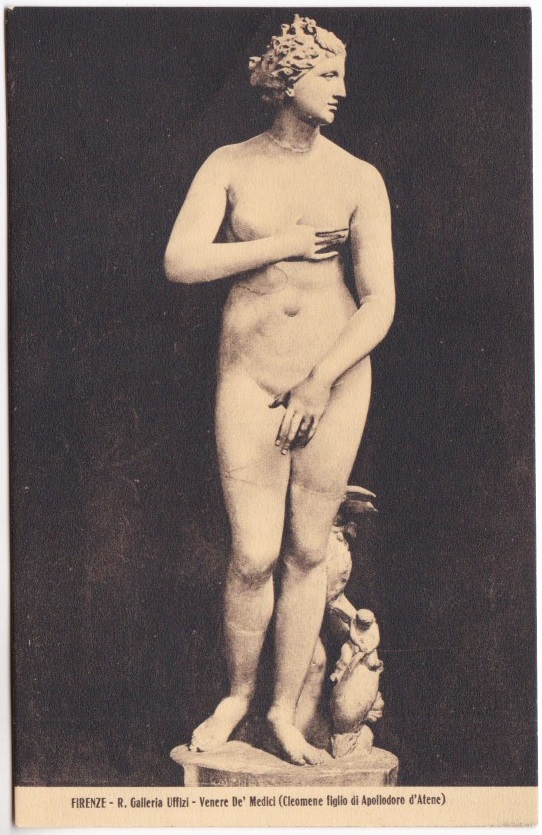
Venus Pudica The Venus de' Medici or Medici Venus is a Hellenistic marble sculpture depicting the Greek goddess of love Aphrodite. It is a 1st-century BC marble copy, perhaps made in Athens, of a bronze original Greek sculpture, following the type of the Aphrodite of Knidos, which would have been made by a sculptor in the immediate Praxitelean tradition, perhaps at the end of the century. It is housed in the Uffizi Gallery, Florence, Italy. 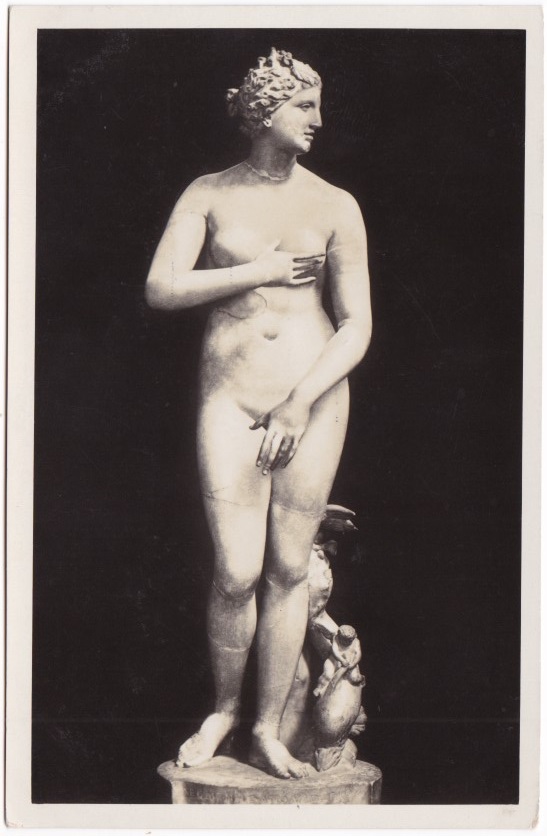
 |
|
Send note to Staff
|
|
|
Pillar Of The Community
Israel
4900 Posts |
|
|
Pillar Of The Community
Israel
4900 Posts |
|
|
Quote:
Leda and the Swan
Leda was daughter of the Aetolian King Thestius, and wife of King Tyndareus of Sparta. Leda was admired by Zeus, who seduced her in the guise of a swan. As a swan, Zeus fell into her arms for protection from a pursuing eagle.
Leda consummation, on the same night as she lay with her husband Tyndareus, resulted in two eggs from which hatched Helen (later known as the beautiful "Helen of Troy"), Clytemnestra, and Castor and Pollux, also known as the Dioscuri means children of god (Zeus). Leda and the Swan, marble statue by Bartolomeo Ammannati ( 1511 – 1592) , Bargello National Museum, Florence 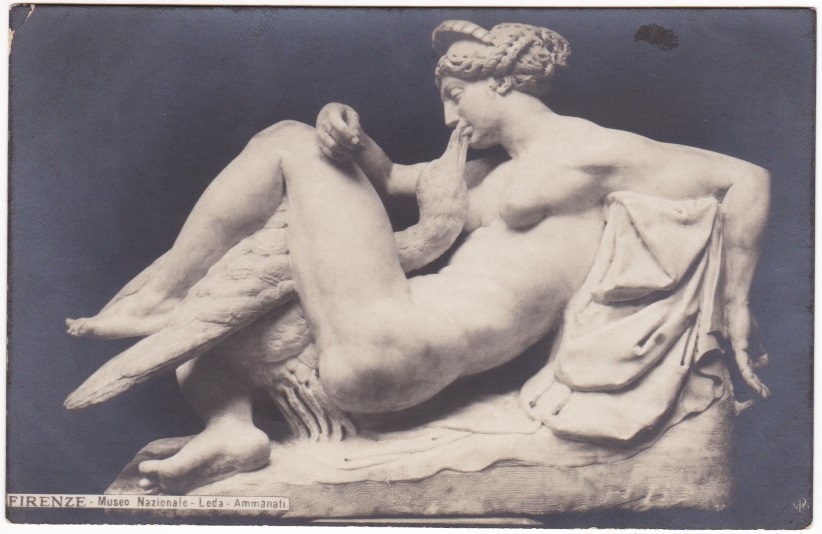 |
|
Send note to Staff
|
|
|
Pillar Of The Community
Israel
4900 Posts |
|
|
All You Need Is Love.... Young girl with Amor (Cupid), god of desire, erotic love, attraction and affection, by Gustave Crauk (1827 – 1905), Museum of Luxembourg 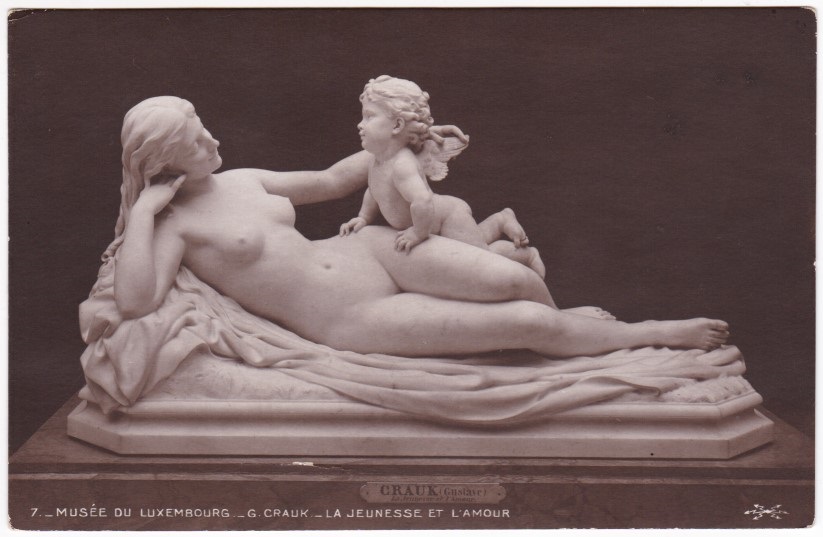 Bacchante (Meanad), female follower of Bacchus (Dionysus), by Paul Moreau-Vauthier (1871 – 1936), Museum of Luxembourg 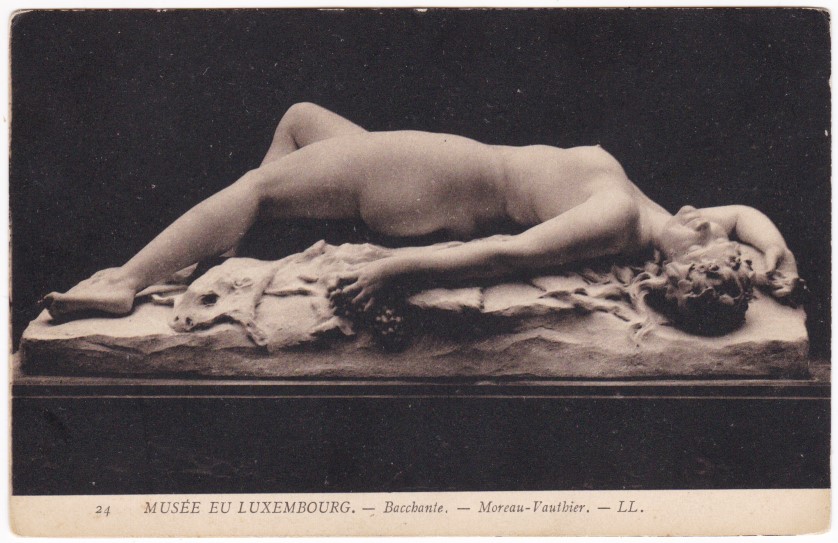 The immortality, by Léon-Eugène Longepied (1849 - 1888), Museum of Luxembourg 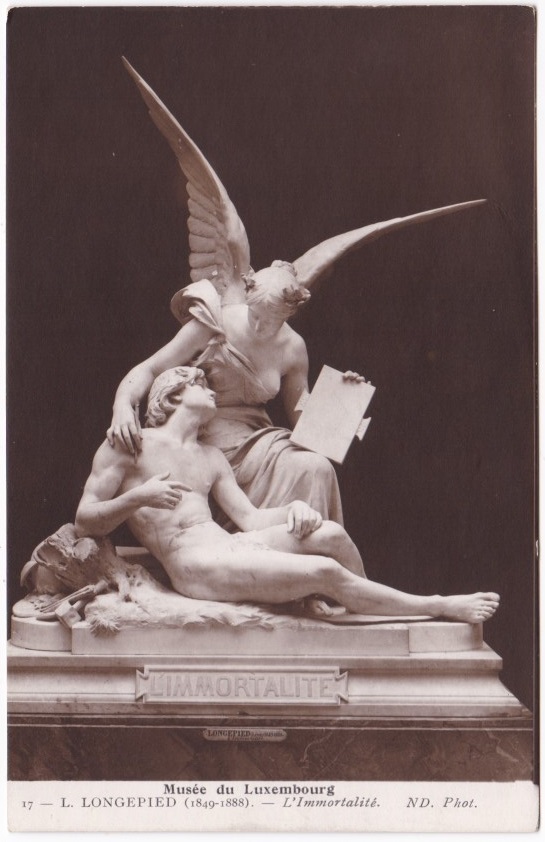 Allegory of astronomy, Monument Mussotti, by Giovanni Dupré (1817 – 1882), Cemetery of Pisa, Italy 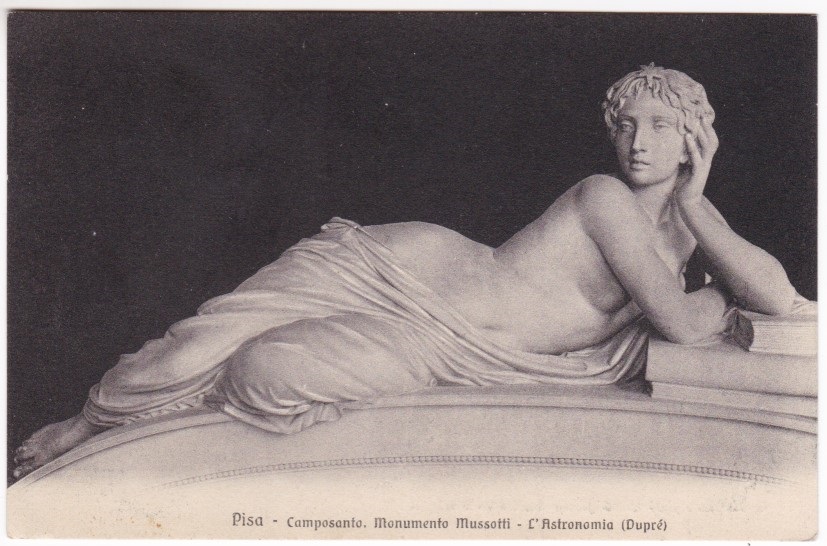 |
|
Send note to Staff
|
|
|
Pillar Of The Community
Israel
4900 Posts |
|
|
Quote:
Electra, daughter of King Agamemnon and Queen Clytemnestra of Mycenae, was the sister of Iphigenia, Chrysothemis, and Orestes. She and Orestes planned to murder their mother and her lover, Aegisthus, to avenge their father's death. Clytemnestra had killed Agamemnon and his concubine Cassandra upon their return from Troy, in revenge for Agamemnon sacrificing their daughter Iphigenia to Artemis.
Electra and Orestes sought refuge in Athens, and when Orestes was 20, the Oracle of Delphi instructed him to avenge his father's death. With the help of his cousin Pylades, Orestes killed Clytemnestra and Aegisthus. However, Clytemnestra cursed Orestes, causing the Furies to chase him for committing matricide. Electra, unaffected by the Furies, later married Pylades. Orestes and Electra, Roman Imperial Period, National Museum of Rome 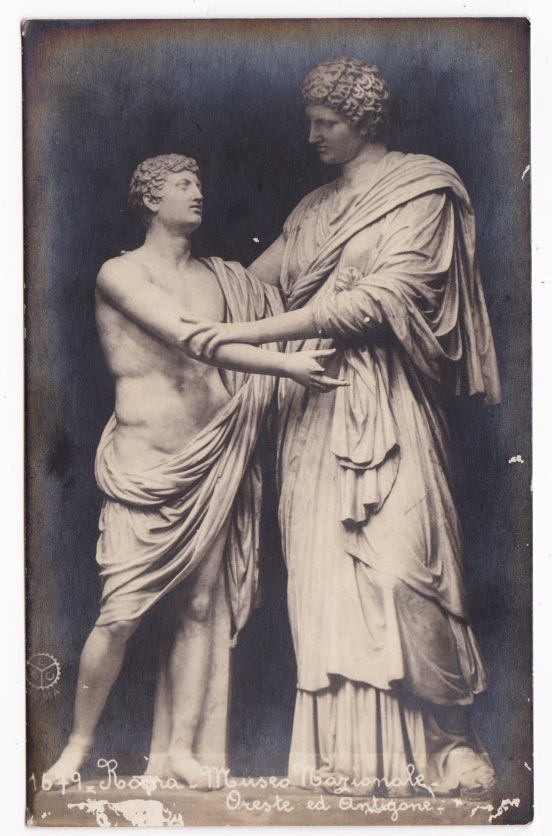 |
|
Send note to Staff
|
|
|
Pillar Of The Community
Israel
4900 Posts |
|
|
In Greek mythology, a satyr, also known as a silenus, is a male nature spirit with ears and a tail resembling those of a horse, as well as a permanent, exaggerated erection. In my collection, two PC's show two different satyr statues. I don't know the rules in SCF about showing erotic images, hence I covered part of each postcard. If the mods allow, I will replace them with the uncovered postcards. Satyr, Athens archaeological museum, Greece: 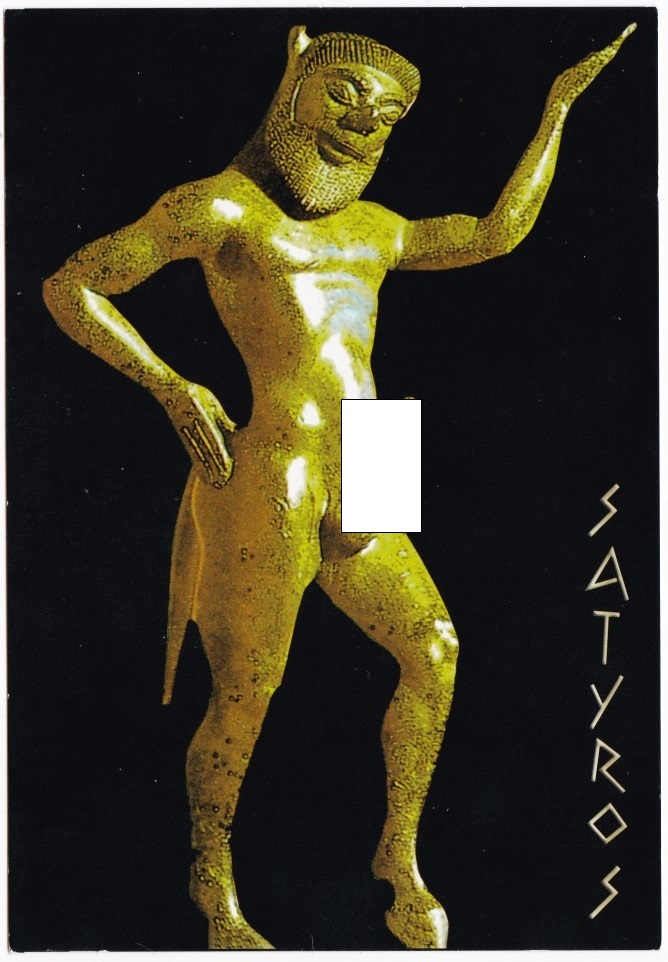 Satyr, Olympia archaeological museum, Greece: 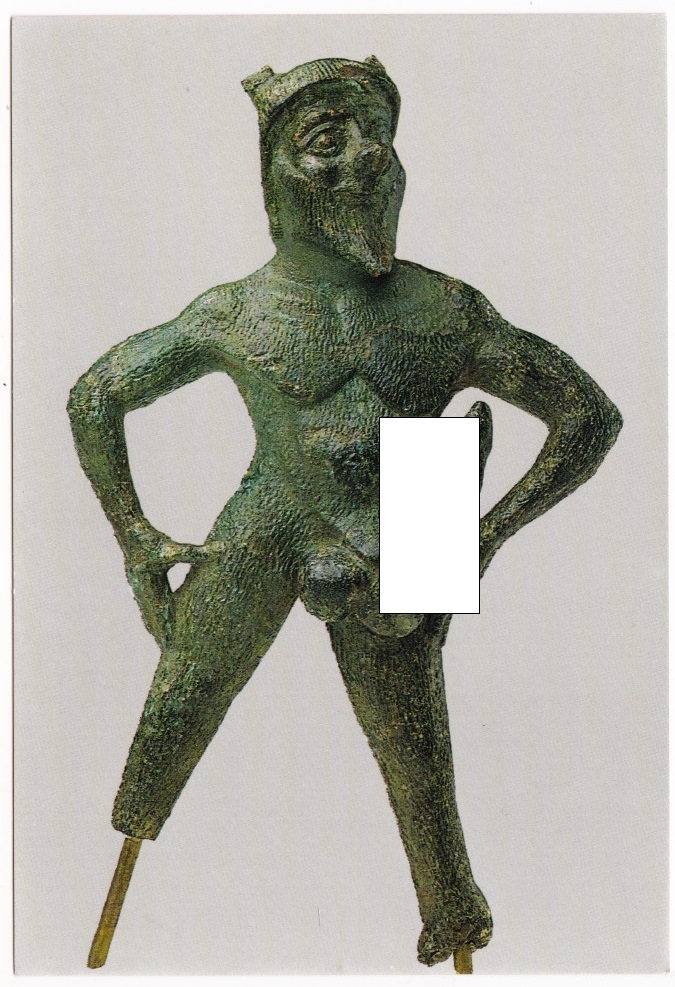 |
|
Send note to Staff
|
|
|
Pillar Of The Community
Israel
4900 Posts |
|
|
Bacchus was the Roman god of agriculture, wine and fertility, equivalent to the Greek god Dionysus. Sculpture by Michelangelo (1475 - 1564), Florence national museum, Italy 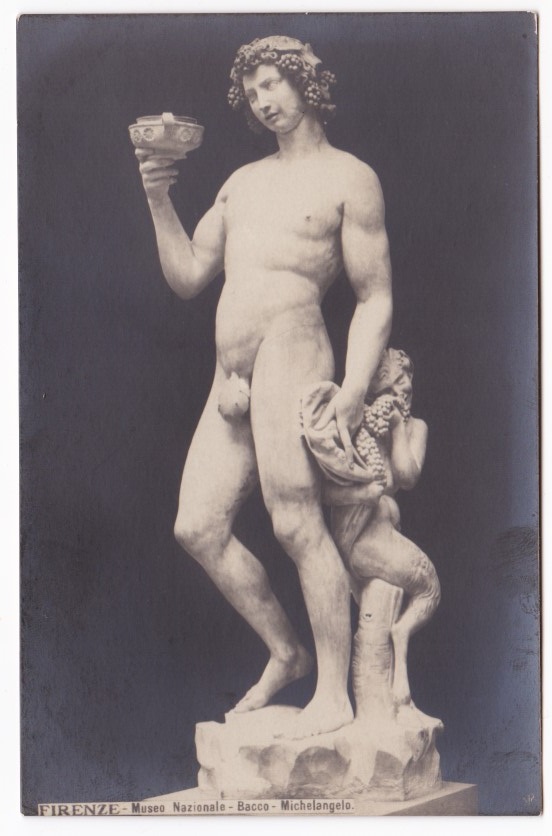 Mercury (Greek: Hermes), the messenger of the Olympia gods. Uffizi gallery, Florence, Italy 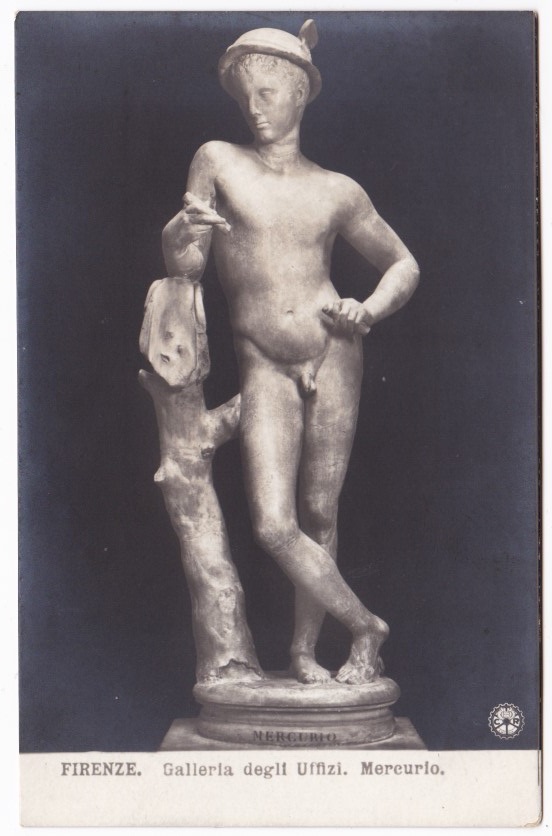 |
|
Send note to Staff
|
|
|
Pillar Of The Community
Israel
4900 Posts |
|
|
Quote:
In Greek mythology, the Amazons were a group of female warriors and hunters who were known for their physical agility, strength, archery, riding skills, and the arts of combat. Their society was closed to men and they only raised their daughters and returned their sons to their fathers, with whom they would only socialize briefly in order to reproduce. Amazon, Vatican museum, Rome 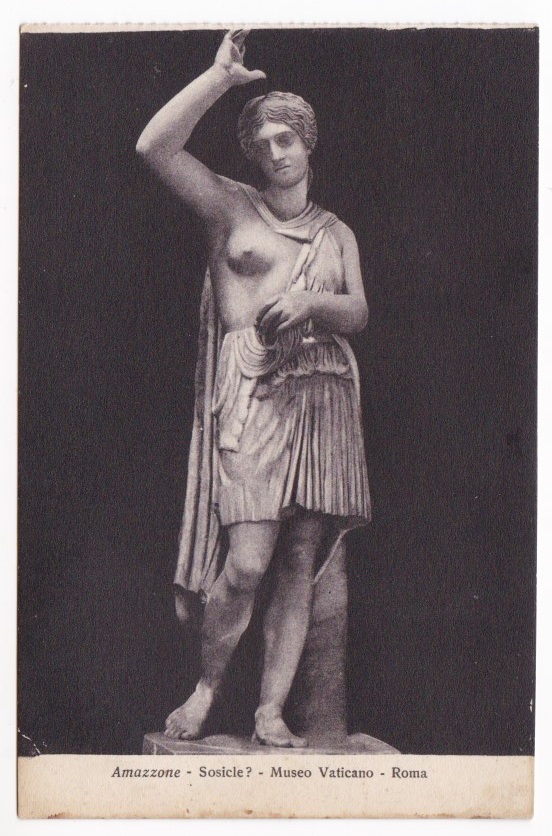 |
|
Send note to Staff
|
|
|
Pillar Of The Community
Israel
4900 Posts |
|
|
The Ludovisi Gaul (sometimes called "The Galatian Suicide") is an ancient Roman statue depicting a Gallic man plunging a sword into his breast as he holds up the dying body of his wife. This statue is unique for its time because it was common to depict the victor but instead, the Ludovisi Gaul depicts the defeated. The Ludovisi Gaul, national museum of Rome 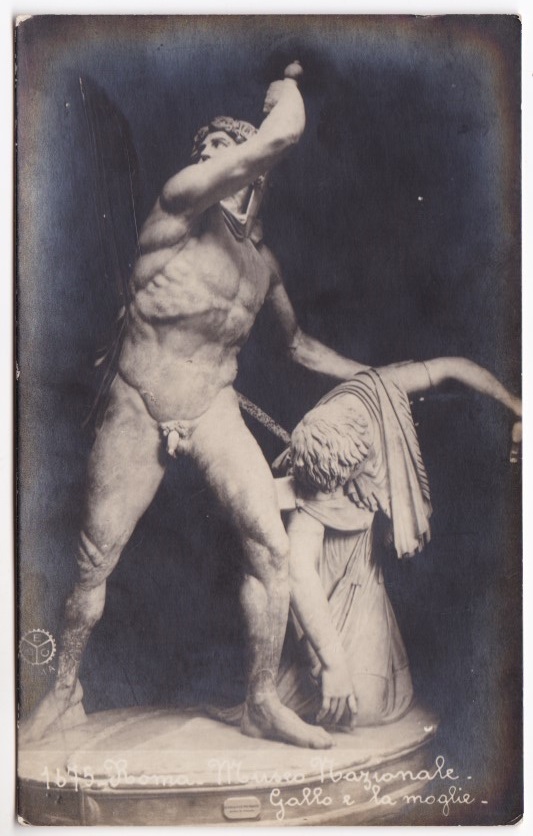 |
|
Send note to Staff
|
|
|
Pillar Of The Community
Israel
4900 Posts |
|
|
The couple of postcards I just posted in the above posts are the last in my collection of Greek and Roman mythology sculptures on postcards. I will update this thread when I add new postcards to my collection. 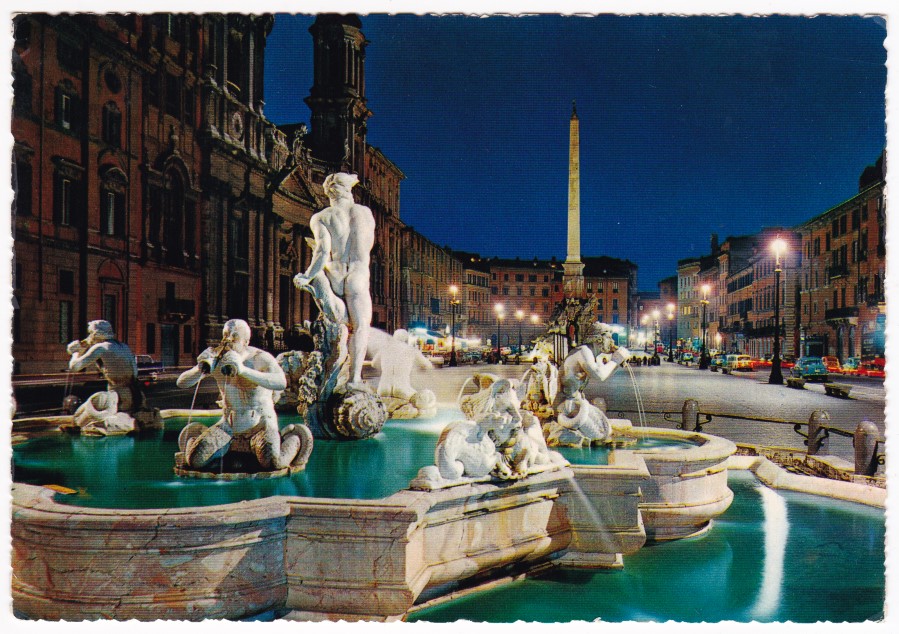 |
|
Send note to Staff
|
|
|
Pillar Of The Community
Israel
4900 Posts |
|
|
Nabateans statues of goddess Aphrodite and god Zeus, Avdat excavations, Israel: 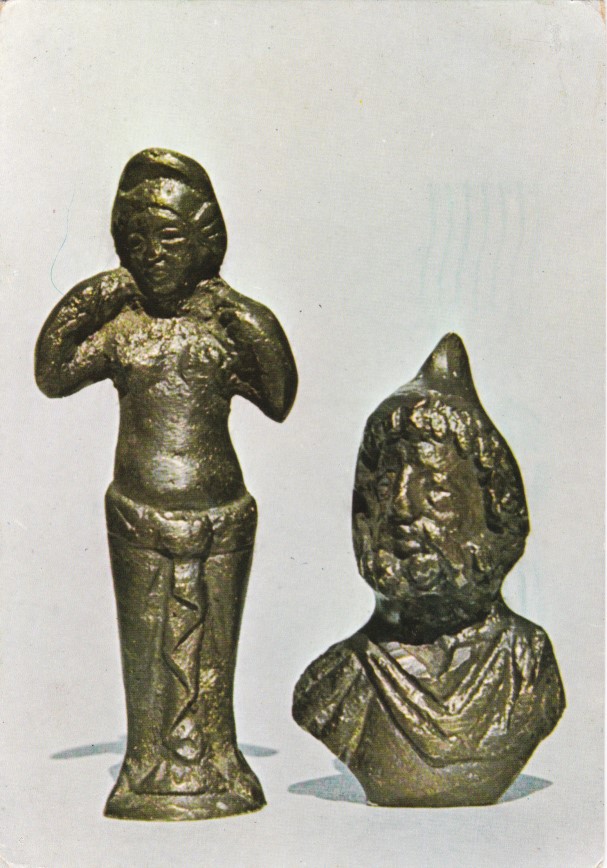 |
|
Send note to Staff
|
|
|
Replies: 28 / Views: 4,015 |
|




 Posted 05/31/2024 12:30 am