|
This page may contain links that result in small commissions to keep this free site up and running.

Welcome Guest! Registering and/or logging in will remove the anchor (bottom) ads. It's Free!
To participate in the forum you must log in or register.
| Author |
 Replies: 28 / Views: 4,012 Replies: 28 / Views: 4,012 |
|
Pillar Of The Community
Israel
4900 Posts |
|
|
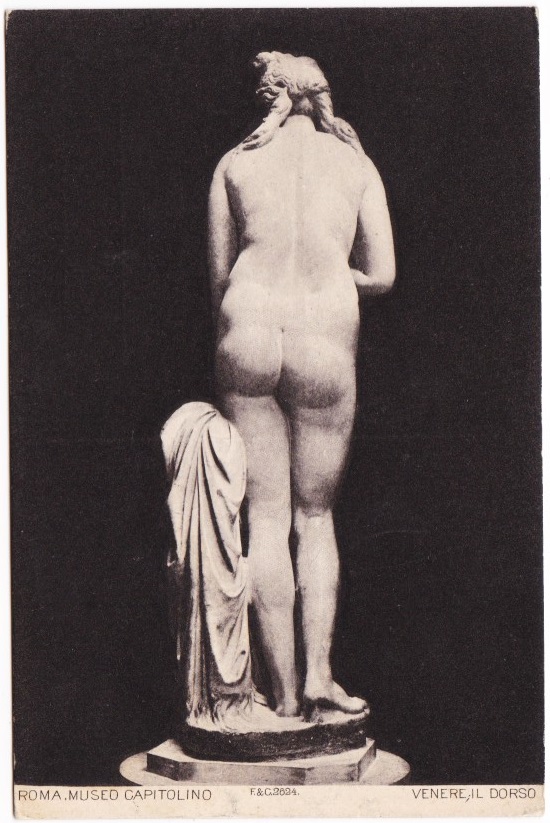
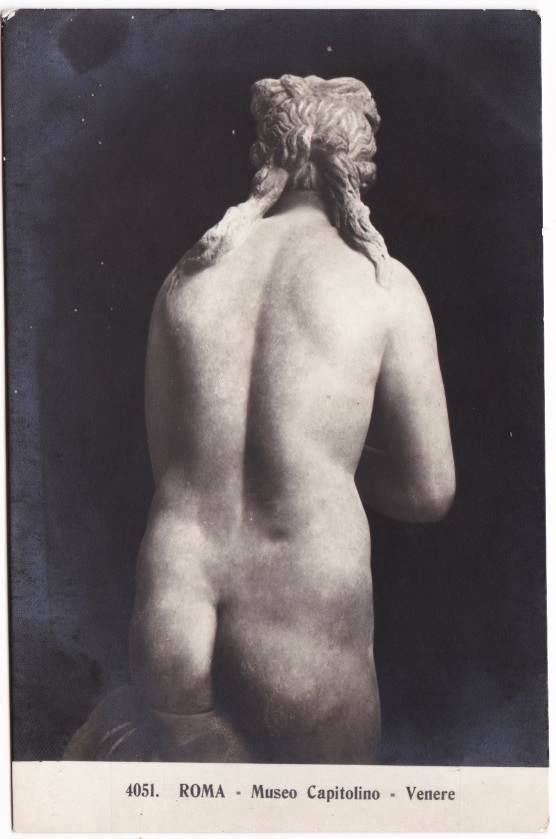
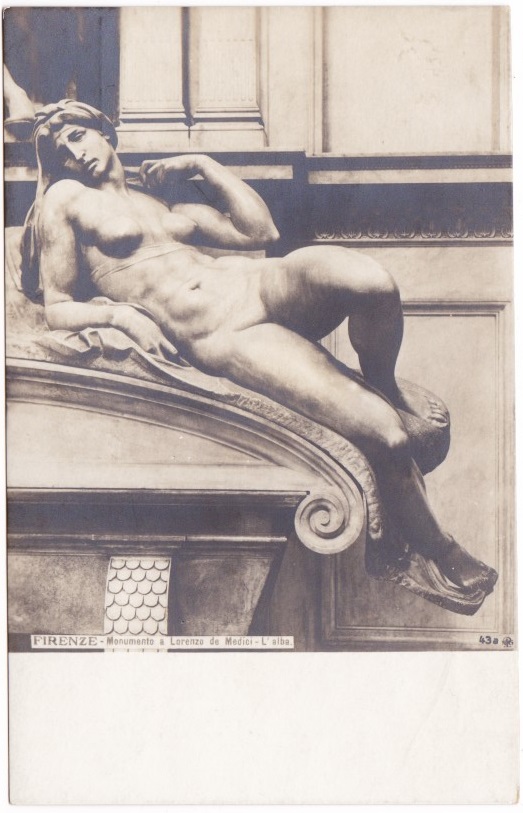
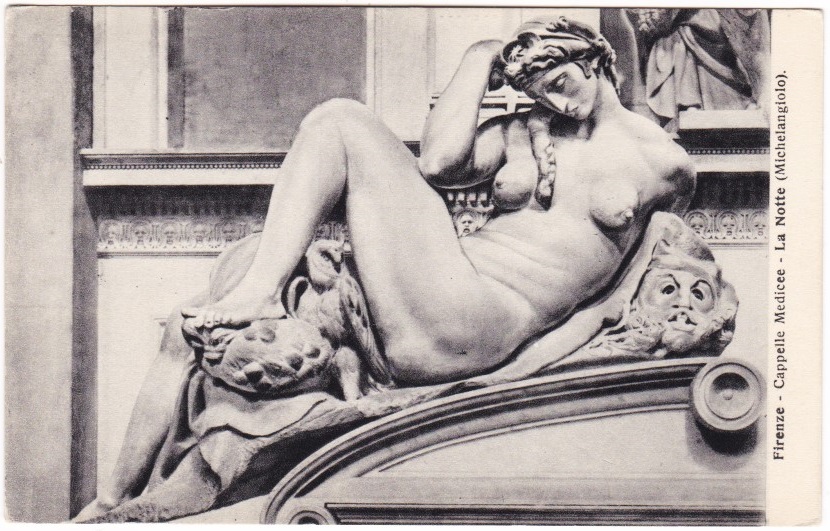
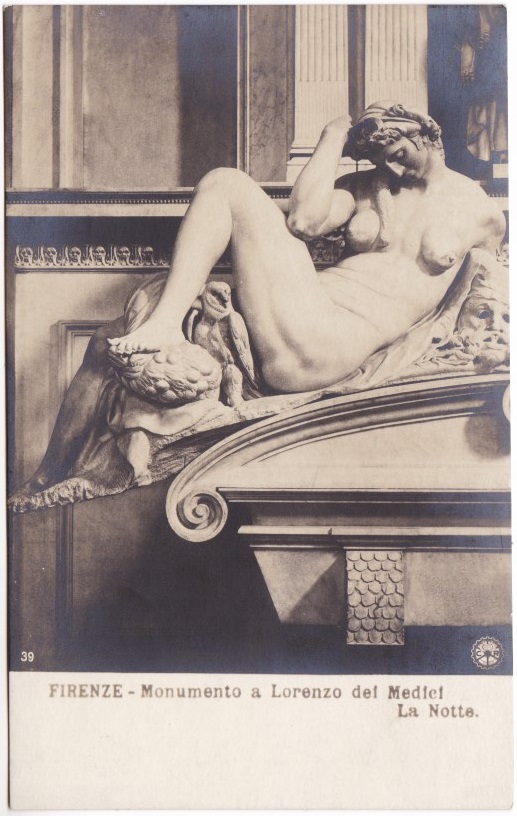
One of my main topical stamp collections is "Mythologies of the World" stamps. As a side collection, I collect postcards depicting sculptures of images and scenes from Greek and Roman mythologies. Most of them are from the middle of the 20th century, the oldest are from 1930's or maybe 1920's. I will post them here and hope you like them. Please, fill free to add your postcards. 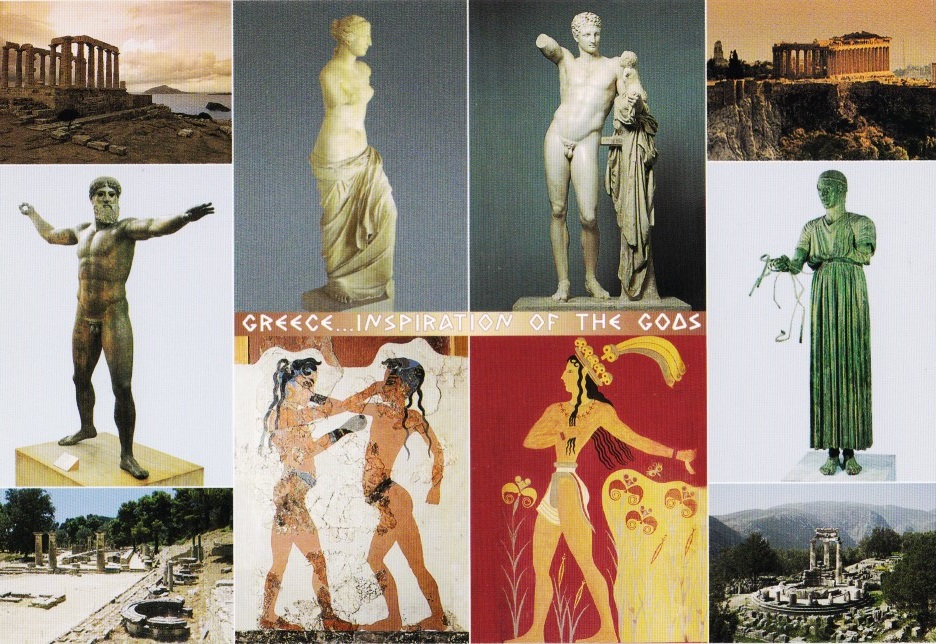 |
|
Send note to Staff
|
|
|
|
|
Pillar Of The Community
Israel
4900 Posts |
|
|
Pillar Of The Community
Israel
4900 Posts |
|
|
Cupid (Amor) and Psyche Psyche is a princess so beautiful that the goddess Venus becomes jealous. In revenge, she instructs her son Cupid (Amor) to make her fall in love with a hideous monster; but instead he falls in love with her himself. Psyche Revived by Cupid's Kiss (Italian: Amore e Psiche), sculpture by Italian artist Antonio Canova (1757 – 1822) created in 1787. There are versions of this sculpture made by Canova's students: 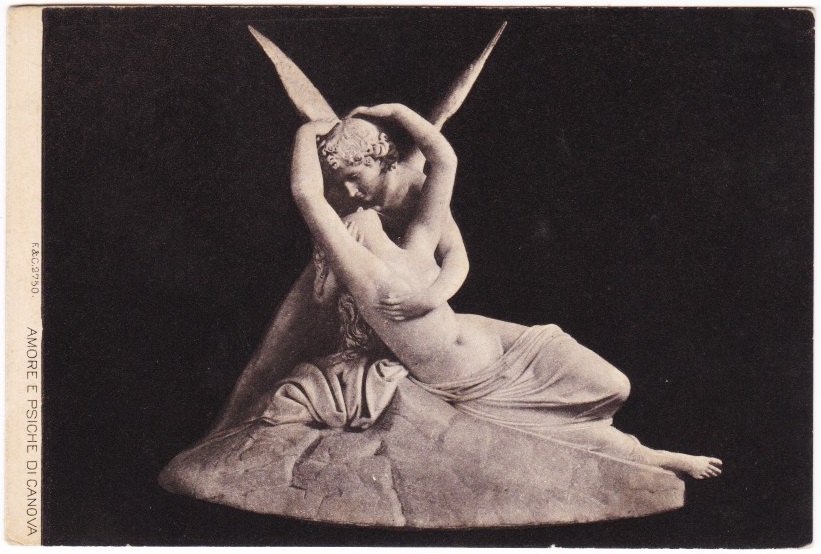
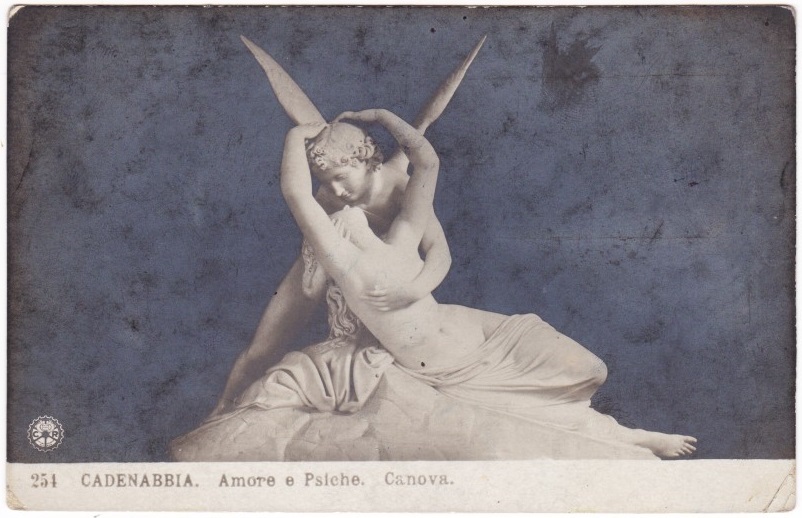 A version of the Canova's sculpture by Adamo Tadolini (1788 – 1863) is exhibited in Villa Carlotta, Como lake, Italy. Here is the hall with the sculpture in the middle: 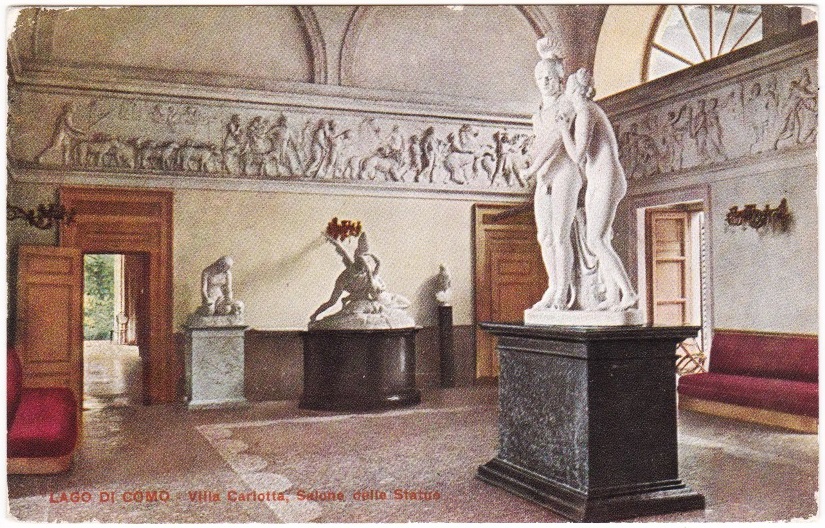 |
Send note to Staff 
|
|
|
Pillar Of The Community
Israel
4900 Posts |
|
|
Cupid (Amor) and Psyche, a 1st or 2nd century Roman copy of a late Hellenistic period original, Capitoline museum, Rome, Italy: 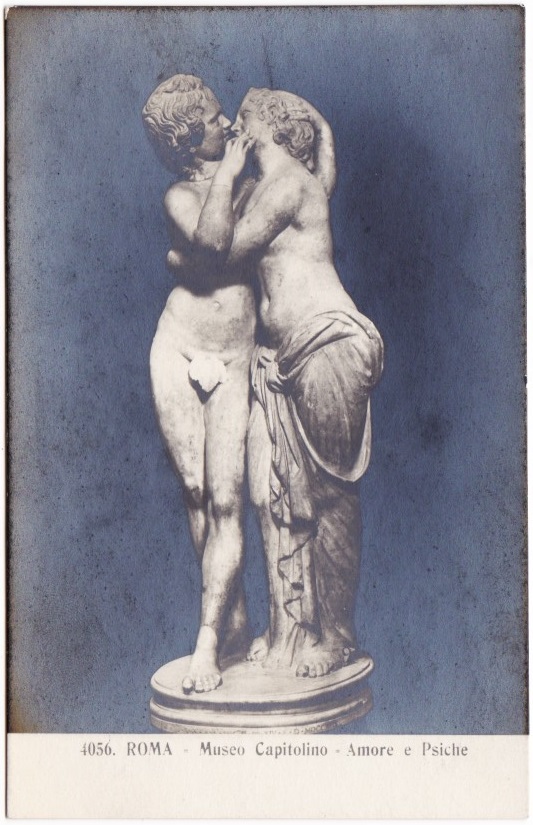 Psyche borne by winged Zephyrs, by the British sculptor, John Gibson (1790 - 1866), Corsini Gallery, Rome: 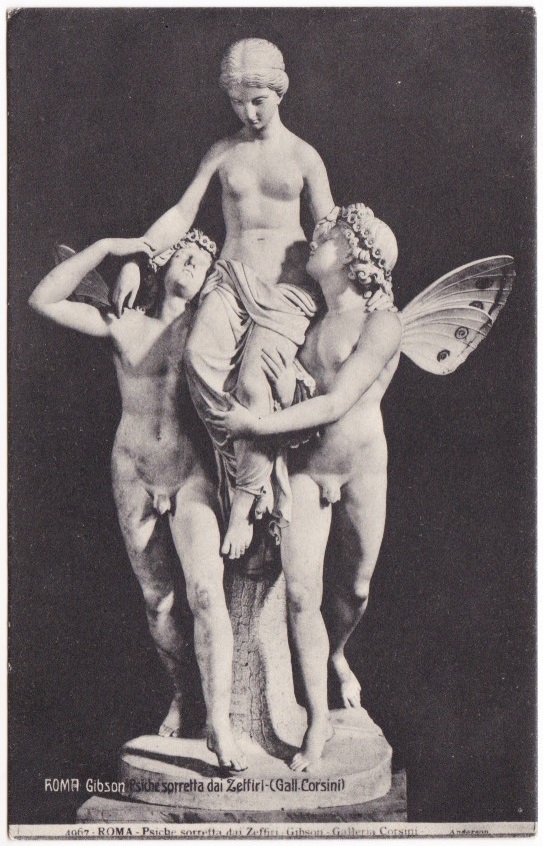 Quote:
Cupid becomes Psyche unseen husband, visiting her only at night since he ordered her not to see him. When Psyche's sisters see the splendor in which Psyche lives, they become envious, and undermine her happiness by prodding her to uncover her husband's true identity, since surely as foretold by the oracle she was lying with the vile winged serpent, who would devour her and her child.
One night Psyche brings out a dagger and a lamp she had hidden in the room, in order to see and kill the serpent. But when the light instead reveals the most beautiful creature she has ever seen, she is so startled that she wounds herself on one of the arrows in Cupid's cast-aside quiver. Struck with a feverish passion, she spills hot oil from the lamp and wakes him. He flees, and though she tries to pursue, he flies away and leaves her on the bank of a river. Cupid and Psyche with the lamp, by Reinhold Begas (1831-1911), Altes Museum, Berlin: 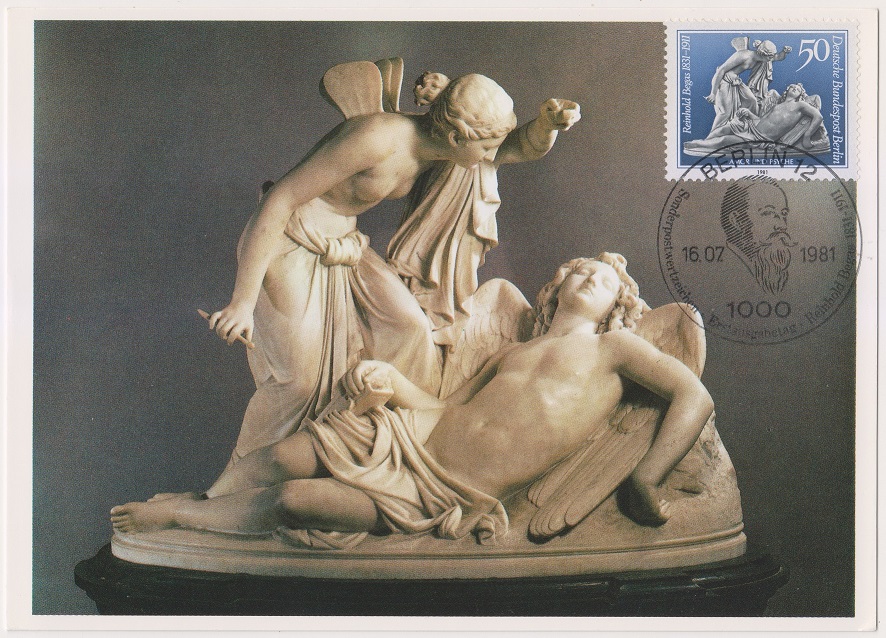 |
|
Send note to Staff
|
|
|
Pillar Of The Community
Israel
4900 Posts |
|
|
Quote:
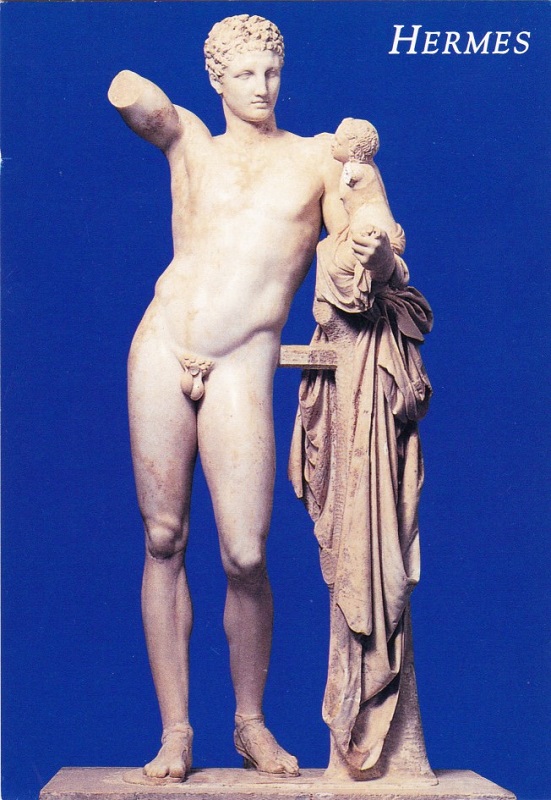
Dionysus (Roman: Bacchus) is the god of the grape harvest, wine making and wine, fertility, theater and religious ecstasy. Dionysus parents were the mortal Semele and Zeus, father of the gods. Hera discovered the affair while Semele was pregnant and planted seeds of doubt in her mind. Semele demanded Zeus to reveal himself to her but she died when he came to her since mortals could not look upon an undisguised god without dying. Zeus rescued the infant Dionysus and gave him to the care of Hermes (Mercury), the messenger of the gods. "Hermes and the Infant Dionysus" is one of the famous sculptures throughout the world made by Praxiteles of Athens, the most renowned of the Attic sculptors of the 4th century BC. The sculpture was discovered at Olympia in 1877 and is exhibited at the Archaeological Museum of Olympia, Greece. 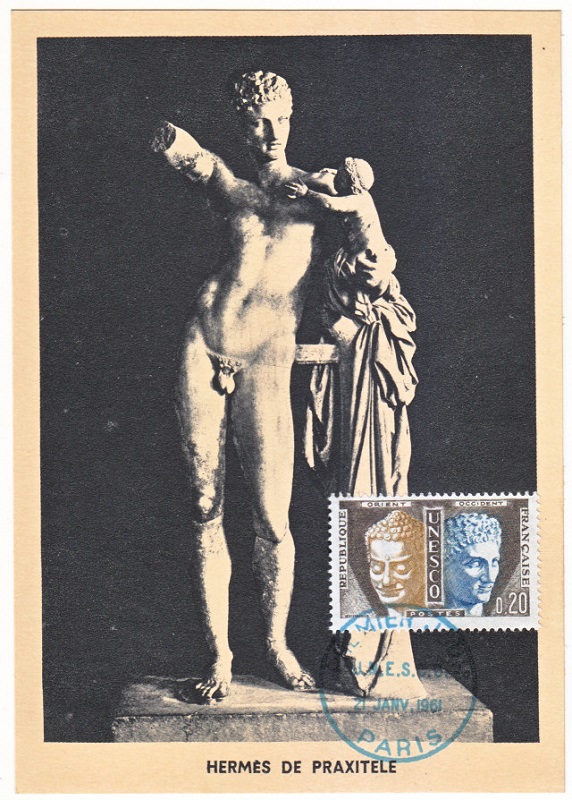
 |
|
Send note to Staff
|
|
|
Pillar Of The Community
Israel
4900 Posts |
|
|
Quote:
Asclepius (Latin: Aesculapius), son of Apollo and Coronis, is the god of healing in Greek mythology. He represents the healing aspect of the medical arts, while his daughters represent the forces of cleanliness, medicine and healing. Asclepius was killed by Zeus's thunderbolt as a punishment for violating the natural order of the world by bringing the dead back to life.
Statue of Asclepius from the theatre of Caesarea (Cherchell), Algeria, Roman Civilization, Archaeological Museum of Cherchell 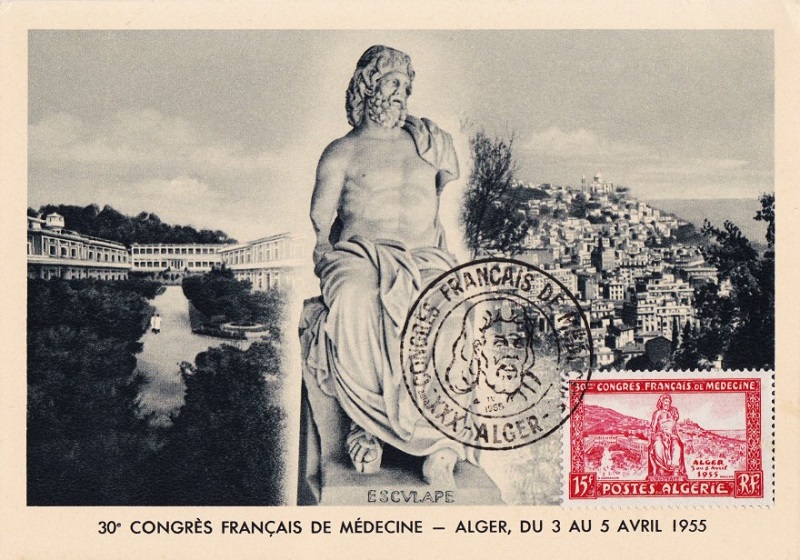 Asclepius and Hygieia, goddess of health, cleanliness and hygiene, Roman copy statue from the time of Hadrian after a late Hellenistic original. 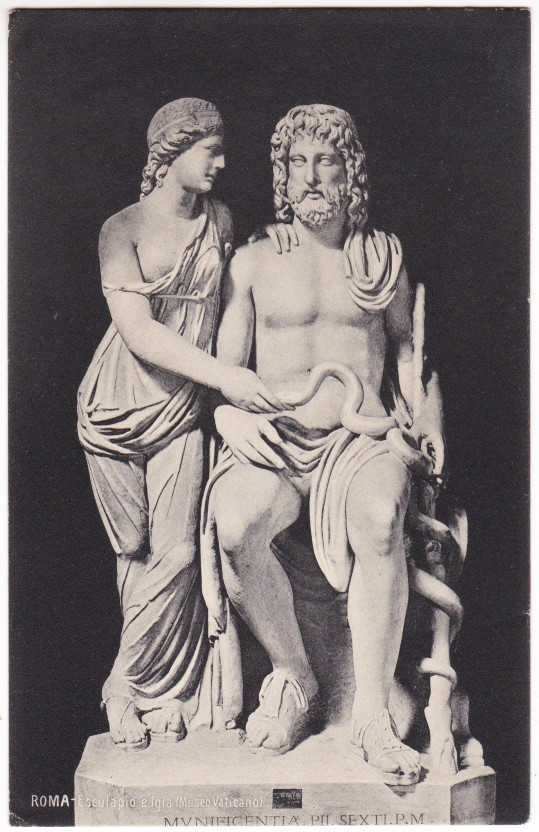 |
|
Send note to Staff
|
|
|
Pillar Of The Community
Israel
4900 Posts |
|
|
Perseus, the son of the mortal Danae and the god Zeus, was the Greek hero that fought and killed the Gorgon Medusa. Perseus with the Head of Medusa, sculpture by Benvenuto Cellini (1500 - 1571), Piazza della Signoria in Florence, Italy 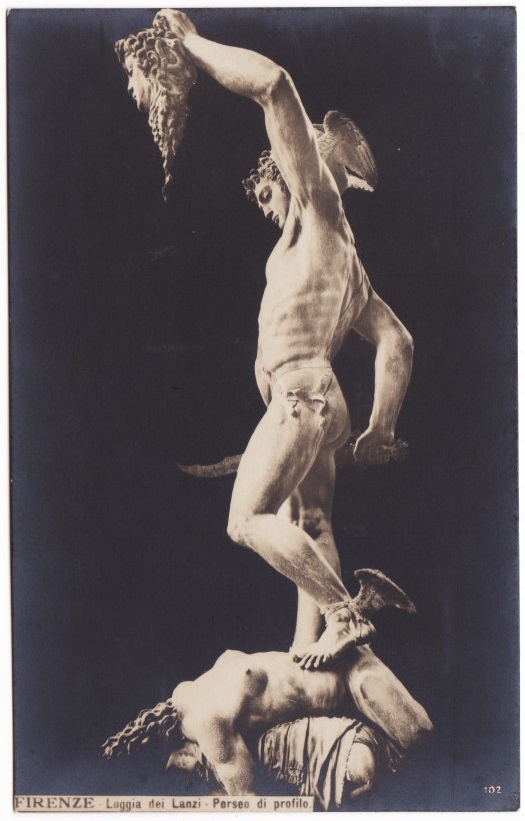 Perseus and the Gorgon, by French artist Laurent Marqueste (1848 - 1920), Musée du Luxembourg. 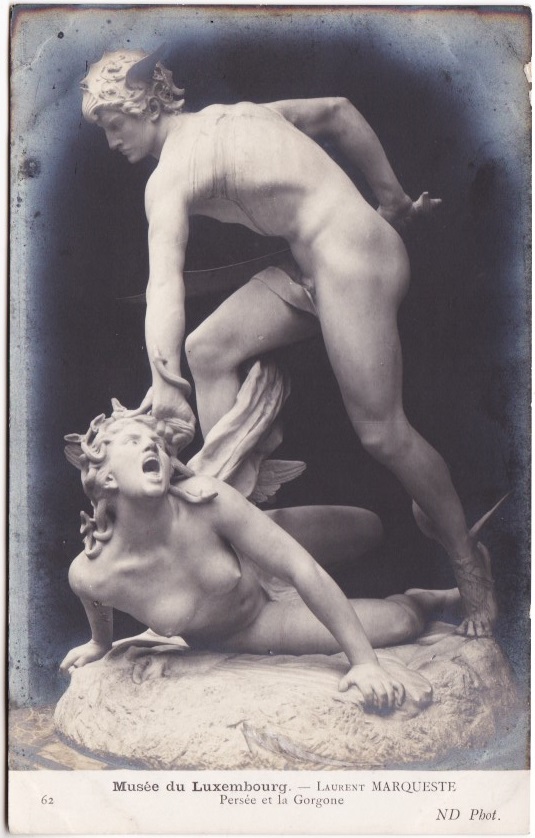
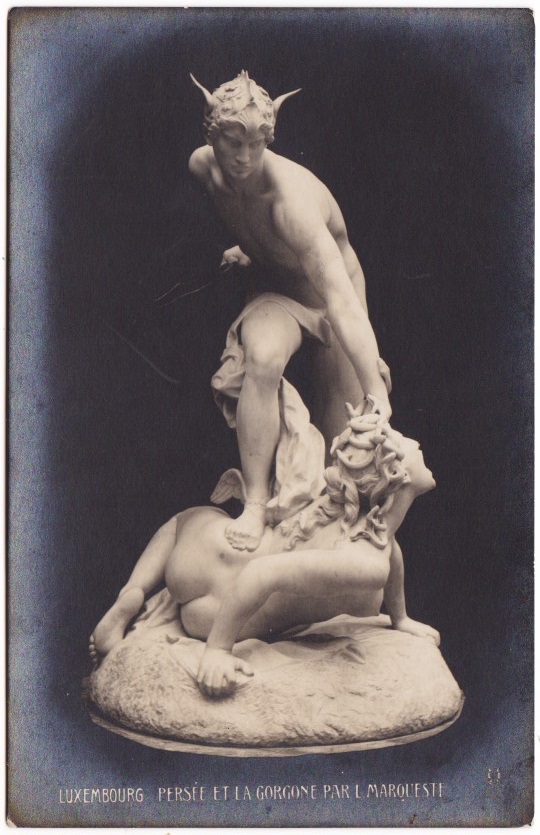 |
|
Send note to Staff
|
|
|
Pillar Of The Community
Israel
4900 Posts |
|
|
Pillar Of The Community
Israel
4900 Posts |
|
|
Quote:
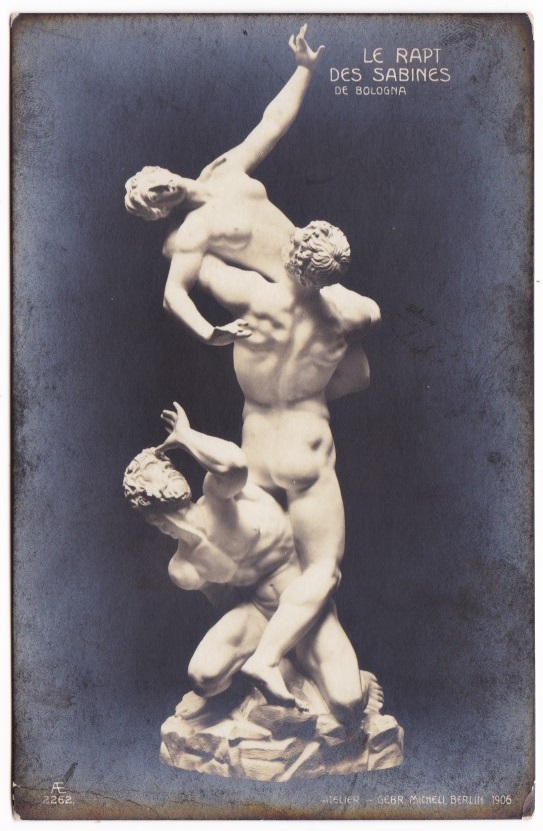
The Rape of the Sabine Women is an episode in the legendary history of Rome. Seeking wives in order to found families, the Romans negotiated unsuccessfully with the Sabines, who populated the area. The Sabines feared the emergence of a rival society and refused to allow their women to marry the Romans. Consequently, the Romans planned to abduct Sabine women during a festival of Neptune Equester. At the festival, Romulus gave a signal, at which the Romans grabbed the Sabine women and fought off the Sabine men. The indignant abductees were soon implored by Romulus to accept Roman husbands. The Rape of the Sabine Women, sculpture by the Flemish sculptor Jean de Boulogne, known as Giambologna (1529 – 1608), Loggia dei Lanzi, Florence, Italy: 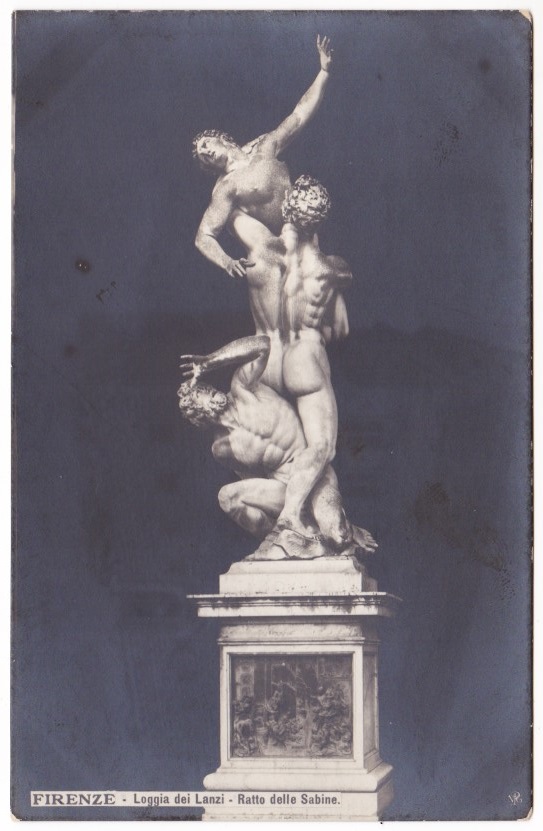
 |
|
Send note to Staff
|
|
|
Pillar Of The Community
Israel
4900 Posts |
|
|
In Greek mythology, Polyxena was the youngest daughter of King Priam of Troy and his queen, Hecuba. After the fall of Troy, she dies when sacrificed by the Greeks on the tomb of Achilles, to whom she had been betrothed. The Rape of Polyxena, by Pio Fedi (1855–1865), in Loggia dei Lanzi, Florence. The name does not refer to sexual rape, but to an earlier definition of the word derived from the Latin rapere, "to snatch, to grab, to carry off". It does not show Polyxena's sexual rape, but her taking to be killed by Neoptolemus, despite the protests of her mother Hecuba, seated. The body on the ground, somewhat anachronistically, is either her brother Polites, or possibly Hector. 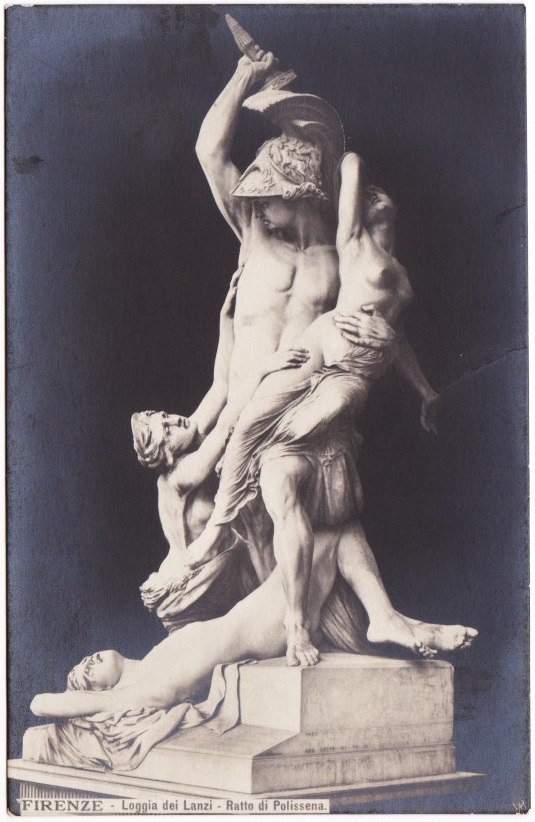 I have this postcard with no description. Is it other version of the Rape of Polyxena? appreciate any information: 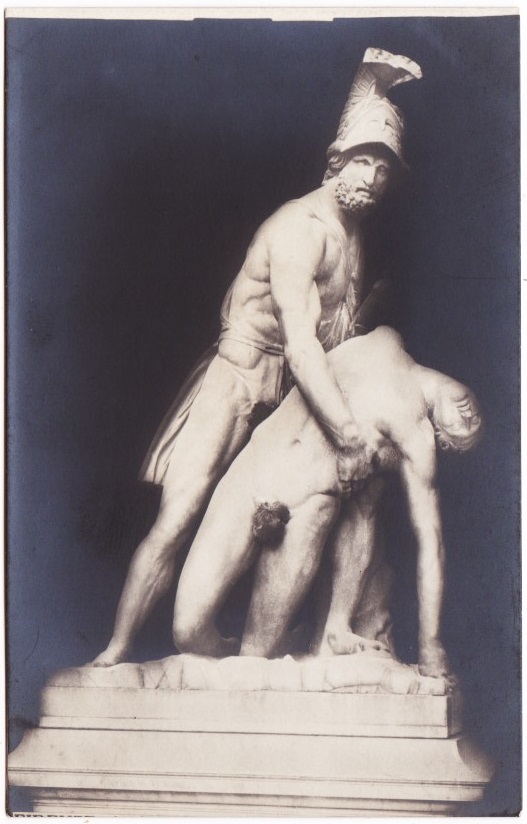 |
|
Send note to Staff
|
|
|
Pillar Of The Community
Israel
4900 Posts |
|
|
Pillar Of The Community
Israel
4900 Posts |
|
|
Apollo is one of the Olympian gods in classical Greek and Roman mythology. He is the son of Zeus and Leto, and the twin brother of Artemis, goddess of the hunt. Apollo is the god of archery, music and dance, truth and prophecy, healing and diseases, the Sun and light, poetry, and more. The Apollo Belvedere is a celebrated marble sculpture from Classical Antiquity. It was rediscovered in central Italy in the late 15th century. From the mid-18th century it was considered the greatest ancient sculpture by ardent neoclassicists, and for centuries epitomized ideals of aesthetic perfection for Europeans and westernized parts of the world. It is exhibited in the Gabinetto delle Maschere of the Pio-Clementine Museum of the Vatican Museums complex. 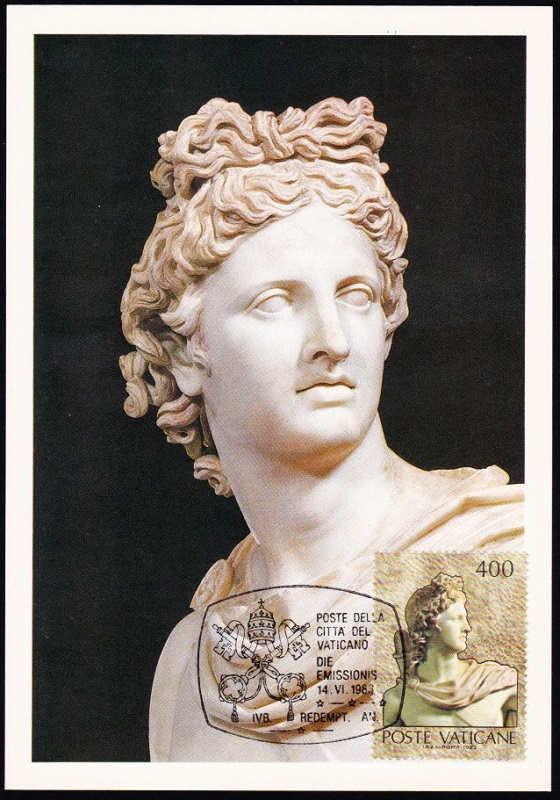 I have no PC shows the complete sculpture but I have it on stamps. Here is one from Niger plus Wiki photo; 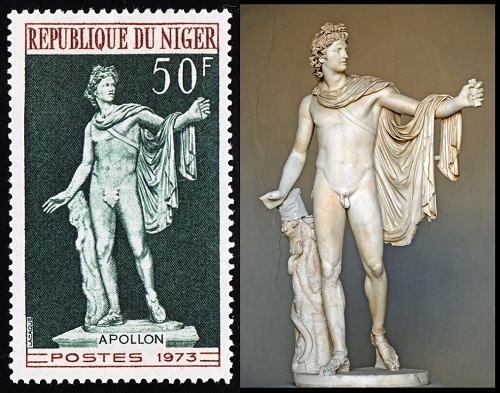 |
|
Send note to Staff
|
|
|
Pillar Of The Community
Israel
4900 Posts |
|
|
Quote:
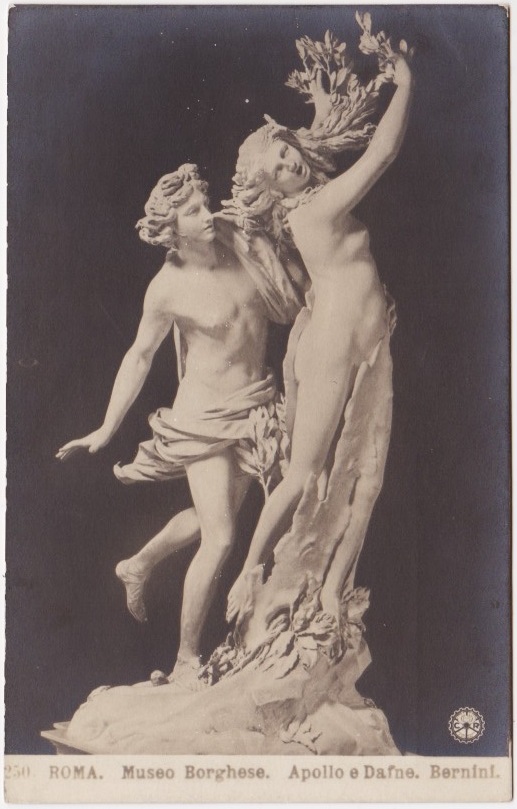
Apollo, god of the Sun, mocked the god of love Eros for his use of bow and arrow. The insulted Eros took two arrows, one of gold and one of lead. With the leaden shaft, to incite hatred, he shot the nymph Daphne and with the golden one, to incite love, he shot Apollo through the heart. Apollo was seized with love for the maiden, Daphne, and she in turn abhorred him.
Apollo pleaded Daphne to come and be his love. When Apollo was about to catch her, Daphne called for help from her father Peneus, the river god. Her father turned her to a tree named Daphne.
Since Apollo could no longer take her as his wife, he vowed to tend her as his tree, and promised that her leaves would decorate the heads of leaders as crowns. "Apollo and Daphne" sculpture by Gian Lorenzo Bernini (1598-1680), Borghese Gallery, Rome 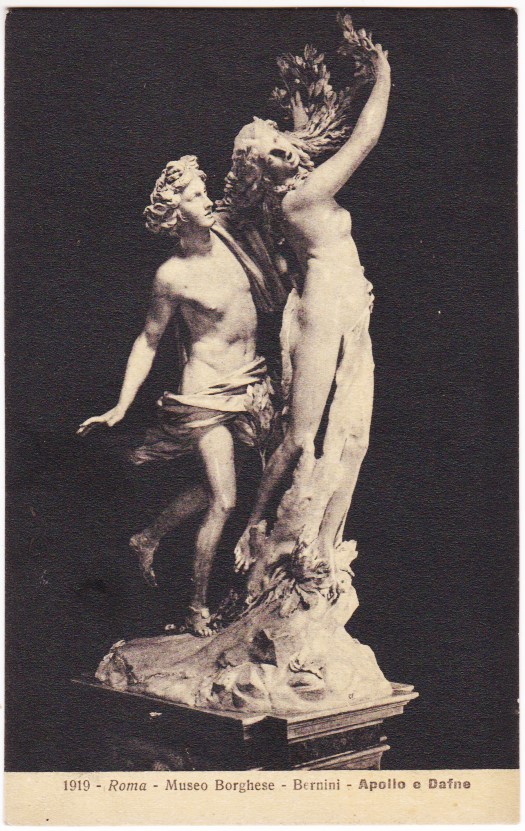
 |
|
Send note to Staff
|
|
|
Valued Member
United States
334 Posts |
|
|
Pillar Of The Community
Israel
4900 Posts |
|
|
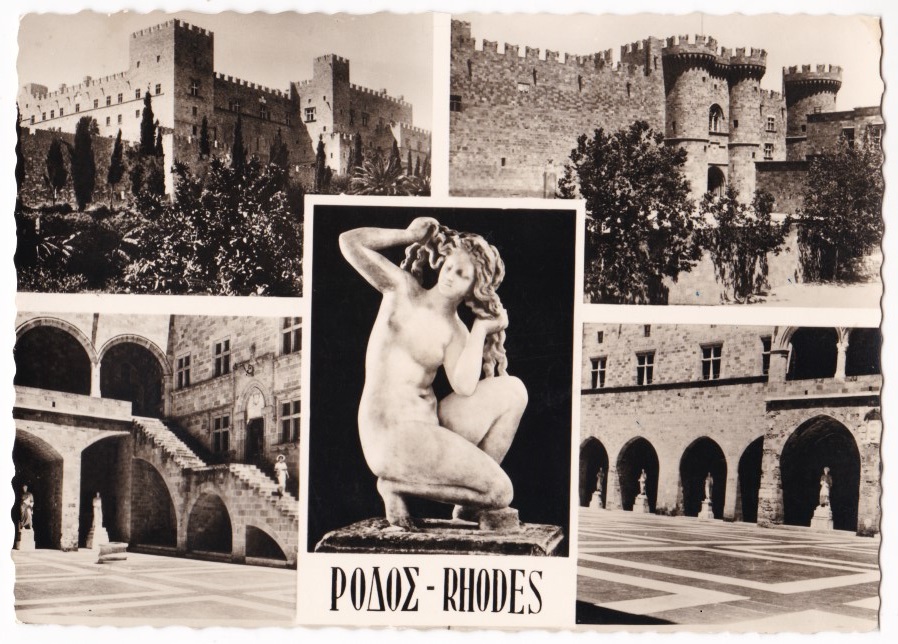
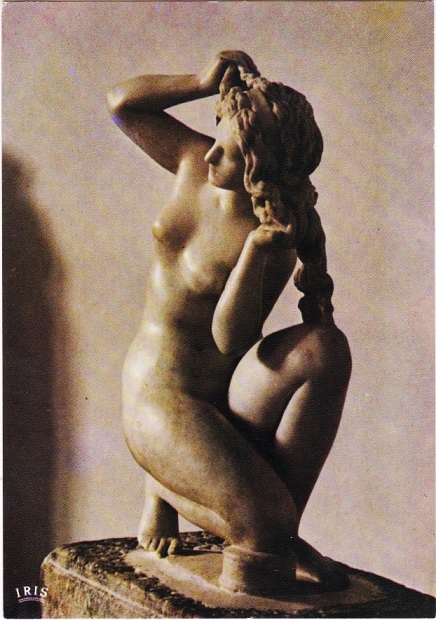
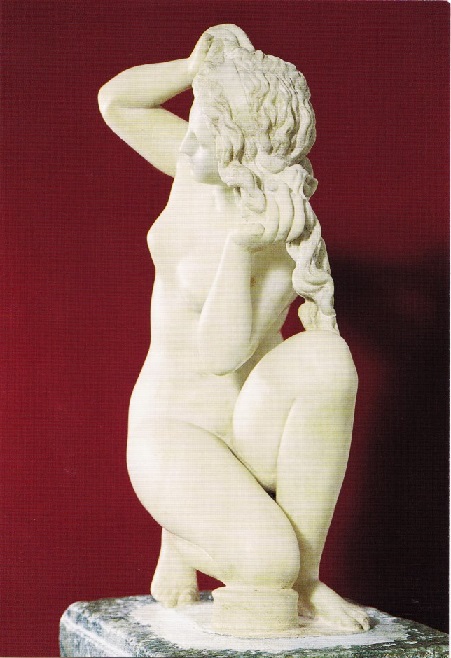
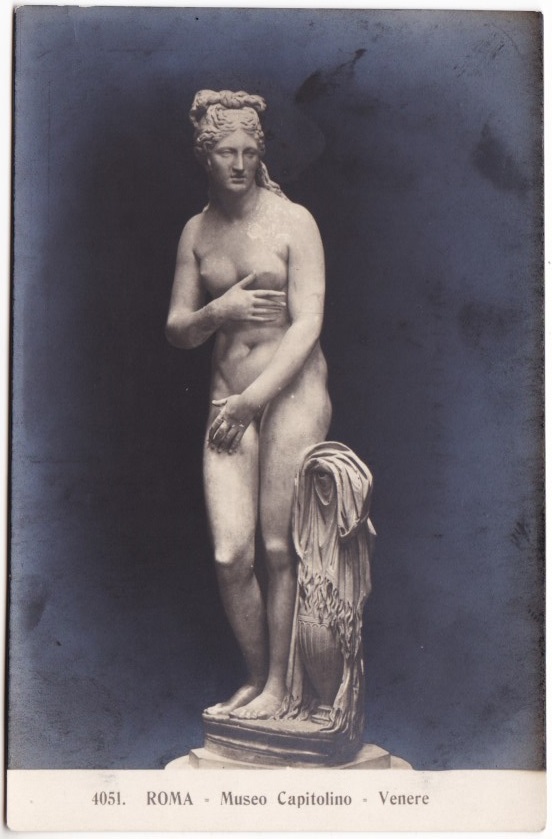
Thank you, DC3  Several sculptures show Venus (Aphrodite), goddess of love and beauty: Venus of Gnidia, Vatican museum: 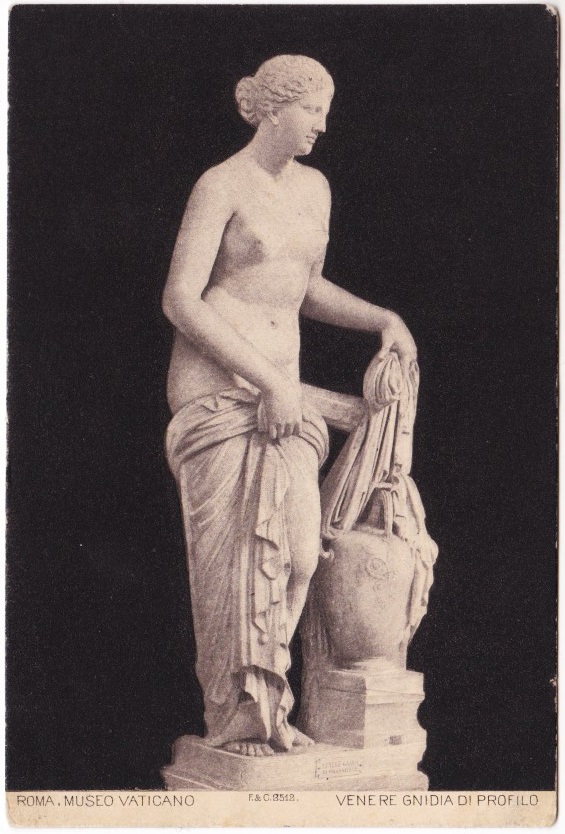 Venus Italica, by Antonio Canova (1757 - 1822), Palazzo Pitti, Florence, Italy: 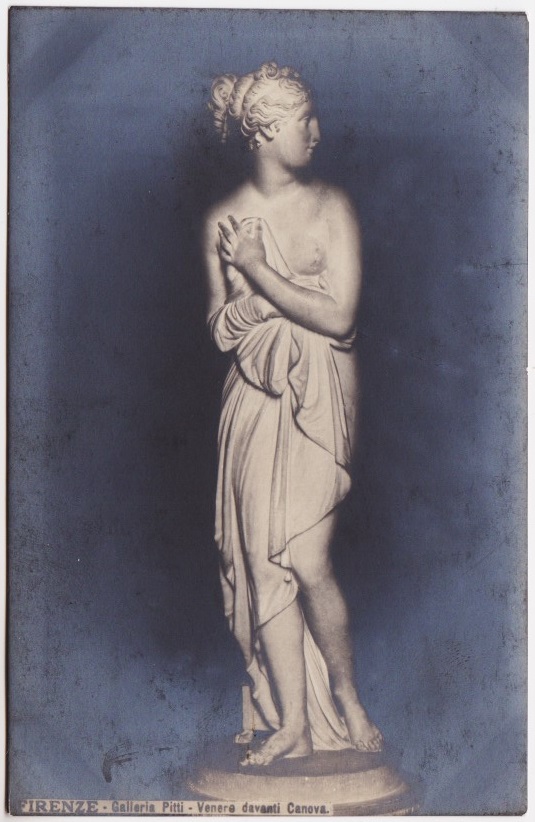 Venus Anadyomene ("Venus, Rising from the Sea"), Roman sculpture from 1st century, Uffiz Gallery, Florence, Italy: 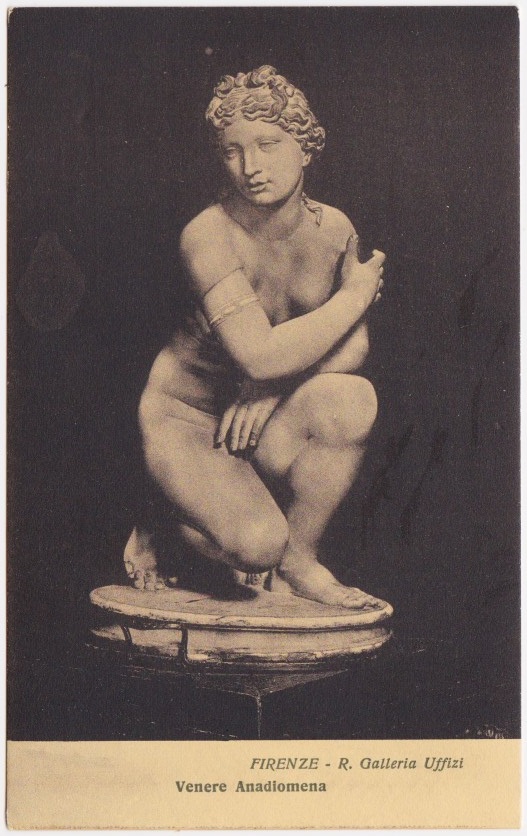 Crouching Venus, Roman statue excavated at Salona (modern Solin near Split, Croatia), Vatican Museum, Rome, Italy: 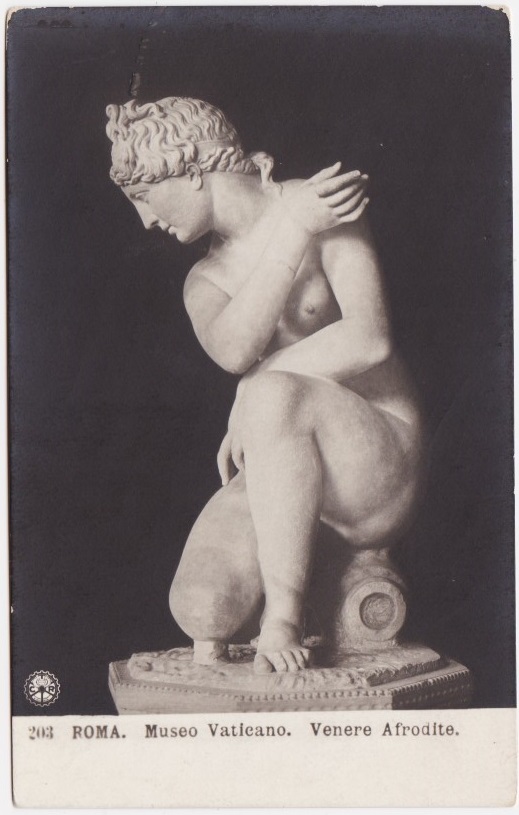 |
|
Send note to Staff
|
|
|
Pillar Of The Community
Israel
4900 Posts |
|
|
Laocoon and His Sons Laocoon was a Trojan priest. During the Trojan War, when the Greeks sent the wooden horse, he tried to convince the Trojans to burn it to ensure it was not a trick. He was punished by goddess Athena who sent two giant sea serpents to strangle and kill him and his two sons. The statue of "Laocoon and His Sons", by Agesander, Athenodoros and Polydorus, was excavated in Rome in 1506 and placed on public display in the Vatican. It showing Laocoon and his sons Antiphantes and Thymbraeus being attacked by the sea serpents 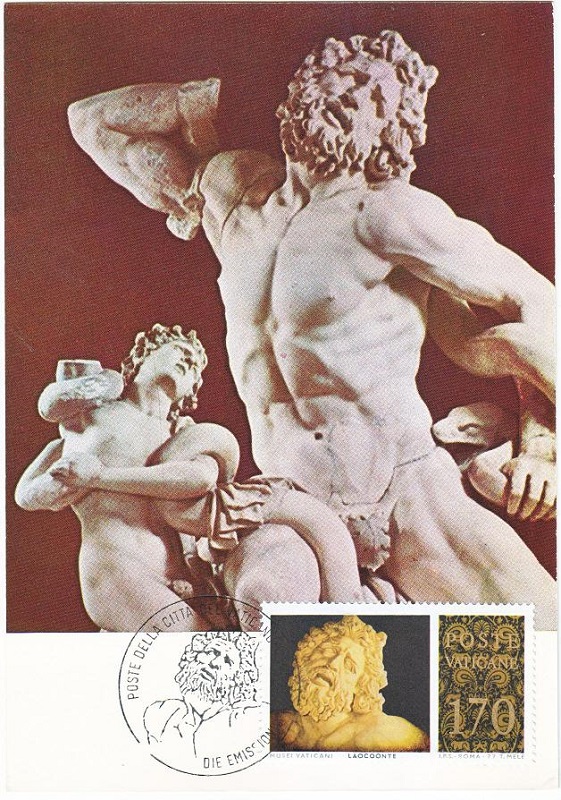 I have not a postcard shows the complete statue so here it is on embossed souvenir sheet issued by the Vatican in 2006 to commemorate the 500th anniversary of the Vatican museum: 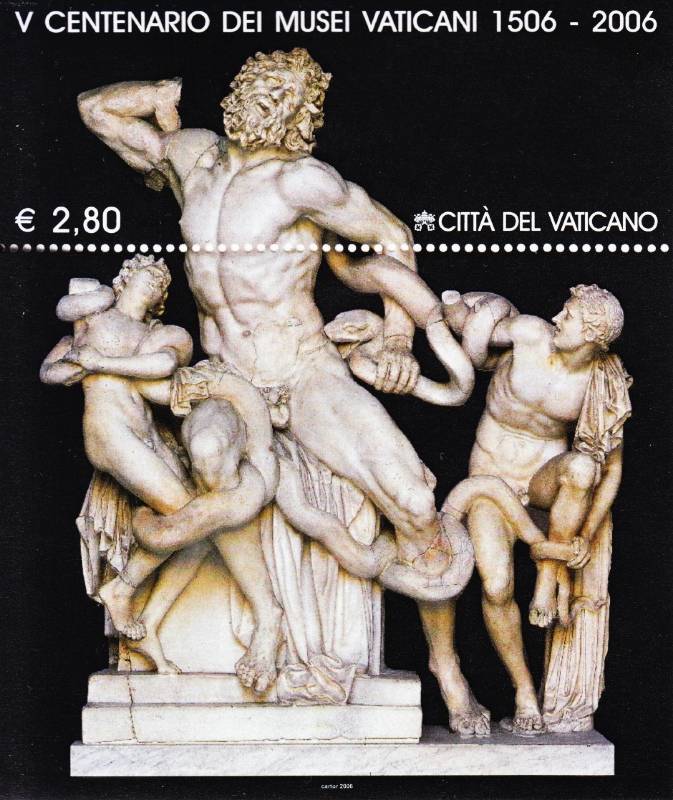 |
|
Send note to Staff
|
|
|
Replies: 28 / Views: 4,012 |
|
|
To participate in the forum you must log in or register. | |
Disclaimer: While a tremendous amount of effort goes into ensuring the accuracy of the information contained in this site, Stamp Community assumes no liability for errors. Copyright 2005 - 2026 Stamp Community Family - All rights reserved worldwide. Use of any images or content on this website without prior written permission of Stamp Community or the original lender is strictly prohibited.
Privacy Policy / Terms of Use Advertise Here |
| Stamp Community Forum |
© 2007 - 2026 Stamp Community Forums |
| It took 0.36 seconds to lick this stamp. |
 |
|
|
|


 Posted 05/02/2024 04:12 am