*Bump* and I say
*BUMP* again in responding to a post many years old by a member probably long gone.
For the record:
There's nothing to do with precancels or MPPs here.
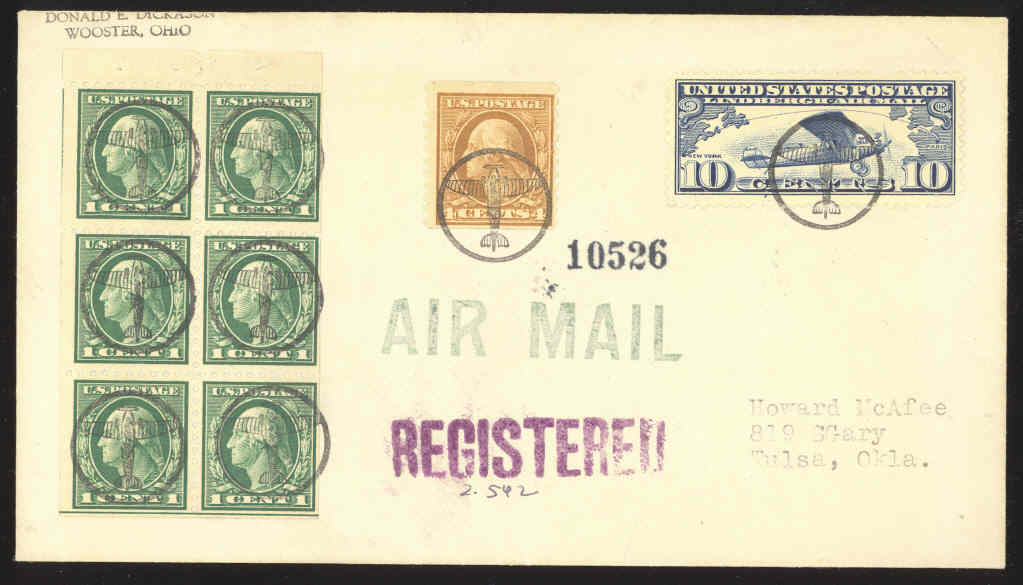
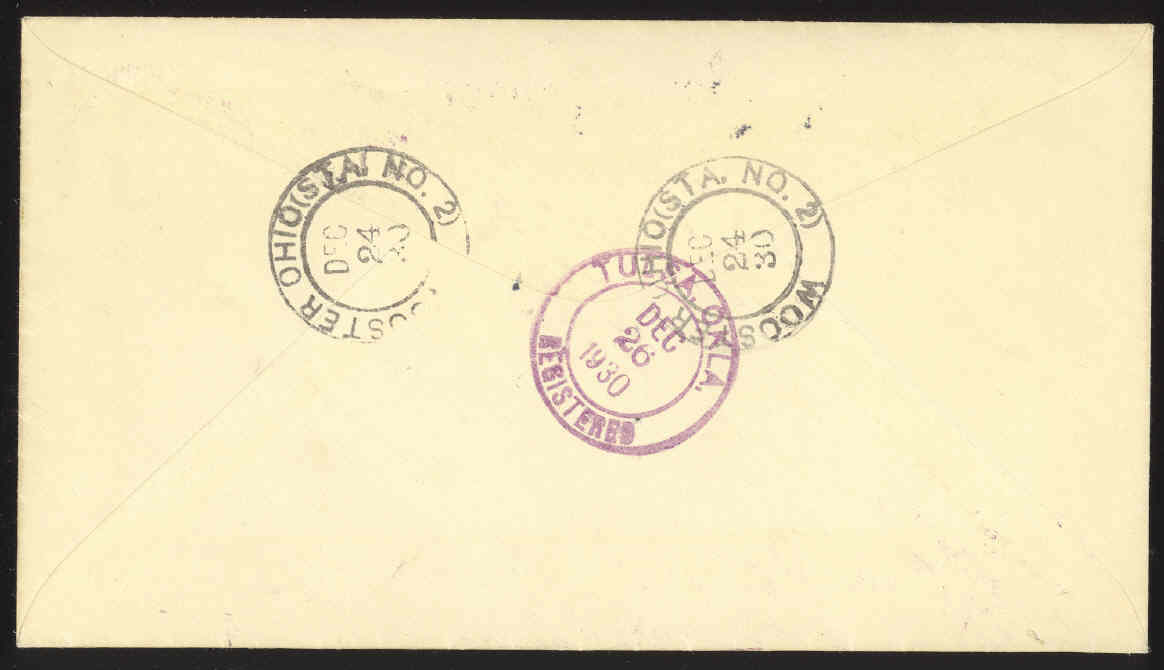
This is part of a phenomenon roundabout 1928-1934 where fancy cancels were being used in some towns on registered mail. The rules were vague saying that "standard" cancels like 4-bar cancels were not to be used on the front of registered mail. This was to make clerks check the back for postmarks to insure sealing and overcanceling of the flap as a check against tampering. Washington did not specify what to use for cancelling stamps on the front, although today's Marker Monkeys would know. The higher-ups probably assumed something like the mute double ovals would be used. But improvised fancy killers were already being used for years before this.
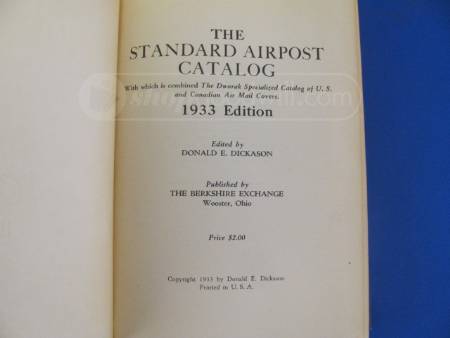
Enter a few enterprising collectors several of whom collected 19th Century fancy cancels. They provided and even designed cancels for a number of postmasters of small offices and some clerks to use. So you may be on the right track with addressee Howard McAfee or sender Dickason, though the names aren't among the most familiar ones.
This airplane one, used at Station no. 2, was in use for 9 days (12/20/1930-12/29/1930). The end date probably might have been due to orders by the clerk's supervisor or postmaster to stop use. This cover is obviously philatelic; a lot of stamps maximizes the number of cancel strikes. If the stamps are removed from the cover, there's a lot of cancels to trade. So years later someone might find this cancel SOTN on a loose stamp and not know where it came from or if it was genuine. And philatelic it may be, but it was accepted in the mails and postally used.
Bill Weiss wrote about these:
http://www.stampsmarter.com/Learnin...lations.htmland you can use the link below to the database at Stamp Smarter and do a search by year date and see what's been added so far.





 Posted 06/30/2011 10:00 am