Perseus and Andromeda
The princesses Andromeda was the daughter of Cepheus and Cassiopeia, king and queen of the kingdom of Aethiopia. Her mother Cassiopeia declared that her daughter is more beautiful than the Nereids, the nymph-daughters of the sea god Nereus. To punish the queen for her arrogance, Poseidon, god of the sea, sent a sea monster named Cetus to destroy the coast of Aethiopia. The desperate king consulted the Oracle of Apollo, who announced that no respite would be found until the king sacrificed his daughter, Andromeda, to the monster. Stripped naked, she was chained to a rock on the coast.
"Andromeda Chained to the Rock" by Francesco Furini (1603 - 1646), the National Gallery of Budapest, issued by Hungary in 1970:

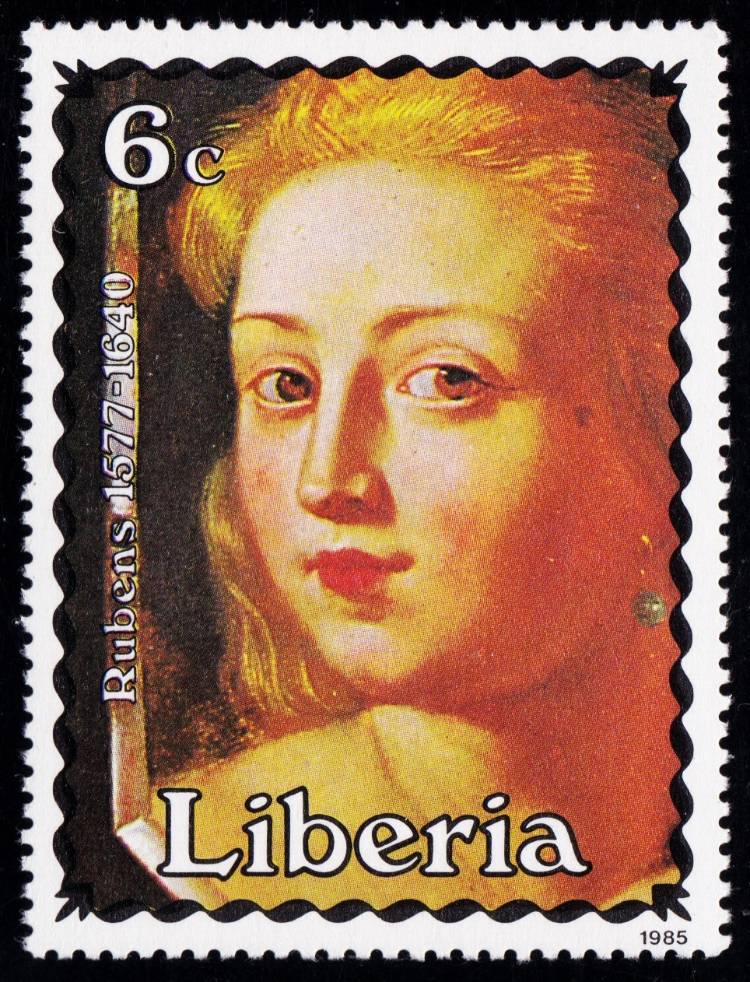
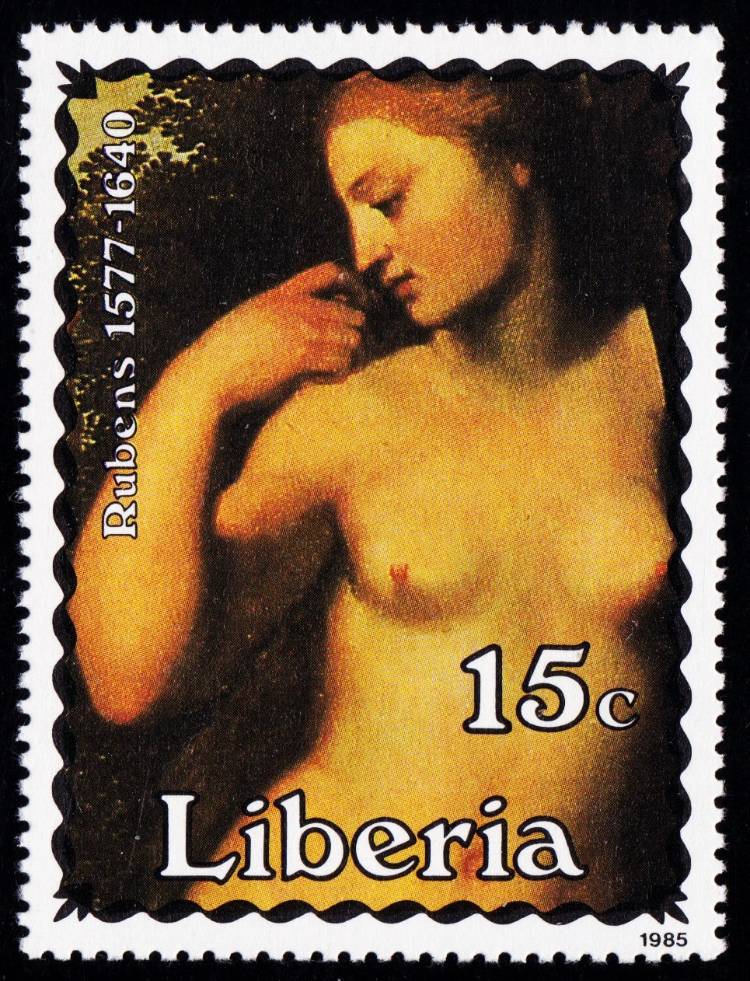
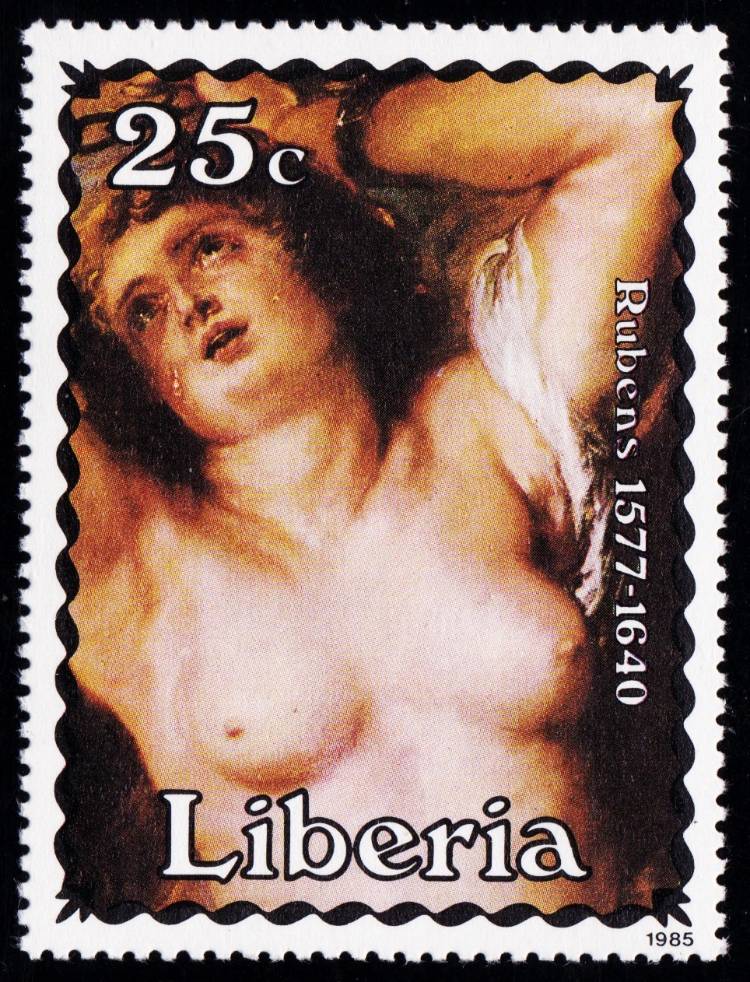
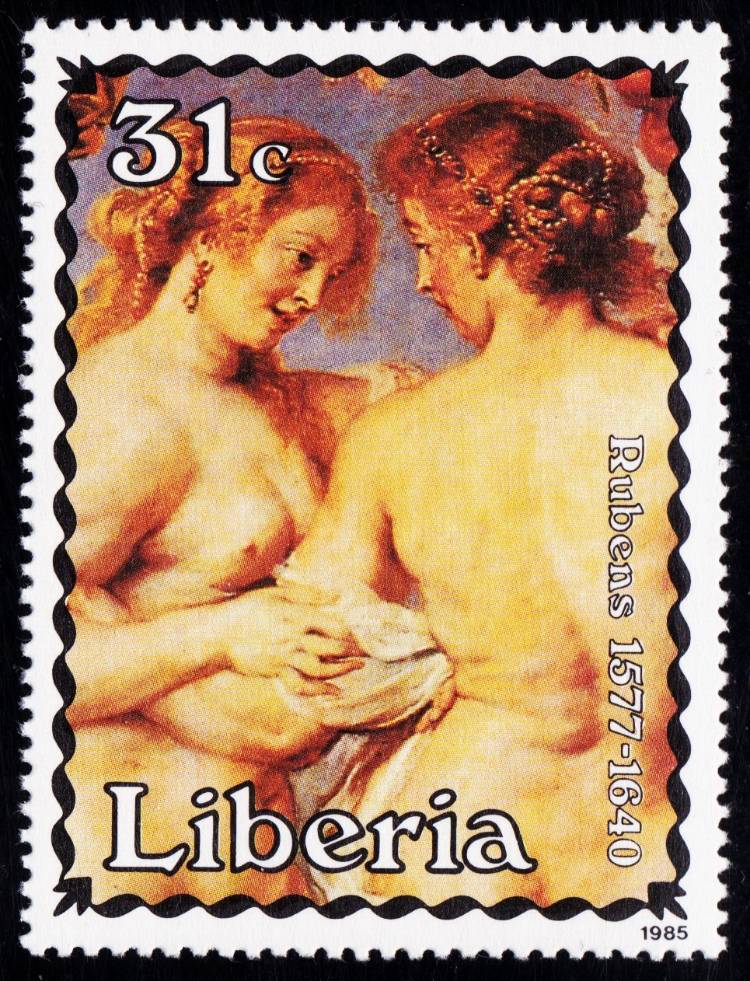
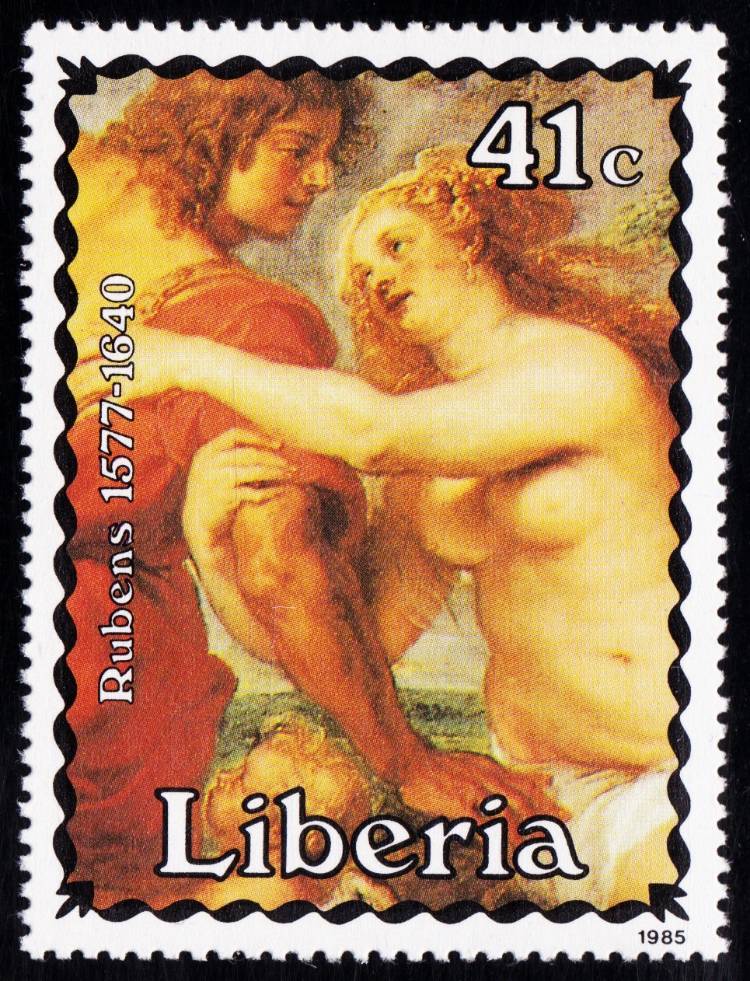
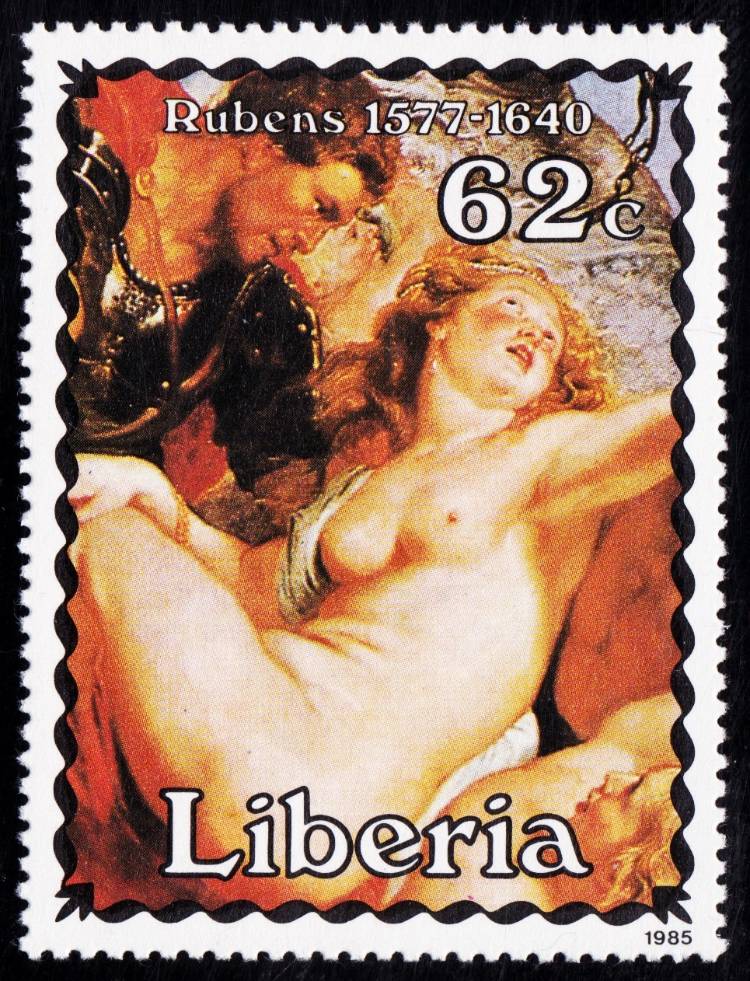
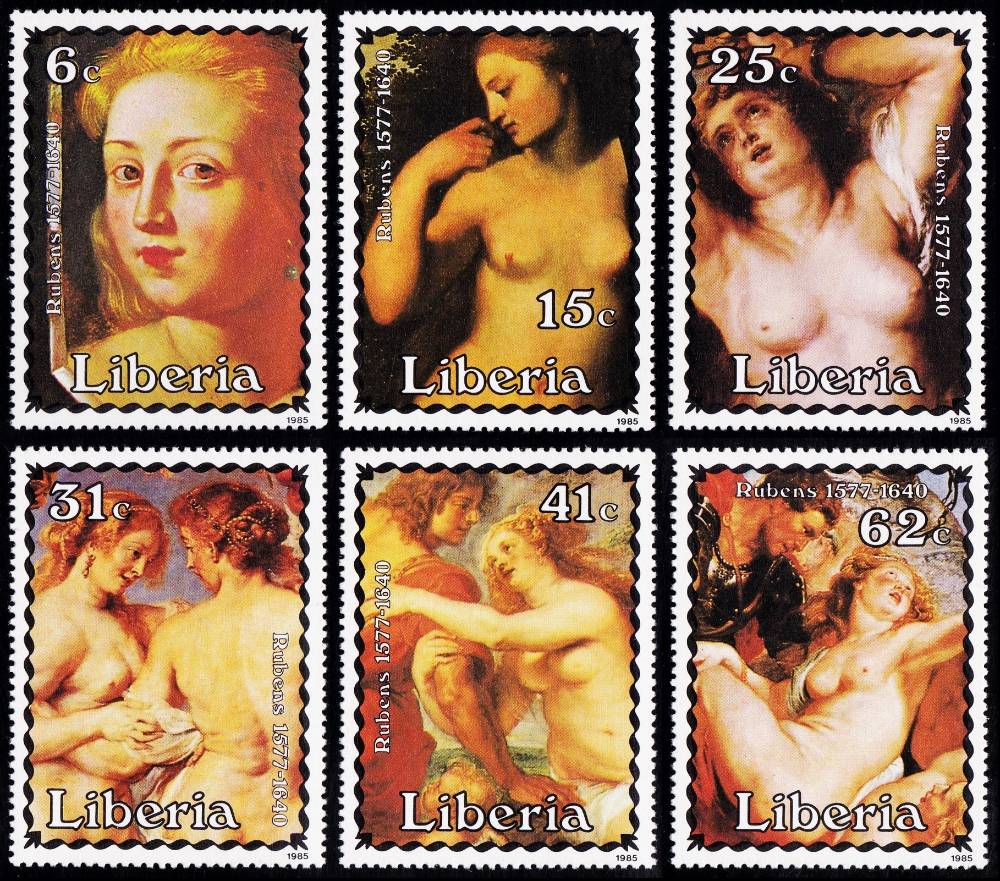
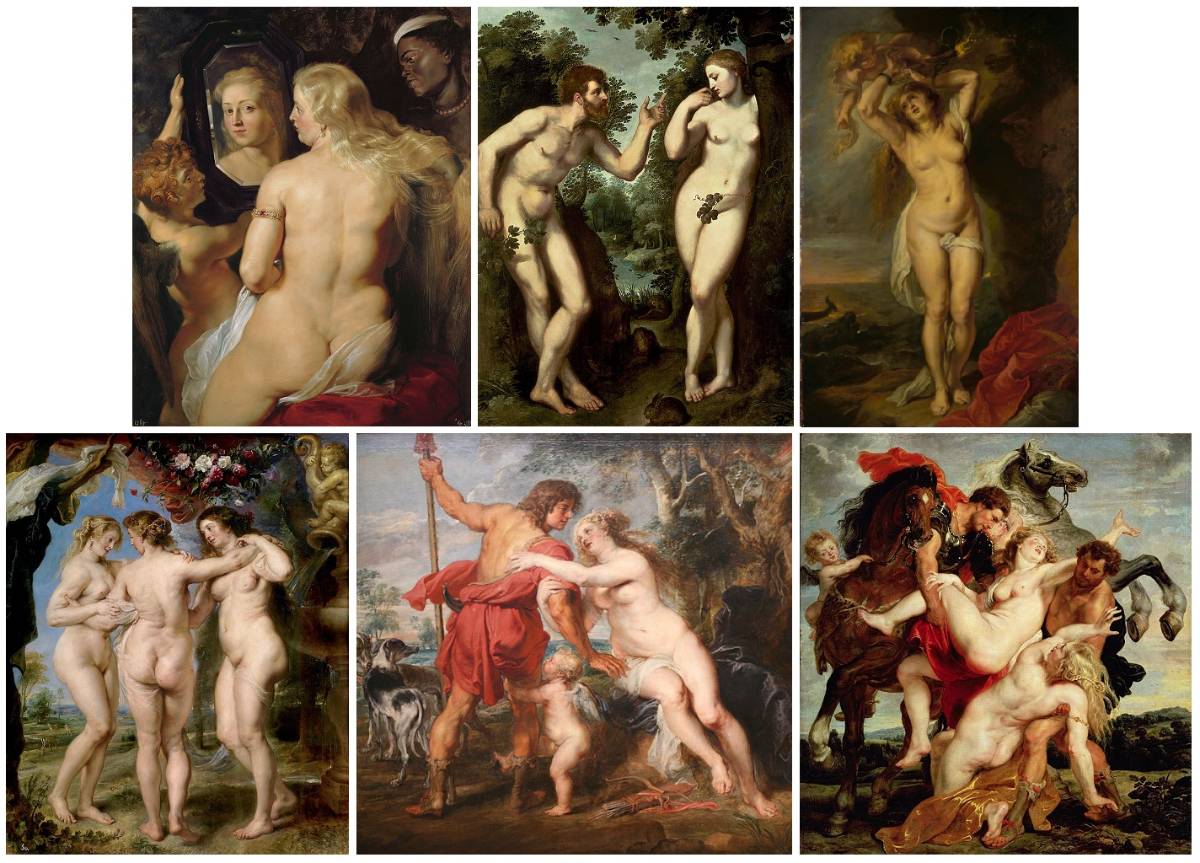
Detail from "Andromeda Chained to the Rock" by Peter Paul Rubens (1577 -1640), issued by Liberia in 1985:

Perseus, the son of the mortal Danae and the god Zeus, was the hero that fought and killed the Gorgon Medusa. Here is a stamp depicting "Perseus with the Head of Medusa" sculpture by Benvenuto Cellini (1500 - 1571), Designed and engraved by Eugène Lacaque and issued by Mali in 1973:

After the fight with the Medusa, Perseus met the chained Andromeda. He approached Cetus, the sea monster, while invisible (for he was wearing Hades's helm), killed him and set Andromeda free. Perseus married her and they had seven sons and two daughters.
"Perseus meets Andromeda" by P. P. Rubens, Maxicard affixed with a stamp issued by USSR in 1970:

"Perseus freeing Andromeda" by P. P. Rubens, issued by St. Tome and Principe in 1977:

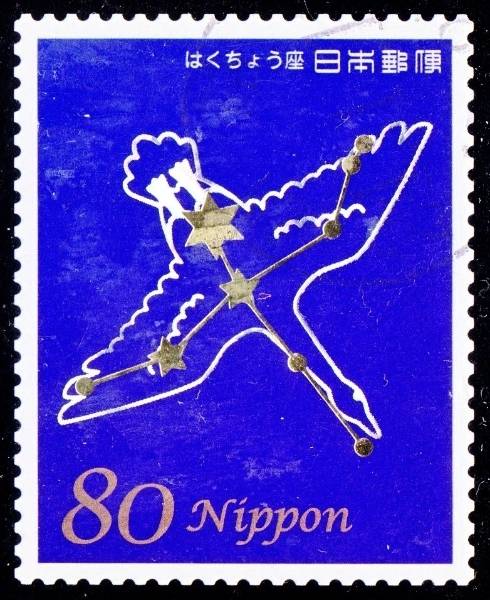
After Andromeda's death, goddess Athena placed her among the constellations in the northern sky, near Perseus and Cassiopeia constellations.
Constellations of (from left) Andromeda, Perseus and Cassiopeia. issued by Japan in 2012:





 Posted 07/14/2020 4:33 pm