| Author |
 Replies: 10 / Views: 2,191 Replies: 10 / Views: 2,191 |
|
|
Moderator

United States
5107 Posts |
|
|
Well, I'm learning more on this website that I have learned in many, many years of collecting, plus the amount of money spent on various Scott Catalogs. Here is another item I am unable to find, possibly because it is a "Back of the Book" Revenue stamp. However, it is a high enough value (10 S) that I thought it would be worth exploring. Any help would be appreciated. 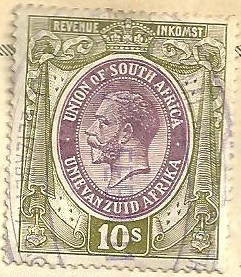 |
|
Send note to Staff
|
|
|
|
|
New Member
Singapore
3 Posts |
|
|
It's a used revenue stamps.
Need to check a speciailized revenue Catelogue. But a mint sample should be very very valuable. |
Send note to Staff 
|
|
|
Moderator
United States
5107 Posts |
|
|
Thanks 9915. I had forgot about this inquiry and thought it went into
the Stamp "Who Knows?" category. I have had multiple occurrences where
the topic of Revenue Stamp came up and am always annoyed that the
standard Scott Catalogs deem them unworthy of publishing in many cases.
Do you know how to go about located or checking in a specialized Revenue Catalog? Thanks. |
|
Send note to Staff
|
|
|
Pillar Of The Community
United Kingdom
3220 Posts |
|
|
In the Barefoot British Commonwealth Revenues catalogue this is listed as South Africa Revenue #9 from 1913.
In my old 1996 edition it's priced at £2.00. |
|
Send note to Staff
|
Nigel |
|
|
Moderator
United States
5107 Posts |
|
|
Nigel. Thanks for the identification and the value.
Well, it's a keeper, at least.
I'll keep looking for the big one. |
|
Send note to Staff
|
|
|
Bedrock Of The Community
Australia
38679 Posts |
|
|
One Pound damage by previous collector (Immersion in water) Set of 4 used CV $1.50 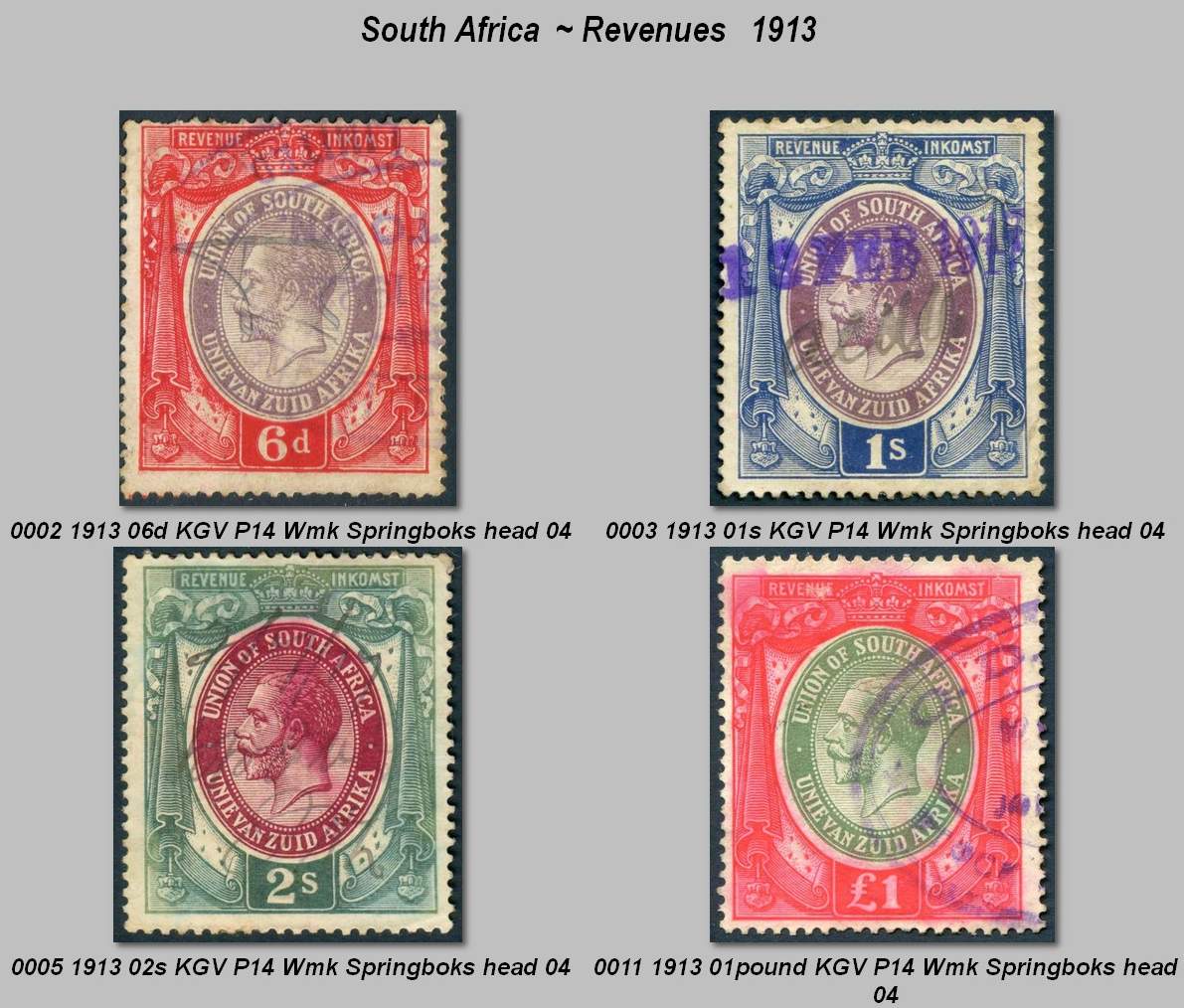 |
|
Send note to Staff
|
| Edited by rod222 - 02/02/2021 5:49 pm |
|
|
Pillar Of The Community
United States
814 Posts |
|
|
Hello, Rod.
Is the damage to that £1 because of aniline dye in the red ink?
Eric |
|
Send note to Staff
|
|
|
Bedrock Of The Community
Australia
38679 Posts |
|
|
Quote:
Is the damage to that £1 because of aniline dye in the red ink?
Hi Eric, to be frank, I do not know.  I have never seen red / carmine run like that before, in my experience. Usually it is the purple dyes. All I can think of, it was "Very" hot water. |
|
Send note to Staff
|
|
|
Pillar Of The Community
United Kingdom
1255 Posts |
|
|
Rod, fugitive inks were uses to avoid fraud with these high values. In my experience, the red ink runs quicker than you can sneeze at it when you soak them. The Transvaal KEVII £25 revenue stamp is another example I can think of. They are best kept on piece if anyone is thinking of soaking them off. Bitter (and expensive) experience with the Transvaal stamp... |
|
Send note to Staff
|
|
|
Bedrock Of The Community
Australia
38679 Posts |
|
|
Right you are then, thanks Tim.
Saved in my revenue folder with a red flag. |
|
Send note to Staff
|
|
|
Pillar Of The Community
United States
814 Posts |
|
|
Aniline inks were often used in British stamps of the late 19th-early 20th centuries: the reds and purples especially. As Tim says, an anti-fraud measure (prevents cleaning and re-use). Catalogues provide a cautionary note for some issues but unfortunately not for all. |
|
Send note to Staff
|
|
| |
Replies: 10 / Views: 2,191 |
|




 Posted 03/21/2012 10:54 pm


