The annual festival of Moors and Christians in Alcoy, Spain, which dates back to the 16th century, commemorates a battle fought in 1276. Here is an image of a stamp depicting the mock battle reenactment on the last day of the festival, printed by photogravure, and issued by Spain on April 22, 1985, Scott No. 2404, plus a YouTube link to a video of the 2009 Moors and Christians festival's mock battle.
Here are images of the two stamps in a set depicting, respectively, a fireworks display at Vaduz Castle, and the National Day Procession held annually on August 15, designed by graphic artist Regina Marxer, printed by photogravure on granite paper (Courvoisier, S.A.), and issued by Liechtenstein on March 9, 1981 as EUROPA stamps, Scott Nos. 708 & 709.
Here is an image of a stamp depicting a man costumed as "Federahannes," designed by Peter Steiner, printed by lithography, and issued by Germany on February 8, 1983 to publicize the Swabian-Alemannic Narrensprung Fastnacht Carnival held annually in Rottweil, printed by lithography, and issued by Germany on February 8, 1983, Scott No. 1390, Michel No. 1167, plus a YouTube link to a home video of the 2015 edition of this festive event.
An eisteddfod is a Welsh festival of literature, music and performance arts. Here is an image of a stamp depicting an archdruid holding the the Hirlas Horn ("Horn of Plenty"), and other eisteddfod celebrants, printed by photogravure, and issued by Great Britain on August 4., 1979 to commemorate the 800th anniversary of the Royal National Eisteddfod of Wales, Scott No. 790, plus a YouTube link to a short Pathé newsreel of the proclamation for the 1928 edition of this annual festival.
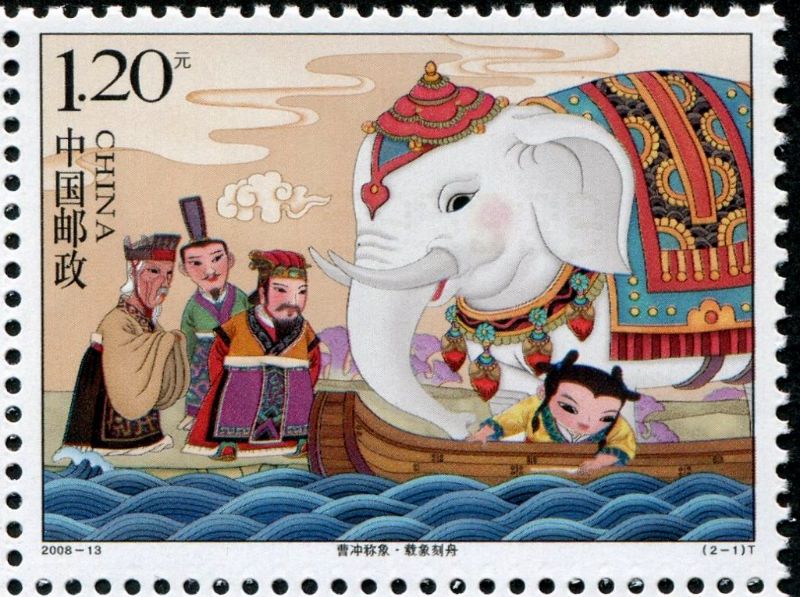
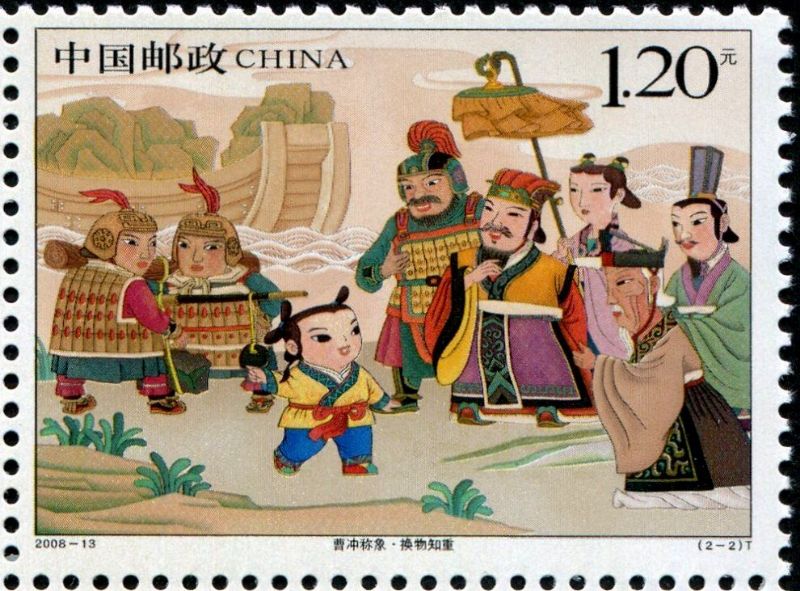
Here are images of the two stamps in a set depicting scenes from the Chinese story Cao Chong Weighs an Elephant, designed by Song Jian, printed by photogravure, and issued by China (People's Republic) on June 1, 2008, Scott Nos. 3674 & 3675. Note: Six-year-old Cao Chong is considered the most famous child prodigy in Chinese history: https://www.arbordalepublishing.com...?id=CaoChong
- nethryk
Marking the Water Level on Boat Loaded with Elephant
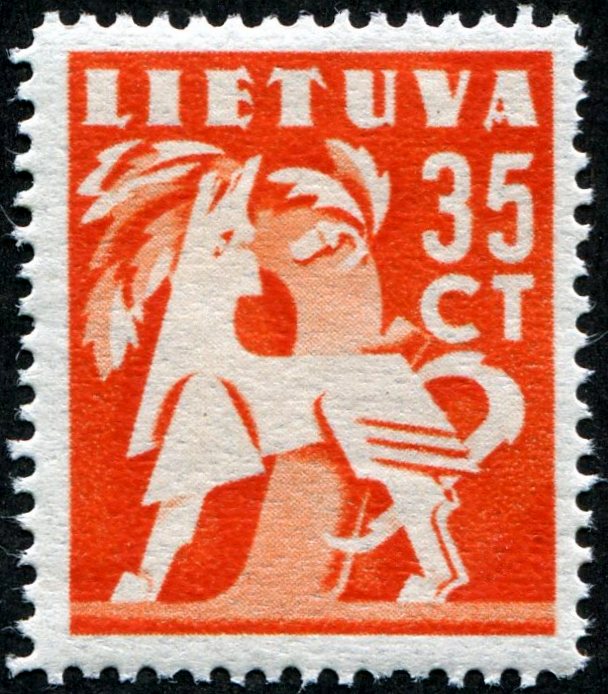
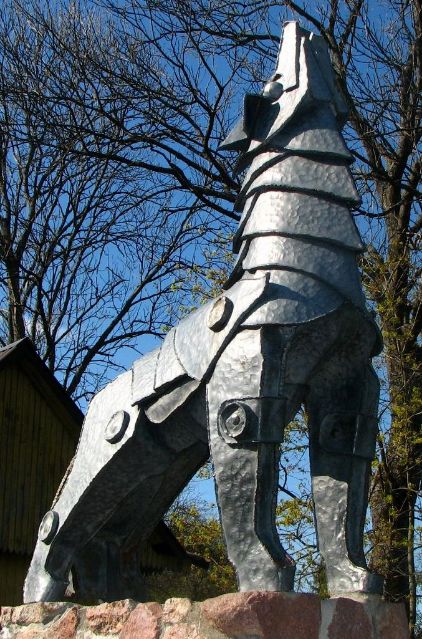
Here is an image of a stamp depicting what both Scott and SG describe as as a "mythical animal," which I believe may well be a stylized representation of Geležinis Vilkas ("Iron Wolf"), a mythical character from a medieval Lithuanian legend about the founding of Vilnius. This stamp was designed by Lithuanian artist Jonas Juozas Burba (1907-1952), printed by photogravure, and issued by Lithuania on July 19, 1940 as one of a set of six stamps in a "Liberty" issue, Scott No. 322. Also, I have included an image of a sculpture of Iron Wolf for comparison. Note: Today Iron Wolf is one of the symbols of Vilnius and is used by sports teams, Lithuanian military, scouting organizations, and others.
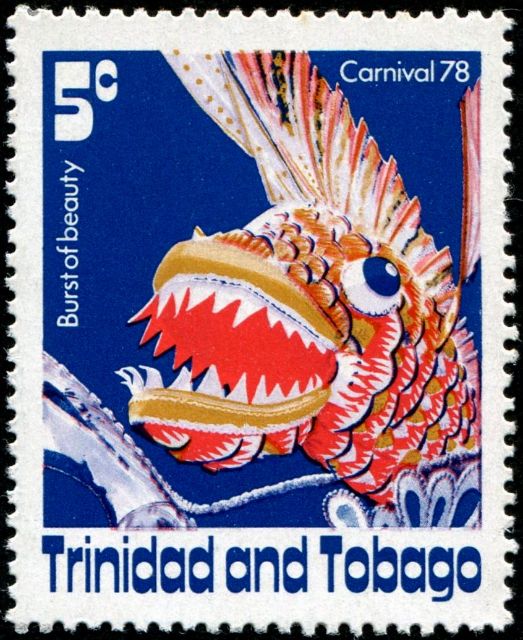
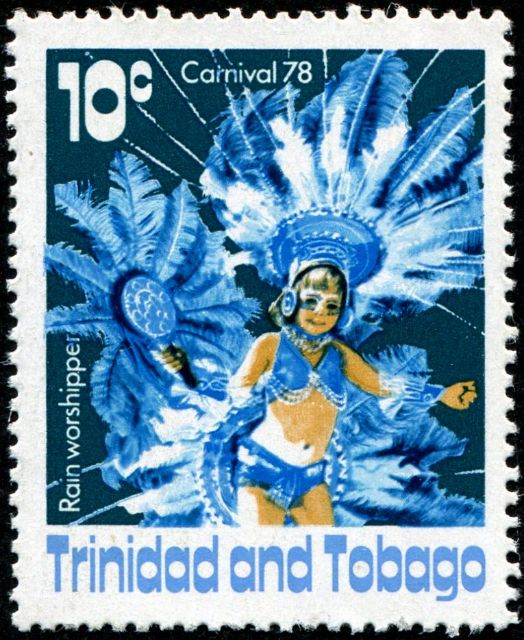
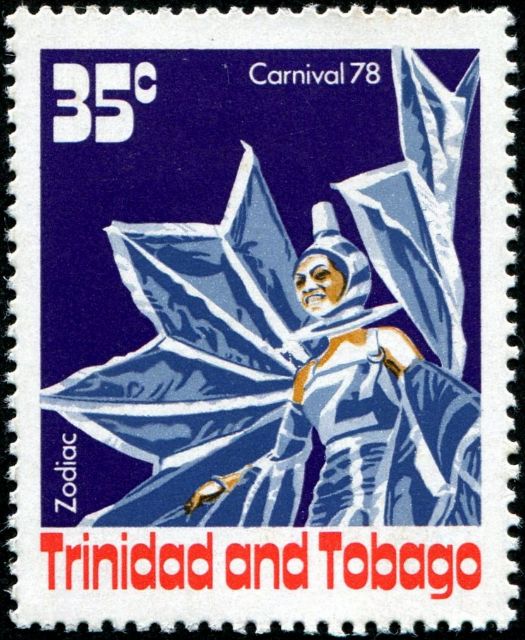
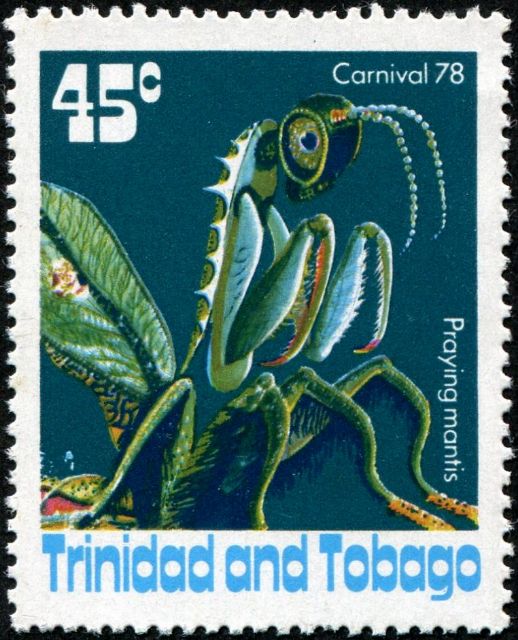
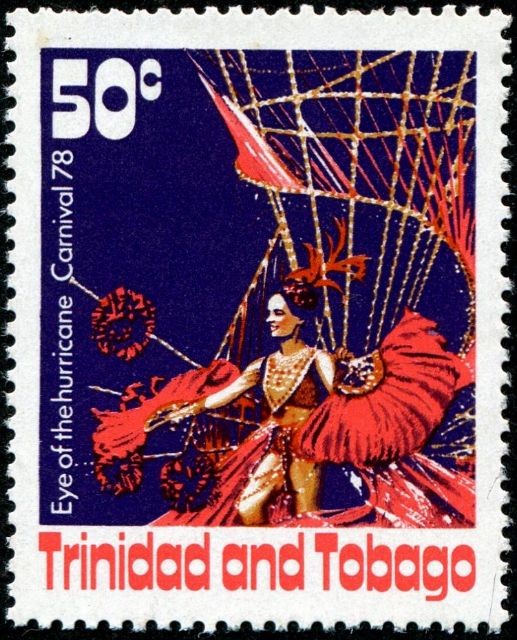
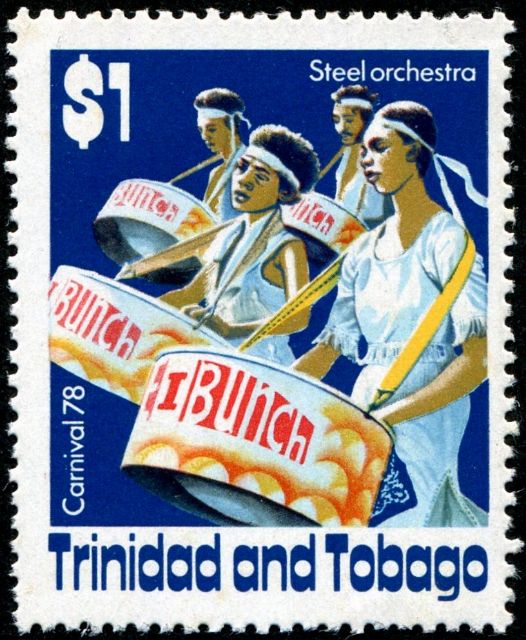
Here are images of the six stamps in a set depicting carnival parade costumes: Burst of beauty, Rain worshipper, Zodiac, Praying mantis, Eye of the hurricane, and Steel orchestra, printed by lithography, and issued by Trinidad and Tobago to publicize Carnival 78, Scott Nos. 296-301.
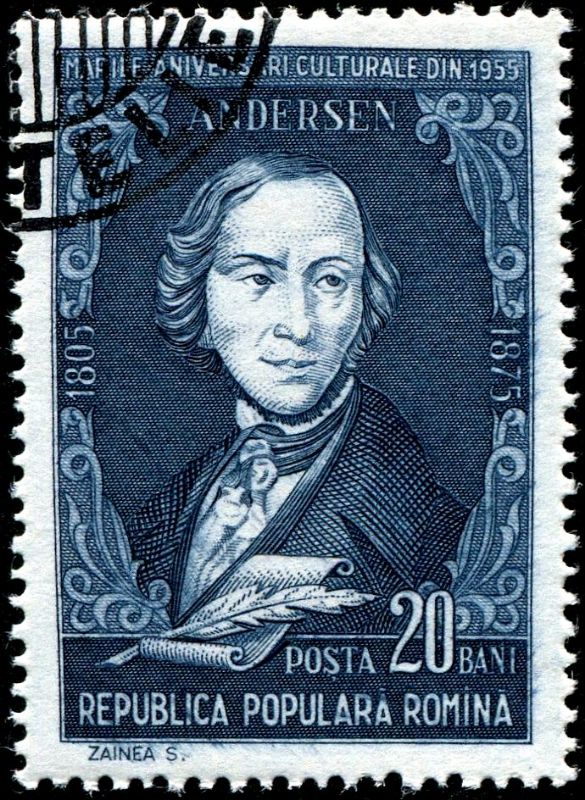
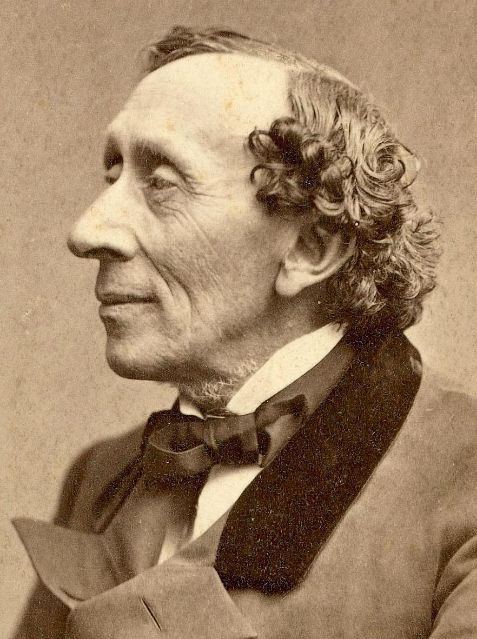
Here is an image of a stamp featuring a portrait of Hans Christian Andersen (1805-1875), a Danish author best known for his famous fairy tales, including "The Emperor's New Clothes," "The Little Mermaid," and "The Ugly Duckling," designed and engraved by Serban Zainea (1907-1990), and issued by Romania on December 17, 1955 to commemorate the 150th anniversary of the writer's birth, Scott No. 1072, plus an image of a photograph of Hans Christian Andersen taken in 1869 by Danish photographer Thora Hallager (1821-1884).
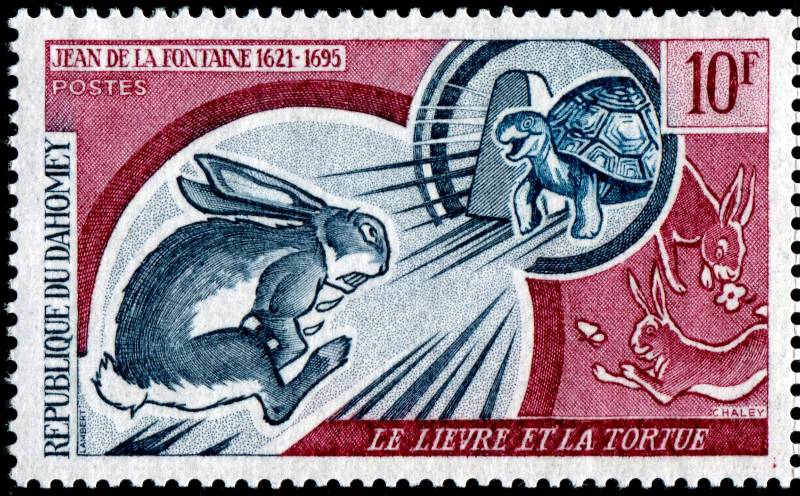
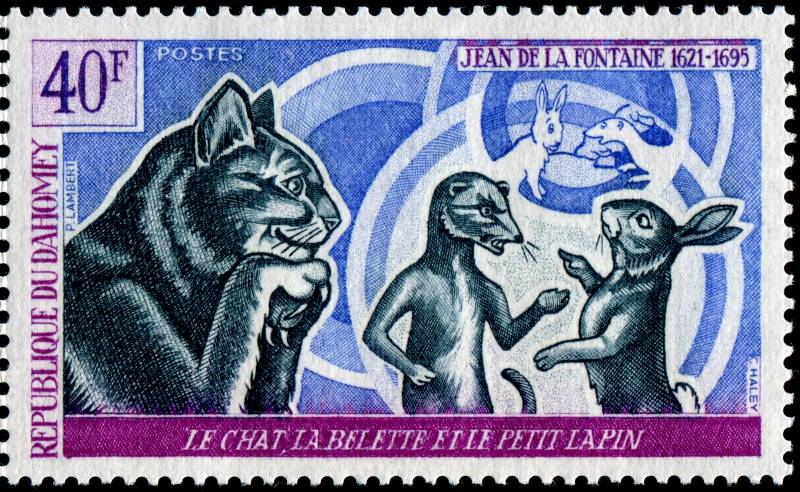
Here are images of the three stamps in a set illustrating scenes from fables by French fabulist Jean de La Fontaine (1621-1695), designed by French artist Pierrette Lambert (1928- ), engraved by Claude Haley (1923-1988), and issued by Dahomey on August 28, 1972, Scott Nos. 297-99.
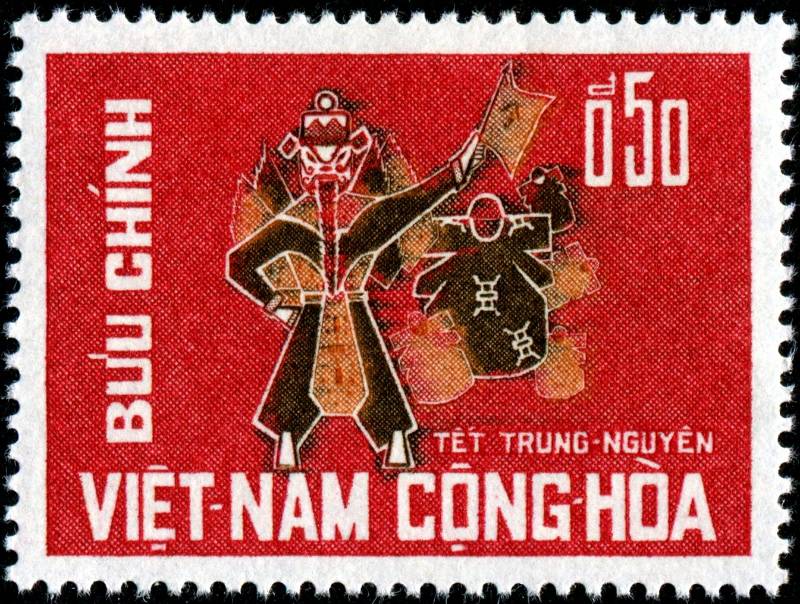
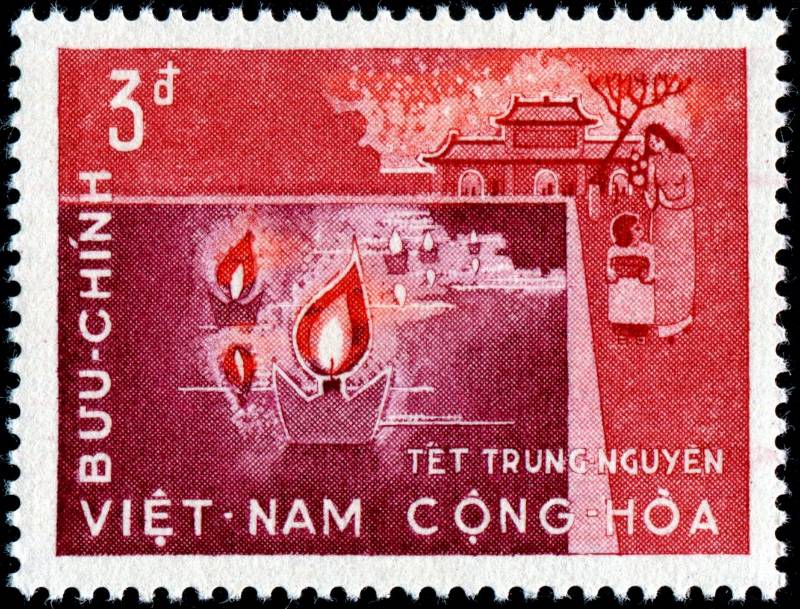
Here are images of the four engraved stamps in a set issued by (South) Vietnam on August 30, 1966 in celebration of Tet Trung Nguyen ("Wandering Souls' Day"), Vietnam's second largest festival of the year (after Tet Nguyen Dan, "Lunar New Year's Day"), Scott Nos. 283-85.
- nethryk
Paper soldiers, designed by Nguyen Thi Hien.
Man and woman making offerings, designed by Tran Ngoc Tang.
Floating candles in paper boats, designed by Nguyen Huu Chau.
Woman burning paper offerings, designed by Nguyen Uyen.
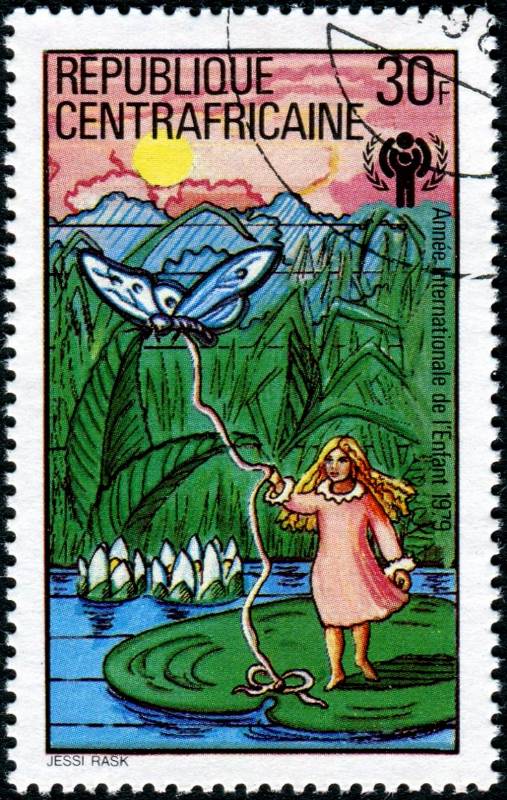
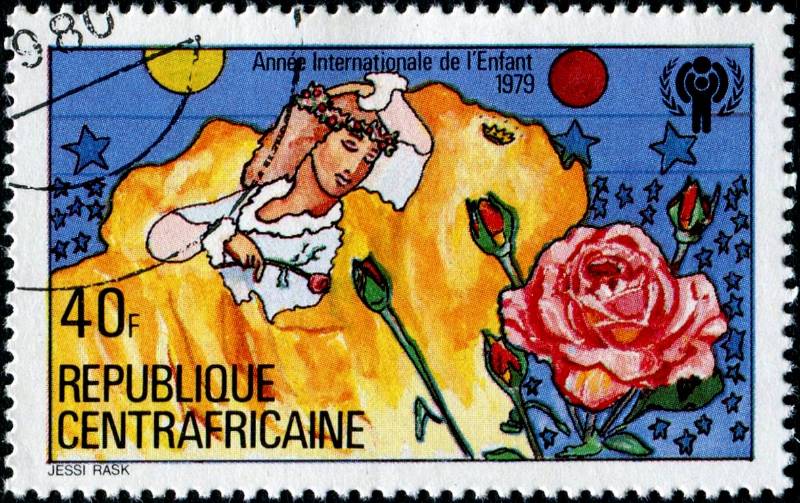
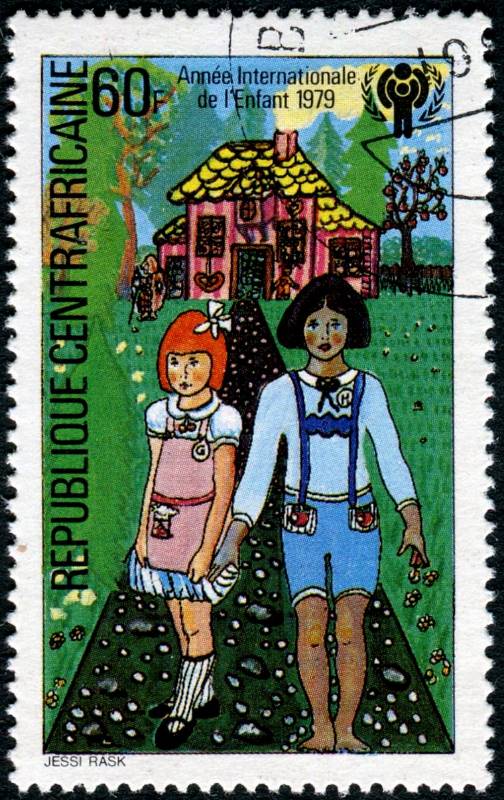
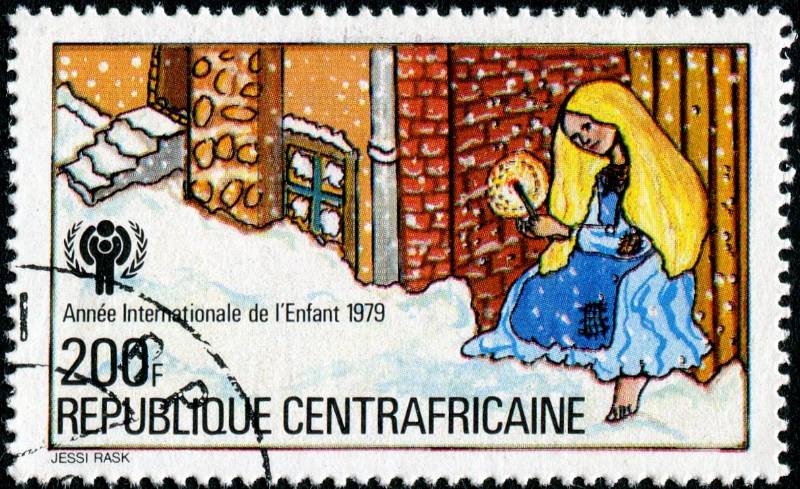
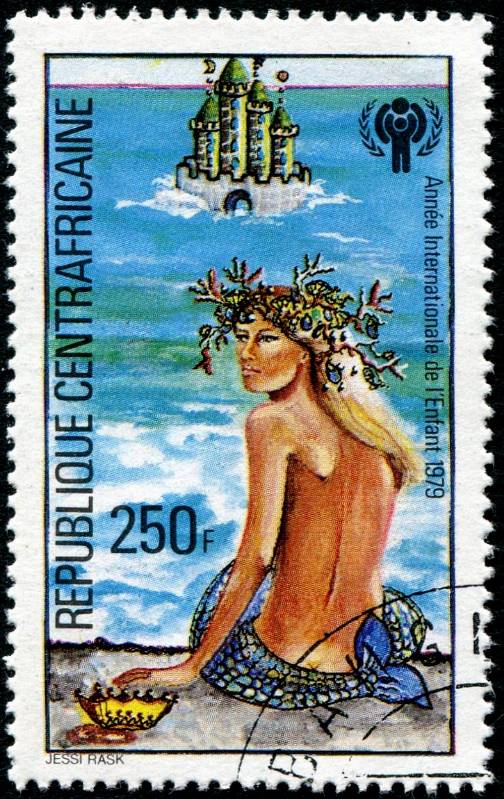
Here are images of the five stamps in a set illustrating scenes from various fairy tales and children's stories, and the IYC emblem, designed by Jessi Rask, printed by lithography, and issued by Central African Republic on December 15, 1979 to publicize the International Year of the Child, Scott Nos. 393-97.
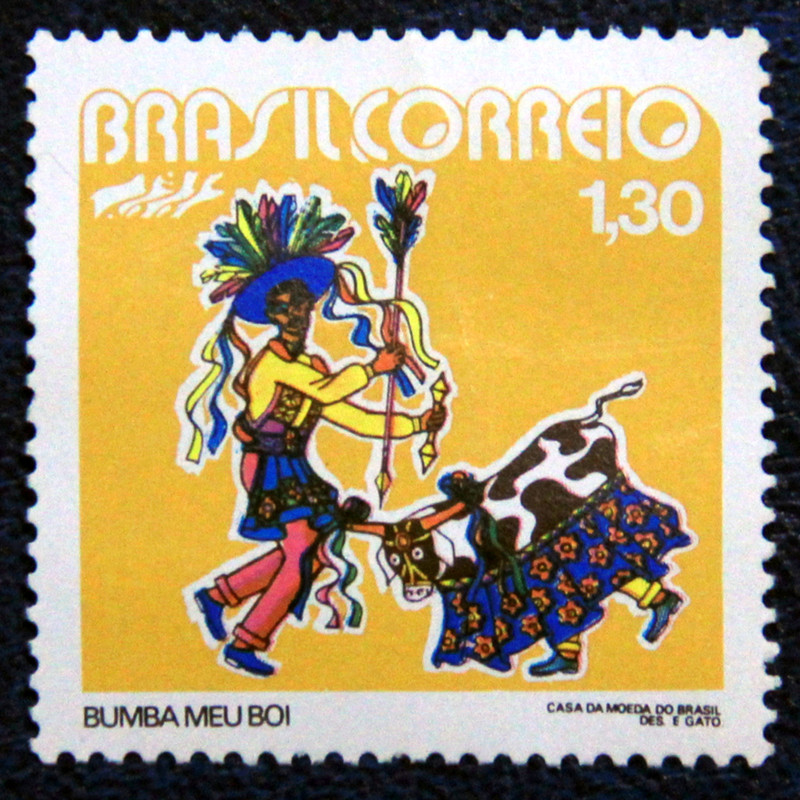
The stamp depicts the folkloric dance of 'Bumba meu boi'.
Today is still practised in the north and northeast regions of Brazil, mainly in Maranhão state. But the costumes are a bit diferent today, more coloured and with a presentation more modern, to a great public and broadcast.
I selected a video from youtube with an old and more traditional presentation:
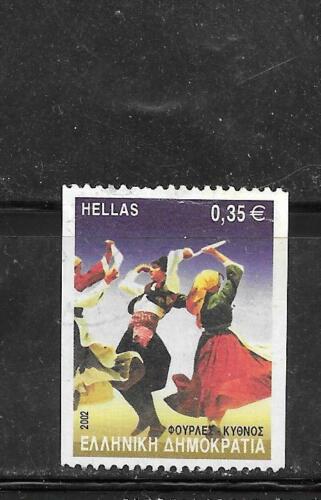
This caught my attention because of the pose of the young man in the dance.This is a country dance. When I first saw it I thought he was wearing the beaked mask people wore during the Black Plaque to mask the odor and also to scare away spirits that might be causing it. I looked closer and saw that is his hand. Does anyone know the origin of this dance and what it might mean?
Disclaimer: While a tremendous amount of effort goes into ensuring the accuracy of the information contained in this site, Stamp Community assumes no liability for errors. Copyright 2005 - 2026 Stamp Community Family - All rights reserved worldwide. Use of any images or content on this website without prior written permission of Stamp Community or the original lender is strictly prohibited. Privacy Policy / Terms of UseAdvertise Here





 Posted 11/26/2016 09:54 am