| Author |
 Replies: 94 / Views: 49,163 Replies: 94 / Views: 49,163 |
|
|
|
Valued Member
United States
254 Posts |
|
|
Thank you very much! Trying to study and organize United States covers. Cannot find online an info about DIE identification - exact measurements. Would you help?
I can make more scans and provide with all the measurements in a minute. Thank you!
|
Send note to Staff 
|
|
|
Pillar Of The Community
United States
3304 Posts |
|
|
I don't know how much help I can be. I use the same stamped envelope identifier you do.
Exact die measurements? Not sure I follow, perhaps if you explained a bit what you are looking for?
|
|
Send note to Staff
|
|
|
Valued Member
United States
254 Posts |
|
|
I made a conclusion that DIEs are numbered in accordance to the difference in their exact measurements.
As for example: design U91 shared by Scott #s U411 (die 8)
Am I wrong? Why those DIEs are numbered? |
|
Send note to Staff
|
|
|
Valued Member
United States
254 Posts |
|
|
Pillar Of The Community
United States
3304 Posts |
|
|
Quote:
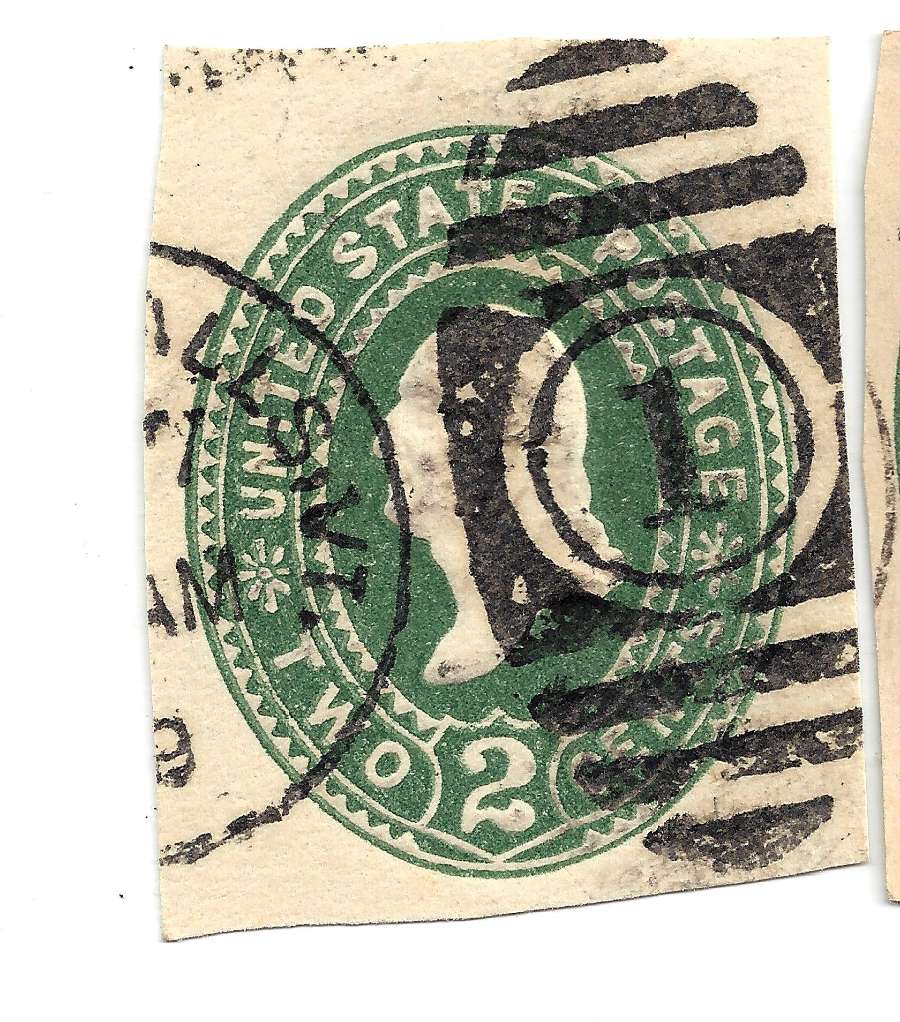
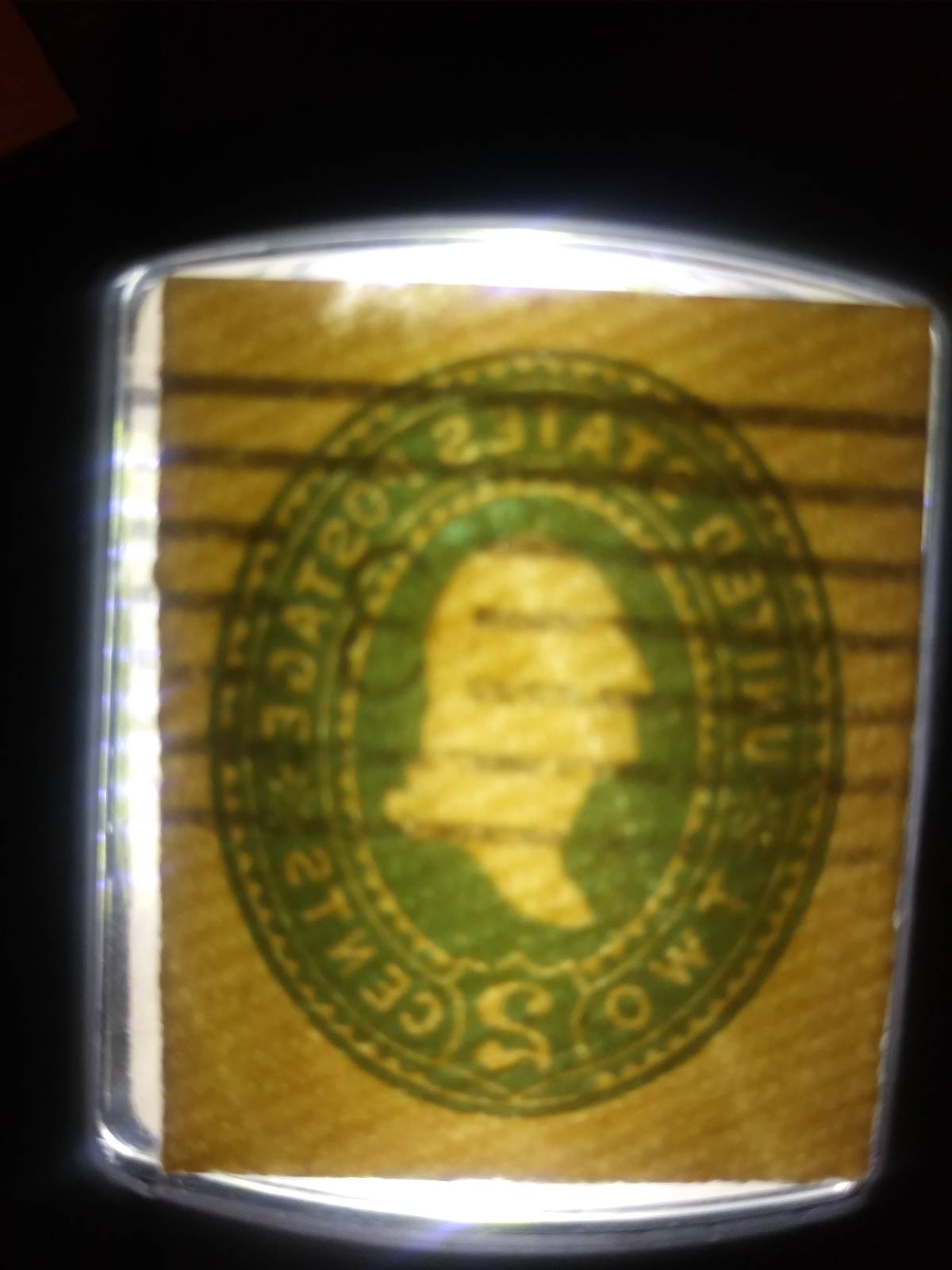
Is it U71?
Do the heavy cancellations make it worthless? Bust points between second and third notches of inner oval.. check "G" of "POSTAGE" has a bar.. check ear indicated by one heavy line .. ?? one vertical line at corner of mouth..check I think it is U71 The value .. that's a nice example of an ellipse cancel, so it's representive of the type. But the back shows some damage. There are lots of nice cancels on cut squares. |
|
Send note to Staff
|
| Edited by littleriverphil - 11/08/2017 5:54 pm |
|
|
Valued Member
United States
254 Posts |
|
|
Pillar Of The Community
621 Posts |
|
|
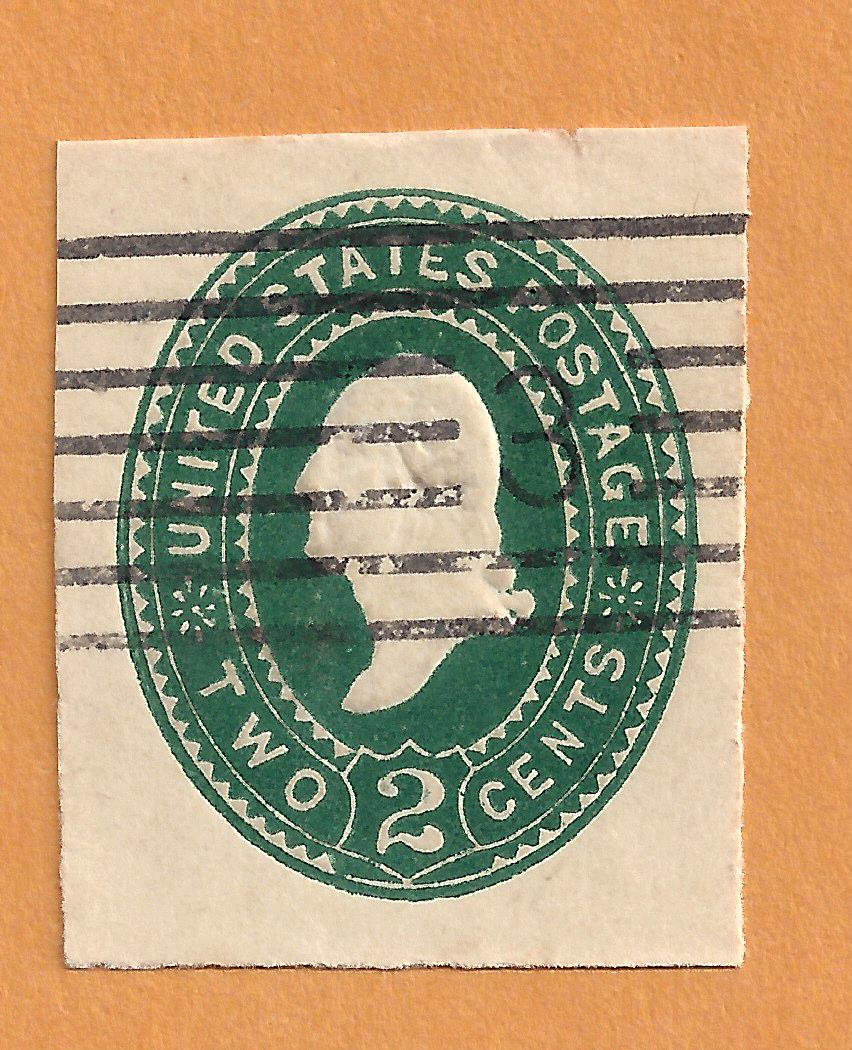
If you are a flyspecker, you may have noticed a couple attributes of this particular cut square. See the three arrows below. These three letters are filled in. The teeth in the upper left show signs of re-entry. Flyspecking this issue can be a rewarding, yet low cost, specialty. Just the thing to scratch that flyspecking itch. There are dozens of die varieties for this 2 cent green.  |
|
Send note to Staff
|
|
|
Valued Member
United States
254 Posts |
|
|
Pillar Of The Community
United States
606 Posts |
|
|
Unfortunately the Scott catalog editors identify the pictures of the various die types with a you prefix, same as they identify the actual envelopes. The number under the picture is sequential and not related to the size of the die. Die numbers for a particular type were generally assigned based on the sequence of discovery and/or issue. Better identification information is available in the UPSS specialty catalogs, one for the 19th century and one for the 20th/21st century. http://upss.org |
|
Send note to Staff
|
Bill Lehr
US Postal Stationery Specialist |
|
|
Valued Member
United States
20 Posts |
|
|
Valued Member
United States
254 Posts |
|
|
Pillar Of The Community
621 Posts |
|
|
Valued Member
United States
254 Posts |
|
|
Valued Member
United States
20 Posts |
|
|
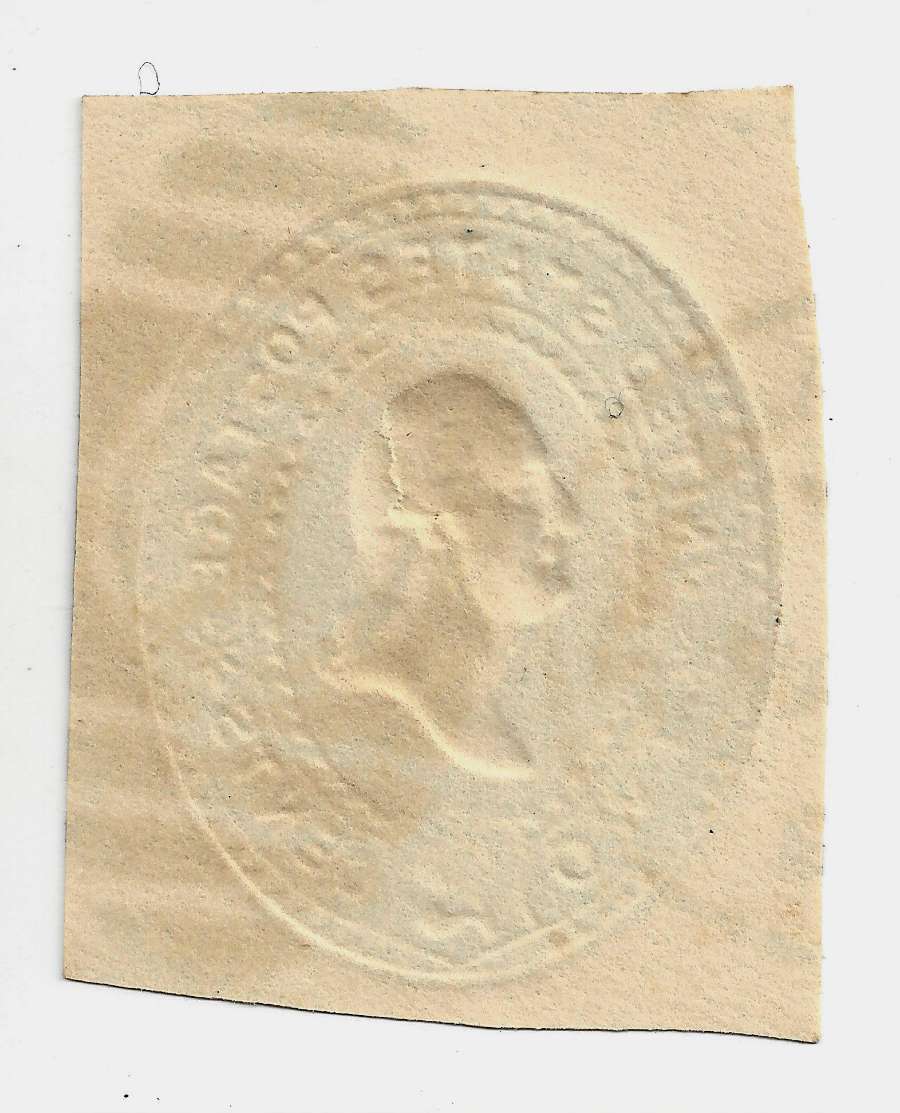
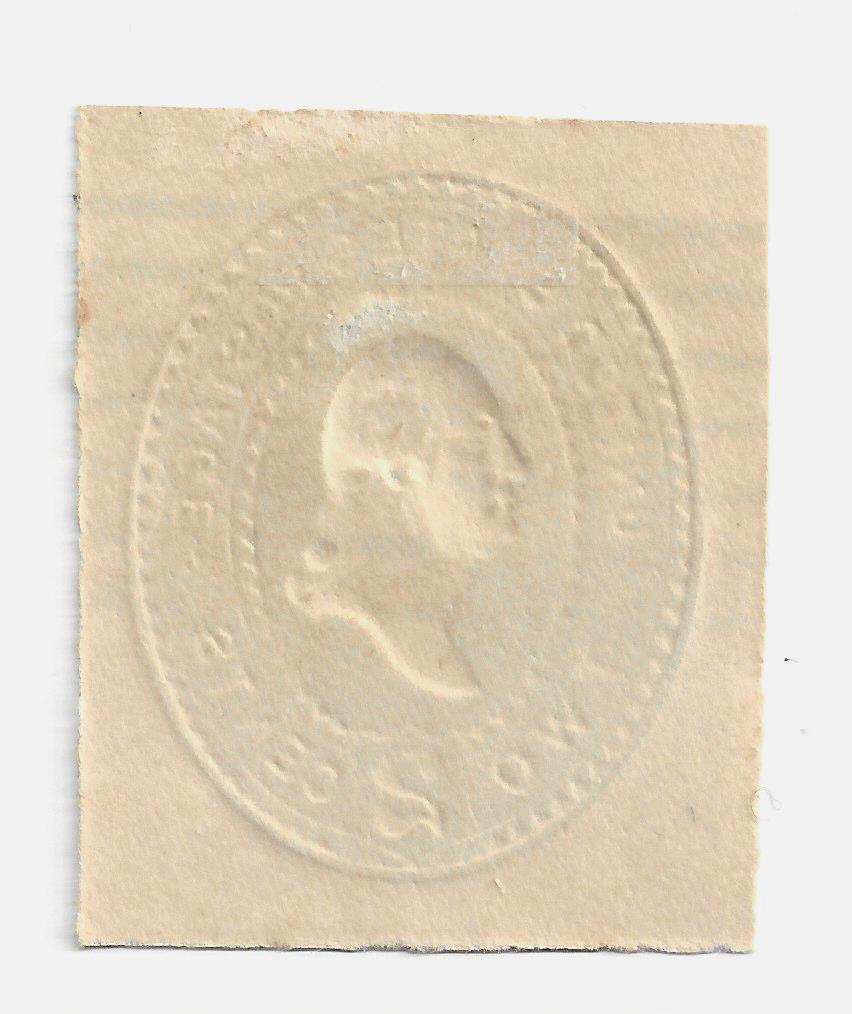
I just had to say the pic you took of the die U71 below with the light shining thru the cut square was genious. you can see the thins and a great pic of laid paper with the diagonal pattern showing clearly. Nice Pic |
|
Send note to Staff
|
|
|
Valued Member
89 Posts |
|
|
@spain_1850 -- postalstationery.com has a whole section of cut stamps by their U numbers in chronological order, so you can at least attach a Scott number. Granted, there are undoubtedly print catalogs that go into intense infinity on varieties, etc., but IMO this is a good basic reference that may be a free help especially for the "I inherited a boxful of squares and have no idea what these are" peoples. |
|
Send note to Staff
|
| Edited by STTScott - 05/01/2021 3:51 pm |
|
|
Replies: 94 / Views: 49,163 |
|




 Posted 11/08/2017 11:05 am