Niuafo'ou (Tin Can Island or Good Hope Island)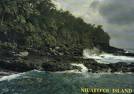 Geography:
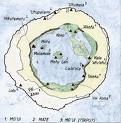
 Niuafo'ou (meaning coconut) is the northernmost island in the kingdom of Tonga. It is remote, to say the least. The island is located between Fiji and Samoa in the far Southern Pacific. The surface area of Tin Can Island is slightly less than 6 square miles. The island supports an indigenous population of about 800. Tin Can Island was born of a still active volcano which has erupted as recently as 1946. The ring encloses two lakes and supports a significant forest on the inner walls of the crater lake. There is no good harbor or anchorage to provide easy access to the island for larger ships.
 History:
 Tin Can Island was known to European explorers as early as 1616. They used the island as a remote source for fresh water and coconuts. Although they tried to trade with the few natives on the island, they were not well received. Over the centuries the island became more popular as a tourist destination, but until recently there was no good way to get there. The island now boasts of a small, but dangerous, airport and satellite communications including television and Internet service.
 Philatelic Significance:
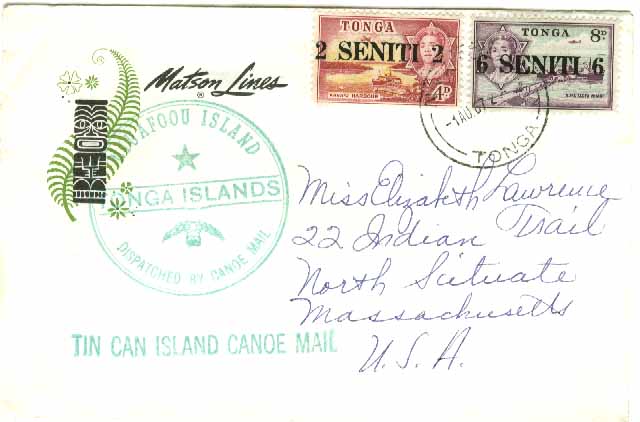
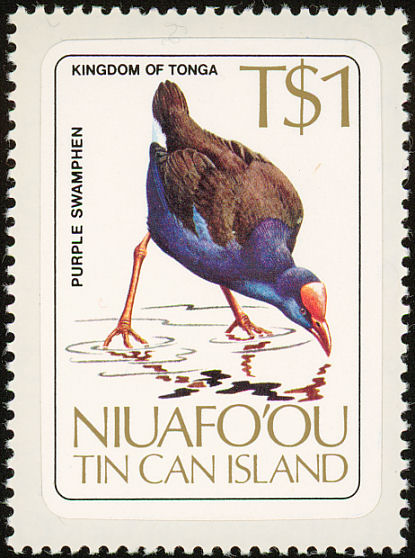
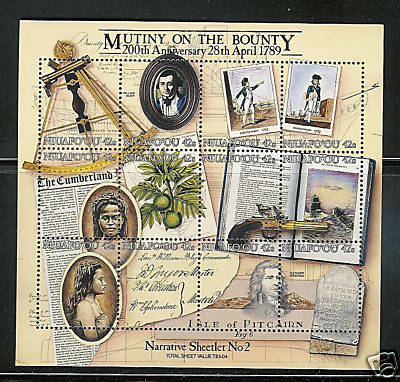
 An early trader, Walter George Quensell, acted as the postmaster for the island. He stamped outgoing mail with colorful marks that have become valuable collector's items. The Tongan government took over Tin Can Island's postal service in 1983 and has been producing Niuafo'ou stamps since.
As stated above, the very steep slopes and deep water around the island do not permit anchoring. There is only one landing area and it is remote from the villages, post office, telecommunications station and airport. Niuafo'ou was named Tin Can Island by Europeans in appreciation for the way in which mail was delivered and picked up. Mail was sealed in a large "biscuit tin" and thrown overboard from passing ships. Strong swimmers would retrieve the packages and swim them ashore. Outgoing mail was handled in a similar manner. This practice continued until a swimmer was attacked and killed by a shark. After that, smaller tins were used and were transported by canoe.





 Posted 10/31/2008 2:23 pm




 . note the other story of a one legged burglar.!


