| Author |
 Replies: 14 / Views: 2,355 Replies: 14 / Views: 2,355 |
|
|
Valued Member
United States
102 Posts |
|
|
So all you lot buyers out there I wanted to share my finds and open the floor up for discussion and for you to post some of your new finds. Here are my oldest finds in the lot. First up is Scotts #14 rose color. Nothing special but has CDS of London in */25/63 I do believe. It look like the cut it out on the top and bottom. But I like it has CDS. Not worth much, but the kinda stamp I like to keep. 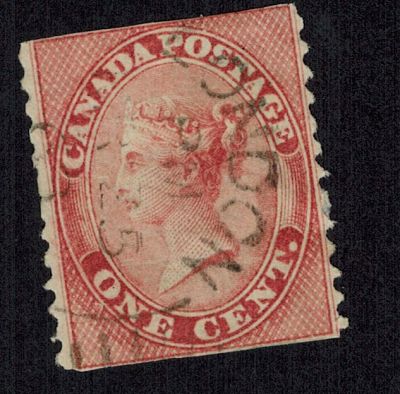 next we have scotts #15. Its in very clean shape. Its centering is decent for this issue and I would call Fine for this issue. and I do feel this is on thin paper. I could be wrong, but it seems to be so compared to the other two I own. Now in my opinion I see a face in the Sky. Is that the Sun? My other two have such heavy cancels I can really tell if thats in them. Some 1859 experts feel free to comment on these I don't know much about this issue. I also see a faint red line on the left and bottom. Is this a re-entry type to? 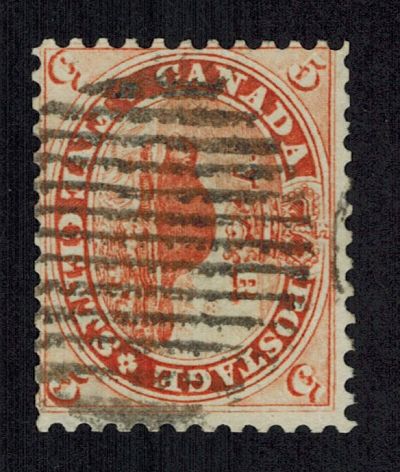 Last is #19. It has a beautiful blue color only fault with this is it was trimmed to close on the perfs when they soaked this off. Shame cause this color just pops. Scan doesn't do it justice. 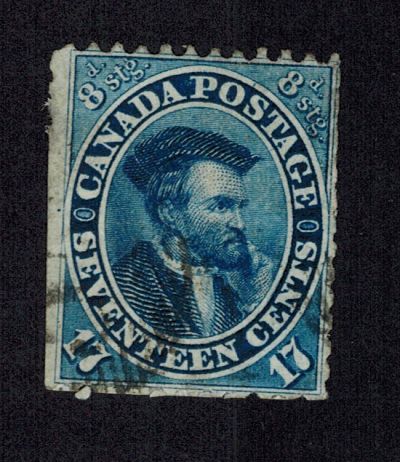 Hope to hear back from you fellow Canadian collectors. Joe |
|
Send note to Staff
|
| Edited by josephswager - 09/17/2014 11:28 pm |
|
|
|
|
Pillar Of The Community
Canada
2277 Posts |
|
|
Nice CDS on the 14. It was a fairly strict rule of postmasters to have the cds portion of a cancel on the envelope and the obliterator part canceling the stamp. The rule was put in place so even if a stamp fell off they could still have a way to track letters. This rule wasn't repealled till sometime in the 1890's so any early issues with CDS are nice to find and keep. Not to say they are "rare " or worth alot but some can be . I'm not knowledgeable on exactly which ones have higher values but there is a BNAPS study group for these. |
Send note to Staff 
|
|
|
Valued Member
United States
102 Posts |
|
|
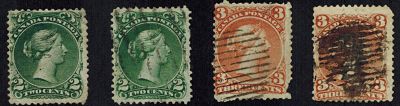
Wow thats a harsh rule nitrolures. I bet that cuts down on CDS stamps till 1890's Although, I do have a lot on my small queens so I'm guessing they didnt always follow that. So I did a lot of reading looks like scott 15 is just a poorly poorly centered normal version(it might still be thin paper or my other two are thick paper) Up next the large queens I have found |
|
Send note to Staff
|
| Edited by josephswager - 09/18/2014 11:28 am |
|
|
Valued Member
United States
102 Posts |
|
|
Rest in Peace
Canada
6750 Posts |
|
|
The second 3c looks like thick paper maybe. I would want to soak or float it to remove the possible excess paper or hinge remnants firstly I think.
I like the extra heavy cancel on it though, it looks like the postmaster used the cancelling device to actually move the envelope through his area of cancelling. |
|
Send note to Staff
|
|
|
Valued Member
United States
102 Posts |
|
|
Soaking it now with some small queens. I'll post it back up when its got its bath ;) |
|
Send note to Staff
|
|
|
Valued Member
United States
102 Posts |
|
|
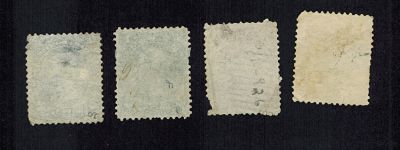
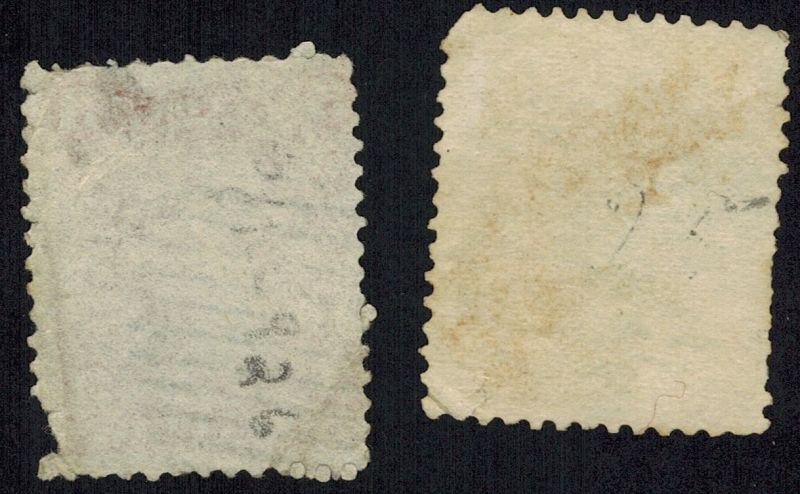
Okay I soaked this and pressed it last night. I am still feeling this is the thick paper verity. What does everyone think? before soak front and back: 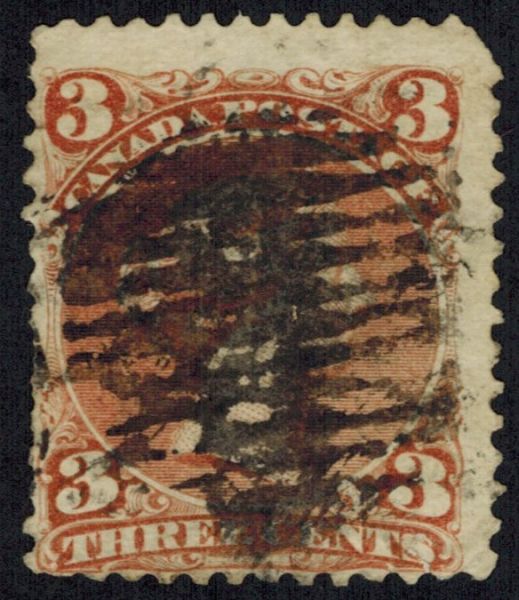 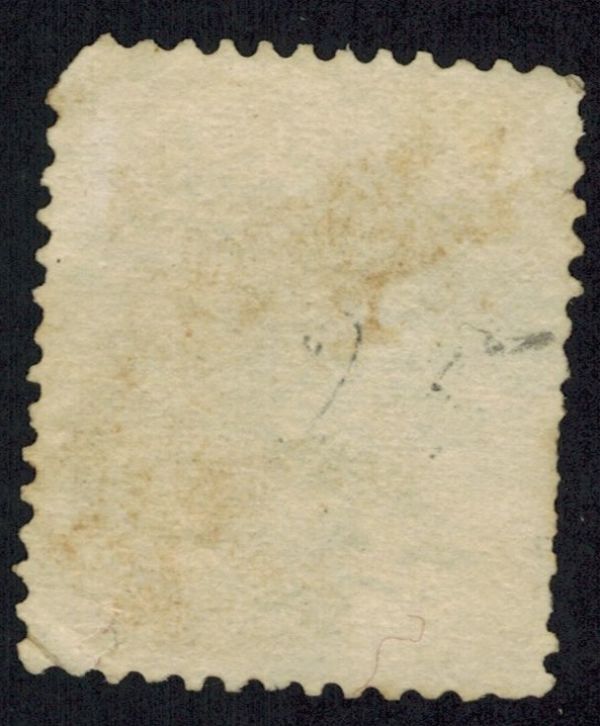 after: 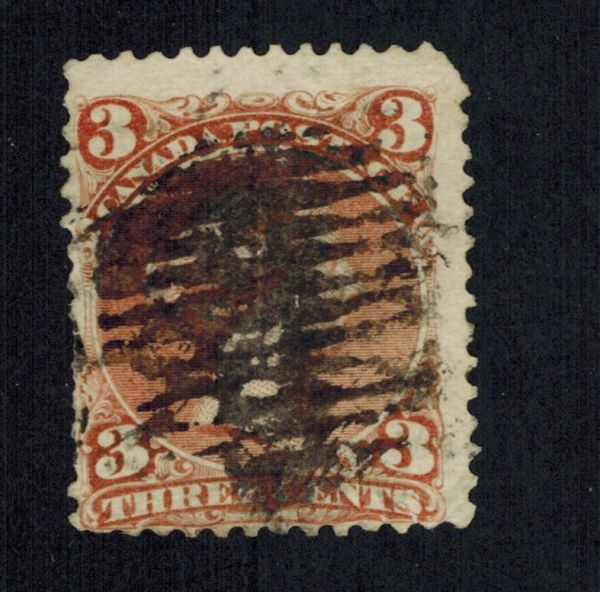 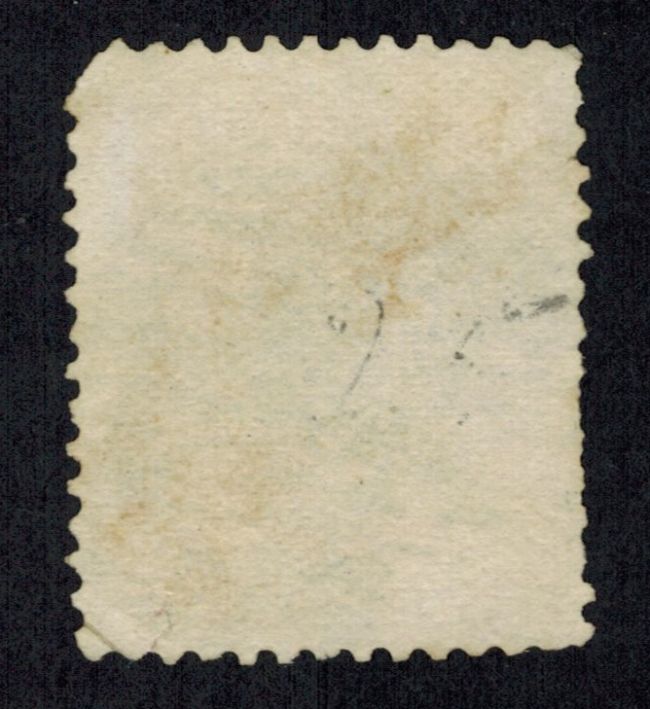 can't wait to hear feedback. |
|
Send note to Staff
|
|
|
Pillar Of The Community
United States
728 Posts |
|
|
There are at least two common papers that exhibit the characteristics here. Duckworth has a paper #3 and a paper #10 that show similar characteristics to this stamp. Paper #3 is common on early printings of the three cent value while paper #10 is common on later printings. Both papers show the horizontal wove paper that can be seen on this stamp. Paper thickness varies considerably and would have to be measured. |
|
Send note to Staff
|
|
|
Valued Member
United States
102 Posts |
|
|
Watermark - I know this sounds very dumb but how does one measure thickness of stamps. I ask cause even thick stamps are very thin. is there a program that allows one to do this or do you need to do this with a lot of magnification? I'm trying to find out if this is either 25viii or 25iii its a lot thicker than most the 3c #25 I own |
|
Send note to Staff
|
|
|
Pillar Of The Community
United States
728 Posts |
|
|
They make a specialized tool that measures in in very small increments of paper thickness. Google measuring paper thickness and you will find some links to various tools. |
|
Send note to Staff
|
|
|
Valued Member
United States
102 Posts |
|
|
Pillar Of The Community
United States
728 Posts |
|
|
My 2c LQ was measured at approximately .0036 in. thick. The one above lists accuracy to .0005 inches but the scale is in mm. You may have to do some math to convert the readings depending upon the comparison you have for reference. Otherwise it is probably accurate enough. I am not an expert on these however. |
|
Send note to Staff
|
|
|
Valued Member
United States
102 Posts |
|
|
So here is a quick one I ran accross today in this lot. It's not a small queen. I'll be getting to all the cool ones I found in a bit. So I had about 100+ of #97 of the QT issue in the first all but two where like this one. 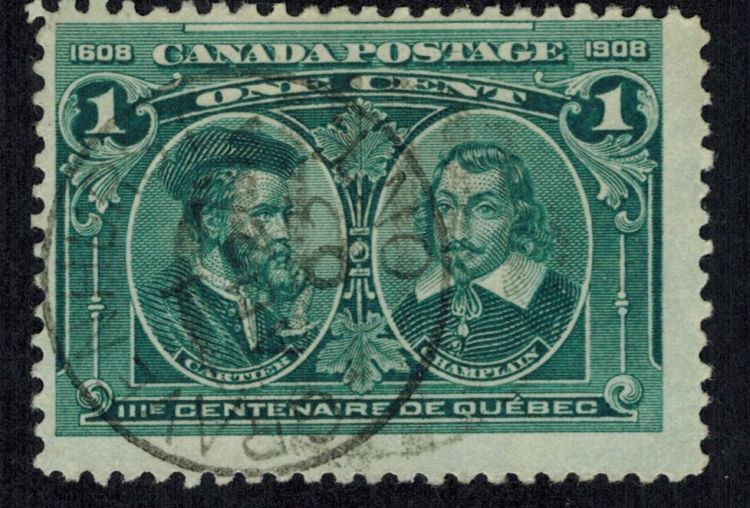 Now I had two that have all these hairlines in the margines is this the 97i and if yes how does one know if its part of plate 2? 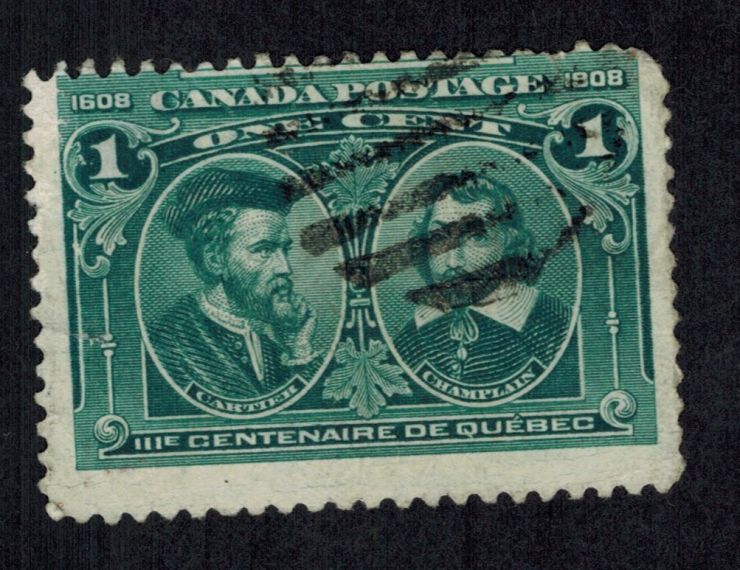 here is a close up of what im talking about its all along the bottom and left margins.  |
|
Send note to Staff
|
|
|
Pillar Of The Community
Canada
2277 Posts |
|
|
plate cracks on the lower value QT series were fairly common due to the high volume. Some later runs show many hairlines like this. |
|
Send note to Staff
|
|
|
Pillar Of The Community
Canada
528 Posts |
|
|
Hers is a Scott 97i - cracked plate - in block of 4. The Scott 97i is UR.  - stamporator - |
|
Send note to Staff
|
|
| |
Replies: 14 / Views: 2,355 |
|




 Posted 09/17/2014 10:58 pm