| Author |
 Replies: 144 / Views: 28,561 Replies: 144 / Views: 28,561 |
|
|
|
Valued Member
United States
466 Posts |
|
|
1. So to summarize. Instrumental techniques could DISPROVE/FAIL TO DISPROVE the genuinness of the printing by revealing anomalies when compared to references. Recommended to use the best currently available analytical techniques which include lighting, magnification, and spectrographic analysis.
2. To subsequently FURTHER SUPPORT/PROVE the variety would require other examples, multiples, plate studies etc. which is expertise specialists in the issue, and experts in printing techniques are likely to provide.
There is a dearth of supporting material with number 2. |
Send note to Staff 
|
|
|
Valued Member
United States
466 Posts |
|
|
I mentioned the Scott 233 three leaf variety because here would seem to be a plate or relief variety. I have many identical examples of this leaf variety. However, even though instrumental techniques would fail to disprove their genuinness, the analysis of printing plates, multiples, proofs etc demonstrate it is an inking variety, and not a plate or relief variety.
The 231 broken hat variety is indeed a plate variety. There are many similarities between the broken hat and the three leaf variety from appearance, but the how it happened are very different. Three leafs occur in random unpredictable manner and there are no proofs. Broken hats are plate and position specific and there are proofs.
It was an immense amount of study by many to arrive at the distinction. |
|
Send note to Staff
|
| Edited by Crouse27 - 10/01/2016 10:18 am |
|
|
Moderator

United States
12330 Posts |
|
|
Seems like the thread has come full circle. Single example in dispute, no new evidence that this is a legitimate variety, research continuing. I am thankful the original stamp was removed from sale. Perhaps over time another example will surface and definitive evidence will be uncovered.
The best part of the thread is that Dr. Sollenberger joined and presented his findings. While his 60,000 stamp collection is only a small fraction of those printed, it certainly represents a very significant sampling size. It seems to me to be further evidence that the likelihood of a 'right cap only' plate variety is highly unlikely.
Don
APS #094826 |
|
Send note to Staff
|
|
|
Valued Member
China
460 Posts |
|
|
Pillar Of The Community
United States
1868 Posts |
|
|
same:
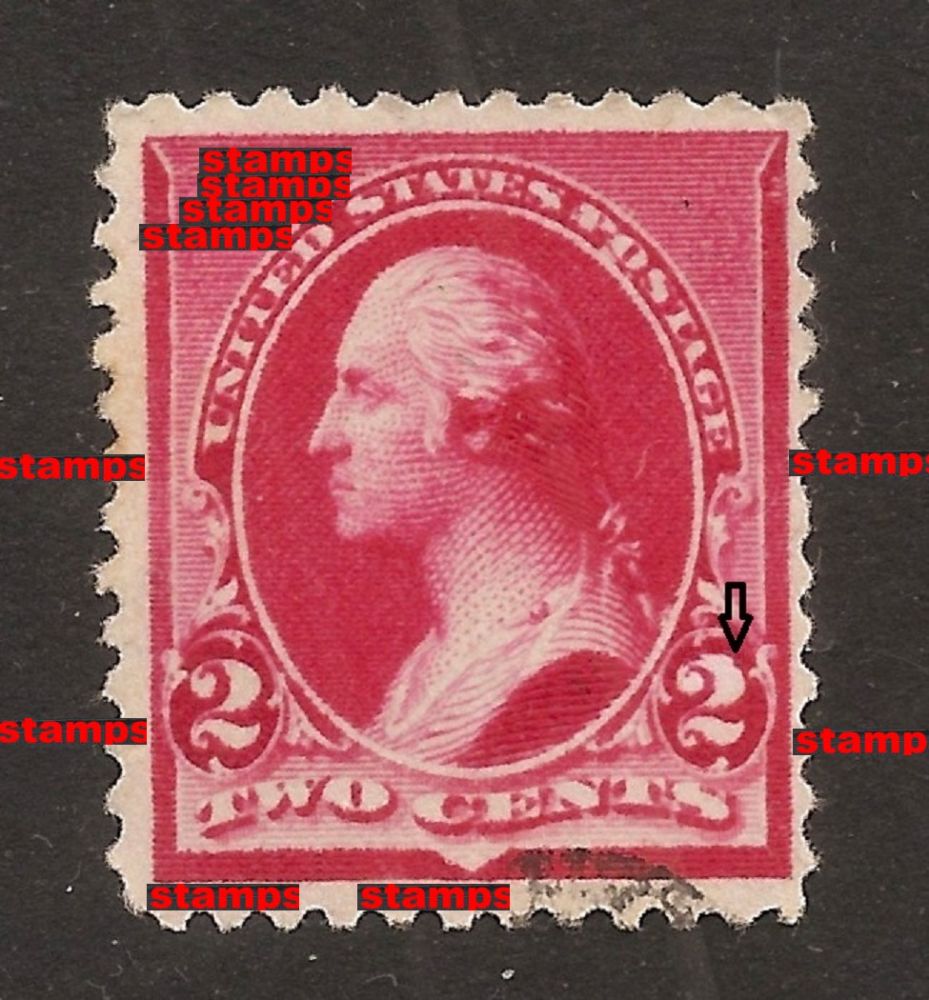
Please post an unaltered scan without the wording STAMPS obscuring anything, including both front and back, state whether you possess the stamp or whether the image is from somewhere else, and state a specific question. Thanks.
Chris
|
|
Send note to Staff
|
|
|
Pillar Of The Community
United States
2947 Posts |
|
|
Same,it appears your example shows extra ink intruding into the top of the 2. That causes the area that remains to appear like a cap on top of the 2. |
|
Send note to Staff
|
|
|
Pillar Of The Community
United States
2947 Posts |
|
|
I've traced a crude line along the top of the 2. Trying ti show that your cap is actually part of the original body of the 2. 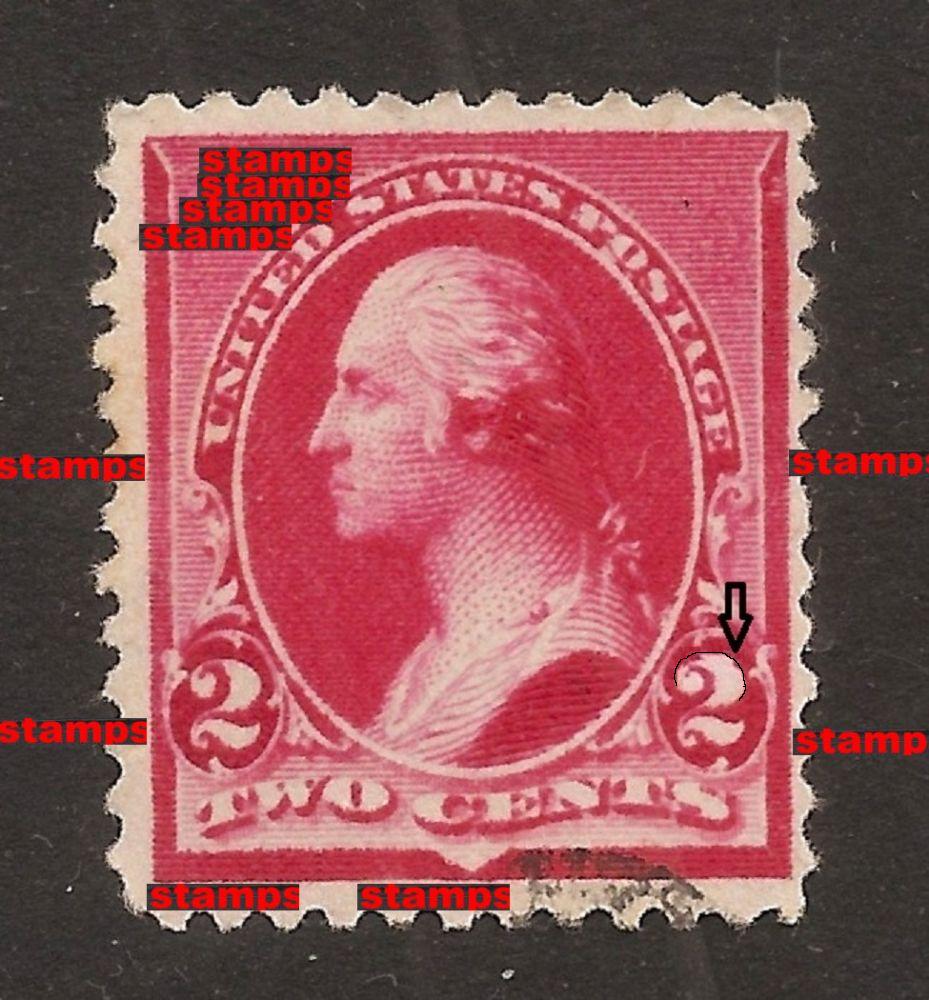 |
|
Send note to Staff
|
| Edited by stampcrow - 11/26/2016 9:54 pm |
|
|
Valued Member
216 Posts |
|
|
Stupid question from a questioning novice. Could there be an extreme chance this is not a plate verity but instead a inking anolily? I have a number of these stamps with odd white blotches in different areas of the stamp where some form of dust or grime was on the plate, causing the ink not to transfer. It would be exceedingly unlikely that something would be in exact spot that would create an exact whiteblotch above the 2. Of the million of stamps produced, there are any number of anomalies that would not be considered plate variations. Maybe same thinking as putting monkeys in a room with a typewriter, some day, given enough time, they would write Shakespeare. Like I said, real novice about some of these things. |
|
Send note to Staff
|
| Edited by Magguss - 11/26/2016 10:45 pm |
|
|
Pillar Of The Community
United States
930 Posts |
|
|
Pillar Of The Community
United States
6667 Posts |
|
|
Pillar Of The Community
United States
937 Posts |
|
|
Edit: Removed stuff to start with an email.
=========
Stallzer:
"The only way to catch a fish is to have a line with bait in the water."
I think that your parable is quite relevant. |
|
Send note to Staff
|
Ryan = HDNAC = DNA = HDC = Hysterical DNA Collector = Historical DNA Collector = me who just loves stamps :) |
| Edited by Historical DNA Collector - 05/15/2017 11:42 am |
|
|
Valued Member
United States
10 Posts |
|
|
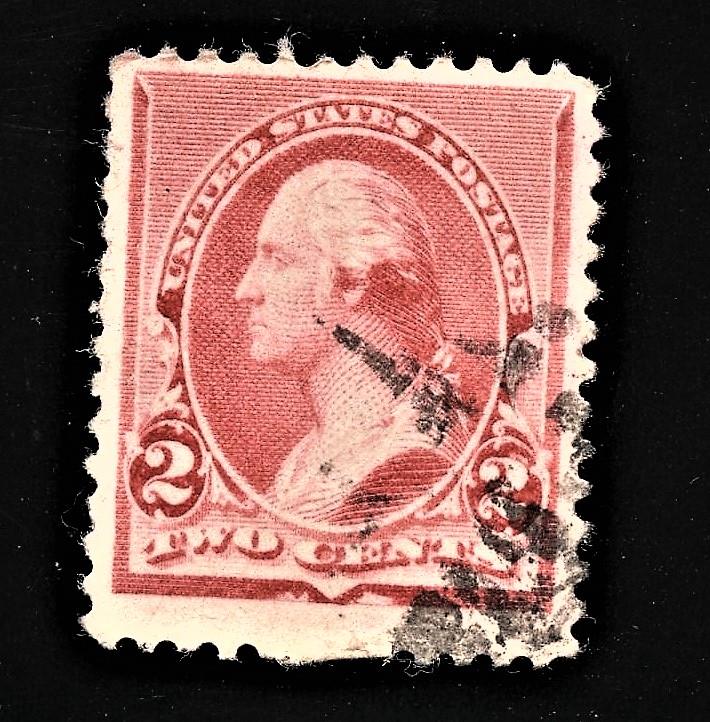
The right cap (220b) issue is back. The red sludges or lines in white ovals around you S Postage clearly show that this stamp comes from an altered 220c stamp. See article by me in USS Specialist, Dec 2015. The PF chert was done before the PF obtained much better equipment. It should be redone. The original source of the breaks was very very likely due to heating of the metal done improperly. See Latta article in the '40s. I emailed the ebay seller with this info. He "lol" me. And, called a few other things. His stamp, his bad reputation. |
|
Send note to Staff
|
|
|
Pillar Of The Community
United States
2547 Posts |
|
|
Valued Member
Canada
98 Posts |
|
|
Bedrock Of The Community
12722 Posts |
|
|
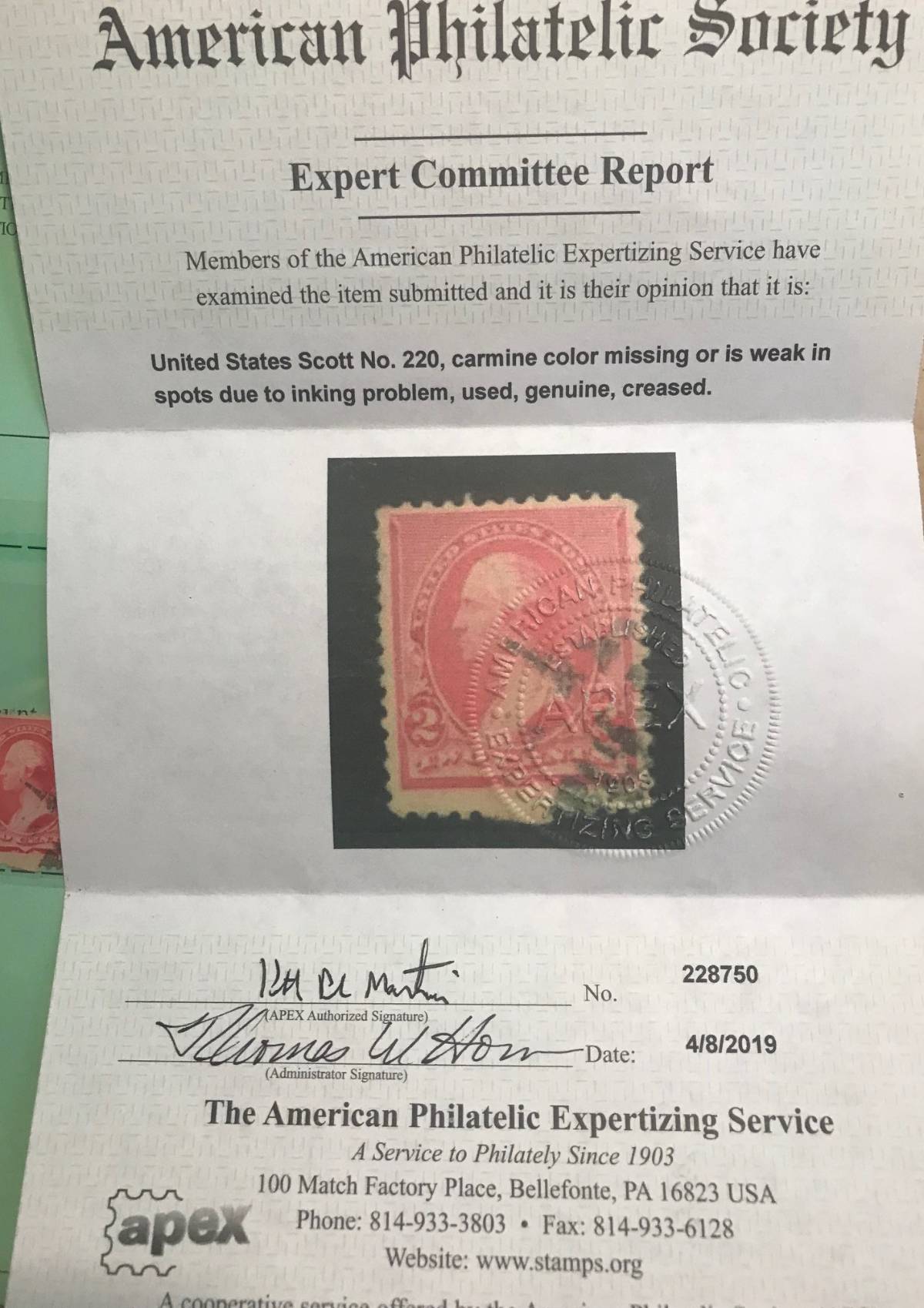
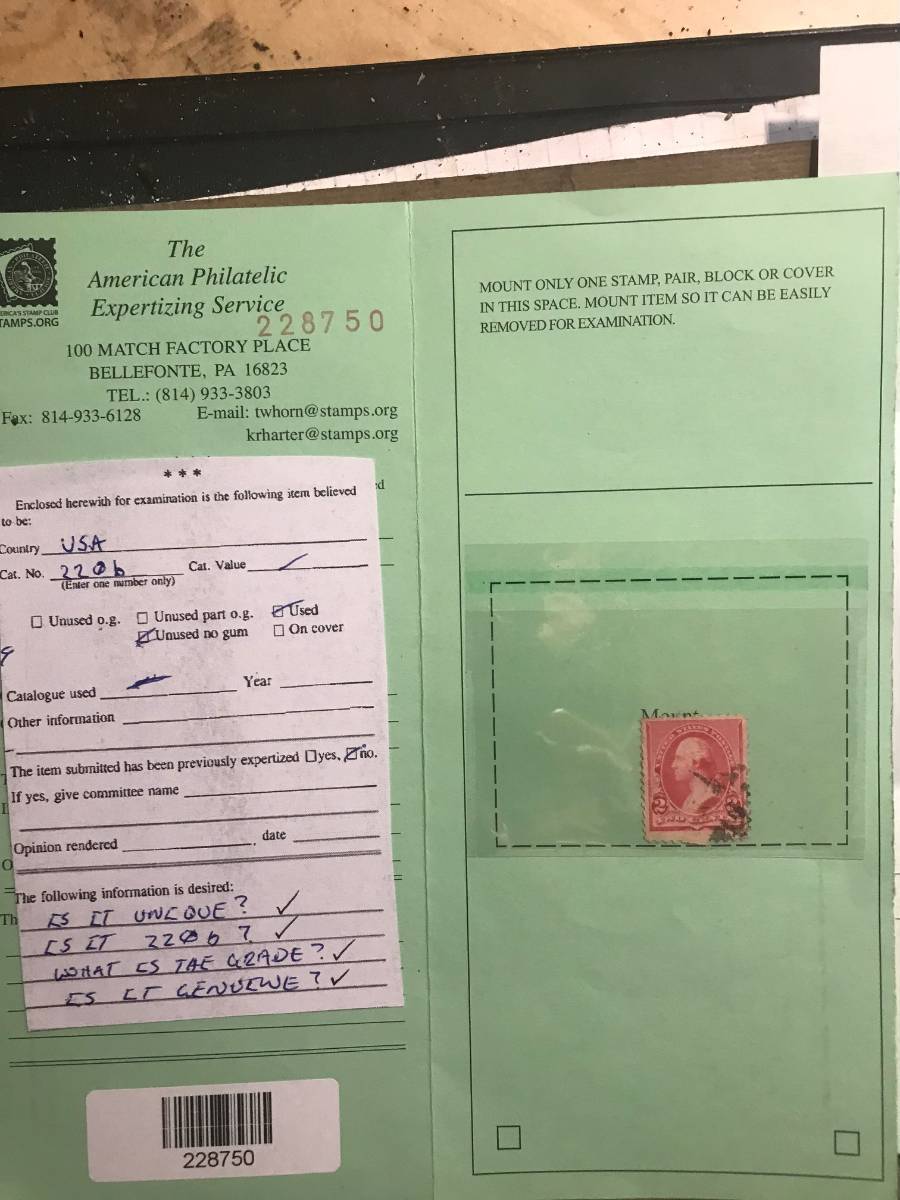
What is your question? APEX states what it is. A used 220 with an inking problem and a crease not to mention a lot of perf problems. The cert cost many multiples more than the stamp is worth. |
|
Send note to Staff
|
|
|
Replies: 144 / Views: 28,561 |
|




 Posted 10/01/2016 10:01 am