Welcome.
The general message for non-collectors is that the value of a collection is very often a lot lower than someone assumes. It is always tough to give this news to heirs who assume they are about to make big money off of an
inherited stamp collection.
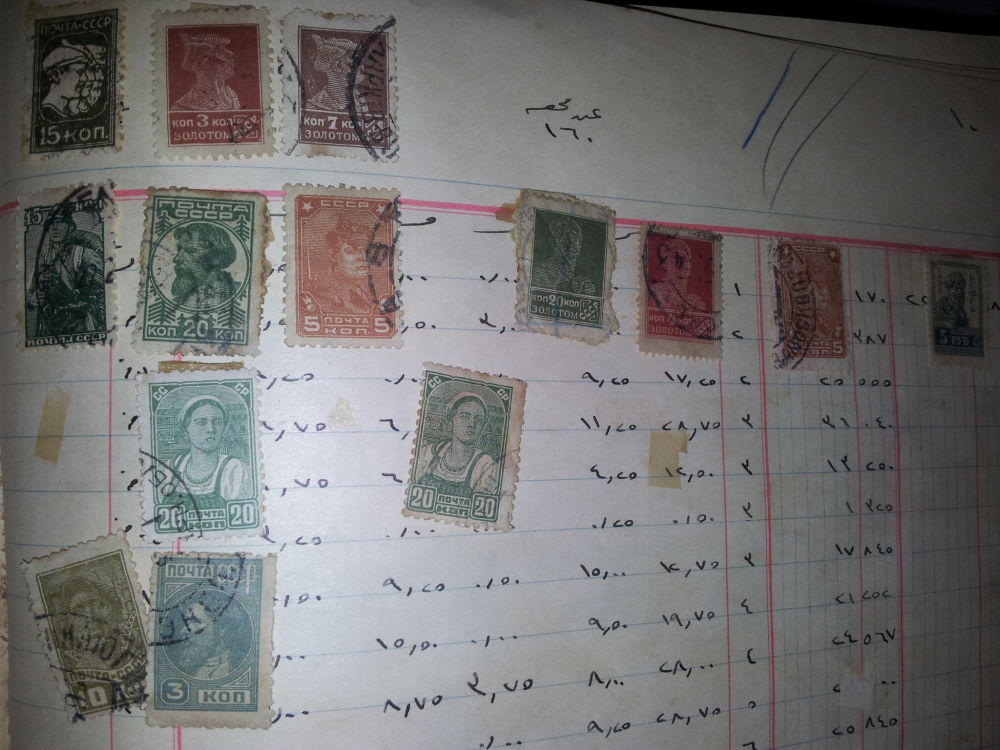
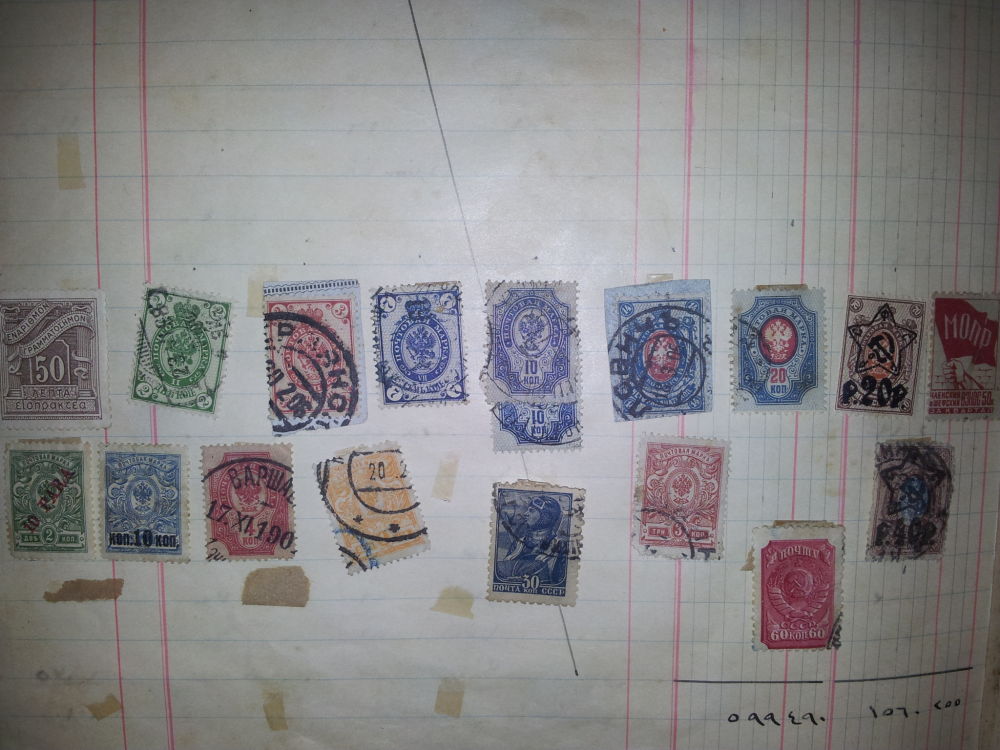
The person who assembled your collection didn't seem to have much in the way of organization beyond the basic separation into countries. From the pictures you've provided, there isn't much evidence of an attempt to keep in any chronological order, or to build sets.
A rough rule of thumb used by many collectors when buying old albums is two cents per stamp. An album with 2,000 stamps would be a $40 album in that scenario. (The album itself generally doesn't figure much into the equation.)
A dealer won't go anywhere near that high on a purchase, unless the dealer spots some significant stamps in there when doing a thirty-second flip through the album.
It isn't really possible to give accurate drive-by assessments.
Sometimes the differences between a $1 stamp and a $20 stamp aren't easily detectable...sometimes the difference between a $20 stamp and a $600 stamp can't be identified by a scan, at all.
Then you have specialist matters, like desirable postmarks/cancels, watermarks, flaws or perforations.
Often, out-of-the-ordinary values are only readily recognizable by specialists, and you only become a specialist by spending a lot of time looking at stamps.
So, a generalized assessment of "they look ordinary" is what it is. They
look ordinary...but one or another might not
be ordinary. That's just the way it is with stamps. Almost all of them are ordinary. A tiny percentage are not.
A treasure that a seller overlooked
could be discovered by someone who has taken the time to get a specialized education. That's life. Someone else always knows more...
You could always keep them and start to build your own collection.





 Posted 03/08/2015 04:22 am