They do count ... they just don't have any particular monetary value because of millions (billions) of them produced. The scans are also a bit blurry which doesn't lend well to many comments.
I did look some of them up:
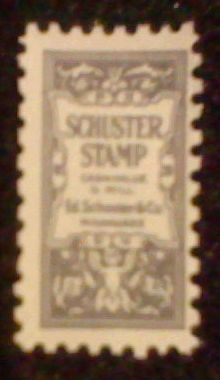
The Schuster Trading stamp was based in Milwaukee. It predated the S&H Green Stamps many of us affectionately know. In fact, one reference suggests that Thomas Sperry (later the "S" of "S&H" Green Stamps) actually observed the Schuster Trading Stamp as a prototype for his idea in marketing trading stamps to multiple merchants rather than only confined to one store. The Schuster Trading Stamps ceased in 1959 (after 67 years) as documented in this newspaper article ... meaning that they were established way back in 1891 and were said to be the first (of many) thrift/trading stamps that were subsequently issued throughout the US and abroad:
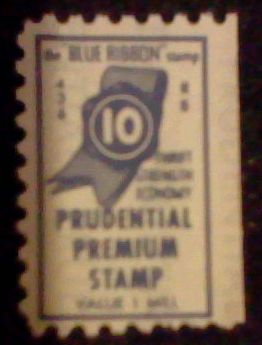
https://news.google.com/newspapers?...686180&hl=enThe Prudential Stamp had a dubious history in some midwest and western States (circa 1957), with some merchants recalling some of the stamps because of legal action against the company revolving around the closure of the company's redemption center(s).
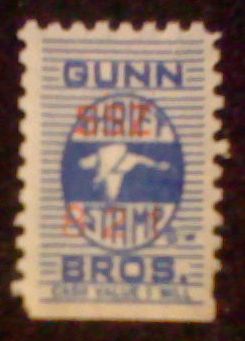
The Gunn Brothers Thrift Stamp apparently had a presence in Texas, as shown by this photograph of one of their redemption centers:
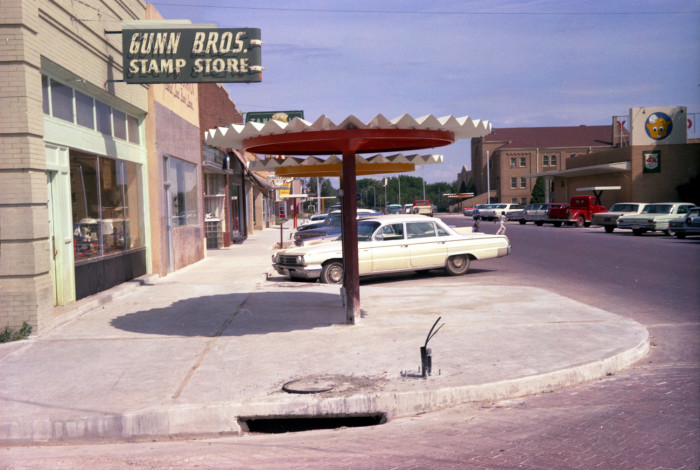
(Note: The above photograph is also interesting because if you look carefully across the street from Gunn Brothers, you'll see the logo of the Piggly Wiggly Supermarket with a large S&H Green Stamps sign on the side of their building!)
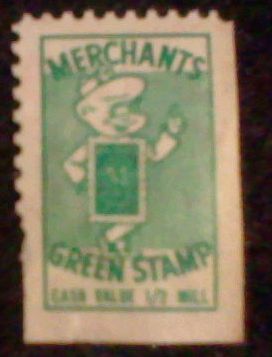
The Merchants Green Stamps were prevalent in the Florida area (circa 1962) as given away by grocery stores in that region.
There's certainly some interesting history behind some of these trading stamps which just goes to prove that monetary worth is not necessarily the only thing some stamp collectors look out for.





 Posted 07/03/2015 10:06 am