| Author |
 Replies: 12 / Views: 2,521 Replies: 12 / Views: 2,521 |
|
|
Valued Member
United States
271 Posts |
|
|
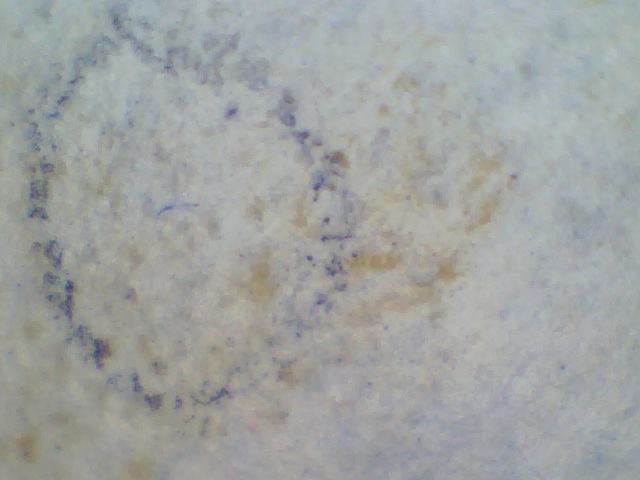
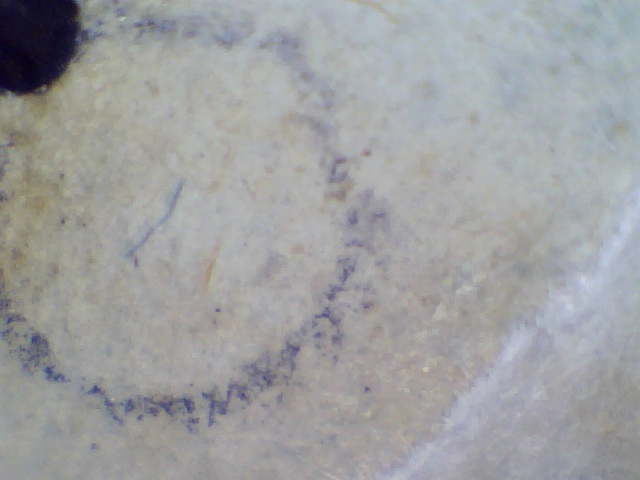
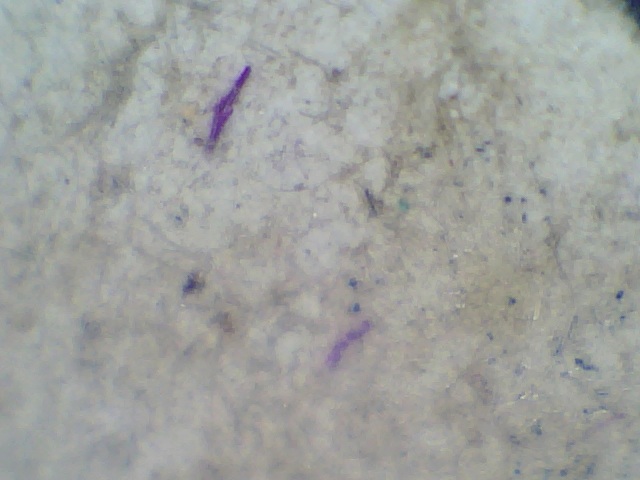
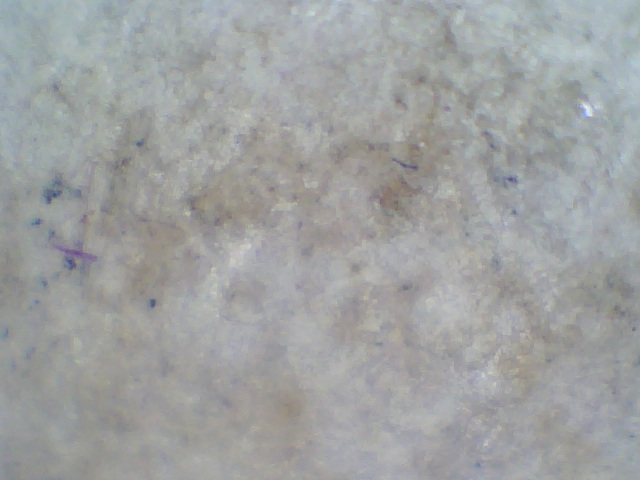
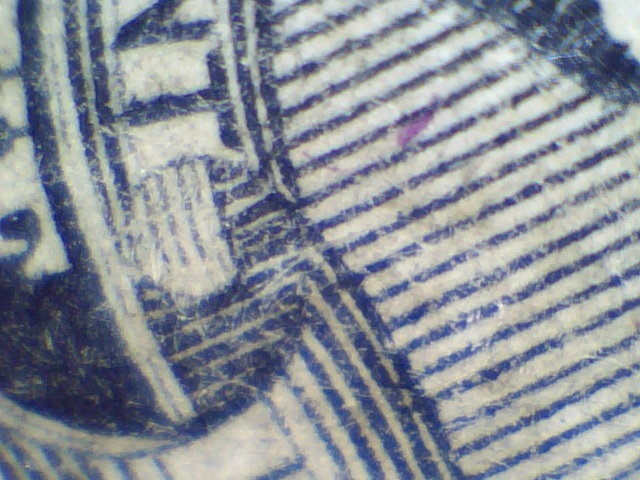
I have quite a few Match stamps labeled as EX Silk. Most of them are sparsely spaced small light blue fibers. Some I have are dark blue fibers, but still spaced out and scarce. One other has a few rich purple fibers.So the question is, are there multiple types of fiber used and spacing between and size make it experimental, or is it one specific type of silk only. I see lots on ebay where it says ex silk, and realize that certain parts of original sheet may not be so fiber rich. Trying to make sure the one's I have are legit. Thanks, Robert |
|
Send note to Staff
|
|
|
|
|
Pillar Of The Community
United States
869 Posts |
|
|
The experimental silk paper of the private die proprietary stamps is one and the same as the silk paper of the first issue. And yes there are occasionally red/purple threads seen. I will let the specialists respond in more detail. |
Send note to Staff 
|
|
|
Bedrock Of The Community
United States
10886 Posts |
|
|
The fibers are usually light blue, thick, short, and generally straight or almost straight. Occasionally they will be thin and curved. They must be clearly embedded in the paper and not simply laying on the surface. Experimental silk for match and medicines is the same paper as first issue silks come on. All were issued in 1870 and possibly 1871 and used in 1870-71. |
|
Send note to Staff
|
|
|
Valued Member
United States
271 Posts |
|
|
I figured as much, some of the ones have dark fibers that are sparse, but too long. See too many that are dark fiber claimed as EX Silk, and plainly visible on face. Wanted to make sure before I made new purchase. Ones purchased from reputable dealers have always been light blue silk. I do have one that is a mixture of light and a few dark blue fibers. They are exposed on the back and not embedded as others are. I have spent countless hours on Google to find more information, but its hard to find. The few books I have don't give extensive detail. I do have large stamps that have tiny fragments of dark silk embedded, so I am inclined to think that at least a couple types of silk were used.
Thanks for your comments and expertise. |
|
Send note to Staff
|
|
|
Bedrock Of The Community
United States
10886 Posts |
|
|
The paper used was often very dirty, with wood chips and fibers left over from the papermaking process. If you posted very high resolution scans then some people might be able to offer opinions. |
|
Send note to Staff
|
|
|
Valued Member
United States
271 Posts |
|
|
Pillar Of The Community

United States
856 Posts |
|
|
Valued Member
United States
271 Posts |
|
|
Valued Member
United States
271 Posts |
|
|
Valued Member
United States
271 Posts |
|
|
Valued Member
United States
351 Posts |
|
|
Awesome close ups, I would hate to see a dust mite with such clarity - But this is simply awesome.
What is the magnification power of your USB Microscope that you use?
Regards,
Stampalotapus |
|
Send note to Staff
|
|
|
Valued Member
United States
271 Posts |
|
|
10x to 200x at a decent price. Takes video and stills. My eyes are getting bad way too soon, so it is essential with paper and variety identification. I think I got this one for less than 30$. The stand is pretty cheap though. I have to use a little black box to get it close enough for a stamp. Has an adjustable focus and LED light. |
|
Send note to Staff
|
|
|
Pillar Of The Community
United States
856 Posts |
|
|
I'll simply say I've never seen purple threads on a First Issue revenue stamp. But hopefully the experts on silk papers will chime in soon on these USB images. |
|
Send note to Staff
|
|
| |
Replies: 12 / Views: 2,521 |
|




 Posted 09/08/2015 1:17 pm