Hi Njs900,
Your discovery sounds interesting and I think it is worth pursuing; by avoiding dealing with images you have effectively removed many of the color challenges that face hobbyists. This only a handful of variables that you will now have to deal with including ambient lightning and time.
As you probably know, colors reflect differently under various ambient lighting wavelengths. So you will have to define and control the ambient lighting so that it does not affect the reading you get. Whatever the ambient lighting may be, the key is consistency from reading to reading. Note that this consistency includes shadows; so be careful with overhead lightning and the way you are positioned when you take a reading.
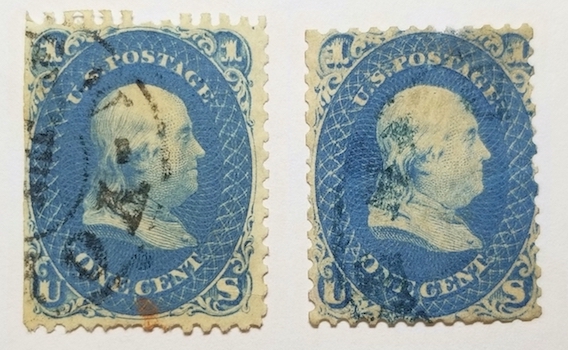
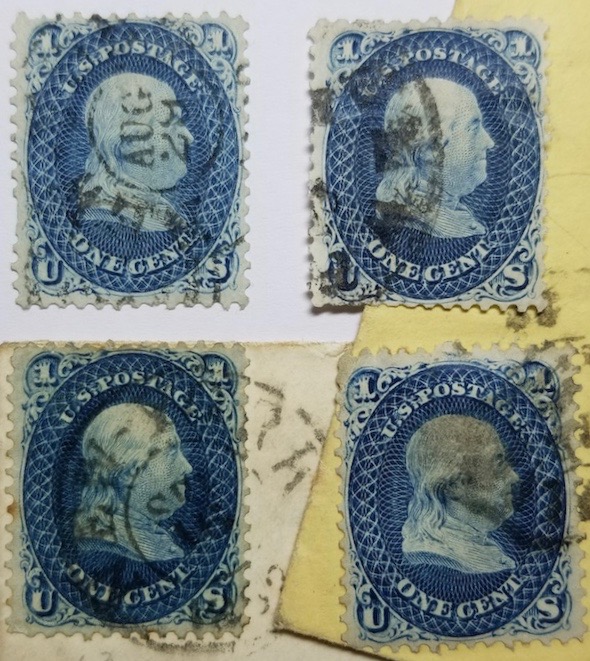
Time is tricky, stamp colors are a combination of the paper, the ink, and any chemical changes that the environment has exposed the stamp to. So your readings will be for what the color is today and may not be close to the color it was 20 years ago or what the color might be might be in 20 years from now.
Lastly, the 'sample size' of the device you are using to get the color sample is important to know. How wide is the sample? Is it looking at 1mm, 0.1mm, 0.01mm, 0.001, or ???? of the face of the stamp? The larger the aperture the more the device must be averaging the actual array of colors it has detected. A smaller aperture means that moving the device reading just a fraction will result in a different RGB color (since the color varies across the face of the stamp).
If you can resolve the challenges defined above then you are getting very close to being able to say, "On this day, under XX ambient lighting conditions, and taking a reading from this part of the stamp, the RGB color is 255,192,76.
It would be huge to be able to detect how the ink chemistry and color changes over time and environmental conditions.
Don
Edit:
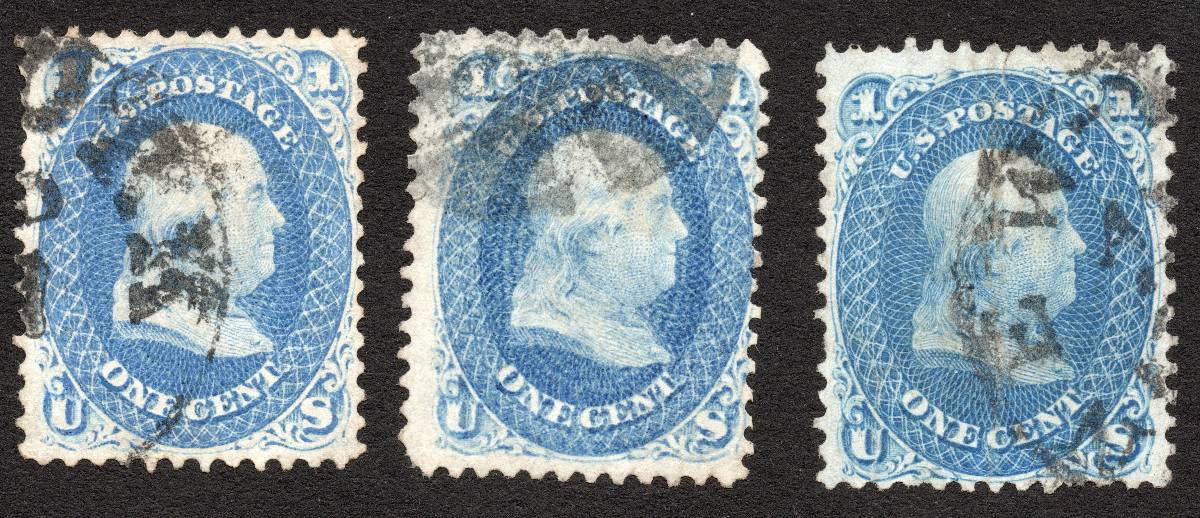
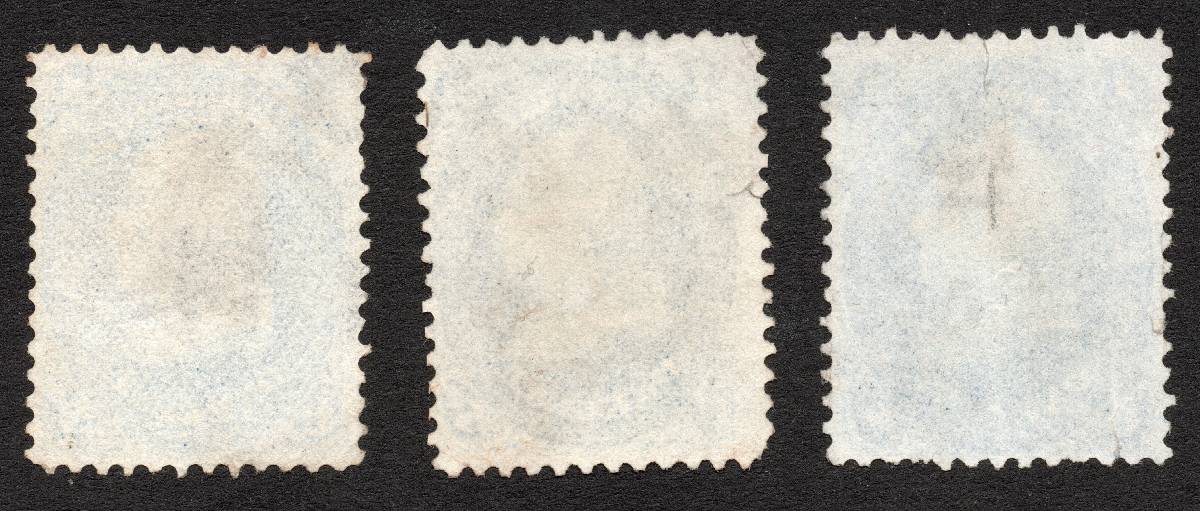
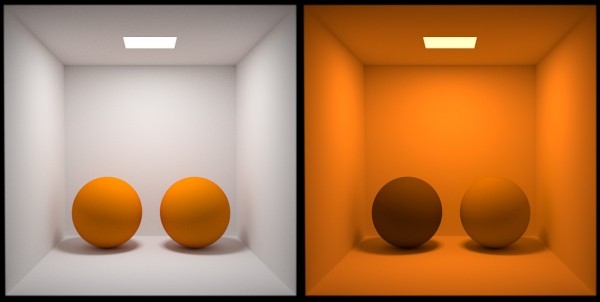
To illustrate how important ambient light can be, consider the phenomenon of metamerism(word of the day). Metamerism is when two colors that are not actually the same appear the same under certain lighting conditions. This is illustrated below





 Posted 08/21/2018 10:34 am