| Author |
 Replies: 6 / Views: 1,851 Replies: 6 / Views: 1,851 |
|
|
Valued Member
United States
271 Posts |
|
|
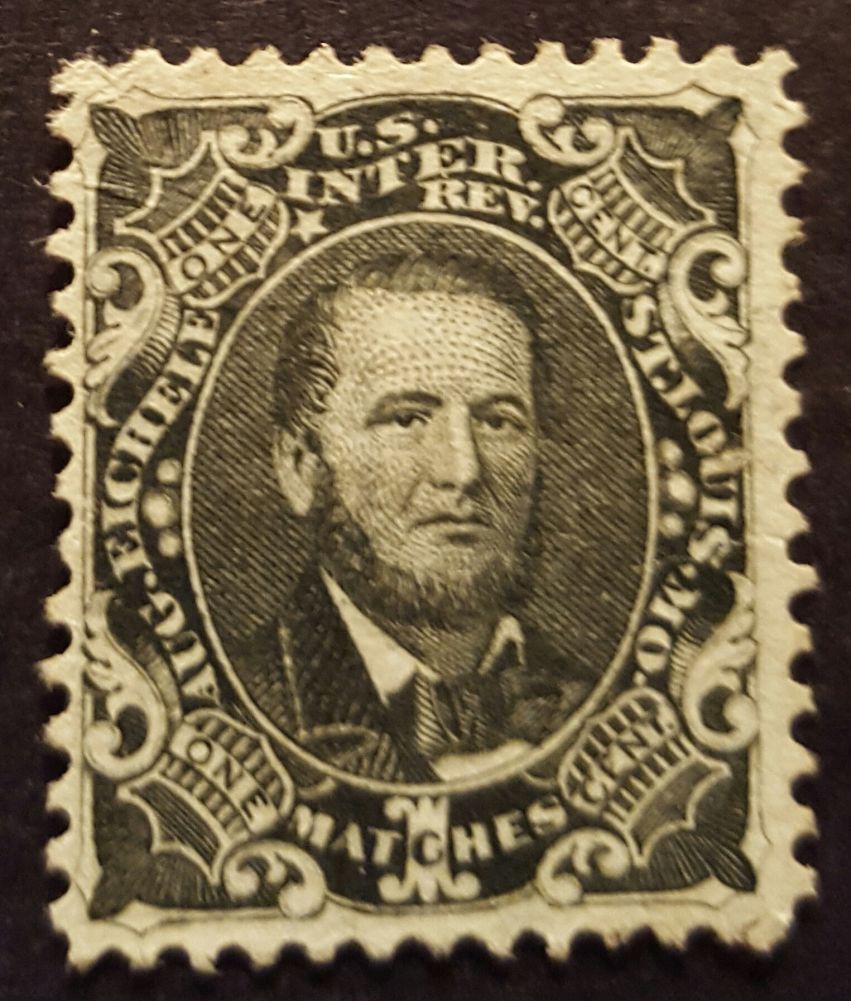
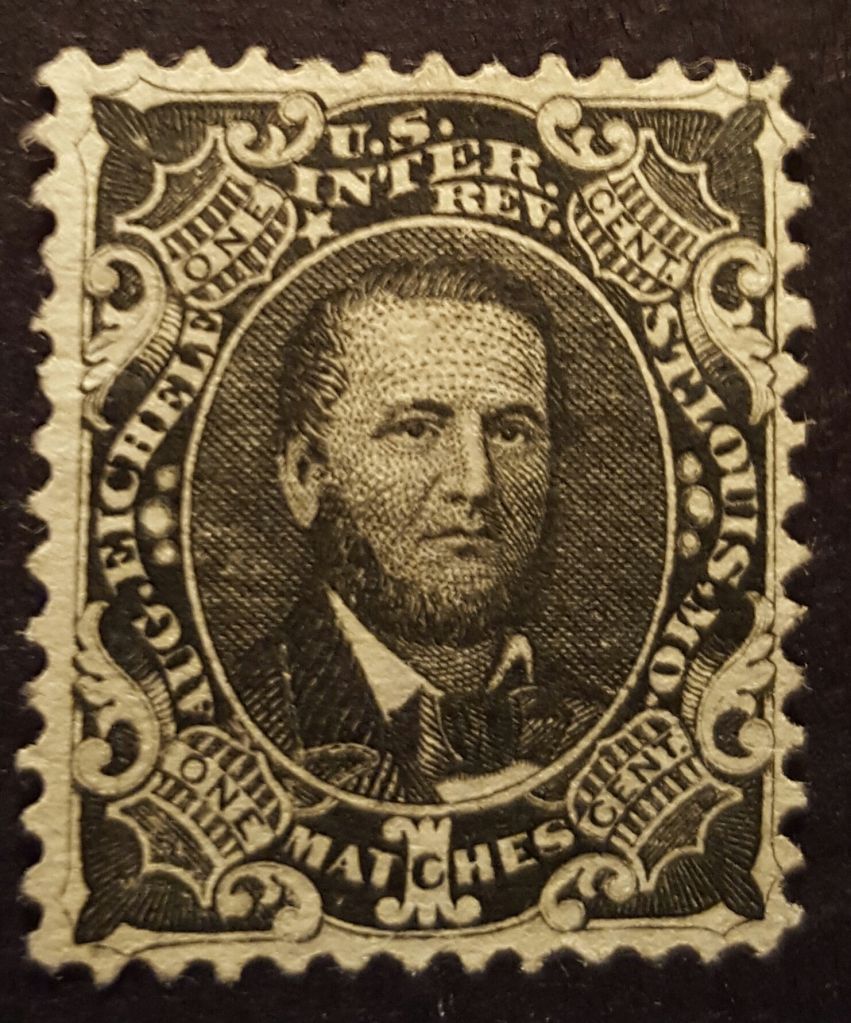
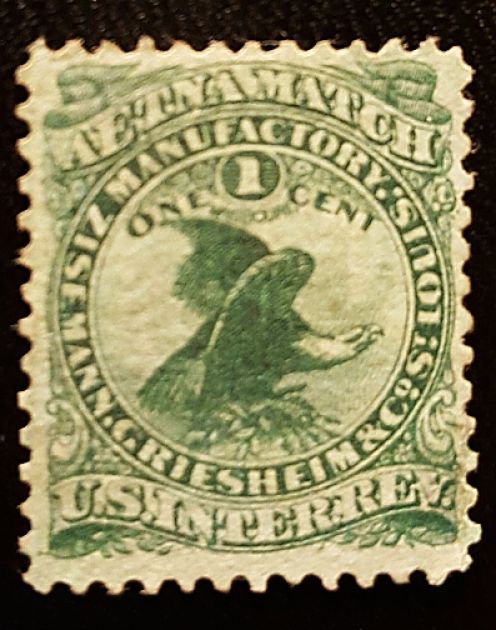
This is the other stamp I received in mail yesterday. Total investment of both stamps was less than 7$. This is the thrill of the hunt for me. It is in terrible shape with a cut canx. Silk looked a bit dark to me, but have seen varying degrees of fiber color in first issue, and private die revenues. 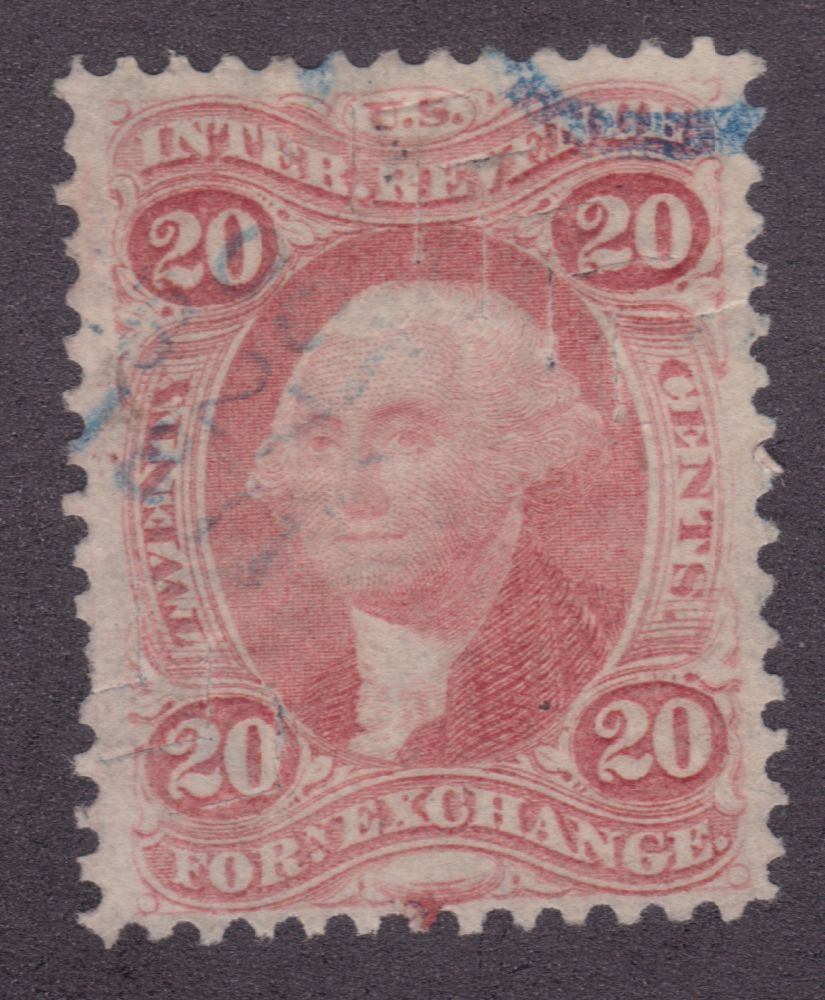 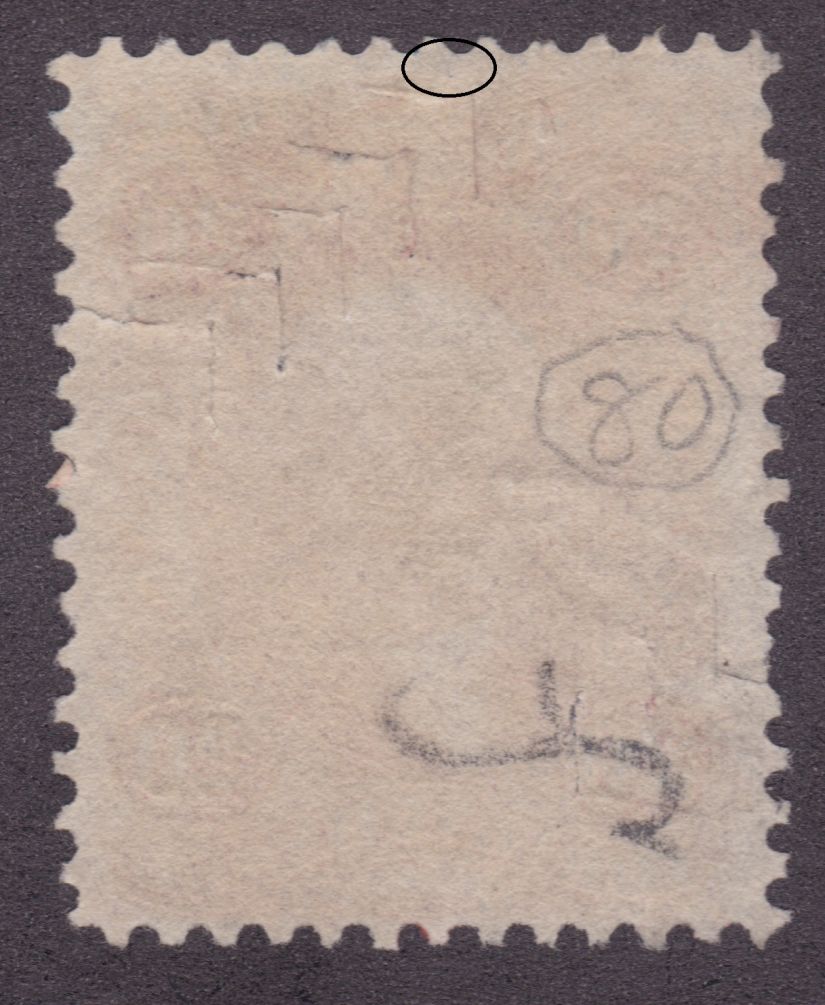 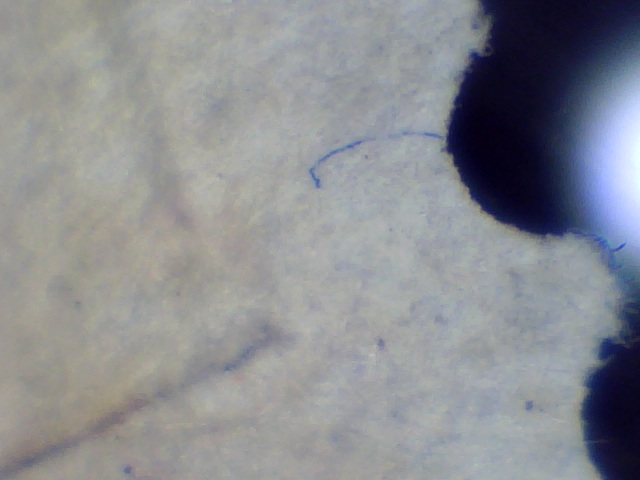 Thanks for looking, and always value everyone's opinions. |
|
Send note to Staff
|
|
|
|
|
Valued Member
United States
117 Posts |
|
|
Valued Member
United States
271 Posts |
|
|
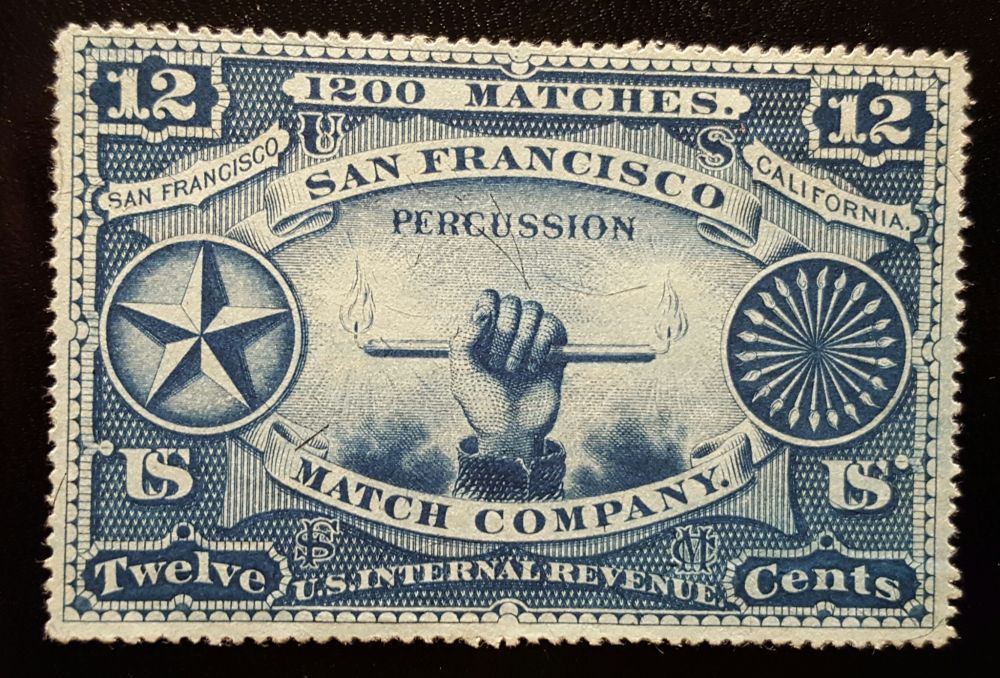
That last picture just made my mouth water, thats a beauty!! Problem I am having with the e-silk, is I thought the silk was added to the old paper. Some e-silk have thicker paper, some thinner. EX Eureka match co. Only issued in old and ex-silk. That is not a thick paper for either version. |
Send note to Staff 
|
|
|
Valued Member
United States
271 Posts |
|
|
The Eichele is a keeper, if you have some other match stamps that you are interested in getting rid of, let me know. Maybe not a spare RO185a, but others, lol.(Not going to rob a bank). I wish I had started earlier too, prices are soaring. A great section of revenues to collect though. I have pretty much put the medicine on hold for awhile. I would like to get a few of the higher value matches filled before moving on to them.
It is good that you found this site too, as I did. Lots to learn and many extremely knowledgeable folks here. Hats off to all that have helped me and the countless others in need. |
|
Send note to Staff
|
|
|
Bedrock Of The Community
United States
10870 Posts |
|
|
Experimental silk is not simply old paper with a few threads in it, it is a separate paper with it's own characteristics. |
|
Send note to Staff
|
|
|
Valued Member
United States
271 Posts |
|
|
@ revcollector, I used the Eureka match stamp as example because the A & E papers are so close to each other that only distinguishing factor is the addition of silk. Paper is rather thin, but not white as other old papers are. The vermillion New york match has a much thicker old paper more closely resembling the first issue silks, and the E-Silk is same paper with silk in it. Other match stamps are known on thick and thin old papers. I have ordered some books to help with the paper dilemma, and will make some purchases of know paper types for reference copies. I am actually pretty good at seeing paper differences, but finding wrong paper types with many threads in it is confusing. That is why I asked about the rag content. Usually can tell difference from thin rag to silk. The 105e in other post is wrong paper type, but many blue threads embedded similar to silk. Lots of reading and comparison ahead. |
|
Send note to Staff
|
|
|
Bedrock Of The Community
United States
10870 Posts |
|
|
Books are always helpful and important, but seeing lots of stamps is really the only way. There were multiple companies selling B&C paper, and the speed required due to the war and it's immediate aftermath meant that they just grabbed whatever was on top of the pile. And the idea of quality control was just a dream at the time. Since the stamps were always printed on an "as needed" basis, individual specific stamps do not always conform to the general description of any specific paper. For example, the black 4 cent Marsden (RS176a) is the thinnest hardest paper I know of for any M&M. It almost looks like an India paper it is so thin. No other M&M is quite like it. The point is that there is always going to be a range to all these papers, but that in general they have a certain look. |
|
Send note to Staff
|
|
| |
Replies: 6 / Views: 1,851 |
|




 Posted 02/17/2016 8:30 pm