duncan, good background:
http://www.pbs.org/wgbh/americanexp...-censorship/Who did the censoring?
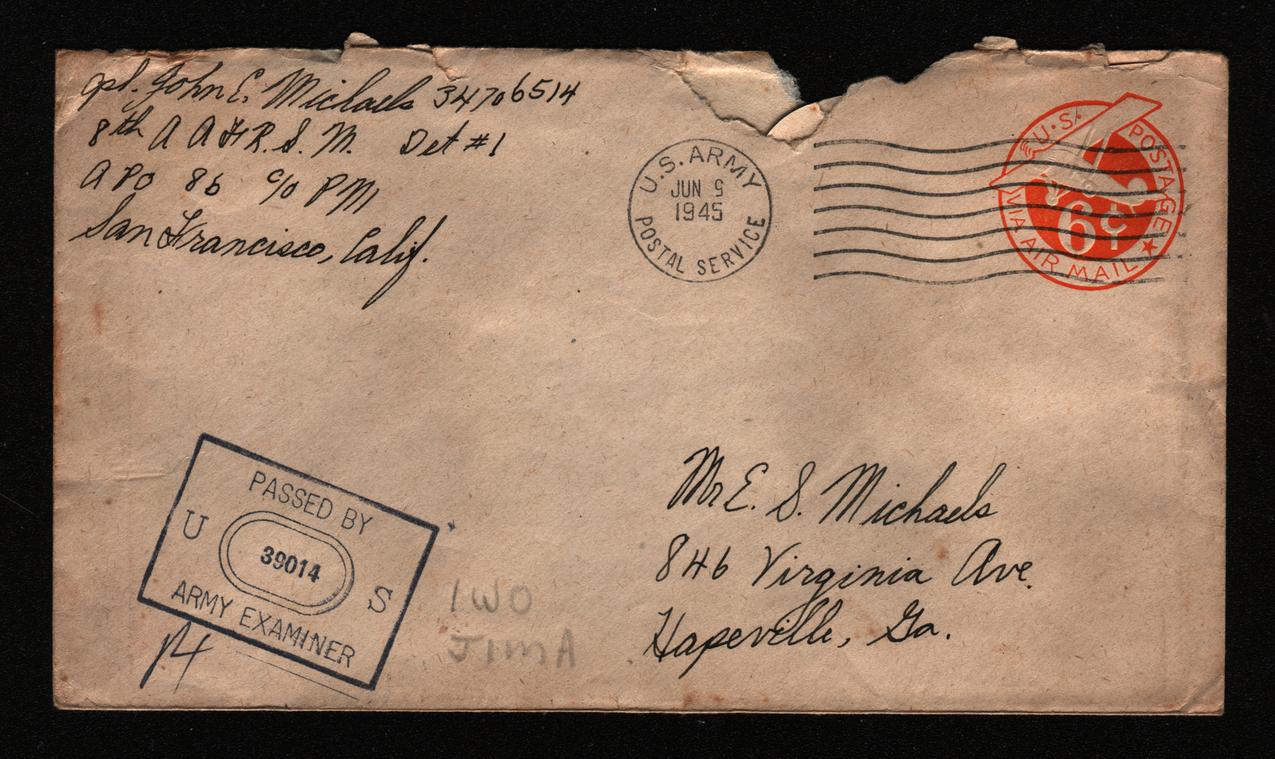
The enlisted soldier was censored by an officer in his unit. It was considered an unimportant job and often someone like the chaplain or the dentist would get saddled with the job. If the enlisted man did not want his officer to read his mail -- if he had been giving him a hard time, let's say -- the soldier could use what was called a 'blue envelope.' The writer would certify that there is nothing in here that shouldn't be and the letter would go up to the next level where it might be looked at a little more kindly.
The officers were self-censored. They didn't have anyone looking at their mail regularly, although the higher level staff or base censors would randomly check officers' letters to keep an eye on them. Officers seemed to say more in their letters. Whether it was because they knew better what was allowed or whether they were more brazen or whether their mail often was not censored is debatable.
If the section they wanted out was very big, they would confiscate the letter. If it was small, they cut out the words or obliterate it with ink. If they had to use special chemicals to check for invisible writing -- something they did when they suspected a spy -- they would confiscate the letter because they didn't want people to know they were doing it.
The censors returned very few soldiers' letters. They confiscated them; they didn't send them back. They didn't necessarily give the word back to the soldier that his or her letter was withheld. It depended where it was stopped and how fast the troops were moving.
From the soldier's perspective, you often didn't know if it was going to get through. The soldiers were all given guidance on what they could say, so you would think they would know how to avoid getting their mail intercepted, but not all did.





 Posted 03/03/2016 7:45 pm