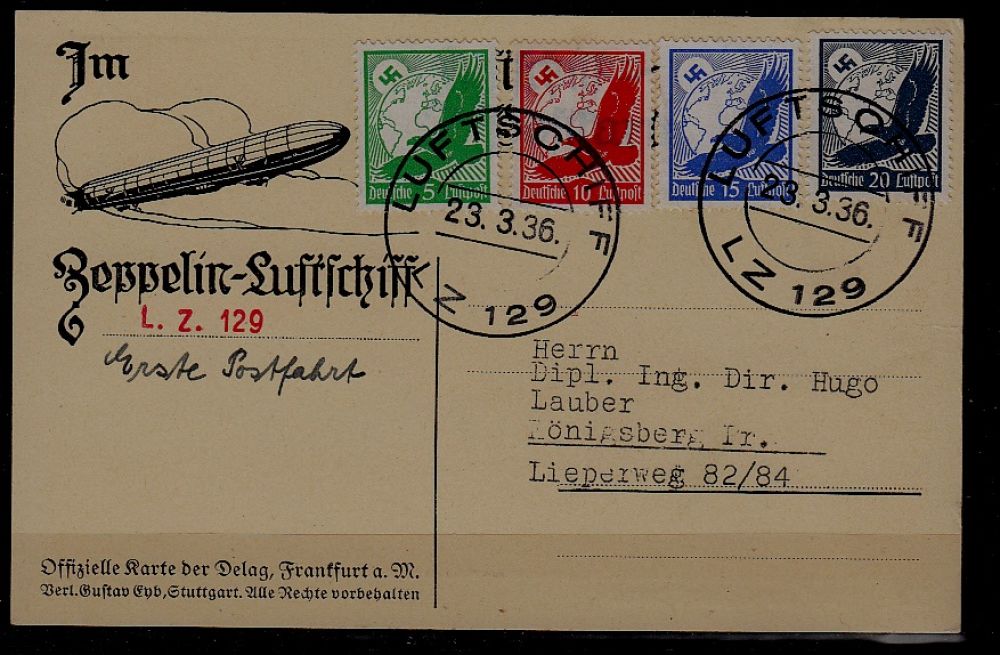
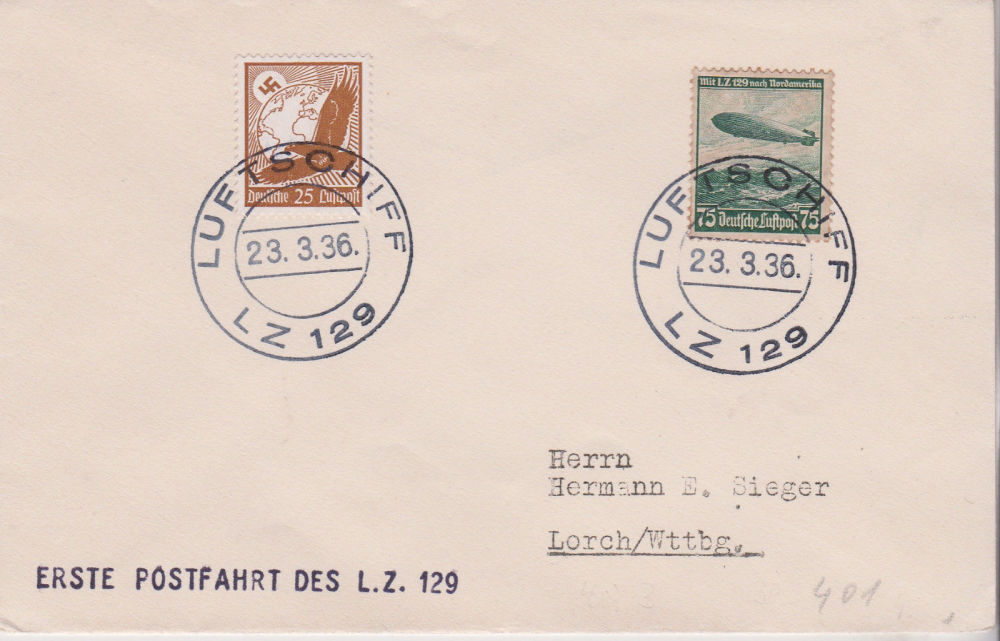
The going prices for cards and covers for this flight in really nice condition such as yours is between $8 and $18 depending on the stamps used and how attractively they are arranged. Ones in lesser condition to yours go for proportionately lower amounts. If you are patient and are willing to wait for just the right one to come along on
ebay and take a couple of weeks to find it you should be able to get as many of these as you like in the $10 to $12 range.
The final destination of Zeppelin covers is not very meaningful when it comes to values, though specialized collectors from those countries might be willing to pay slightly above the full value. Once the Zeppelin has arrived at a particular destination and off loads the mail, there is no further relationship between the Zeppelin flight and the card or letter going by ordinary mail to its final destination.
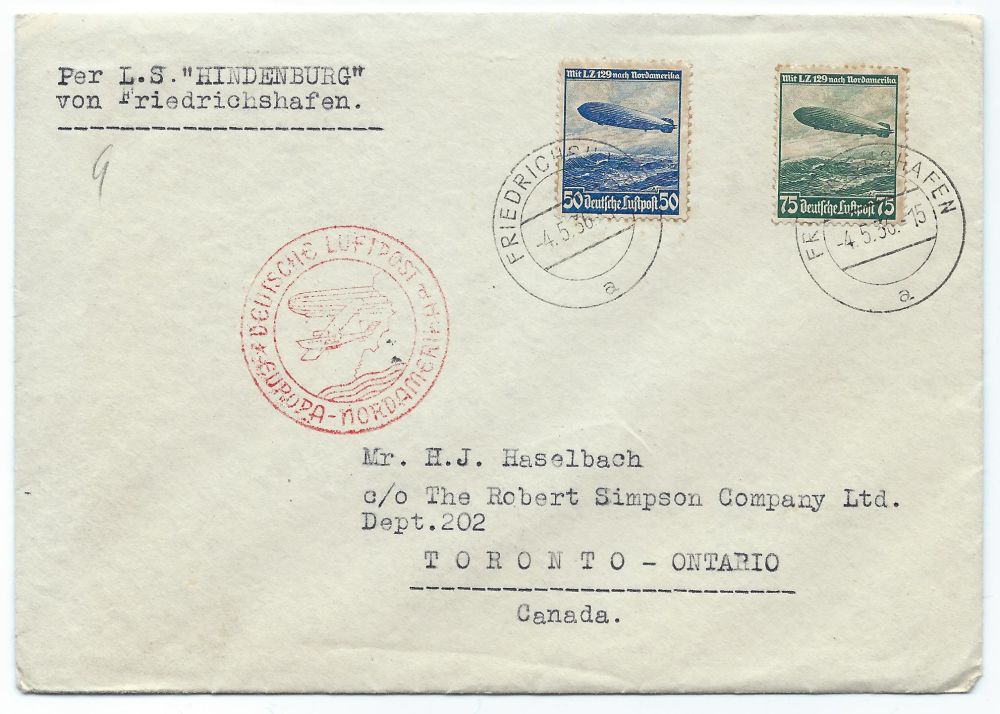
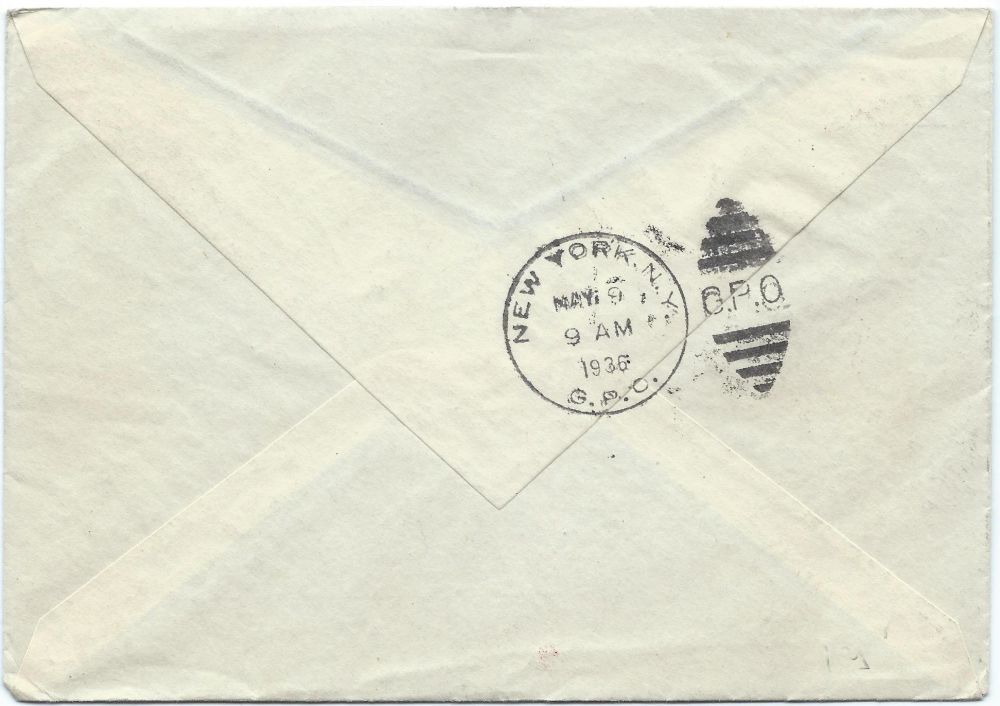
What brings the big money are covers that are FROM other countries than the one where the flight originated and that were officially ACCEPTED by the post offices of those other countries who sent them in their mail streams to the country where the Zeppelin flight was originating and that were then flown on the Zeppelin. These "Acceptance covers" bear the postage stamps and cancels of that other country and not those of the country in which the Zeppelin flight is originating and are seen as being part of the overall trip of the flight. Such "Acceptance covers" can range from $50 for the more common ones to many hundreds of dollars for the more rarely seen ones. Also, the number of serious collectors of the particular sending country affects values as well. For example, covers from British Commonwealth countries tend to bring relatively higher prices than ones from less collected countries since such covers are competed for by both Zeppelin collectors as well as collectors of that particular country. Here is an example of a Canadian dispatch "acceptance cover"

One more thing to be aware of as you are getting started collecting Zeppelin covers. There are fakes and forgeries out there and the more valuable the cover, the more fakes and forgeries of that flight cover are likely. However, even the common ones have been faked so you need to really learn the small details of each flight and each cancel and each cachet. You also need to learn the postage rates for being carried so if you see a card or cover that has too little postage or even too much postage you need to get out your magnifying glass and prove to yourself that the cover is genuine. For example, if you saw this common Zeppelin cover for sale at a real steal of a price, would you buy it?
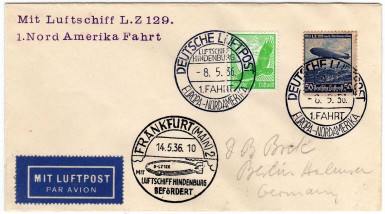
If you said yes, then you would have thrown away your money since it is a fake from a well known forger. A German dealer named Julius Bock made a lot of these in 1938 so it has the right amount of age to it, except it never came anywhere near a Zeppelin. Here is a close up of the postmark of an original and authentic Zeppelin cover on this flight next to the postmark that was fabricated by Julius Bock that he used to make his fakes. As you can see the differences are slight but they are there if you know exactly what to look for.

If you give up on figuring which is the real official German postmark that is on the real Zeppelin flight covers and which is Julius Bock's forged cancel, the forgery is the one on the right. There are many tiny differences, but the biggest one and the easy way to tell is to look at the letter M in NORA
MERICA. Look at how far down the point in the center the M comes. In the real one that point goes all the way down to be even with the lines on the front and back strokes of the letter - the point in the middle of the M in the fake only goes half-way down. A second red flag on this forgery is the amount of postage that was used. The total amount is .55 Rpf. This was not the correct rate for printed matter on this flight. My point is that forgeries of Zeppelin covers have been in production by crooks ever since the days that the Zeppelins were flying since Zeppelin flight covers have been avidly collected ever since then, and they have always commanded relatively full prices. The forgers often use real postage, though some with the high value overprinted Zeppelin stamps have been manufactured out of the less valuable regular stamps with added fake overprints. Learning everything you can about Zeppelin flight covers and getting the reference materials and really studying them is crucial. It is easy to be taken if you are overly eager to buy and if you are thinking you are getting away with a real steal. While really good prices can still be found on occasion, in most cases there is something not right about cards and covers that sell for below their full market value. Such factors can be their condition, or lack the correct backstamps, or using low value stamps, or not using Zeppelin stamps when Zeppelin stamps were available during the time of the flight, or being sloppy and unattractive, or being fake. Take your time and make wise choices as you collect and you will really enjoy yourself. Be eager to buy and you will wind up either overpaying or if you get caught buying a fake you will lose all of your money you spend on that card or cover.
Regarding your question about something that is inside of your sealed cover, yes it was and still is common for purely philatelic mail to have a piece of light cardboard or stiff paper inside. These are normally blank. There are two good reasons why collectors put these in their philatelic covers before sending them - the first is to provide some stiffening so their cover would not get folded or mangled as it went through the mail. The second reason is by having something inside it would make the cancellation and any cachets optimal since it would give the cancellation or cachet device something to push against when being applied and leaving a nice clear, full and dark impression. Sometimes, though, philatelists were able to get interesting things that relate to the first flight to put inside such as an original Zeppelin Company flight schedule or the official announcement of the first flight or such. Hold your cover up very close to a strong light (don't burn it by touching it to the light bulb though) and you should be able to see if the filler is anything interesting. Even if it is you would likely not want to open the cover to get it unless it is more valuable than the cover itself. In such a case you would want to very gently steam open the back flap and not cut or tear the envelope open along one of its sides as such opening is a big detraction on the value of the cover.





 Posted 03/11/2016 12:12 pm