| Author |
 Replies: 12 / Views: 1,968 Replies: 12 / Views: 1,968 |
|
|
Moderator

United States
5106 Posts |
|
|
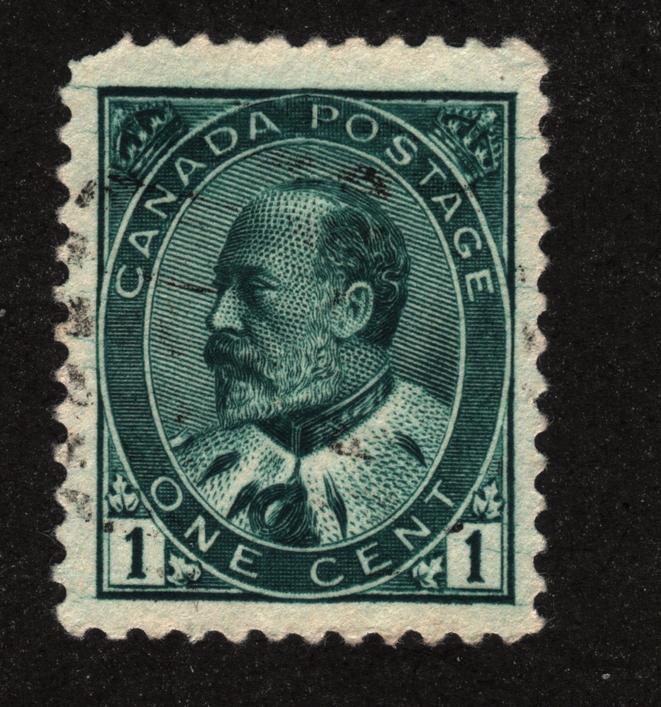
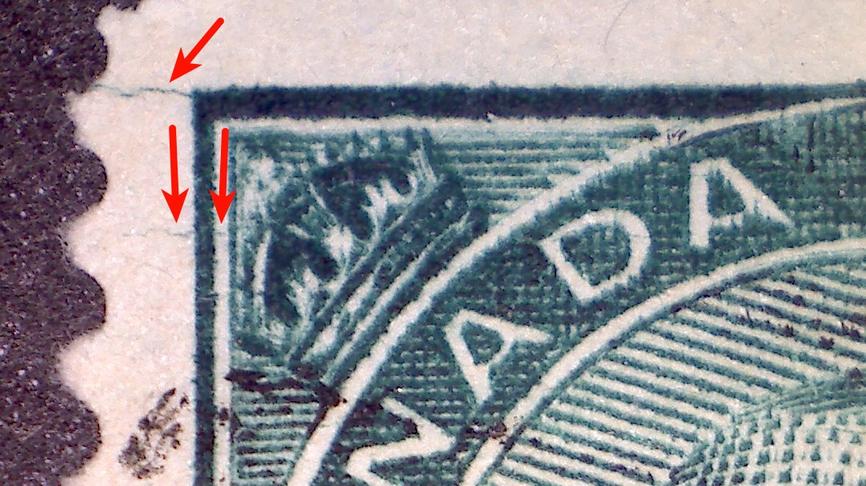
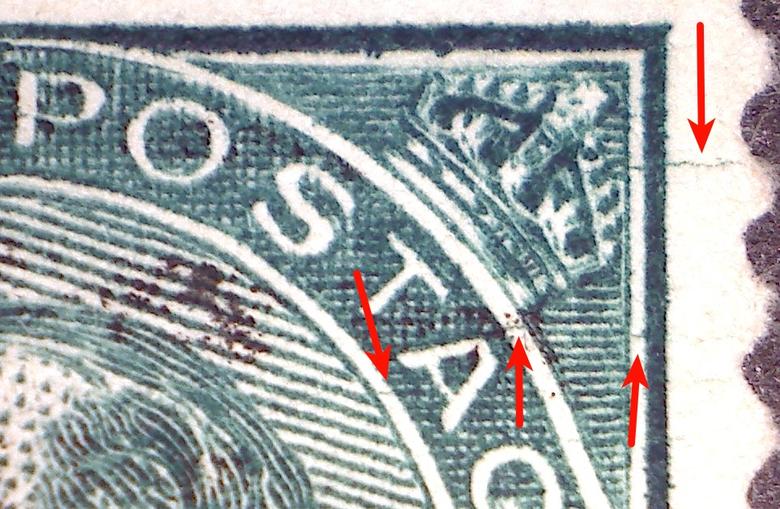
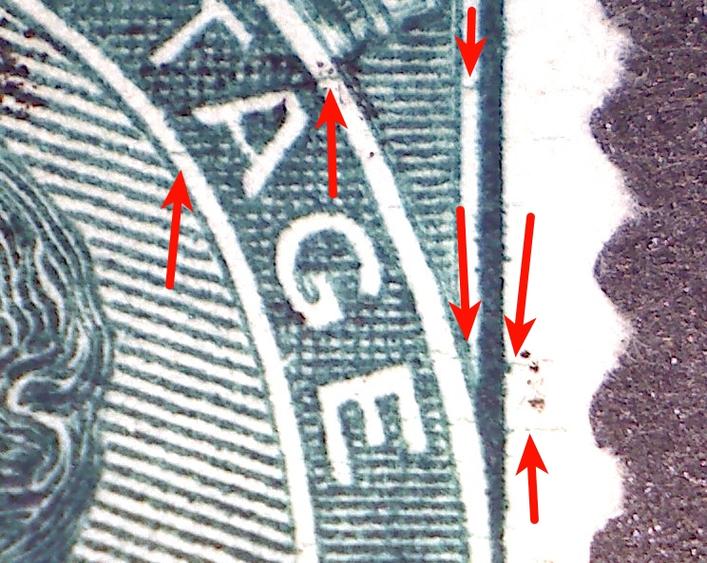
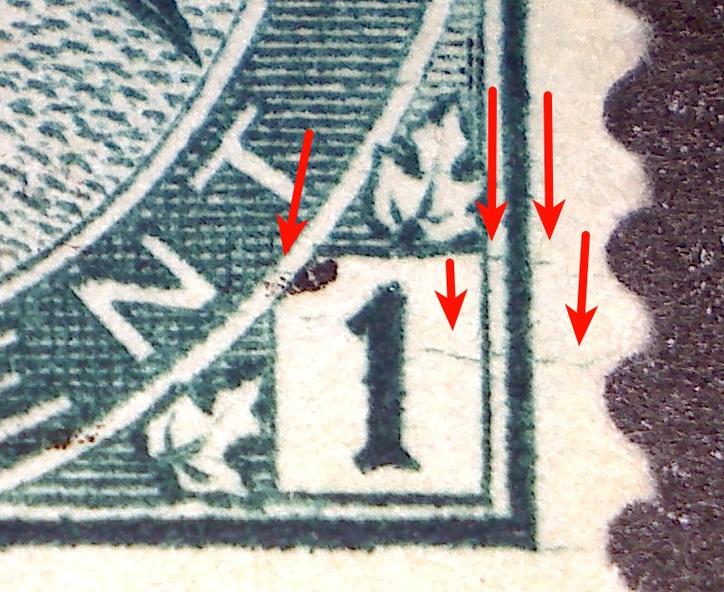
I thought that this was an interesting candidate. Notice the curly line at the top. Appears to be a crack, no? 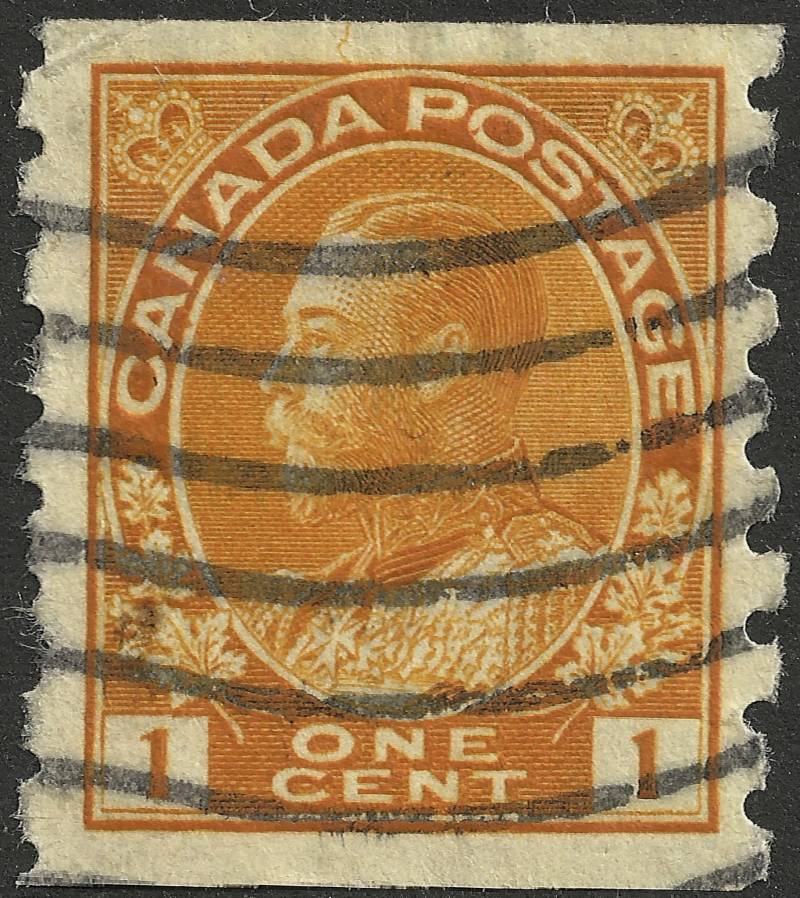 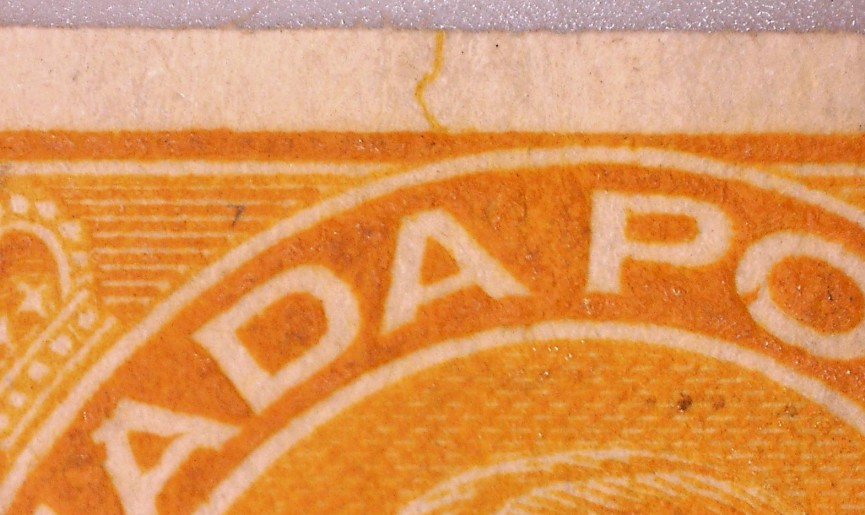 |
|
Send note to Staff
|
|
|
|
|
Rest in Peace
7742 Posts |
|
|
Partime...It does not seem to run into the frame..When I was a printer and the head of the stamps were fed into the rotary press, all cracks that I came across were east and west of the plate..I would expect the crack to be running the other way..Probably what we used to call a "tail" which was ink pulled/spattered on the surface..JUST MY OPINION.
Robert |
Send note to Staff 
|
|
|
Pillar Of The Community
United States
8956 Posts |
|
|
Partime, I believe that is clearly a crack. If you listen to Wert and than think about it you will come to another conclusion. Anyway, the fun thing here is that there is probably a continuation of this crack on the stamp that was printed above it! ( If there was one! ).
Wert, no bad criticism meant here, but on a rotary press the cracks usually run perpendicular to the rotation. So most cracks should run from top to bottom or from bottom to top. On my Transportation Coils I can think of very few east-west cracks!
Peter |
|
Send note to Staff
|
| Edited by Petert4522 - 03/13/2016 12:57 pm |
|
|
Rest in Peace
7742 Posts |
|
|
Quote:
the plate develops fissures or hairline cracks that run along the axis of rotation. Ink gets into these cracks, and they show up on the stamps printed from the plate as fine (usually) lines known as hairlines.
Usually these hairlines just extend horizontally from the corners of the stamp design Partime...they should run east and west...check link below. http://www.bnaps.org/ore/VanSomeren...arieties.htmRobert |
|
Send note to Staff
|
|
|
Pillar Of The Community
United States
8956 Posts |
|
|
Robert, with all due respect but your link is for sheet stamps. I believe there is a difference!
Are your Canadian Admirals printed on a large web?
Peter |
|
Send note to Staff
|
|
|
Moderator
United States
5106 Posts |
|
|
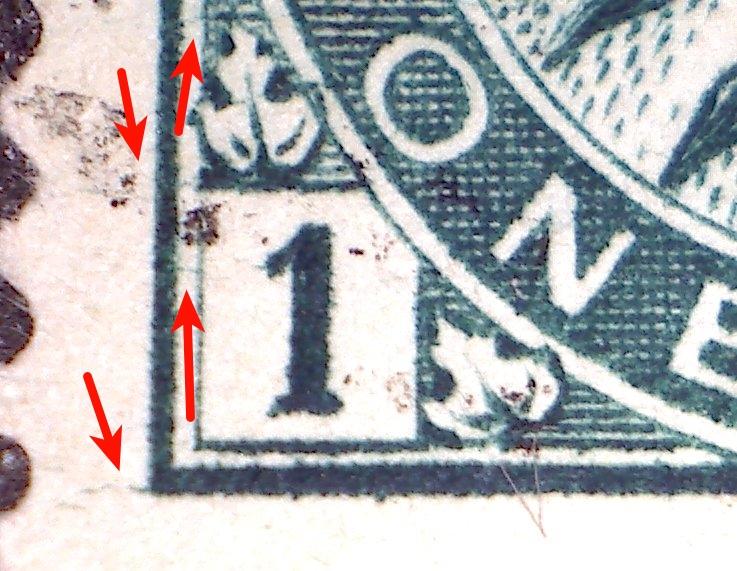
Thanks for the comments guys. I have several items with Hairlines (most horizontal, but some vertical), and I have others with ink pulls throughout, but this one is slightly different, filled in nicely, and on the upper edge. I'll keep looking for more. |
|
Send note to Staff
|
|
|
Pillar Of The Community
Canada
1401 Posts |
|
|
Pillar Of The Community
United States
8956 Posts |
|
|
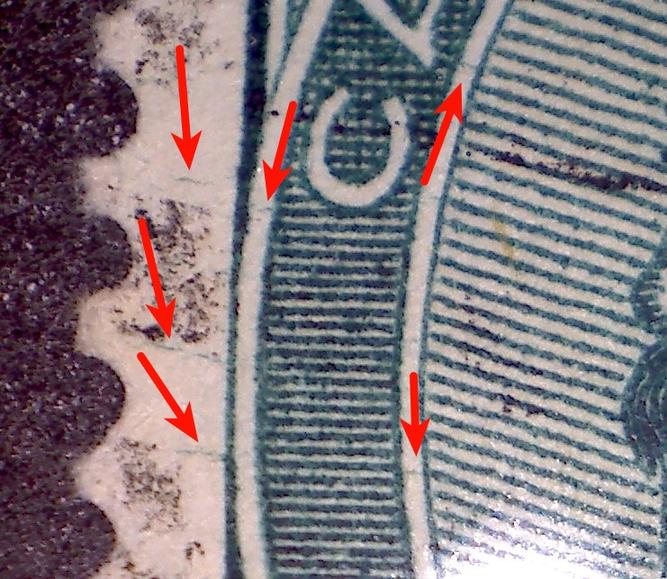
I saw that also. I do not know what that is, but to me it does not look like a crack.
The thing on the top looks like a plate crack to me because it is jagged and changes direction all of a sudden.
And Wert is most likely correct in that it is not a hairline crack. It looks more like what we call a "gripper crack".
Peter |
|
Send note to Staff
|
|
|
Moderator
United States
5106 Posts |
|
|
I think the "O" in post mark is an elongated ink pull, similar to what I also see in the second "A" of Canada. It is pulled in the same general direction. I have seen many, many examples of ink pulls, with some as long as what we are seeing here. |
|
Send note to Staff
|
|
|
Pillar Of The Community
Canada
730 Posts |
|
|
This also could be a thread or hair that fell on the plate. Take a look at the left "2" in this example from the Arch Issue. 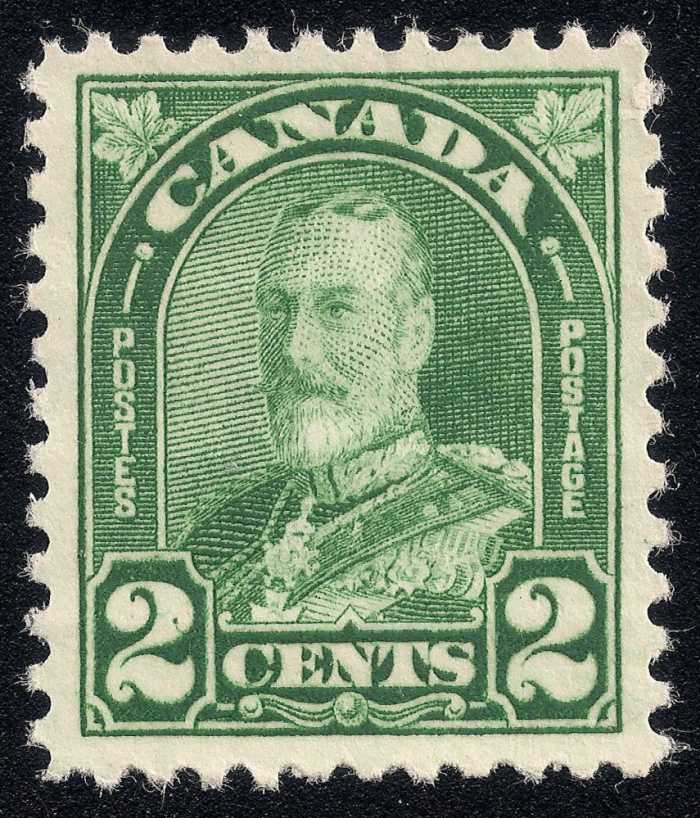 |
|
Send note to Staff
|
| Edited by jimjung - 03/19/2016 12:10 pm |
|
|
Rest in Peace
7742 Posts |
|
|
Partime....I think what you have is what I call a "tail"....Jim has also shown you a good example of ink splatter which was common at least what I saw as a young printer...just my opinion partime.
Robert |
|
Send note to Staff
|
|
|
Valued Member
105 Posts |
|
|
George Marler writes that plates for Admiral coils were bent on a horizontal axis for the rotary press, which would only result in horizontal cracks and hairlines. |
|
Send note to Staff
|
|
|
Rest in Peace
7742 Posts |
|
| |
Replies: 12 / Views: 1,968 |
|




 Posted 03/13/2016 12:18 pm