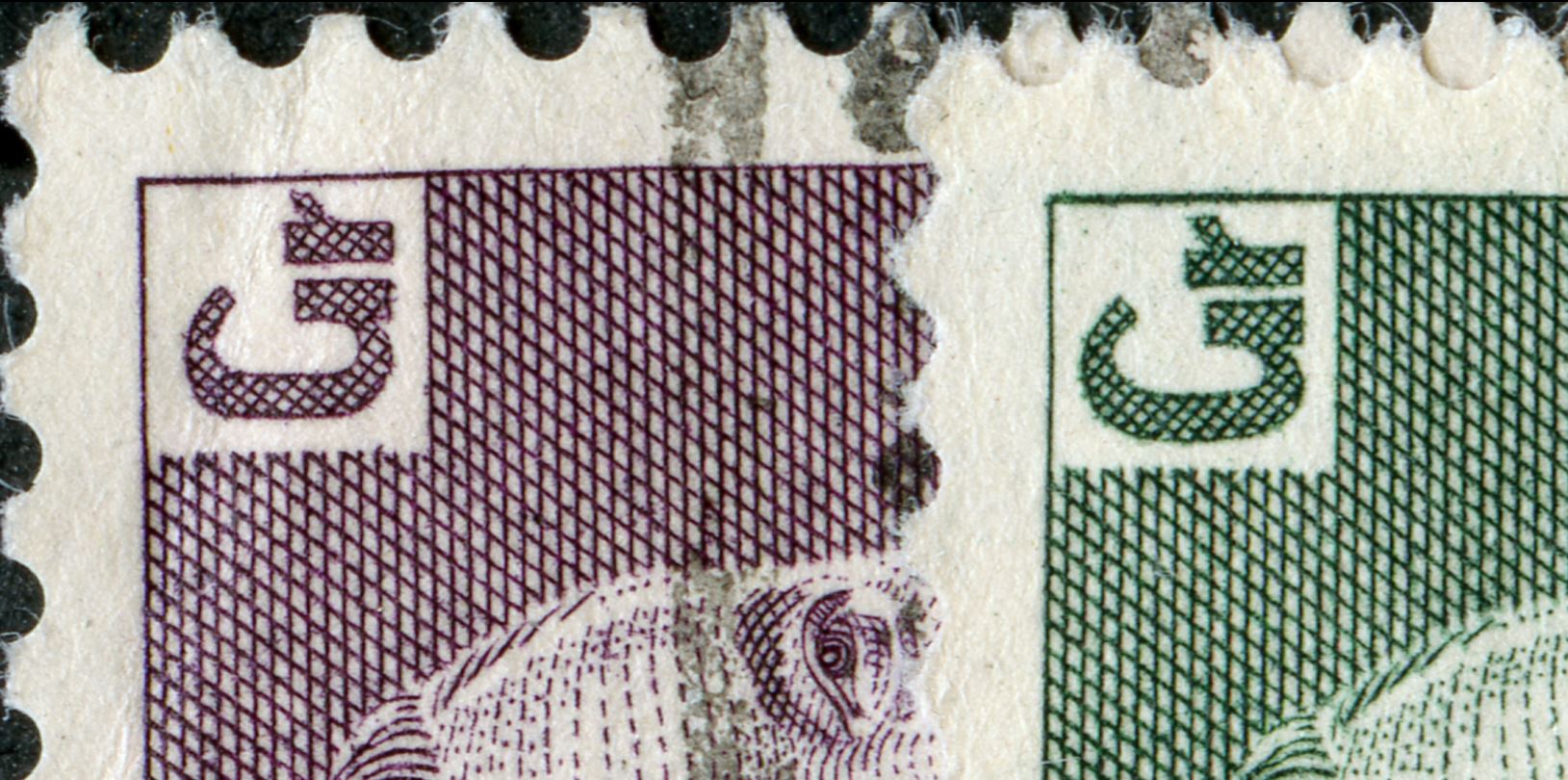
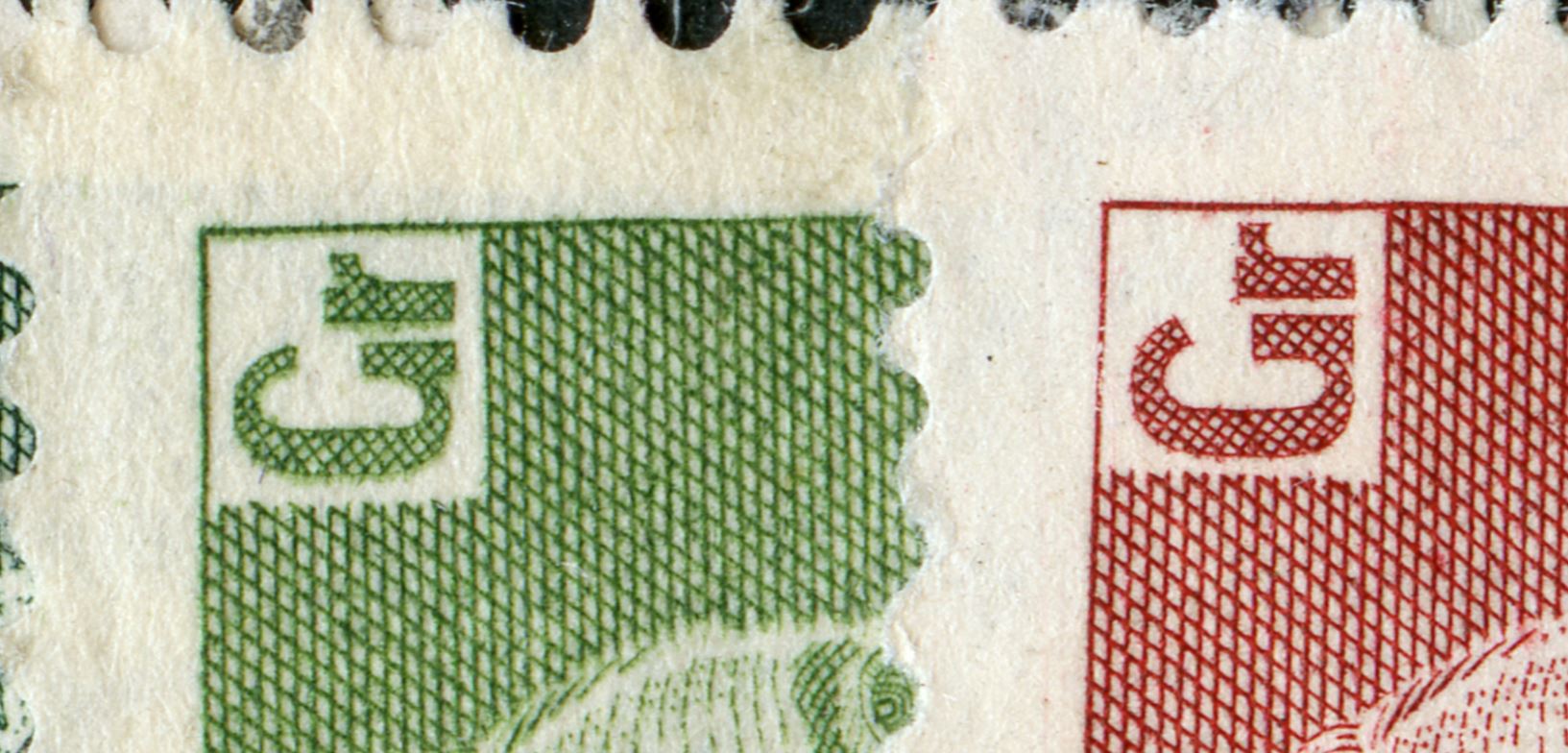
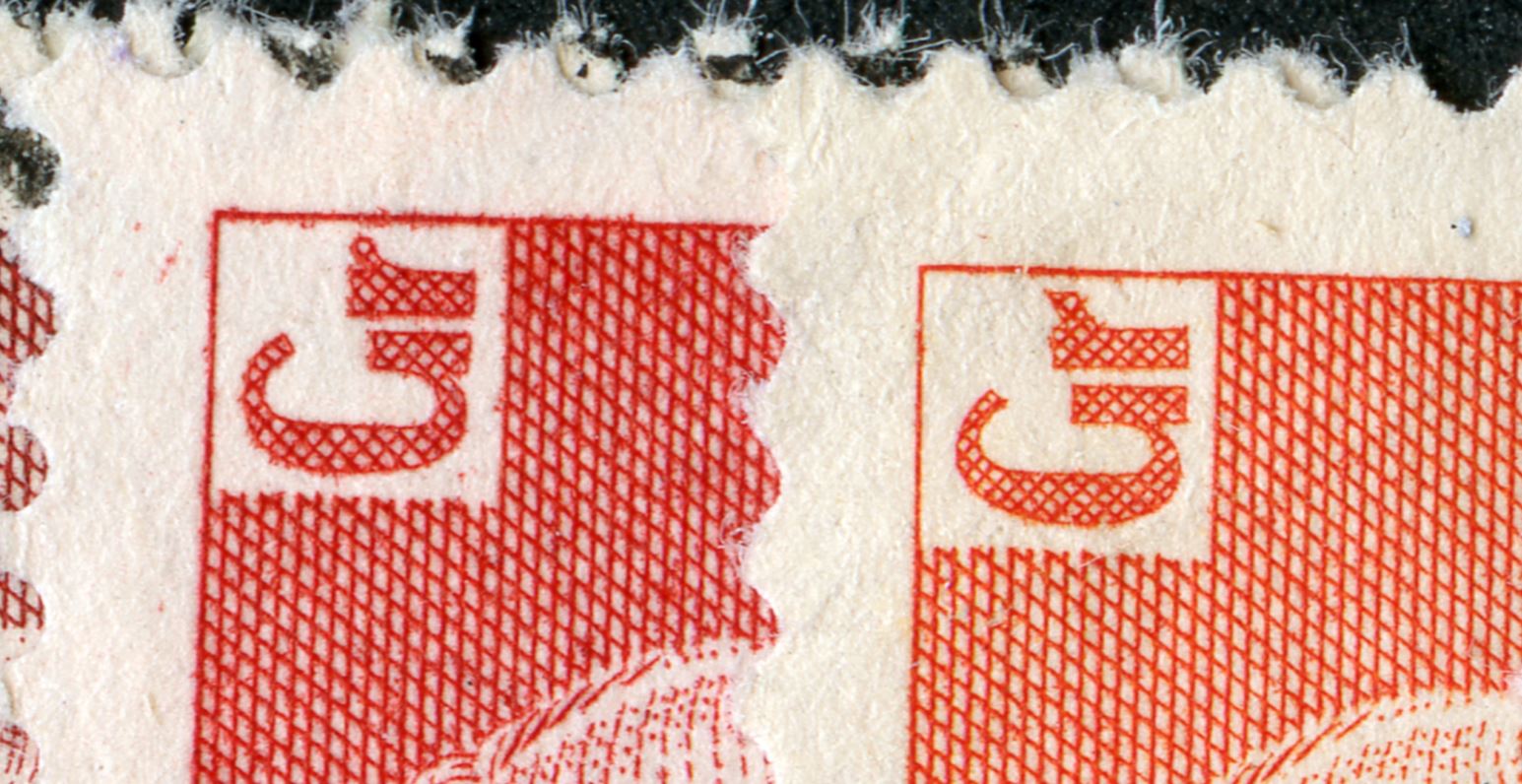
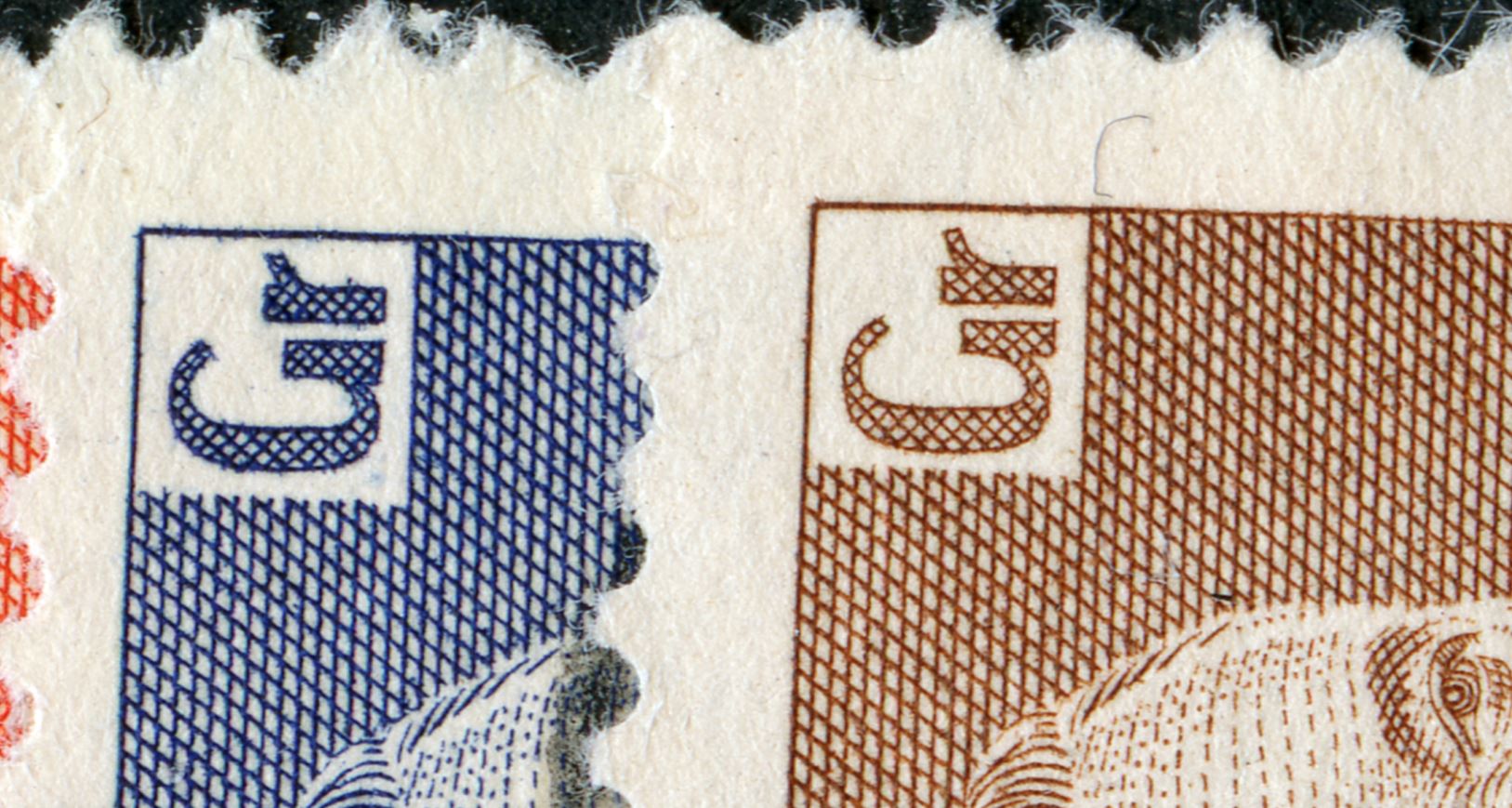
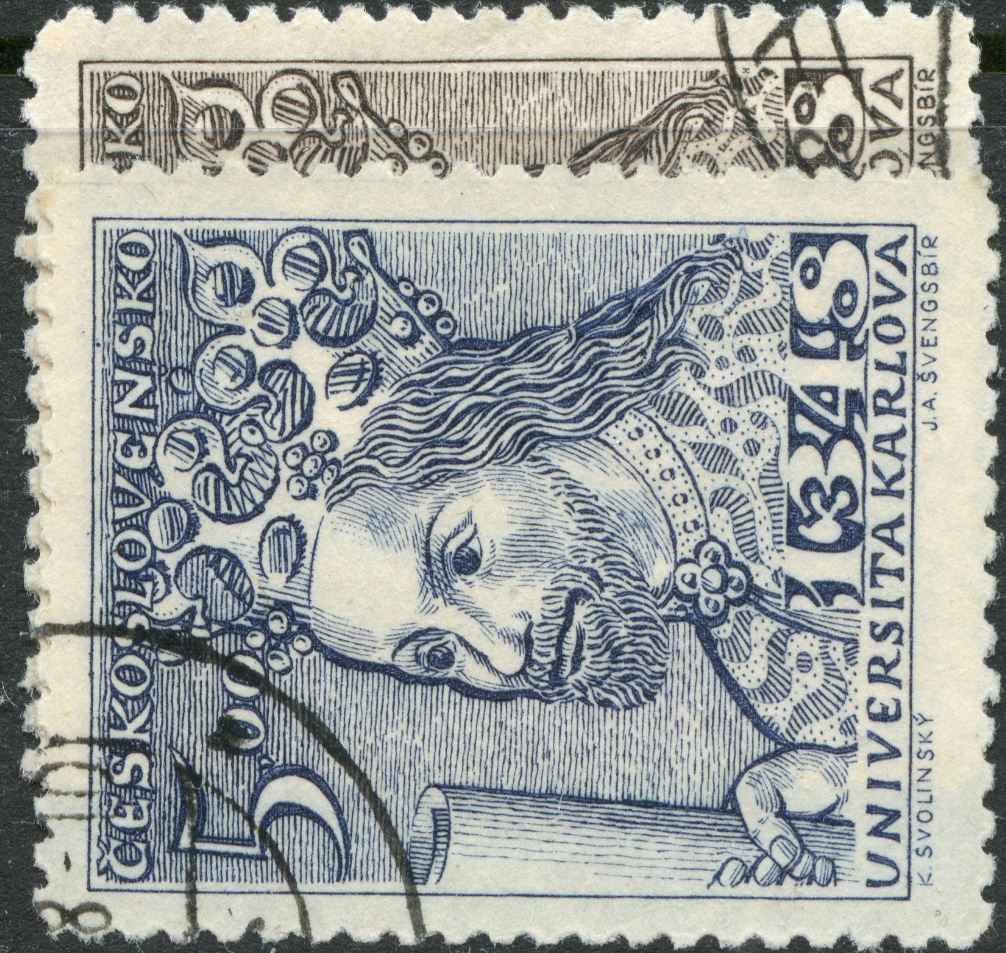
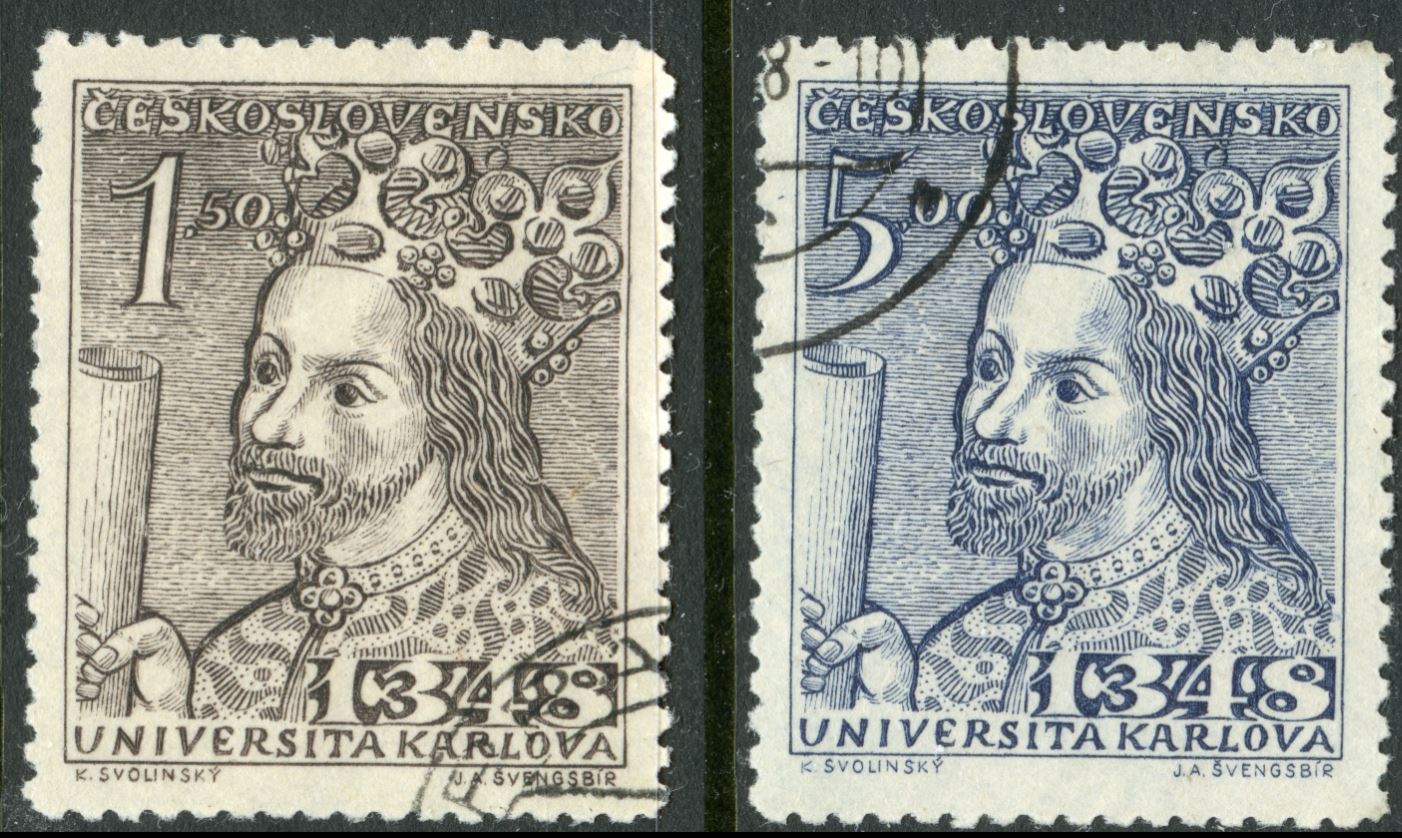
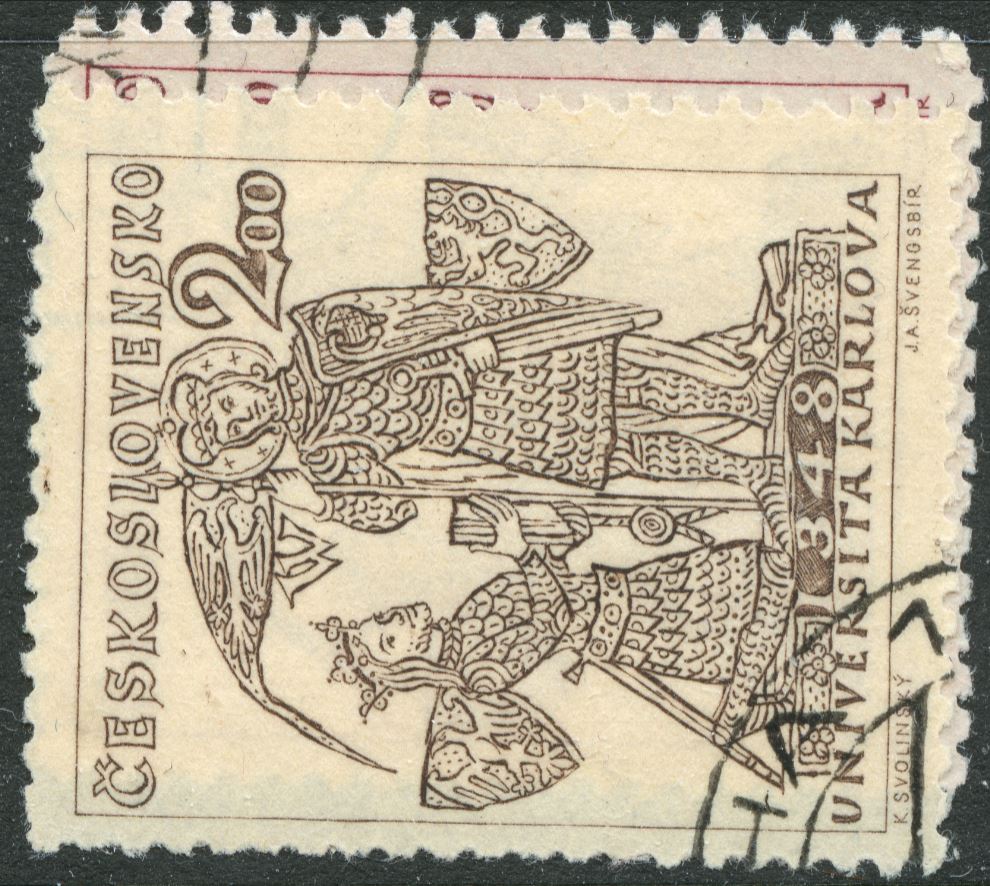
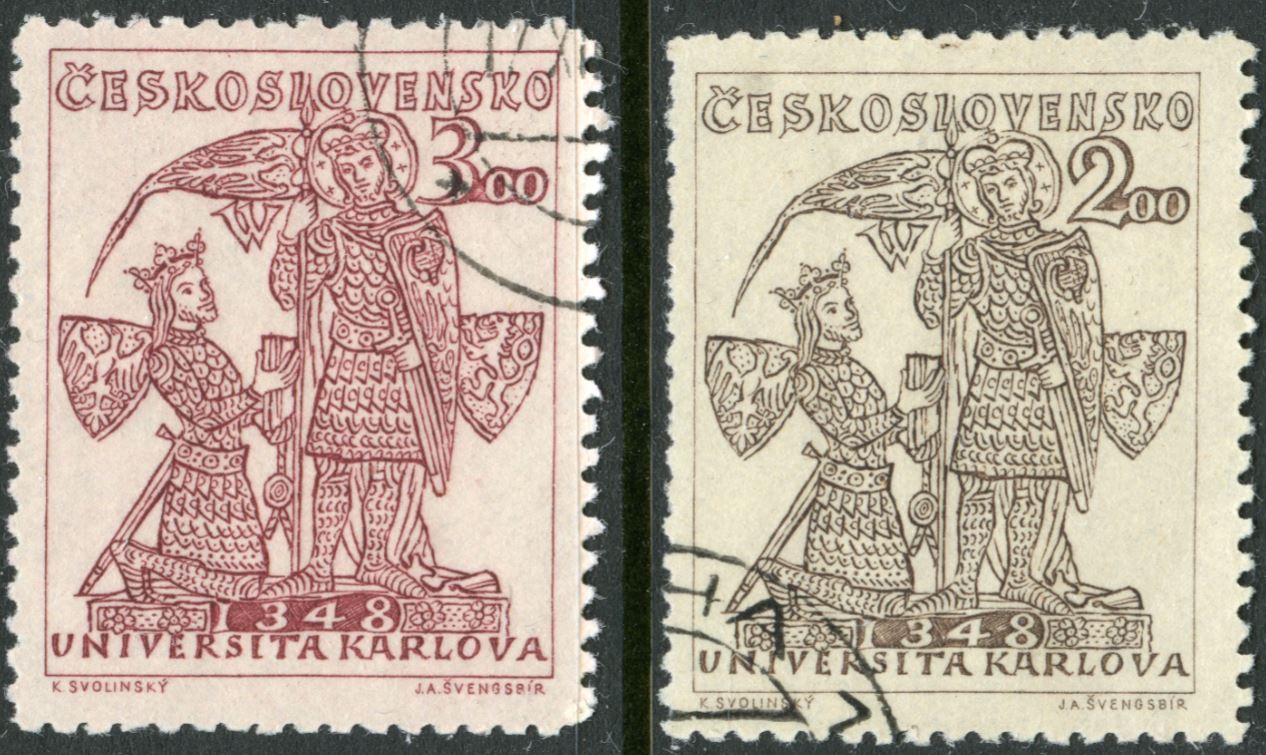
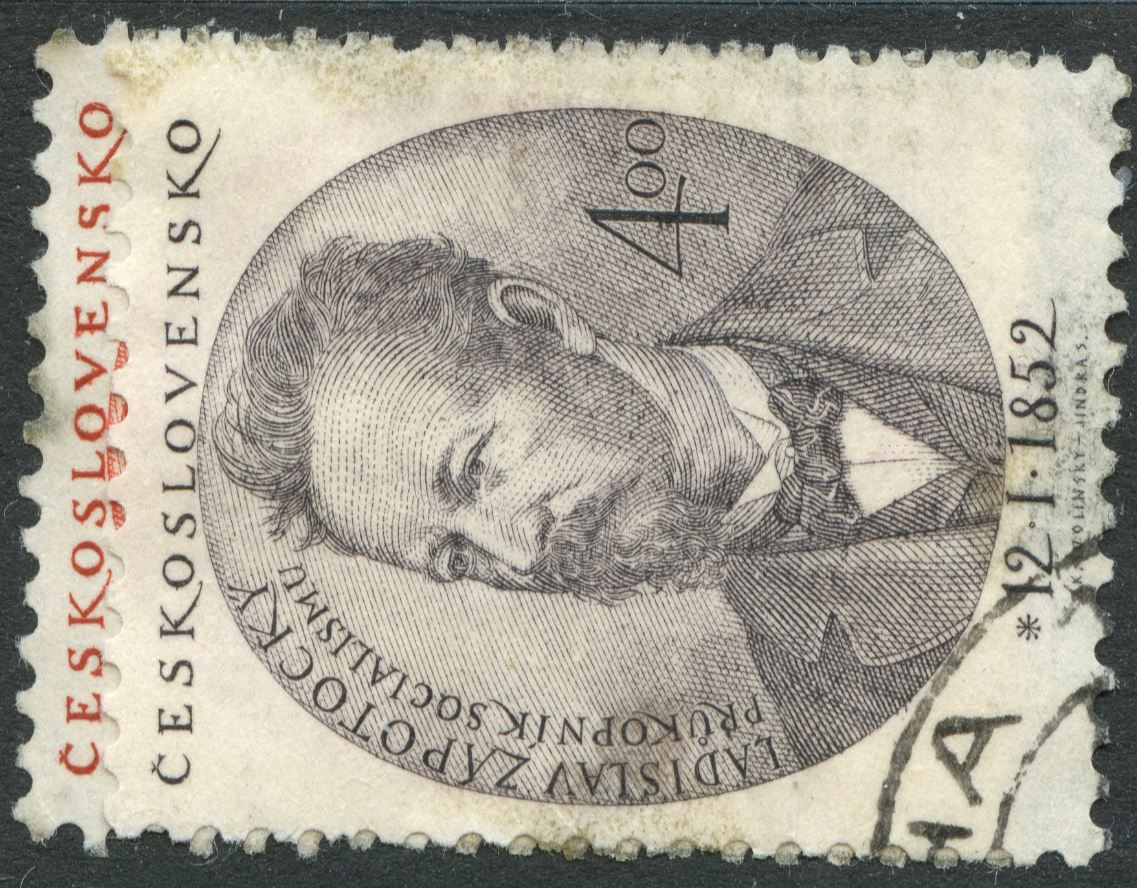
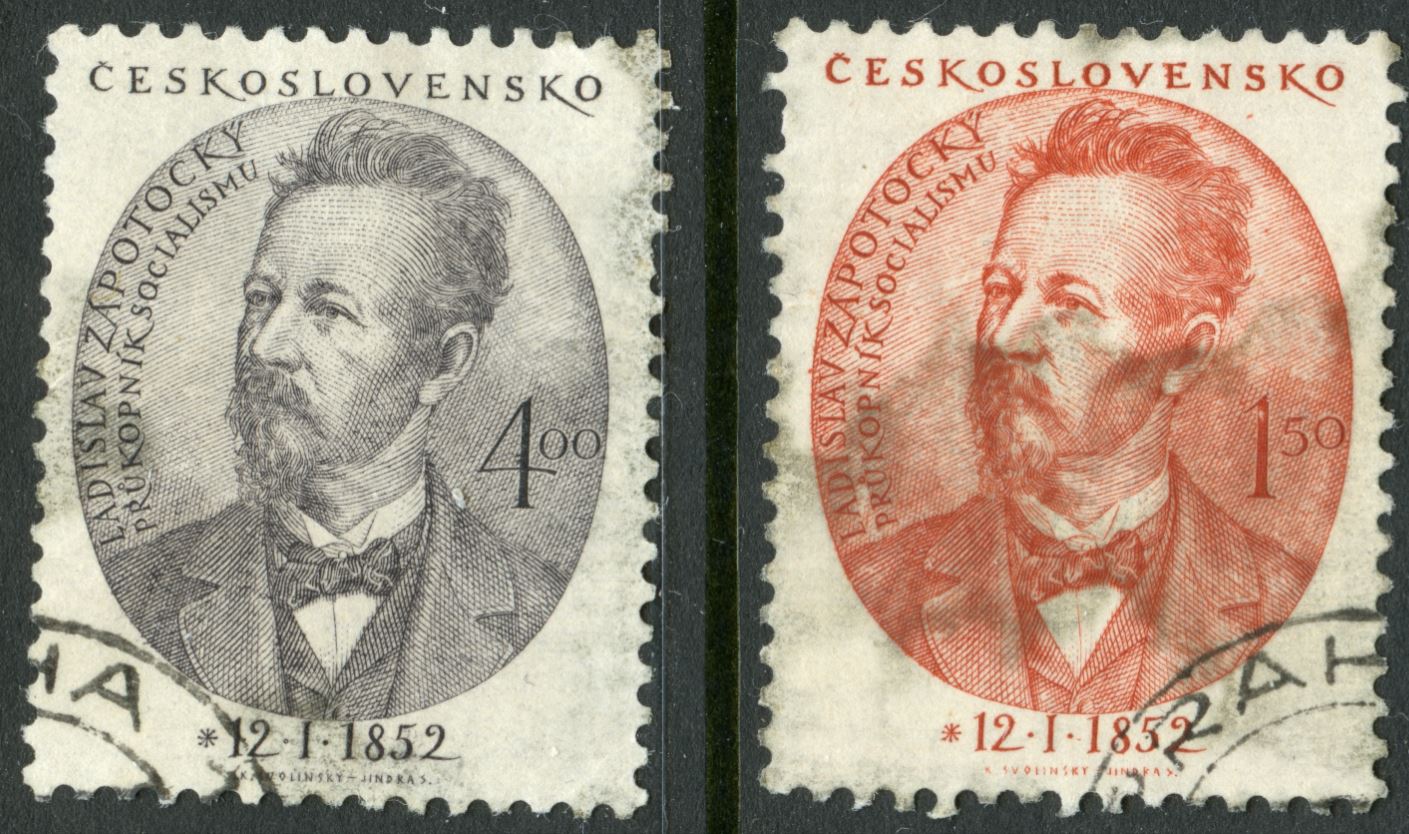
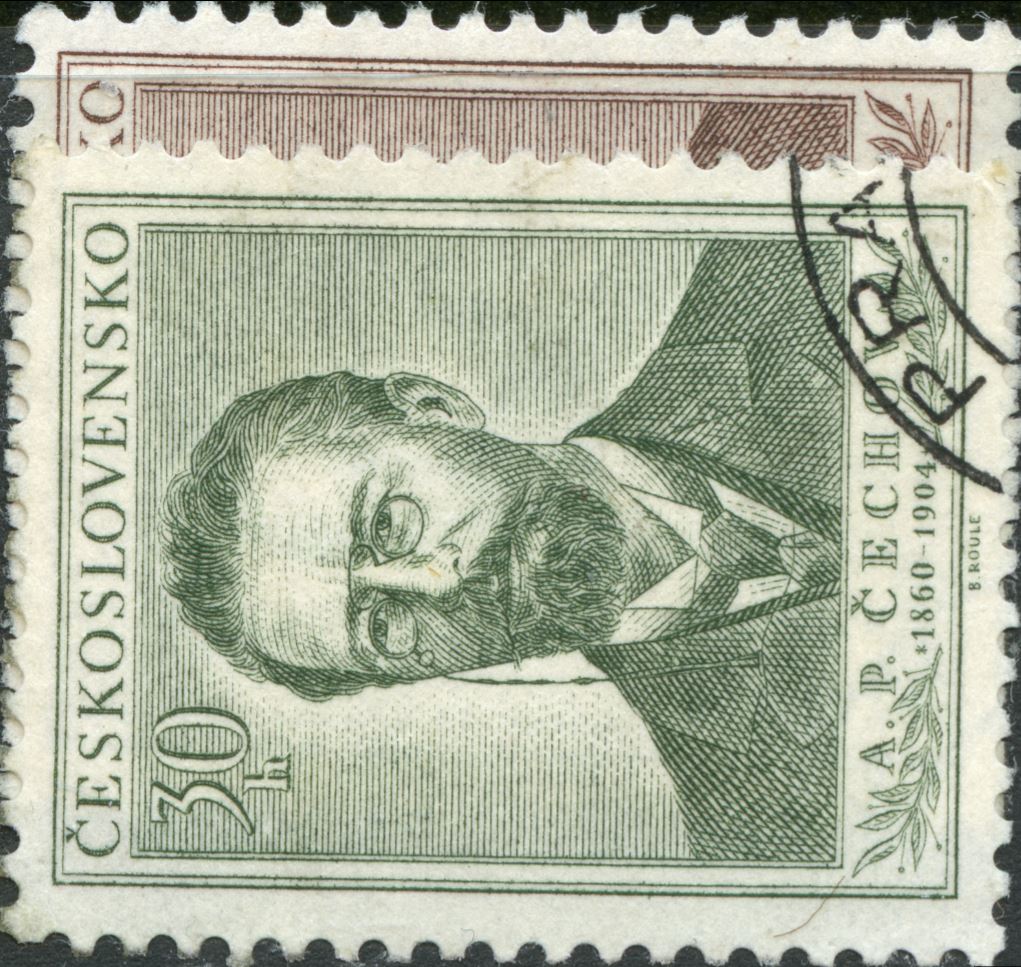
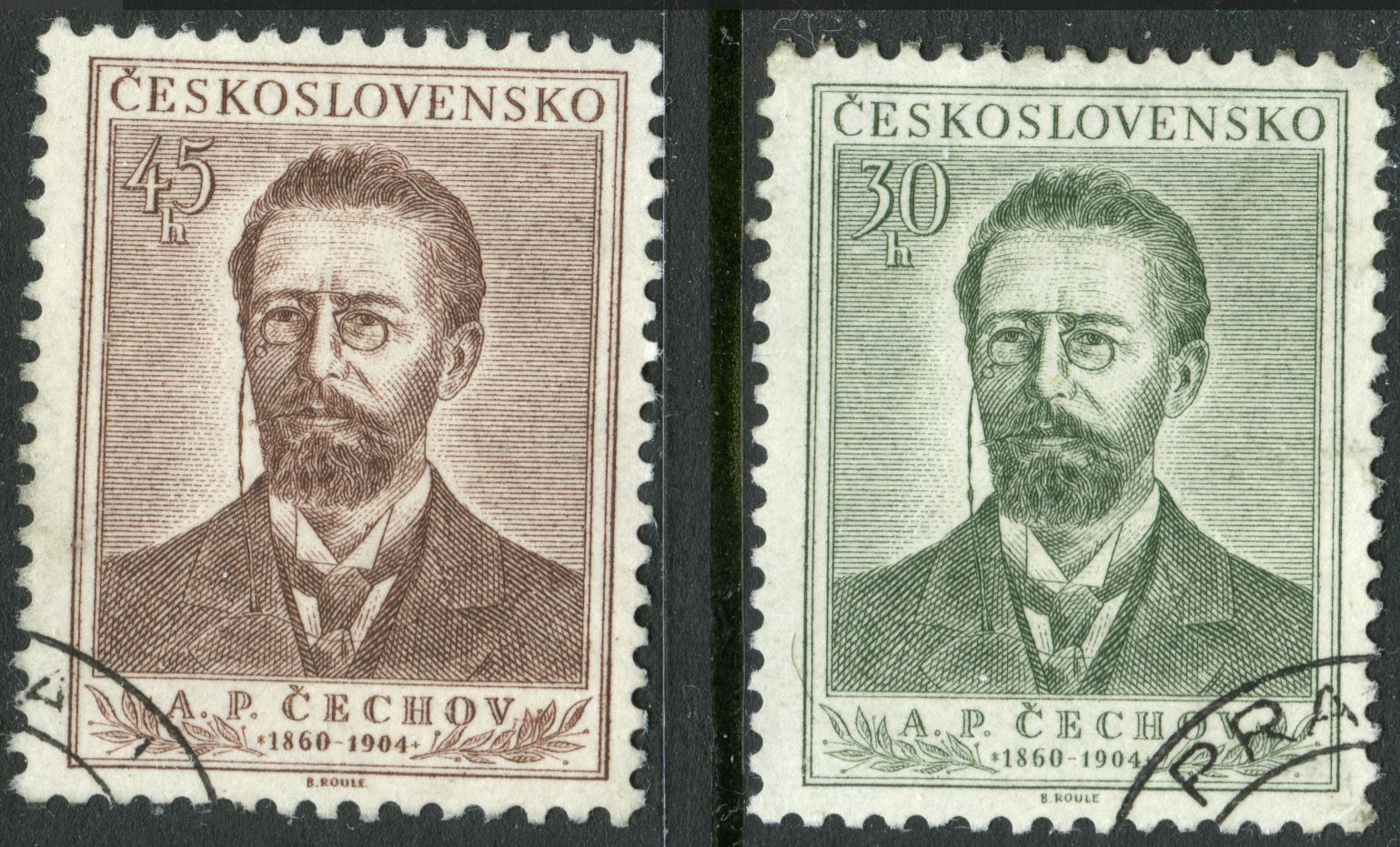
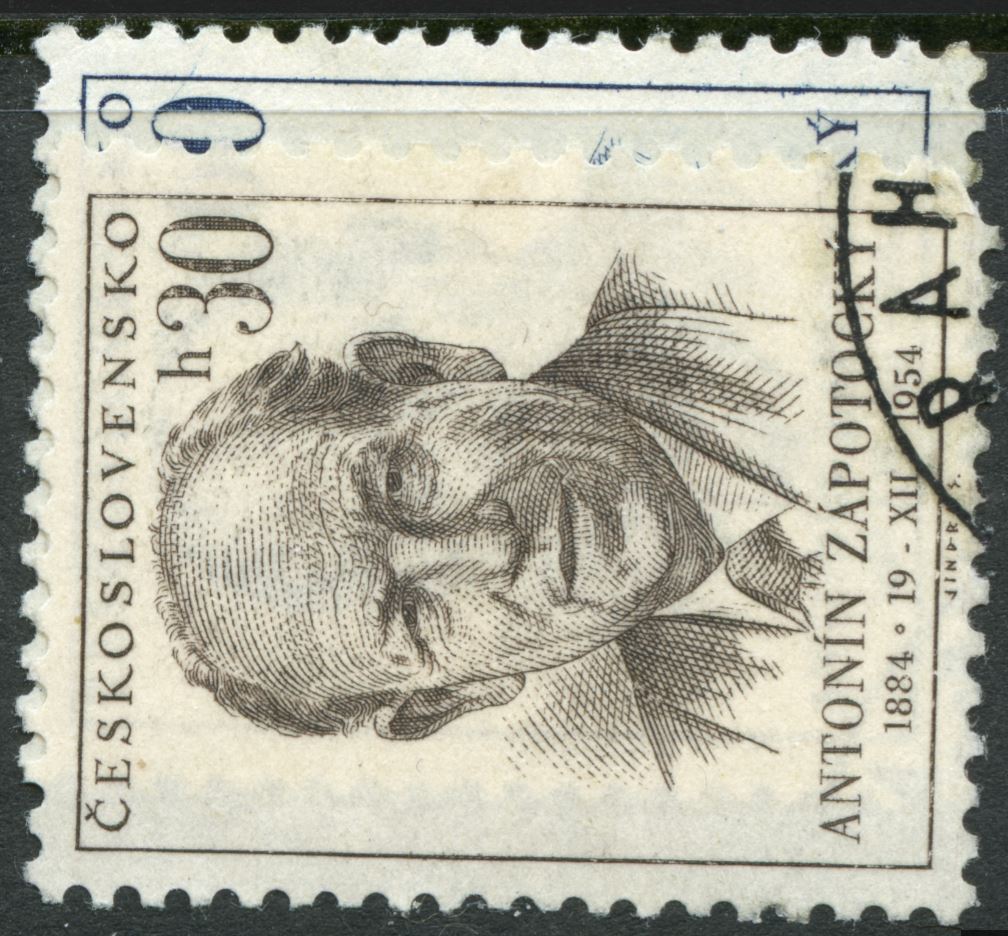
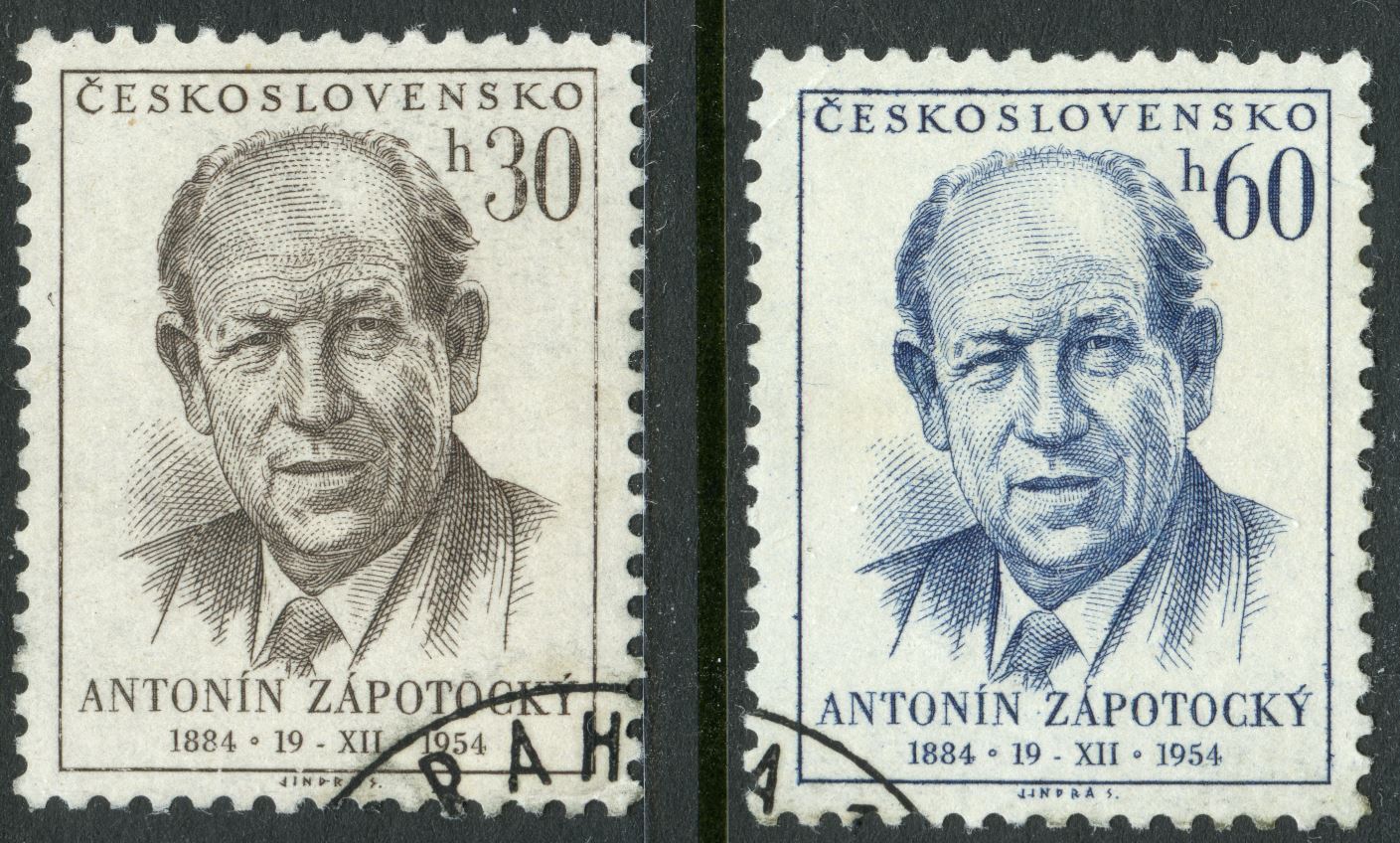
Galeoptix - Rein, I do not normally go into such details but I remember a similar event that happened in 1947 when Michel 468 / Scott 296 had parts of the master plate retouched creating
Type II. See:
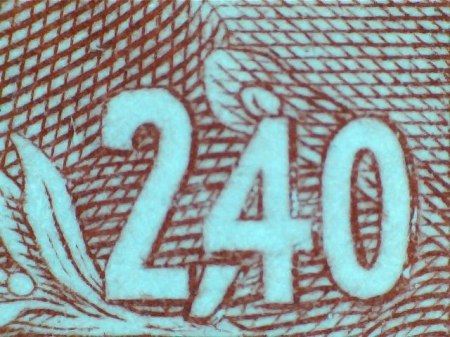
http://www.filateliepenkava.cz/deta...1945-1947/1/1945 è. 421
Portréty - M.R.Štefánik
(
I. typ)
elliptical zero in 2,40
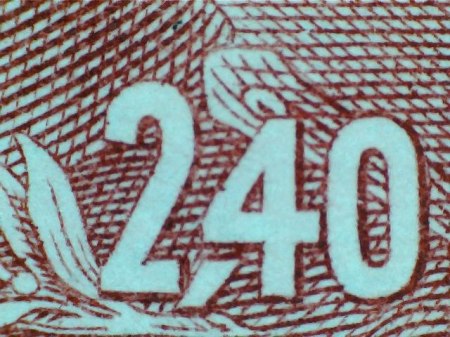
1945 è. 421
Portréty - M.R.Štefánik
(
II. typ)
curved zero in 2,40
Unless the
master die is duplicated by
electrotypy (as used to be the case in Austria or Russia), it has to be hardened and copied (and even re-copied so as to produce
secondary dies for the engraver to intervene upon in preparing other values of the same design)
by means of a transfer roll, which, hardened again, is used in producing the printing plates.
The transfer roll, unlike the electrotypic process, can never pick up the wealth of the fine detail of the engraving as it appears on the die proof pulled from the master die or on electrotyped Austrian or Russian stamps. Whenever the transfer roll is used, some of the fine lines can be transferred imperfectly or even disappear.
"
Les épreuves d'artistes sont infiniment plus belles que les timbres," said the engraver Pierre Gandon. "
C'est sur ces épreuves qu'on peut juger vraiment des qualités d'une gravure." = The artist's proofs are infinitely more beautiful than the stamps. It is on these proofs that you can really judge the qualities of an engraving.
Once the master die is hardened to be copied onto a transfer roll, the engraving on it can no longer be intervened on.
Correction of faults and deficiencies of the original engraving discovered during the printing process can, however, be carried out
on secondary dies, which are mainly used for intervention by the engraver in order to create other values of the same design.
Secondary dies, derived from the master die, have to be hardened and copied again onto other transfer rolls, which, after another hardening process, are used in making the respective printing plates.
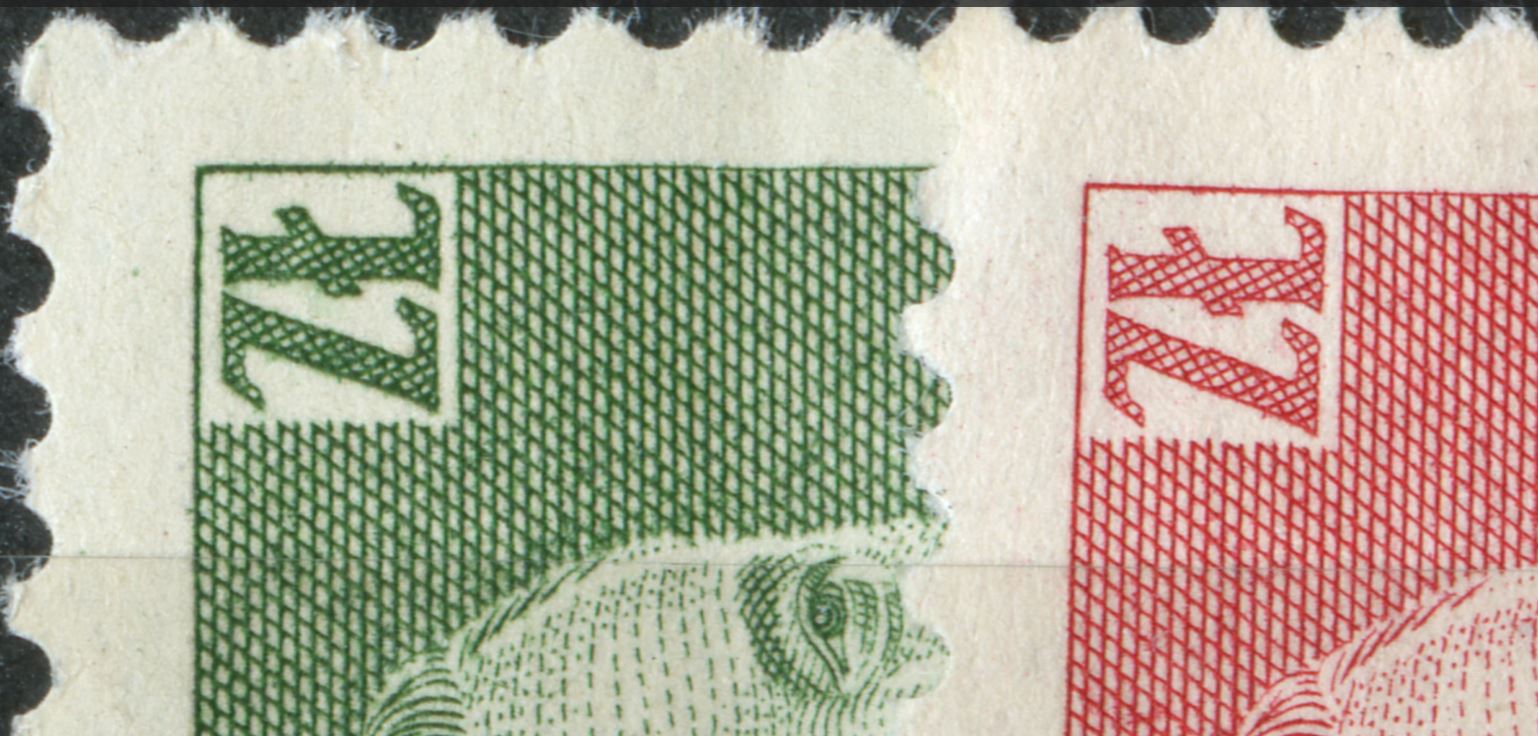
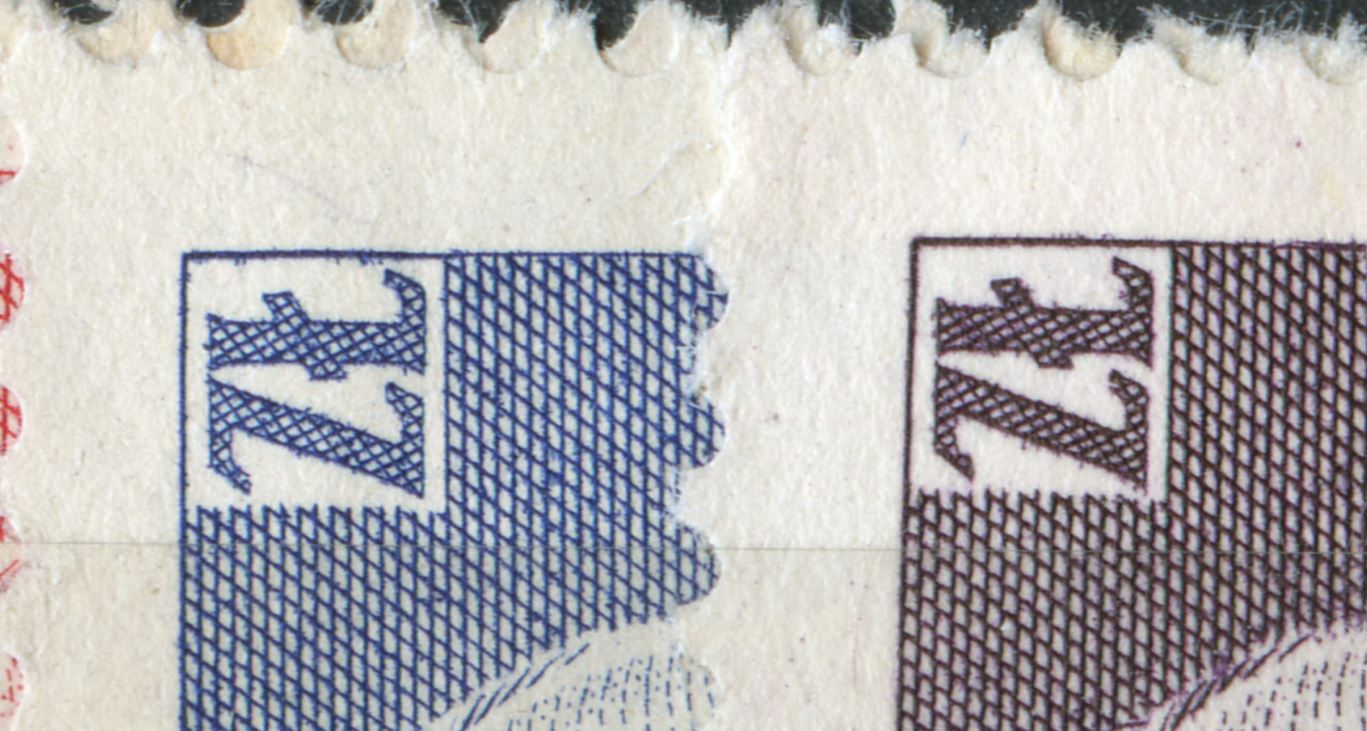
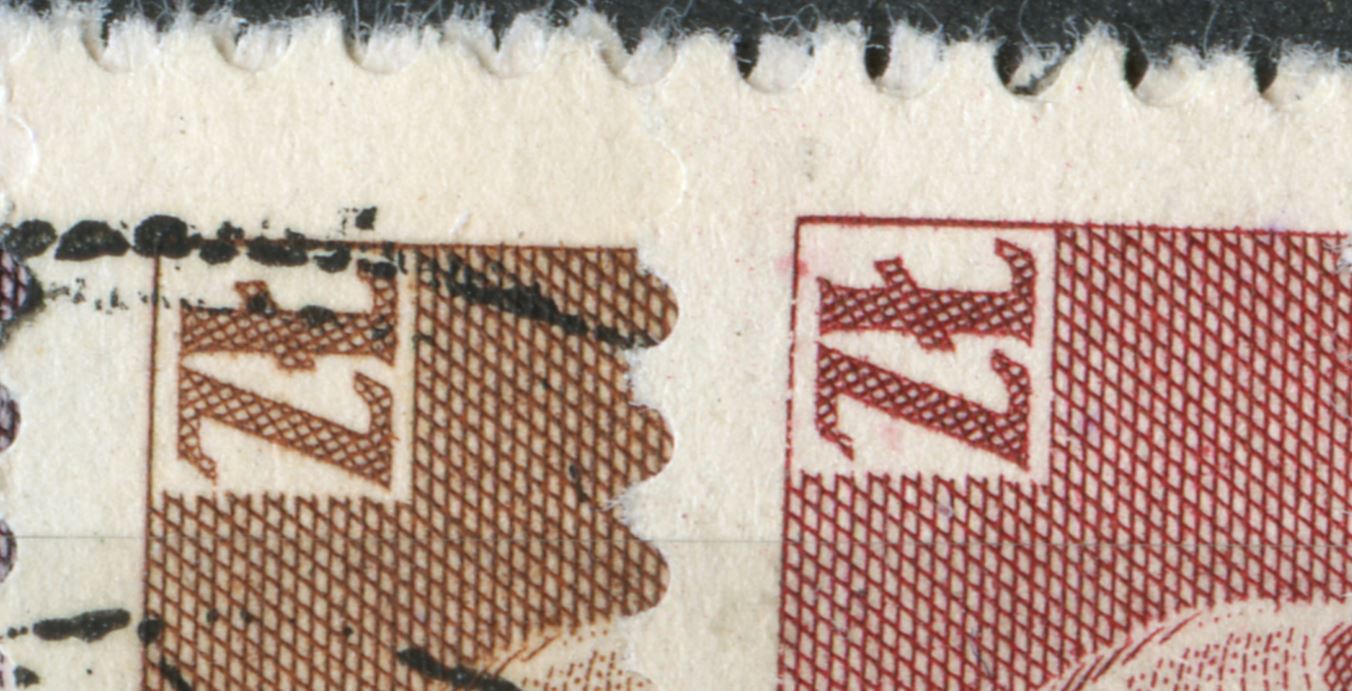
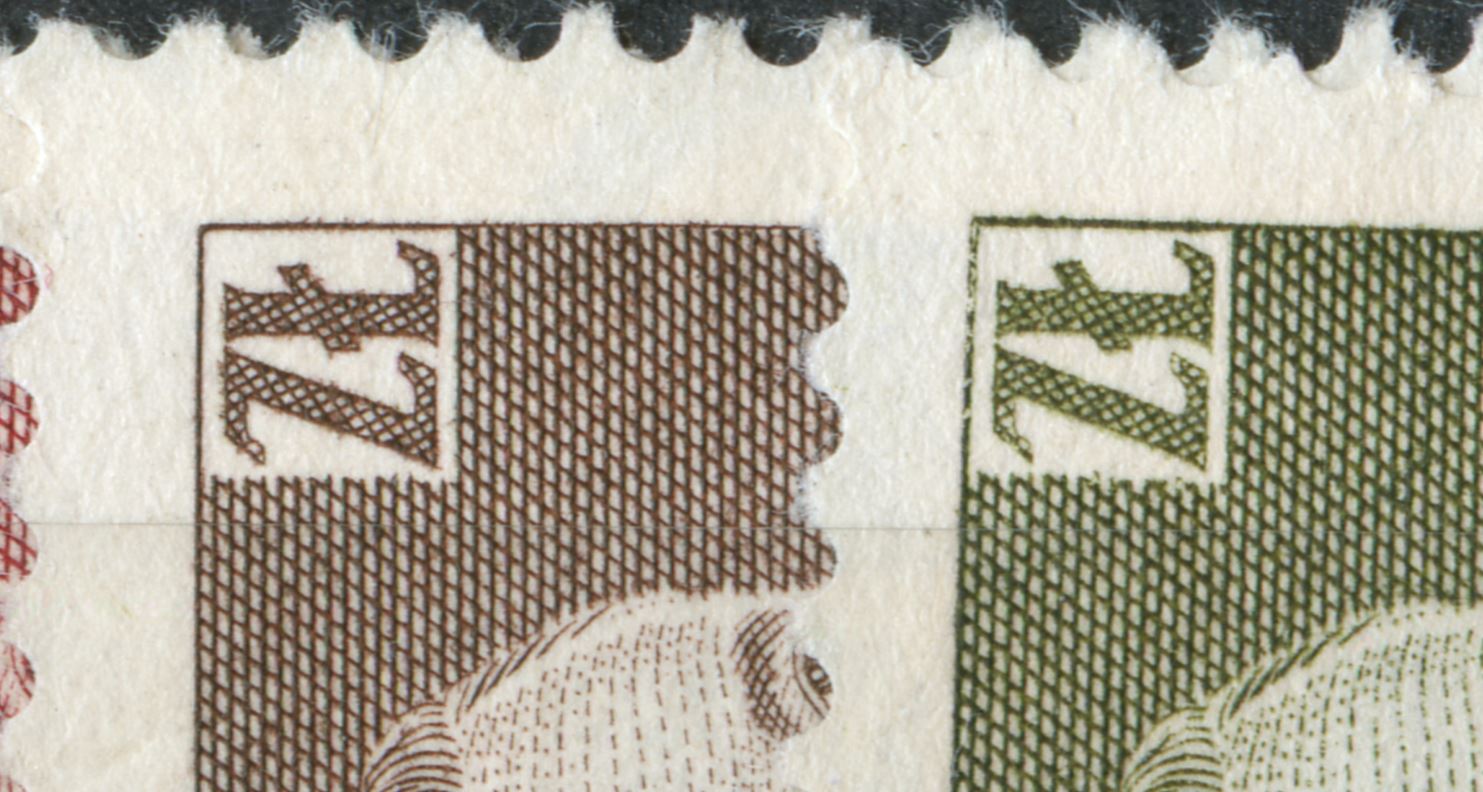
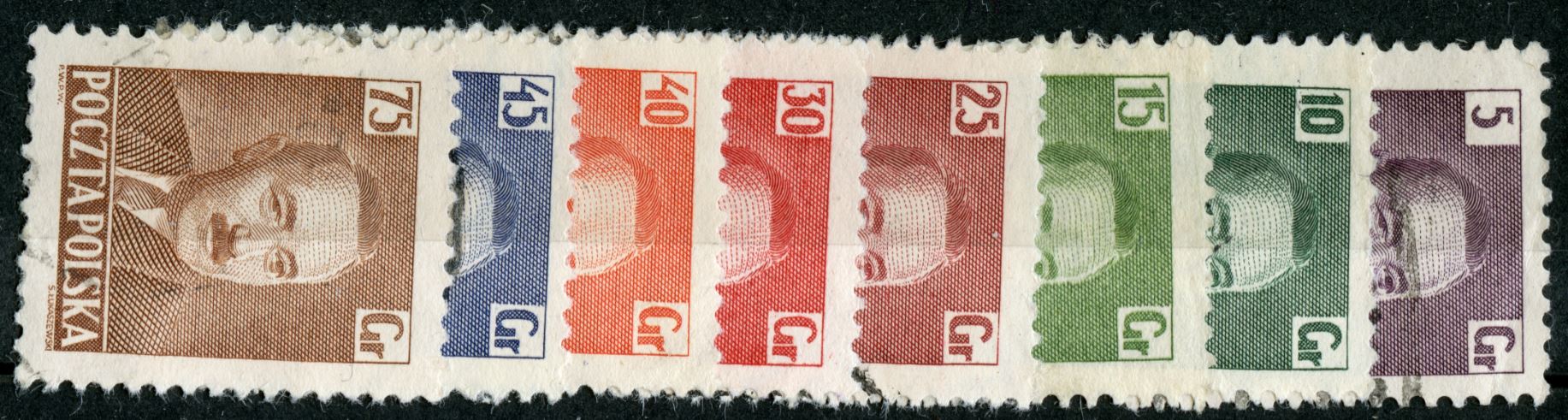
Owing to enormous pressure of hardened steel on soft steel in several progressive steps involved, the design could gradually dilate. Could the P.W.P.W. have used a particular technique
not preventing the gradual increase in size of Polish stamps based on secondary dies?
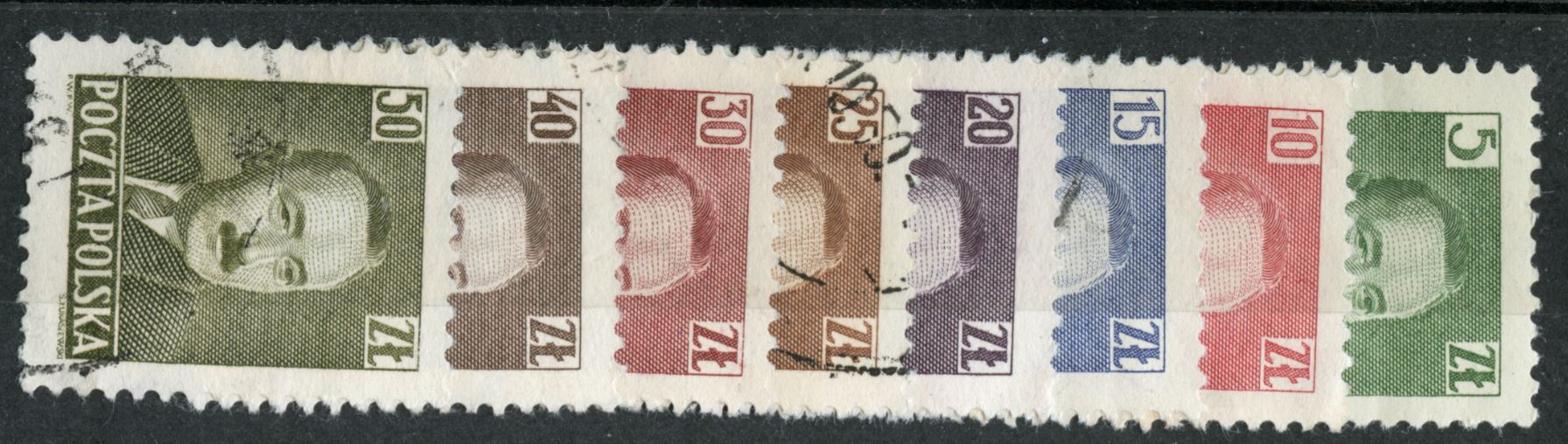
I happen to possess only 3 pairs of mint Polish issues with repeated designs: 1949 Stalin, 1955 Chopin and 1967 Koœciusko. To my surprise, all the 3 of them present the same phenomenon.
Thanks, Rein, for pointing it out on this forum.





 Posted 04/04/2016 08:52 am