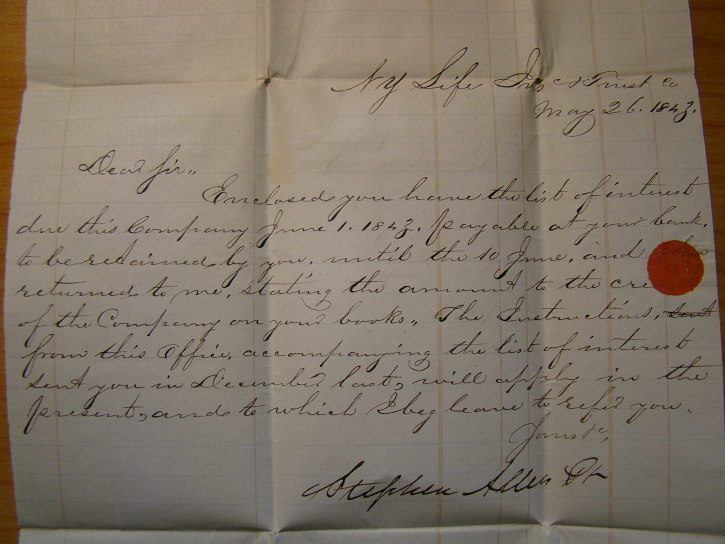
A couple of things to get you started:
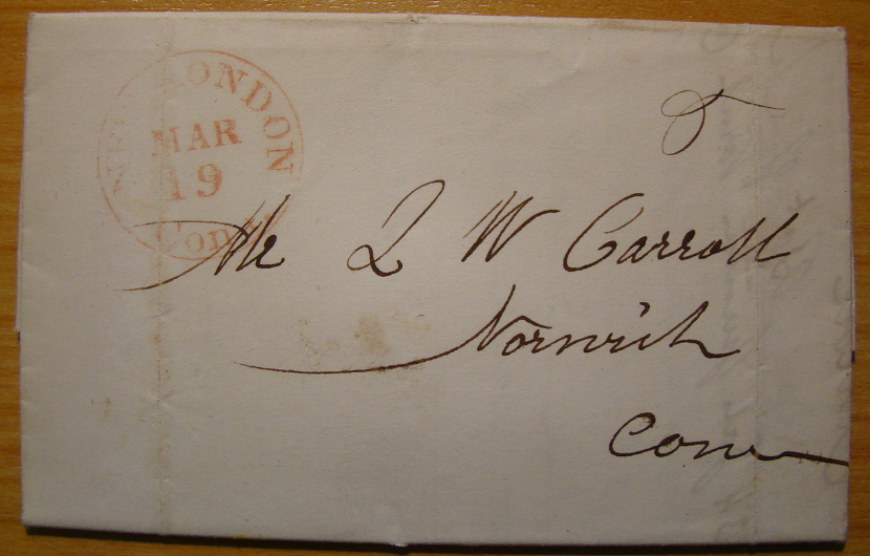
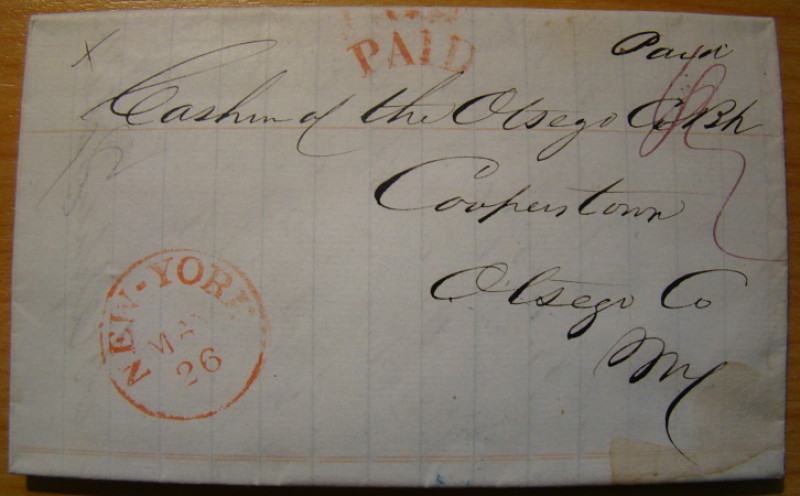
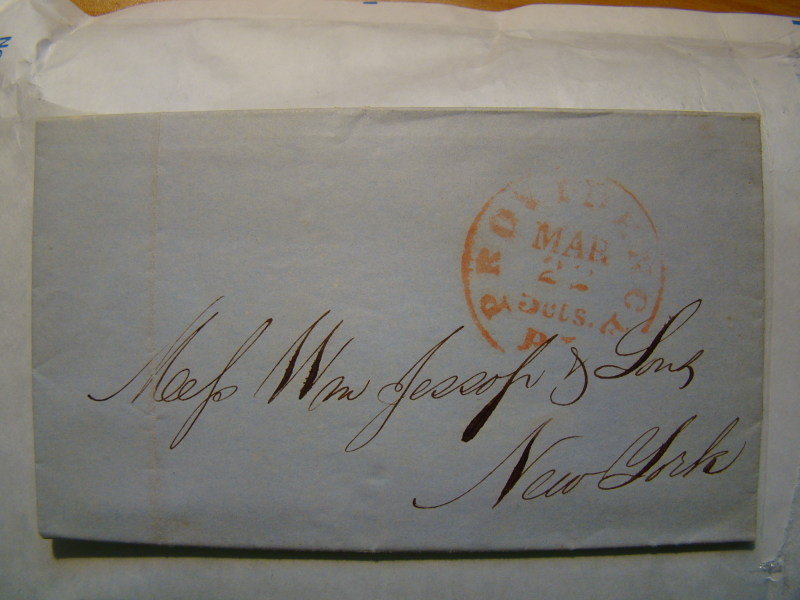
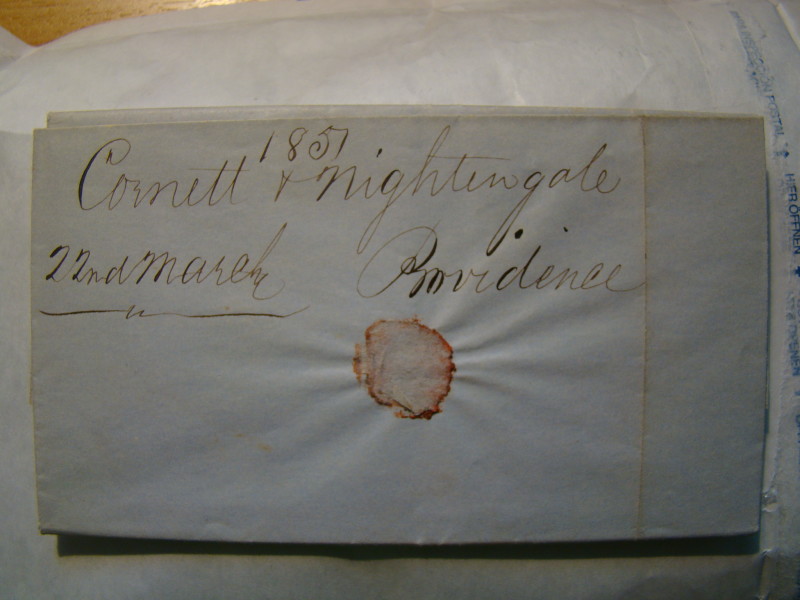
- First of all, unless it says "PAID" or "FREE," you can assume that the postage was to be paid by the recipient. Only your second cover has a "PAID" marking. The other two were postage collect.
- There are two main periods for stampless covers - pre July 1, 845 and post July 1, 1845. The big difference was in how they determined rates.
- To get the easy one out of the way, post 1845, rates were calculated on weight and distance.
- Here's a chart of these rates:
http://postalmuseum.si.edu/about/fr...r-rates.html- Postage rated dropped dramatically at that time - you'll see lots of "5s" and "10s" from this period. "40s" and up are more valuable, as they are scarcer rates.
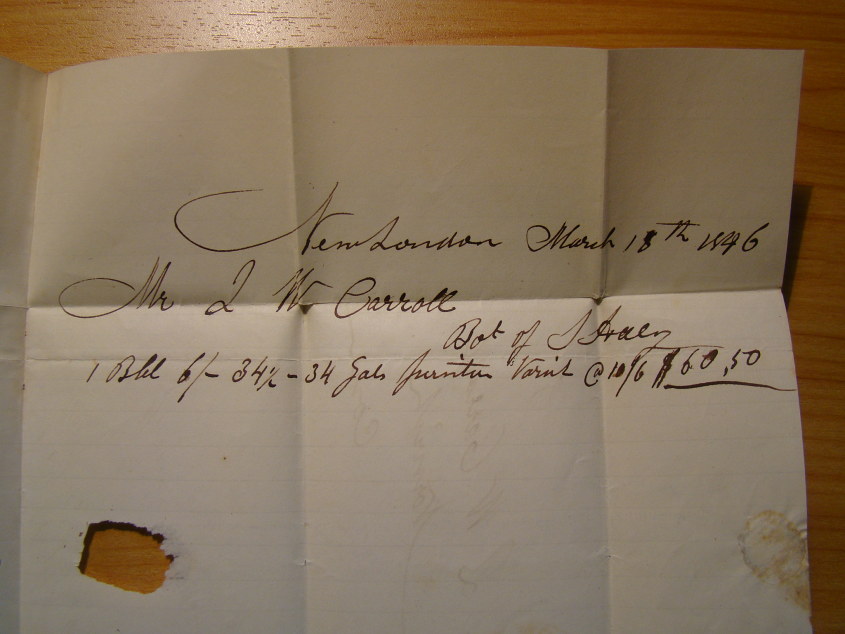
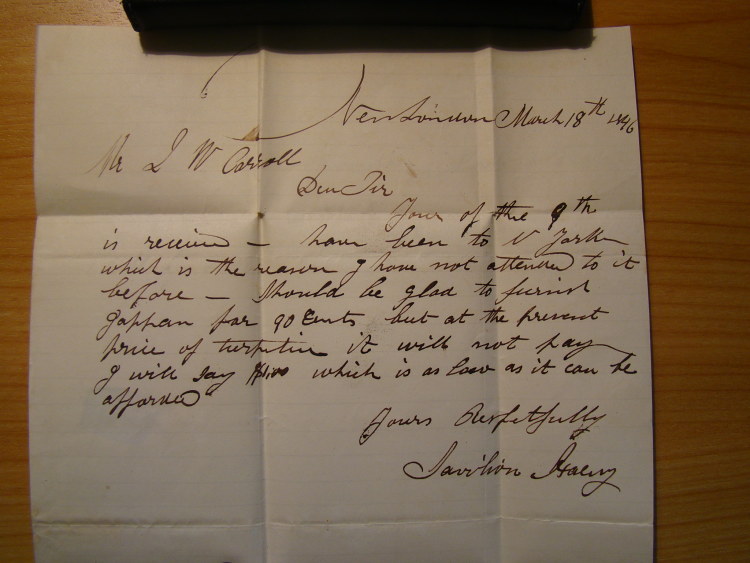
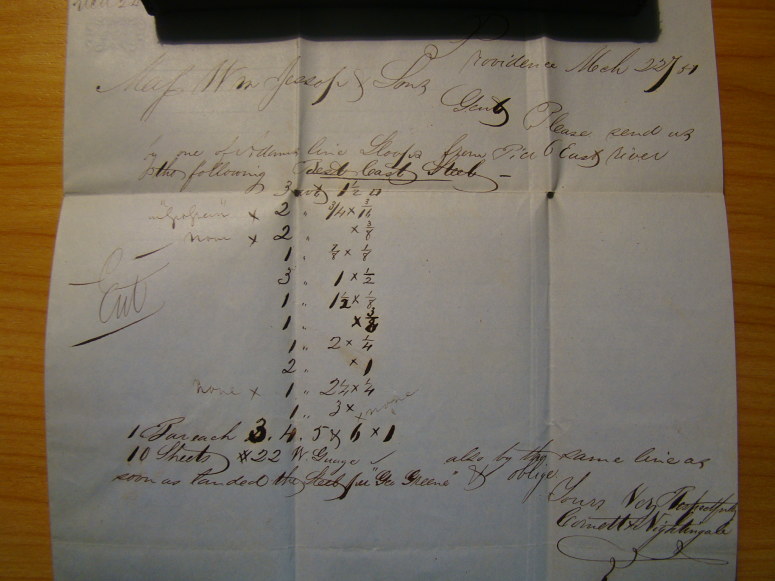
- Pre July 1, 1845, rates were both higher, and calculated based on number of sheets of paper and distance. Each separate piece of paper, whether an envelope or an enclosure, required a separate rate (and why you don't see envelopes prior to 1845). So, if you sent 3 currency notes wrapped in a cover letter, you would be charged 4x the basic rate. (there are exceptions, but this is the basic rule for how to "read" a stampless cover).
- Here's a link that should get you started with these rates:
http://glennestus.com/PHrates.htmAs has been said, for value, you're looking for the out-of-the-ordinary.
Check out this article on stampless covers:
http://www.uspcs.org/stamps-covers/...rs-pre-1847/and check out these exhibits (of some of the out-of-the-ordinary):
http://www.uspcs.org/resource-cente...od-exhibits/Good luck and have fun





 Posted 04/08/2016 1:44 pm