| Author |
 Replies: 12 / Views: 2,922 Replies: 12 / Views: 2,922 |
|
|
Valued Member
United States
114 Posts |
|
|
|
For sometime I have been looking at a material known as Mylar Polyester to use as a mounting material for way oversize sheets and possibly unusual shaped items. The supplier I have been talking to says it is archival quality, but I'm just not sure. I am hoping someone has some knowledge about this material.
*** Moved by Staff to a more appropriate forum. ***
|
|
Send note to Staff
|
|
|
|
|
Pillar Of The Community
United States
2423 Posts |
|
|
Pillar Of The Community
United States
854 Posts |
|
|
Mylar polyester is as good as it gets. Many exhibitors use the product for their page protectors. I buy mine from Atlantic Protective Pouches, which offers a wide variety of sizes and formats (including custom work) but product can take a long time to manufacture and ship. |
Send note to Staff 
|
|
|
Pillar Of The Community
United States
1125 Posts |
|
|
Valued Member
United States
114 Posts |
|
|
Valued Member
United Kingdom
7 Posts |
|
|
There is a Youtube video using a combination of plastic sheet and adhesive tape to create custom album pages.
As a new member, I am not encouraged to post external links, but if you search for "heong wah ng" you will find it.
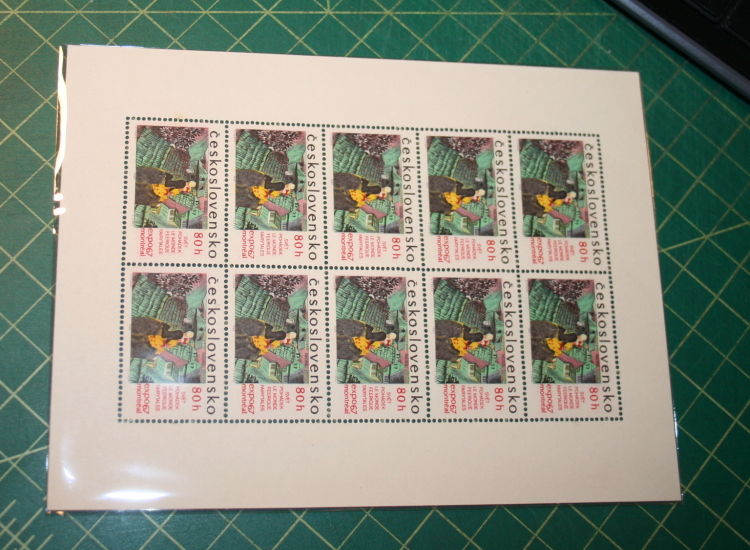
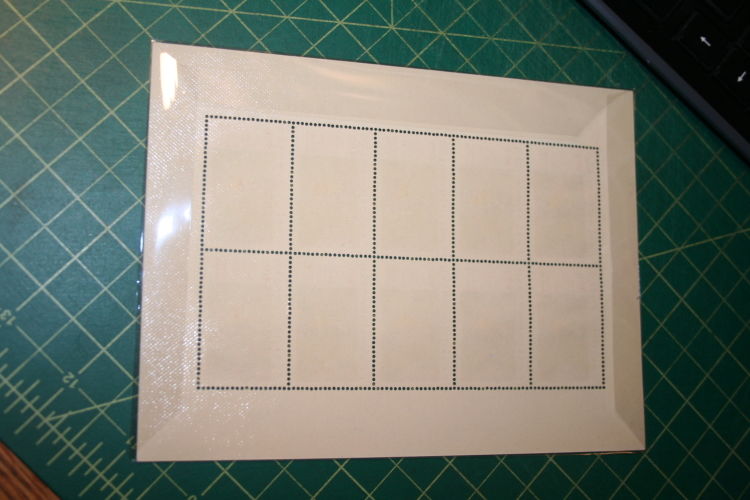
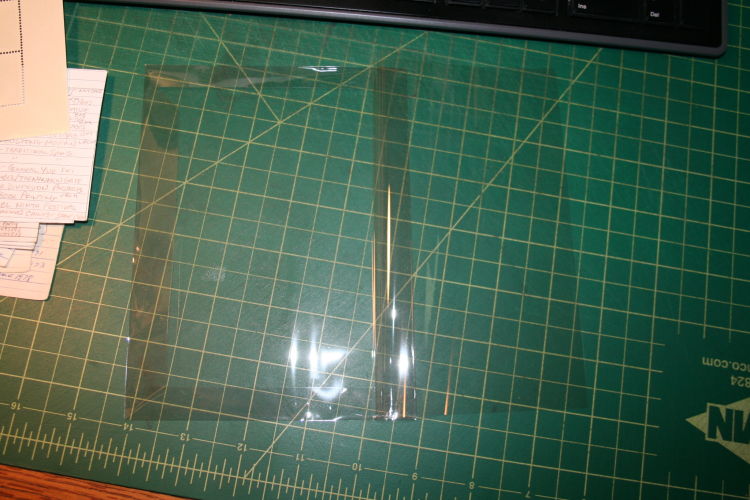
I have just tried this with an adaptation; I used the thin plastic used to cover greetings cards and presentation packs. This may be a free source of thin mylar which makes album pages less bulky.
Based on my first try last night I hit a couple of hitches:
Thin adhesive tape needs careful handling to run straight and not pick up stray hairs and fluff that will mar the final result.
Initially it is difficult to get the plastic to lie flat against the page, but like stamps the pressure from the closed album seems to quickly sort this out.
I think this will be an inexpensive and flexible mounting solution.
An unknown is the archival quality of the adhesive tape. The one I used was bought from a well known chain of craft shops here in the UK, and cost a few pounds. I believe the adhesive is acrylic based. I wouldn't risk it on anything valuable. |
|
Send note to Staff
|
|
|
Pillar Of The Community
3860 Posts |
|
|
Pillar Of The Community
United States
1125 Posts |
|
|
Quote:
I used the thin plastic used to cover greetings cards and presentation packs. This may be a free source of thin mylar which makes album pages less bulky. I would not recommend this. Packaging materials are designed to be cheap and disposable. There is NO guarantee that they are archival at all. Quote:
An unknown is the archival quality of the adhesive tape. The one I used was bought from a well known chain of craft shops here in the UK, and cost a few pounds. I believe the adhesive is acrylic based. I wouldn't risk it on anything valuable. I wouldn't trust any adhesive tape, regardless of the manufacturers claims. When an adhesives is designed to be tacky, such as Post-It notes or adhesive tape, they are designed to release from the surface (so you can unspool the tape or remove the top note. This same ability to release from the backing means that they may migrate, especially if under pressure ("squeezed out") They may be ph neutral or not likely to discolor, but they can screw up the paper. If you're looking for thin polyester film, such as 1 or 2 mil, I'd recommend you try an archival or museum supply house to be safe. |
|
Send note to Staff
|
|
|
Valued Member
United Kingdom
7 Posts |
|
|
Chipg what you say is good advice. I would not recommend anyone follow my example, without realising they are taking a risk with their collection. |
|
Send note to Staff
|
|
|
Valued Member
United States
81 Posts |
|
|
On the use of polyester, here's some info from Atlantic Protective Pouches, as sent to me by the owner of the company: Quote:
We certify that all pouches are made from film that adheres to the Library of Congress Spec. 500-500, "Polyester Film for the Storage of Artifacts", and the "Photographic Activity Test" (PAT), ISO 18916. Given that every exhibitor I know (and I know many, including myself  ) trusts their exhibit pages to Atlantic's products, I think the above should leave no doubt in anyone's mind as to the safety of that material. Atlantic is a great company to deal with, but as of the last year or so they've increased their minimum order to $300, and sometimes they have long lead times. But once you get the ball rolling with an order, their customer service & communication is top notch. For a more immediate source of archival polyester, a company called Gaylord Archival sells a variety of protective sleeves, pouches, and sheets for DIY mounts. Anyway, HTH. |
|
Send note to Staff
|
|
|
Pillar Of The Community

United States
1123 Posts |
|
|
If you are an exhibitor or looking for just the exhibit-sized sleeves (and you don't need $300 worth), Amos has the 8.5x11 and 11x17 sizes in their catalog, in packages of 8 or 16 sleeves (enough for a single exhibit frame), and the price is better than Atlantic's retail price for small quantities. (You'd have to buy over 100 sleeves from Atlantic to get a quantity discount that approaches Amos's sale price per piece). |
|
Send note to Staff
|
|
|
Valued Member
United States
81 Posts |
|
|
Valued Member
United States
54 Posts |
|
|
I've observed that the thin cellophane on cigarette packages seems to hold up well across many decades. The little decal-style taxpaids are adhered to this cellophane, and stamps from the 60s and 70s that are on it fare very well, at least those I've observed.
Perhaps it won't last forever, but then again, maybe it'll last a lifetime. I use the cellophane that wraps individual "microwave popcorn" bags to make little mounts. I believe it will hold up well over the coming years.
Many years ago, I started making little mounts for my cigarette taxpaids out of the same cellophanes off the packages. These survive very well, and I think my oldest ones are going on 20 years now.
Maybe worth trying? I'm not a rich person, so I try to improvise whenever possible :-}
Josh
|
|
Send note to Staff
|
|
| |
Replies: 12 / Views: 2,922 |
|




 Posted 08/11/2016 1:25 pm