| Author |
 Replies: 16 / Views: 3,387 Replies: 16 / Views: 3,387 |
|
Valued Member
United States
254 Posts |
|
|
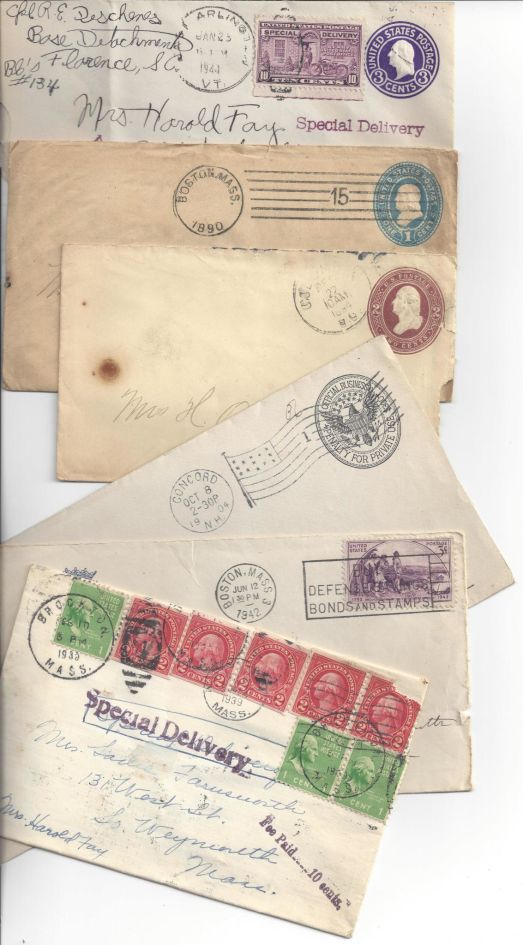
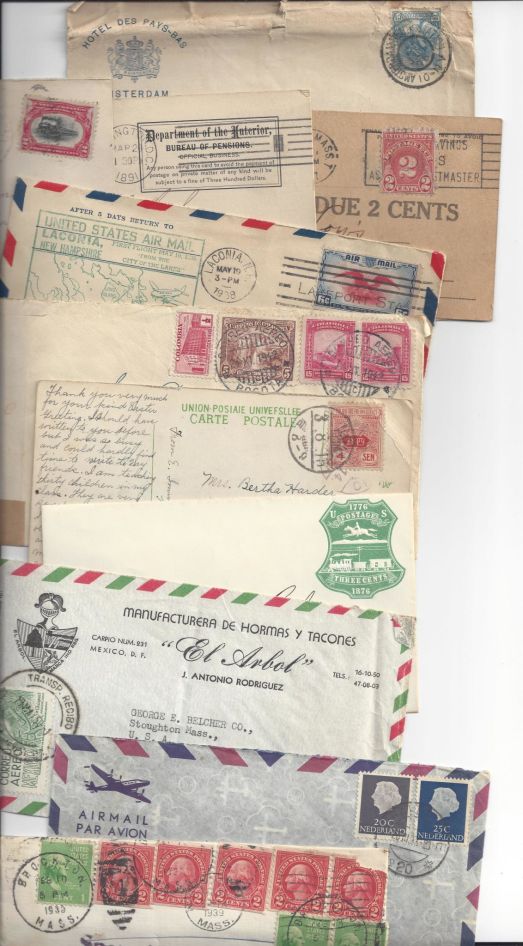
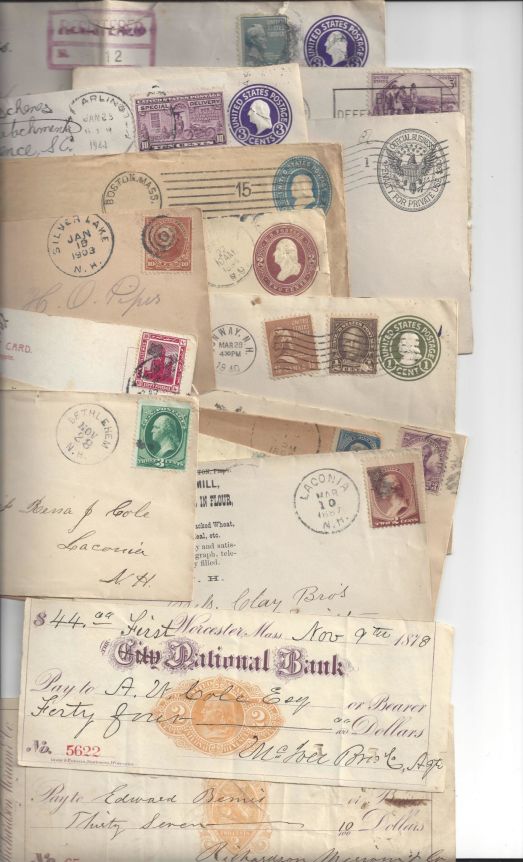
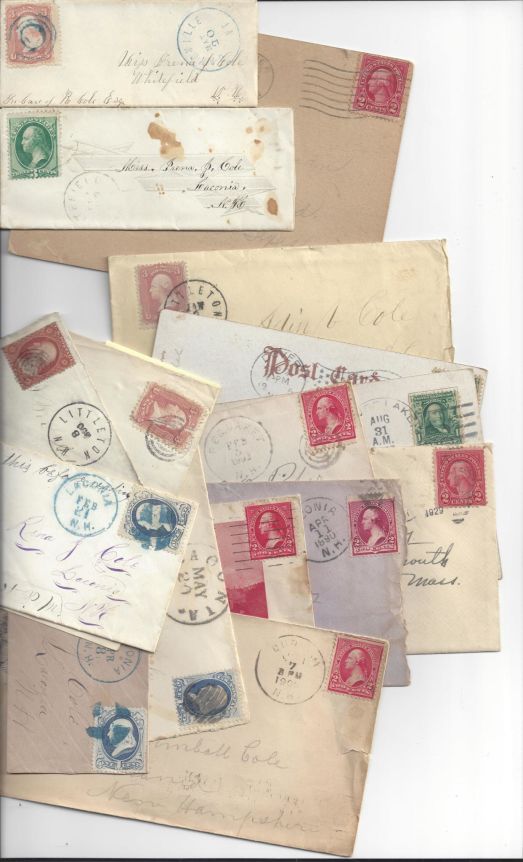
I am aimed to collect stamps, not covers. These I bought because of the stamps - planning to take them off.  Looking at them now and just don't know: what to do, where to start...? Please kindly help, I will appreciate all your comments. 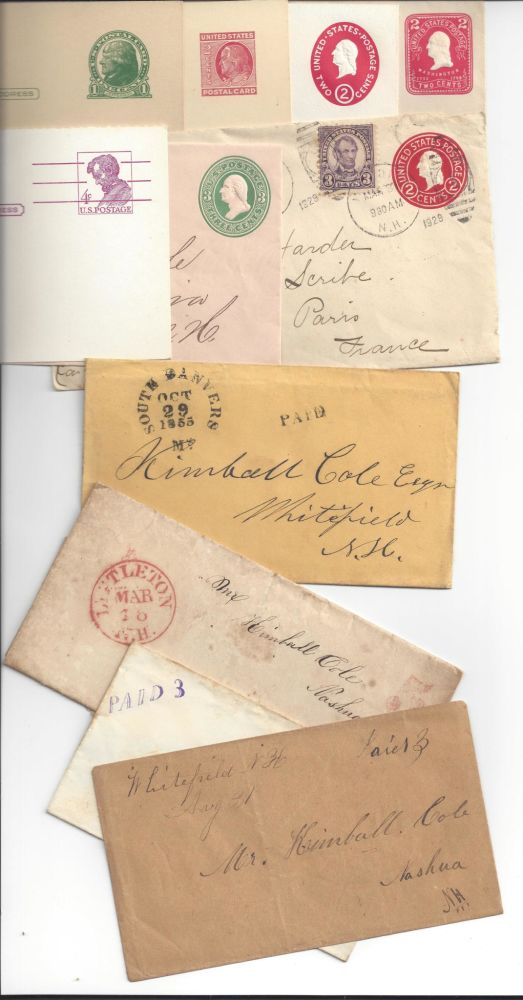 |
|
Send note to Staff
|
|
|
|
|
Valued Member
United States
254 Posts |
|
|
Valued Member
United States
254 Posts |
|
|
Valued Member
United States
254 Posts |
|
|
Valued Member
United States
254 Posts |
|
|
Pillar Of The Community

United States
5468 Posts |
|
|
I would not destroy such interesting postal history to obtain a single stamp. Do you not find these covers full of history and education and excitement? |
Send note to Staff 
|
| Edited by redwoodrandy - 09/08/2016 3:38 pm |
|
|
Pillar Of The Community
United States
1868 Posts |
|
|
There is no single identification guide for this sort of material. But even common stamps become more interesting on cover, as the cover tells a story. Removing these from the covers would be a mistake. It would be better to sell the lot to a dealer or online, or sell them individually, if you have no interest. There are collectors of cancel styles, cancel colors, town cancels, particular usages and imprints such as the Special Delivery markings, and so forth - virtually all of these will interest one of those specialists. I would urge you to keep them intact, and try learning about what each one represents, based on its markings.
|
|
Send note to Staff
|
|
|
Pillar Of The Community
United States
2782 Posts |
|
|
Welcome to the world of postal stationery and postal history. The Scott U.S. Specialized Stamp catalog has information about the postal stationery (postal cards and stamped postal envelopes). It will also have some basic information about stamps on covers. There are other resources to learn more about stamps on covers as well as the postmarks and machine cancel.
I wouldn't take any of the stamps off cover - main reason is none of these are worth much off cover and they can be found for pennies to less than $1 each at many dealers or online. They have more historical and "monetary value" on cover. Postmarks can be worth more than the stamp to collector - especially from smaller towns, clear postmarks and those that are of unusual type. There's also other historical factors that might be of importance - who is the sender? who is the receiver? They might be of importance at least on a local scale. There's also the aesthetics of the cover - quality of handwriting, postmarks, cancels, arrangement of stamps, etc. To remove the stamps would be to destroy the context. If you decide to keep them there are cover albums with sleeves to hold many covers. Others sleeve them and stack them upright in archival quality box. There's othwer ways too. I'm sure others will chime in with more specific information - much of it is already online as well. |
|
Send note to Staff
|
|
|
Pillar Of The Community
United States
854 Posts |
|
|
I would concur that there isn't much benefit to removing these from cover - most of the covers are not of particular significance but they are worth more than the underlying stamps alone. It's always nice to have some examples of how the stamps were actually used.
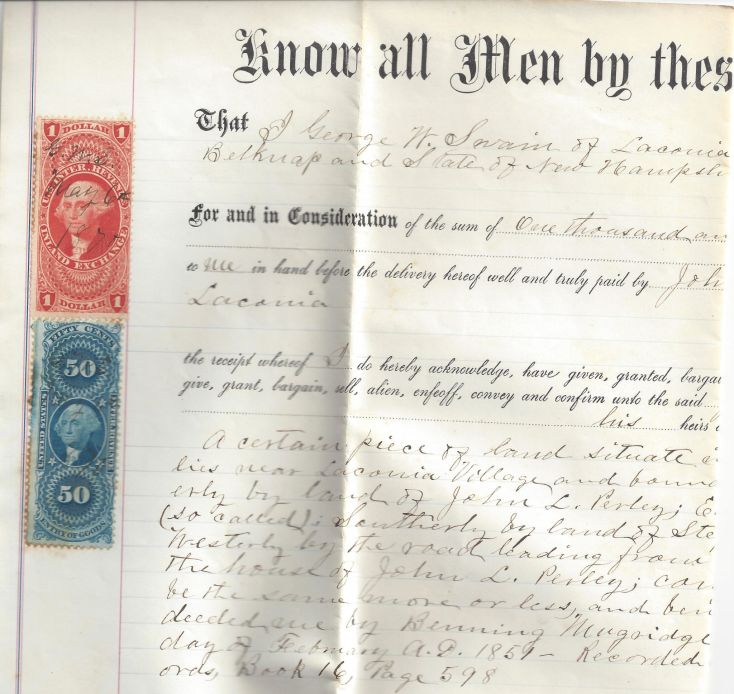
I would note in particular that there is really no value in "cut squares" for postal cards - they are simply not collected that way. The same would be true for the revenue stamped checks, or for the potential of cutting postmarks out of the stampless covers in the first image. Definitely keep those intact.
You have one potentially more valuable cover in the second scan - there's only a corner of it visible in the center of the image (2 cent 1st bureau stamp with a machine cancel that looks like a series of dashes). That's could be a type B machine from the Doremus company, used mostly in 1900 and 1901, and this looks like it might be an advertising cover. Would like to see the whole thing! |
|
Send note to Staff
|
|
|
Valued Member
United States
254 Posts |
|
|
Thank you for very interesting comments! Definitely, I will not destroy the covers. I am just surprised... I didn't imagine to experience anything like that. I will make more copies of what I have. Mr. PaperHistory, it's my pleasure...  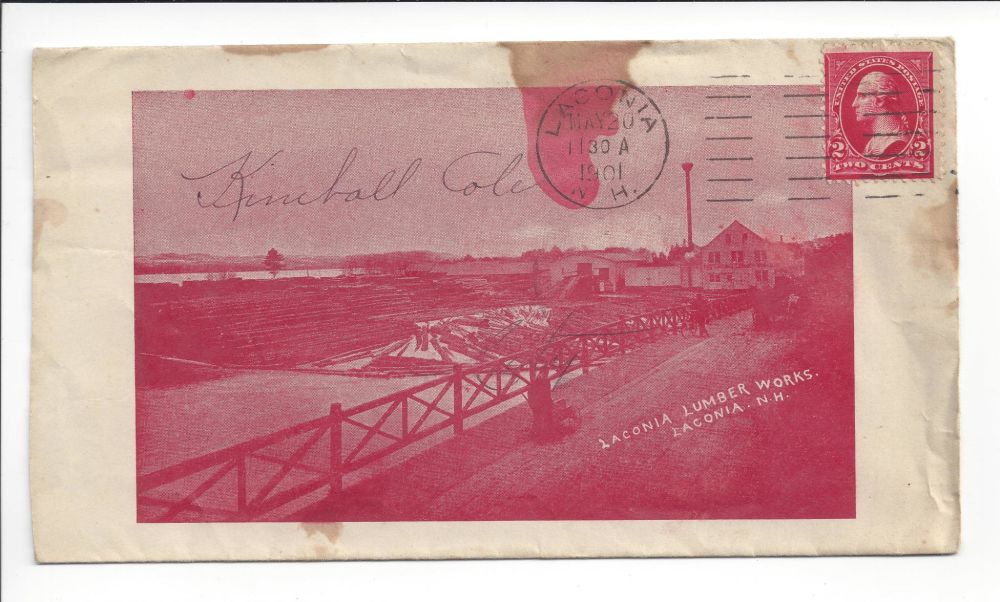 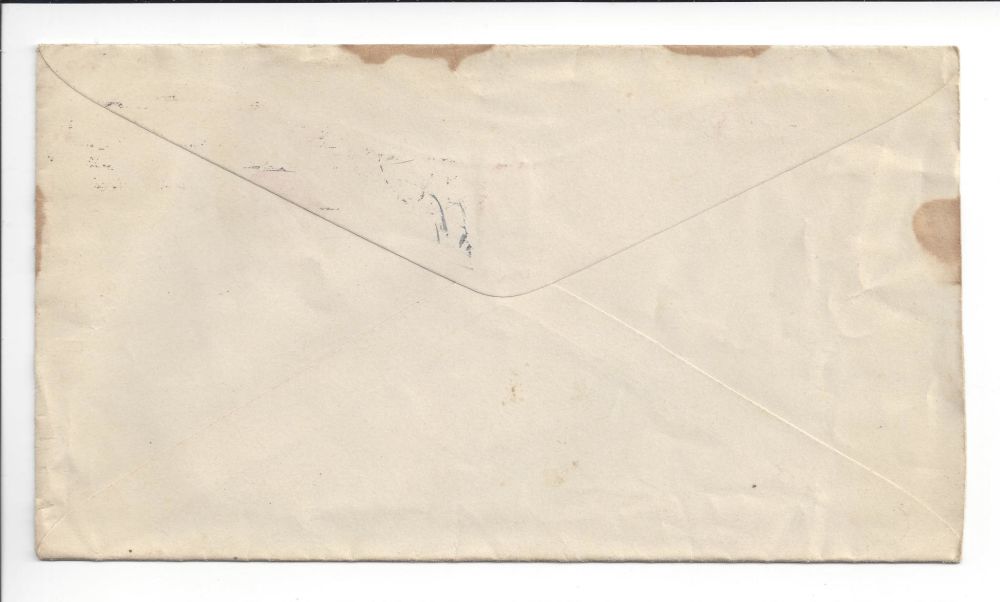 |
|
Send note to Staff
|
|
|
Pillar Of The Community
United States
854 Posts |
|
|
Yes, this is the type B Doremus machine. It's a shame about the water stain - this would probably be a $25-$40 cover but for that. Still worth keeping! |
|
Send note to Staff
|
|
|
Valued Member
United States
254 Posts |
|
|
Pillar Of The Community
United States
1273 Posts |
|
|
Aurora, here's a small example of what you can do with Postal History. Sometimes covers tell a story. Be judicious about removing stamps without doing some research first--My opinion.  There is a typo--should be forwarded from Springfield..... (For anyone who reads this ) 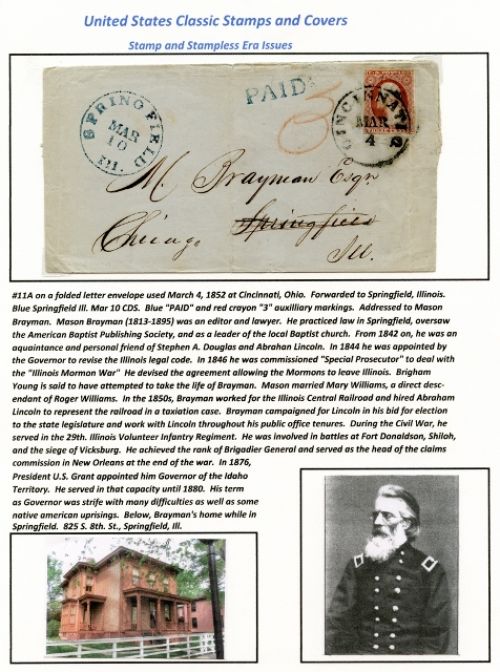 |
|
Send note to Staff
|
|
|
Valued Member
United States
254 Posts |
|
|
Pillar Of The Community
United States
854 Posts |
|
|
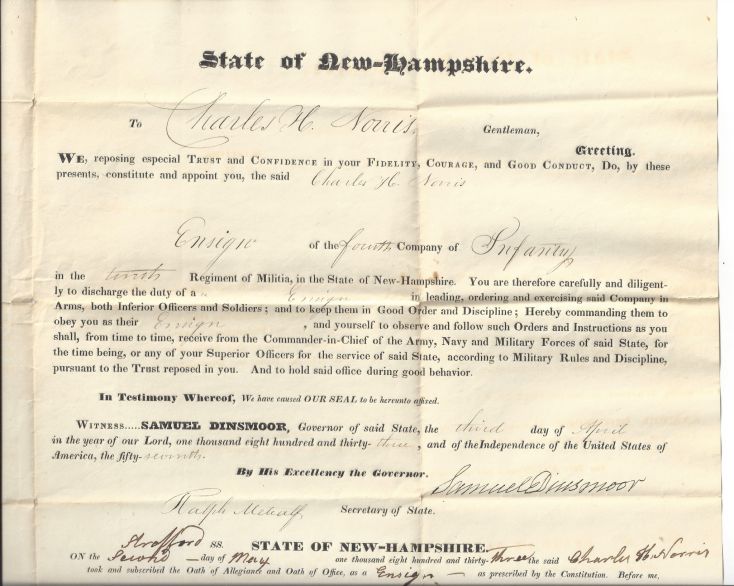
Revenues on document are the equivalent of stamps on cover - in their native habitat, the way they were meant to be used. Deeds of relatively low value are a common type of document, but it's still worth more than the stamps alone (and the deeds are sometimes of interest to genealogists and to local historians in addition to stamp collectors).
the older document is a military commission - of interest to military historians and to local folks - probably the signature of a state governor there so perhaps of value to New Hampshire collectors. |
|
Send note to Staff
|
|
|
Valued Member
United States
56 Posts |
|
|
Replies: 16 / Views: 3,387 |
|




 Posted 09/08/2016 12:12 pm