| Author |
 Replies: 30 / Views: 10,971 Replies: 30 / Views: 10,971 |
|
|
|
Pillar Of The Community
3860 Posts |
|
|
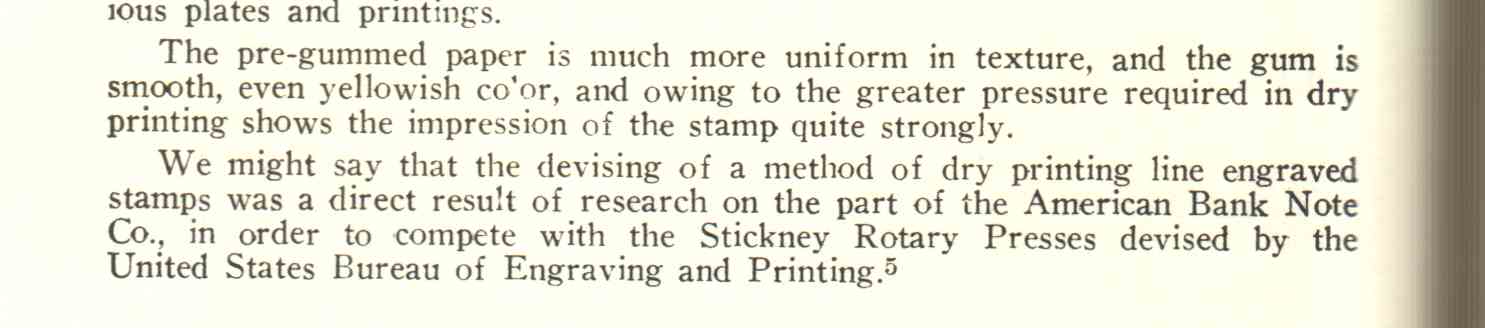
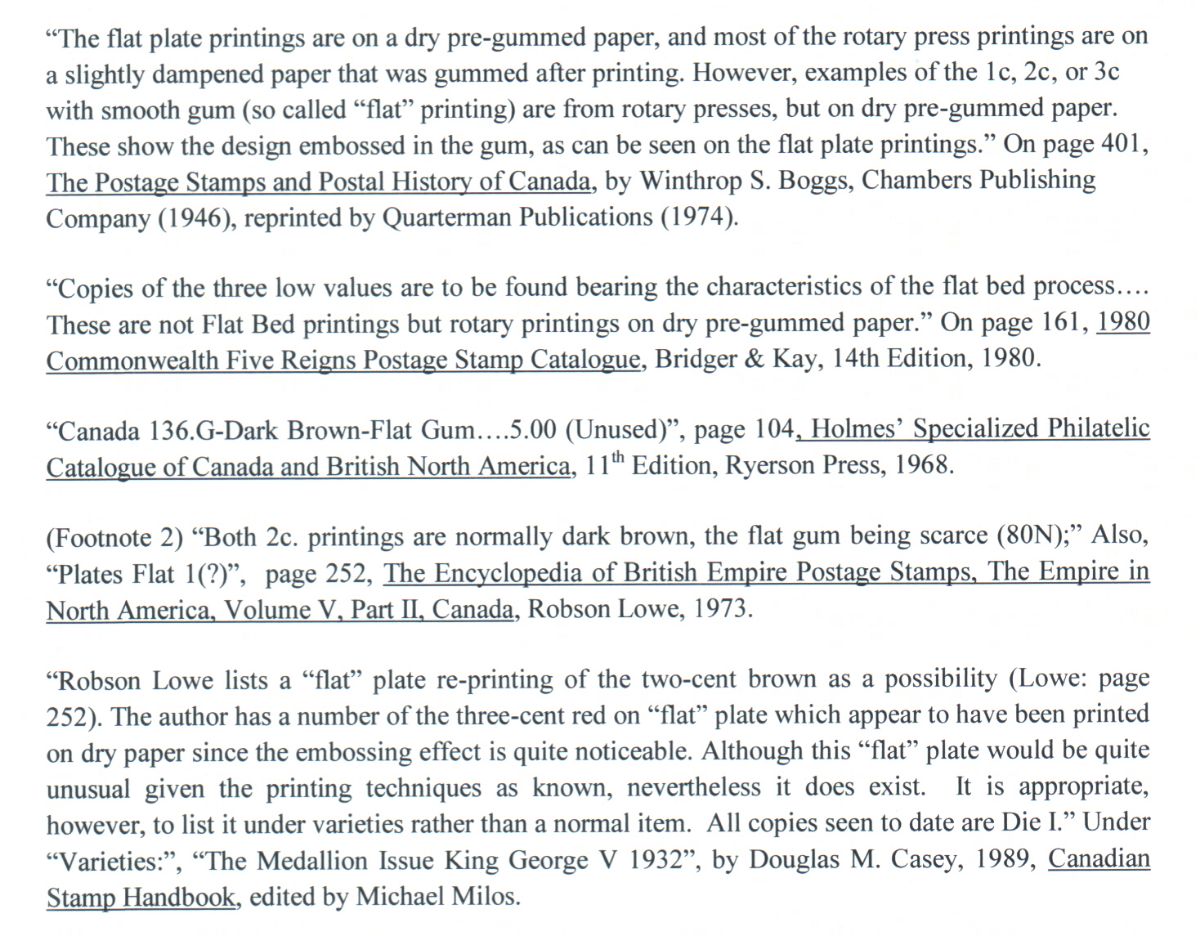
Regarding the Canada Medallion stamps, Winthrop S. Boggs in his book "The Postage Stamps and Postal History of Canada" on page 401 wrote:  |
Send note to Staff 
|
| Edited by jogil - 04/26/2017 1:17 pm |
|
|
Moderator

United States
12330 Posts |
|
|
So I wonder what was the moisture content of 'slightly dampened paper'? And how did they slightly dampened the paper? Was each pane exposed to moisture, or perhaps the whole stack stored in high humidity? How did they ensure consistent moisture across each pane and from pane to pane? Lord Kelvin once said Quote:
When you can measure what you are speaking about, and express it in numbers, you know something about it, when you cannot express it in numbers, your knowledge is of a meager and unsatisfactory kind... I wish Boggs had quantified his statement; I feel that my knowledge is of a meager and unsatisfactory kind!  Don |
|
Send note to Staff
|
|
|
Pillar Of The Community
3860 Posts |
|
|
Since this was a Stickney rotary press supplied to the CDN BABN by the US BEP, the moisture content used on wet printings would have been in the same range as used on US stamps. The dry pregummed paper could not have been wetted since this would have adversely affected its gum. |
|
Send note to Staff
|
| Edited by jogil - 04/26/2017 1:43 pm |
|
|
Pillar Of The Community
3860 Posts |
|
|
Pillar Of The Community
3860 Posts |
|
|
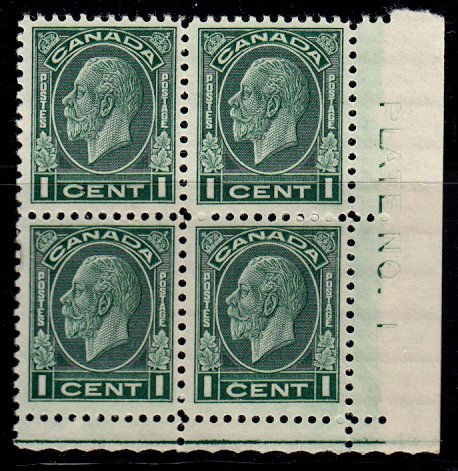
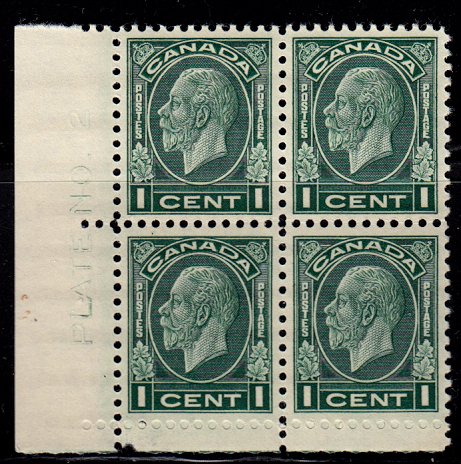
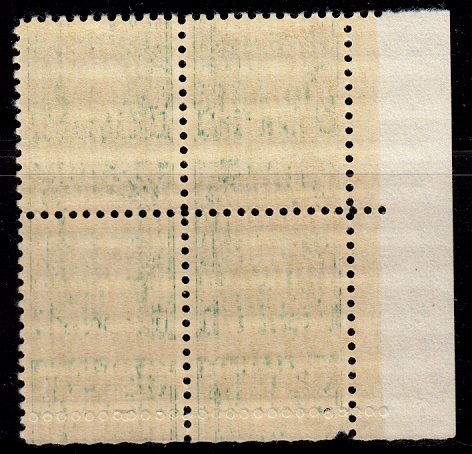
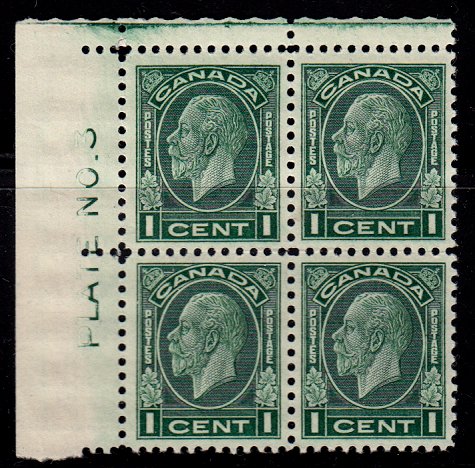
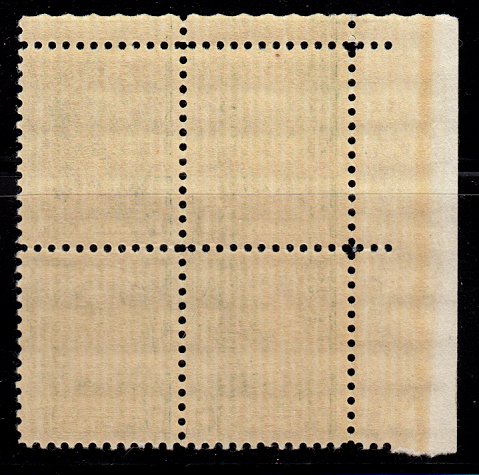
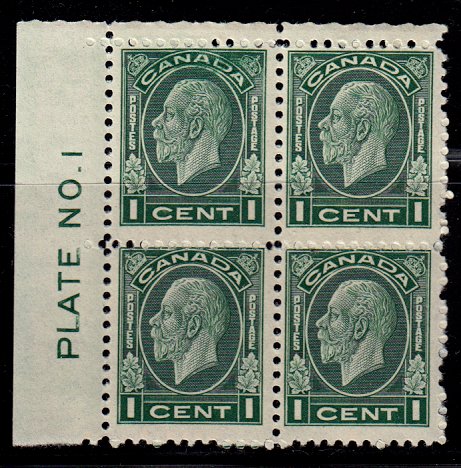
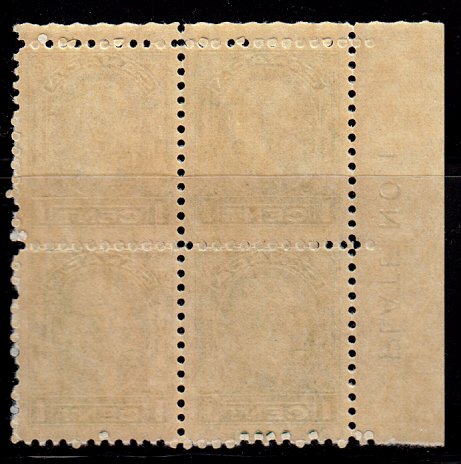
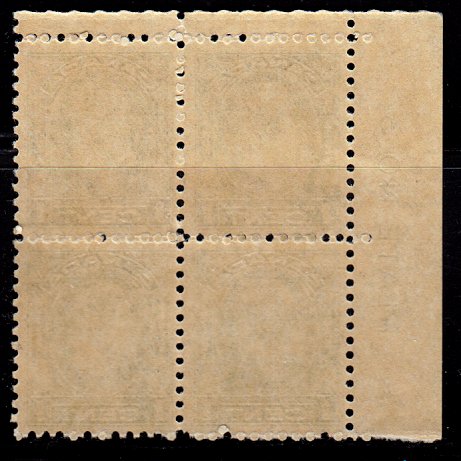
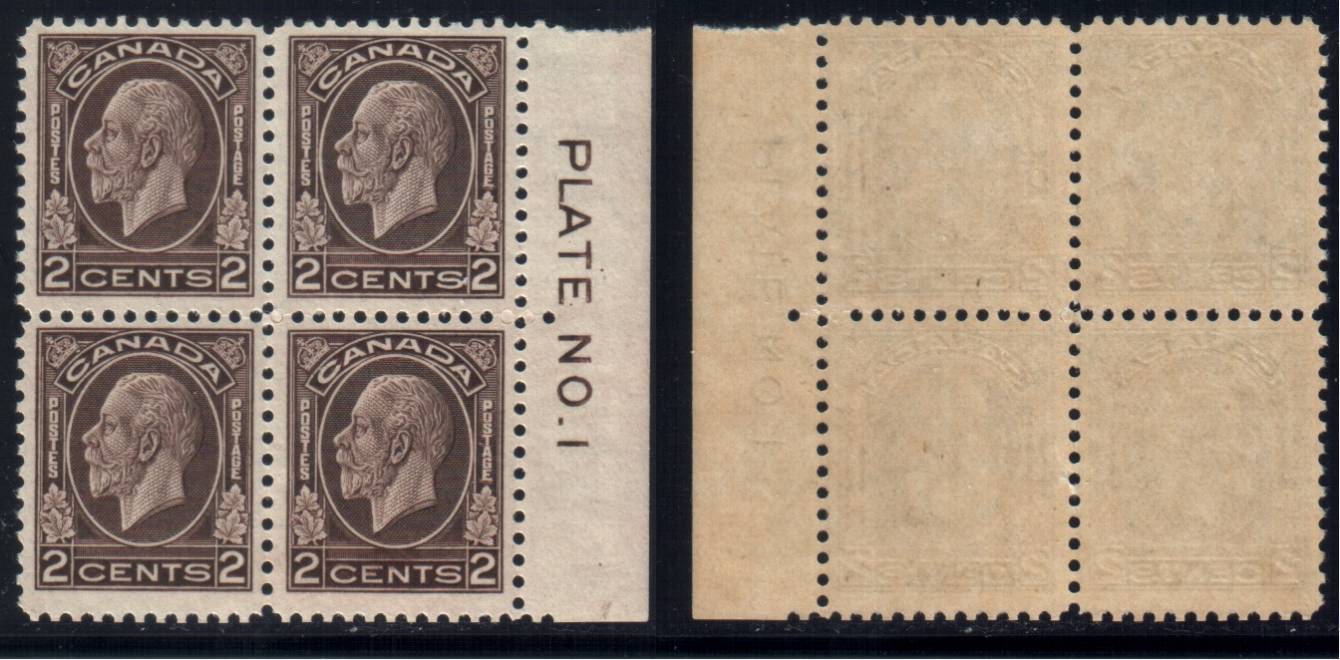
Stickney rotary press printed sheet stamps tend to show a horizontal ink line in the selvage which marks where ink got deposited between curved printing plates (just like for Stickney rotary press coils) and there is a wavy short cut margin with it from the separation cut of the printed paper web roll into sheets. Also, the horizontal perforations do not cut across all of the margin but stop short due to being perforated by short perforating bars instead of by perforating wheels. In contrast, flat plate printed stamps have larger margins that are fully perforated across in both directions by perforating wheels. |
|
Send note to Staff
|
| Edited by jogil - 05/10/2017 10:59 am |
|
|
Pillar Of The Community
3860 Posts |
|
|
A new article relating to this is as follows:
"Innovations by Canadian Stamp Printing Companies CBNCo and BABNCo Revolutionise the Stamp Printing Press"
Maple Leaves, Volume 35, Number 3, Whole Number 345, July 2017, pp. 147-167 |
|
Send note to Staff
|
|
|
Valued Member
Canada
123 Posts |
|
|
Pillar Of The Community
3860 Posts |
|
|
Valued Member
Canada
123 Posts |
|
|
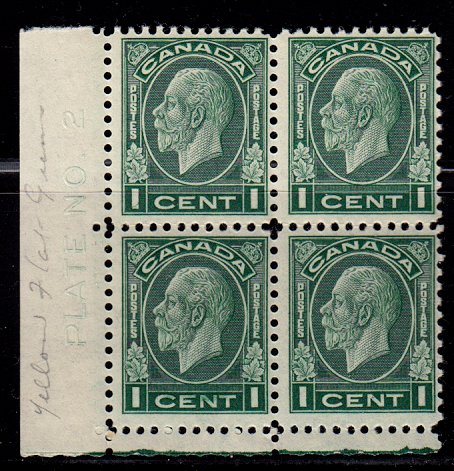
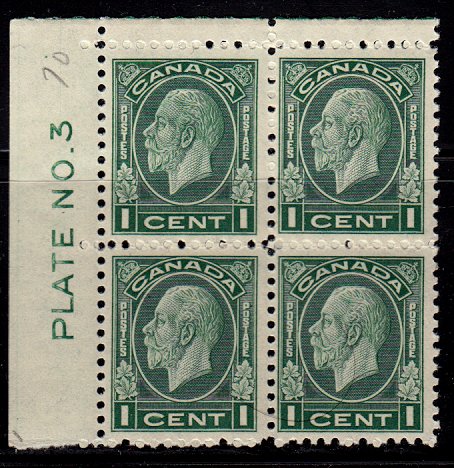
WOW - and there they are on plates 1 & 2. So they do really exist!!! Is that an article from a magazine? Can you tell me which one and issue number.
So how do we find ourselves some of these? Most dealers I have spoken to don't know about it, and don't seem to care. But this is really big news!!
Why are they not yet listed in Unitrade? |
|
Send note to Staff
|
|
|
Pillar Of The Community
3860 Posts |
|
|
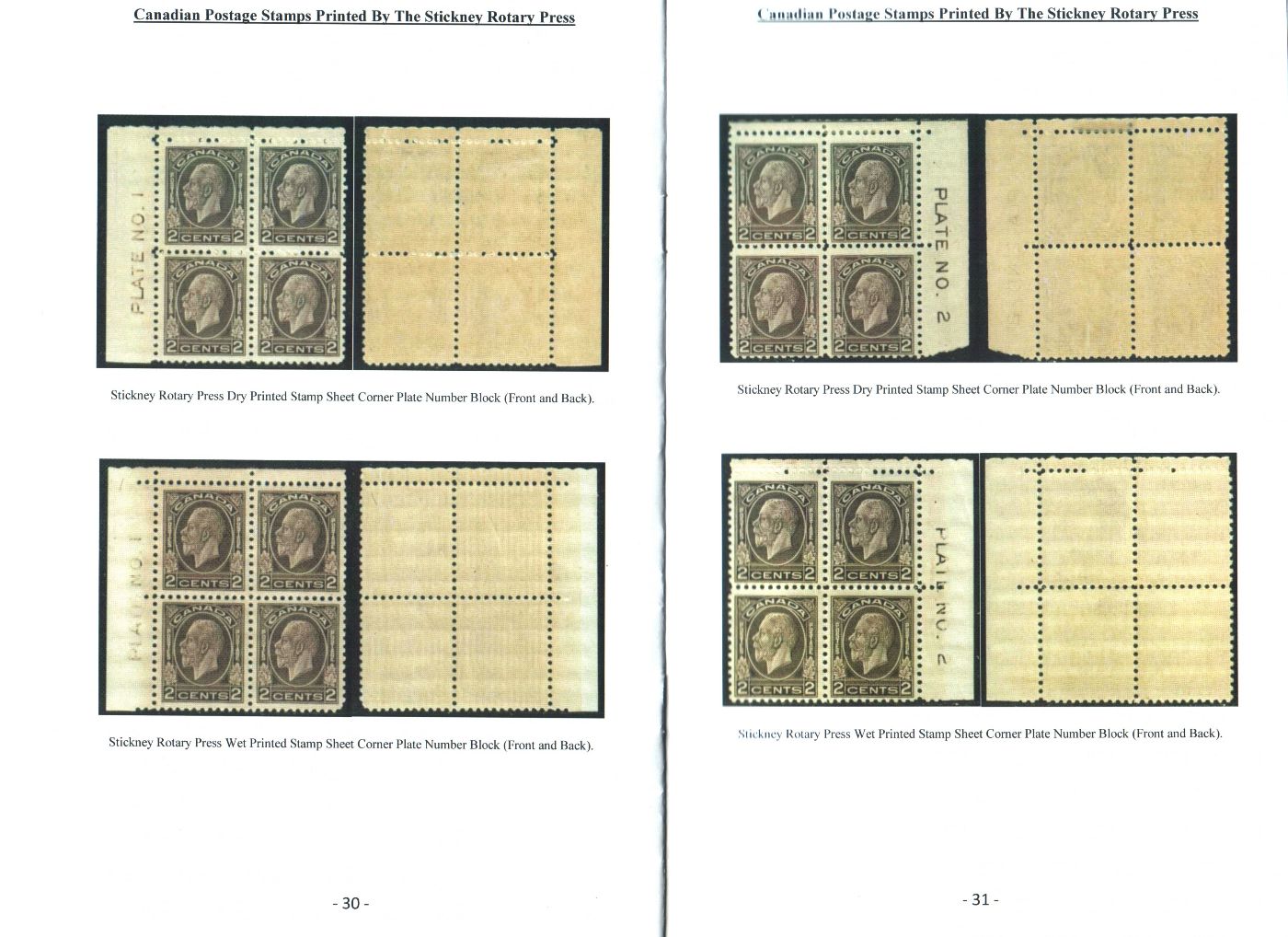
Dealers don't care about any stamps unless they are listed and priced in the stamp catalogues. It's from a stamp booklet entitled "Canadian Postage Stamps Printed By The Stickney Rotary Press". Why they are not listed in stamp catalogues can only be answered by its editors.
Some are stumbled by the horizontal gum breaker lines. These were mostly all used for the wet printings. However, it appears that the dry printed 3 cents also have them while some of the 2 cents dry printed also have them and others do not. Also, there are a few of the 1 cent dry that also have traces of gum breakers too. These gum breakers were made by the perforator and not by the printing press so that they were eventually phased out for most of the many 1 cent dry printings because they were unnecessary. Thus, it appears that the 3 cents dry may have come out first and very little were printed. Then the 2 cents dry may have come out second afterwards and little were printed. This was followed third and last by the 3 cents green dry printed and more of these were printed than the two previous ones. Some older 3 cents dry ones would also have gum breaker traces on them while the many newer ones would no longer have them anymore. |
|
Send note to Staff
|
| Edited by jogil - 04/11/2018 4:43 pm |
|
|
Pillar Of The Community
Canada
5821 Posts |
|
|
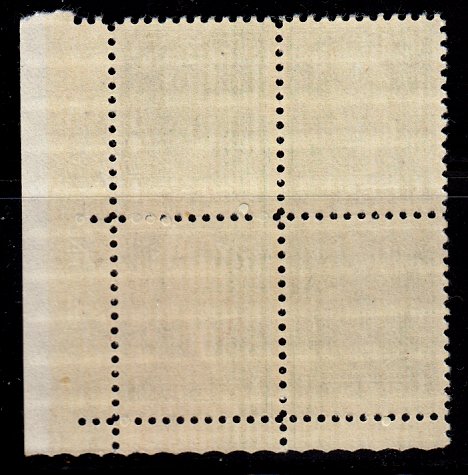
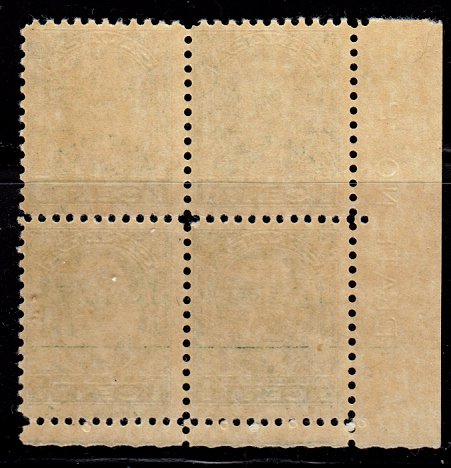
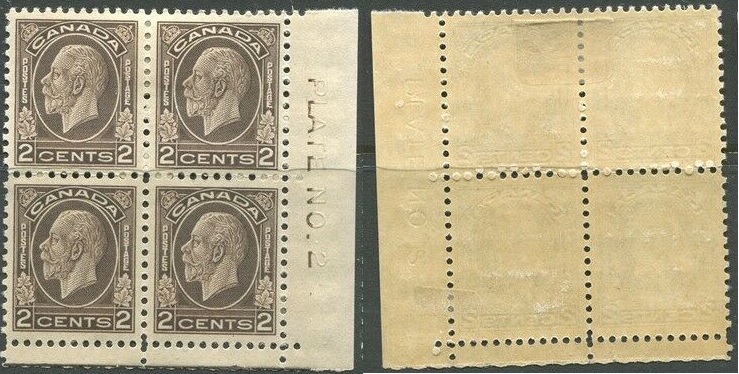
Brad905, your sharp scans really show the difference
between wet (dampened) and dry printings.
I'm surprised that the dry printings clearly show
the debossing on the gum side whereas the wet do not. |
|
Send note to Staff
|
|
|
Pillar Of The Community
3860 Posts |
|
|
All of the BABN flat plate printings were done on dry pregummed sheets of paper while some of the rotary press printings were also done on dry pregummed rolls of paper so that they are both also dry printings. This led to confusion since the gummed backs of both the sheet-fed flat plate dry printings and the web-fed rotary press dry printings look alike due to the embossed looking impression on their gum side from the greater printing pressure required for dry printing. The rotary press plate blocks have a short horizontal line that gauges 11 1/4 and a long vertical line that gauges 11 while the flat plate plate blocks have a long horizontal line that gauges 11 and a long vertical line that gauges 11. |
|
Send note to Staff
|
|
|
Pillar Of The Community
3860 Posts |
|
|
Pillar Of The Community
3860 Posts |
|
|
Pillar Of The Community
3860 Posts |
|
|
New variety Canada Scott/Unitrade # 196i for the above aforementioned dry printed variety in the Unitrade 2020 catalogue. |
|
Send note to Staff
|
| Edited by jogil - 03/09/2020 07:02 am |
|
|
Replies: 30 / Views: 10,971 |
|




 Posted 04/26/2017 1:13 pm