| Author |
 Replies: 39 / Views: 5,771 Replies: 39 / Views: 5,771 |
|
|
|
Pillar Of The Community
United States
2555 Posts |
|
|
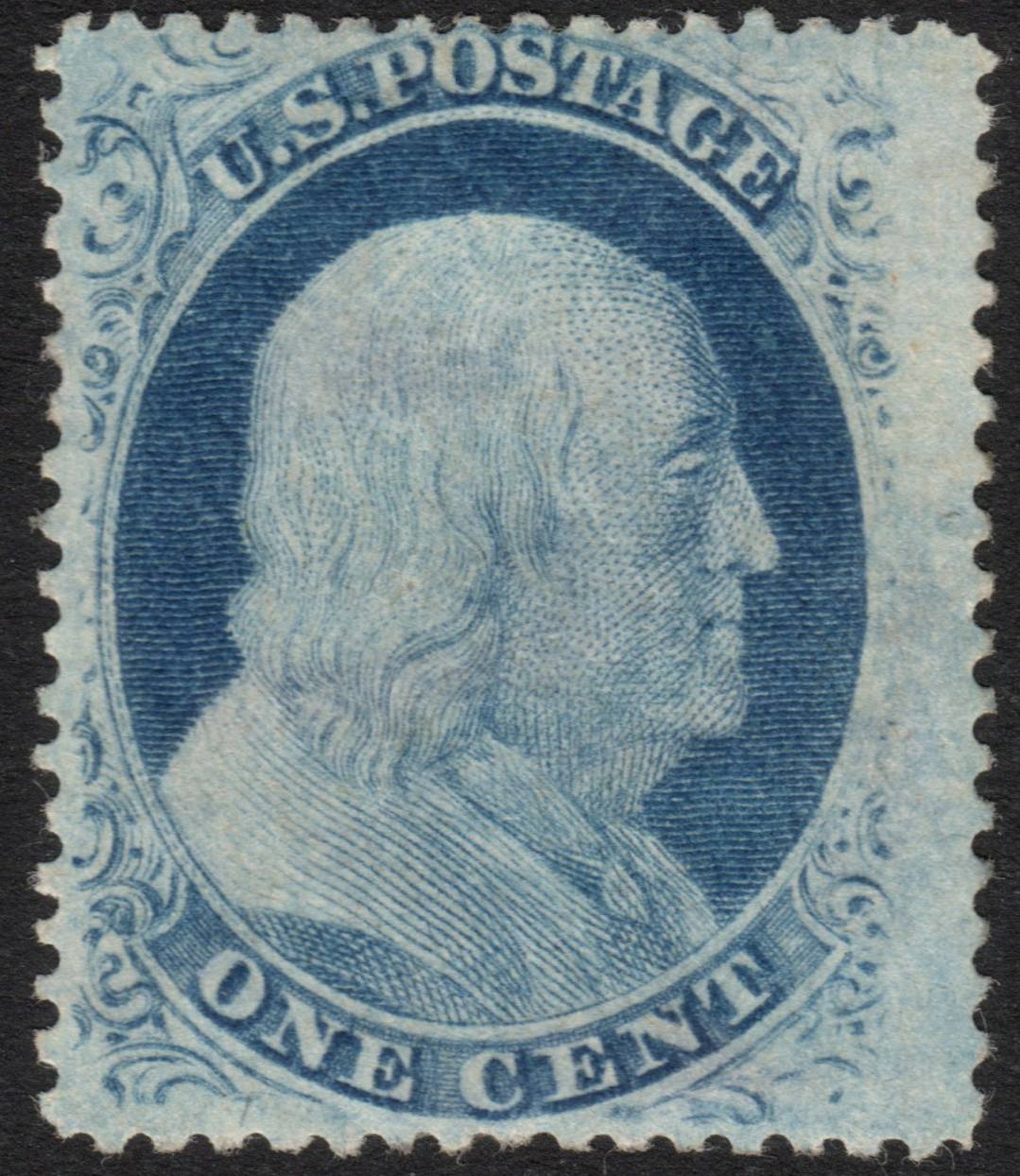
It's just a Type V, probably from Plate 9 or 10. You are correct that it is an F-relief stamp. |
Send note to Staff 
|
|
|
Pillar Of The Community
United States
1820 Posts |
|
|
The dark spot in the lower arc of the C of CENT is characteristic of most bottom row positions on Plate 10 (see the Doporto Image Archive--this is not shown in Neinken). The ornaments at lower right are not complete enough for this to be a possible Type Va. |
|
Send note to Staff
|
|
|
Pillar Of The Community
United States
1043 Posts |
|
|
Pillar Of The Community
United States
2555 Posts |
|
|
The interpane margin was much less frequently perforated in the latter half of the 1857-61 period. I think 91R10 is correct and the fact that it has had perforations added along the left margin is further evidence. |
|
Send note to Staff
|
|
|
Valued Member
United States
131 Posts |
|
|
Amazing information! I was so busy looking for plate marks I didn't even look at the perorations - Duh! Re-perfed on the left which is quite obvious now that it's pointed out, and a fairly crummy job as well.
Thank you. |
|
Send note to Staff
|
|
|
Valued Member
United States
131 Posts |
|
|
Just of out curiosity, is there any web sites that provide clues as to what to look for in general for plating to narrow down the search. I feel like I waste a lot of time not knowing what are good refence points and what aren't. Like this stamp I though the spot in the P and the N were good things to look for but they were not. The spot C did work out. Also, it seems like I ran across several items that had some features of the victim stamp but obviously not enough or the correct points of interest? Also the Venus site I have been using is only partially completed is there another web site that is similar but more complete?
I have been doing the following (without much success)
1. ID the Relief 1st
2. Start examining the rows from the plates for that relief
3. Look for key features visible on the victim stamp in the plate images. Apparently I'm not looking at the best features to complete the ID.
Plating is very interesting but time consuming when you don't have the experience to back up the effort. Thanks for all the expert replies to what are obvious requests by me, don't mean to waste your time. I may try one or two more to get some more practice. |
|
Send note to Staff
|
|
|
Pillar Of The Community
United States
6668 Posts |
|
|
I'm pretty sure that all of us that frequent this board turn to this website for plating help. http://www.slingshotvenus.com/Frank...hv_Main.htmlBetween this and Mortimer Neinken's book it helps to find the match or narrow down the choices. You're on the right path by learning the reliefs first. Unfortunately not all 1¢ Franklins can be plated. I have a strip of 3 type II's that I've just given up on. |
|
Send note to Staff
|
| Edited by stallzer - 01/11/2017 6:40 pm |
|
|
Pillar Of The Community
United States
1043 Posts |
|
|
Chaulk,
I agree with examining for the relief early on. I also like to identify Scott number right off the bat if possible because that narrows the plate possibilities. Obviously other plate markings, flaws, double transfers, cracks, curls, etc are very important.... guide dots are quite meaningful as well. Recuts are important for Scott 9 and 23.
Most important... if you enjoy this ... buy Neinken''s book (about 70-120$ in general depending on condition). It has plating diagrams and explains much of this.
Interested if the more experienced here have other tricks? I think experience in this makes it easier. Now that Dudley pointed that mark in C of cent is characteristic of bottom row plate 10. Hopefully I'll never forget that. |
|
Send note to Staff
|
|
|
Pillar Of The Community
United States
1820 Posts |
|
|
Chaulk, the more experience you get the more adept you'll become at narrowing down your choices, or at least focusing on the most likely targets first. For example (sticking with the Type V plates), if the stamp has a lot of plate bruising it is good to start with Plate 8. If there are a lot of diagonal scratches then Plate 9 is a good place to start. If there is a lot of mottling in the lower portion of the stamp then begin with Plate 7. If you are fortunate enough to have a centerline or imprint copy, then you can narrow your field considerably (the fat Plate 9 center line is especially useful). If you have a top row copy then the position of the guide dots at the UR can help eliminate entire plates. Keep at it and you will become successful, although as stallzer says some copies simply cannot be plated. |
|
Send note to Staff
|
|
|
Valued Member
United States
131 Posts |
|
|
Pillar Of The Community
United States
2555 Posts |
|
|
Pillar Of The Community
United States
6668 Posts |
|
|
Rest in Peace
United States
920 Posts |
|
|
Valued Member
United States
131 Posts |
|
|
Hey -got one  ! Well, finally down to my last 24 and this one beat me up. Tried E & F reliefs no luck. Thought it would be easy to find with the really messed up top circle around the O & T. If anyone has an idea let me know so I can see where I messed up. Really learned a bit about plating so it was well worth the effort to at least try. Thanks!  |
|
Send note to Staff
|
|
|
Pillar Of The Community
United States
6668 Posts |
|
|
Replies: 39 / Views: 5,771 |
|



 Posted 01/10/2017 7:35 pm