Stamp Community Family of Web Sites
Thousands of stamps, consistently graded, competitively priced and hundreds of in-depth blog posts to read


Stamp Community Forum
 
Username:
Password:
Save Password
Forgot your Password?

This page may contain links that result in small commissions to keep this free site up and running.

Welcome Guest! Registering and/or logging in will remove the anchor (bottom) ads. It's Free!

Strange Notation On Back Of French Postage Due...

 
To participate in the forum you must log in or register.
Author Previous TopicReplies: 2 / Views: 1,466Next Topic  
Valued Member
United States
23 Posts
Posted 03/14/2017   7:24 pm  Show Profile Bookmark this topic Add alexpgp to your friends list Get a Link to this Message
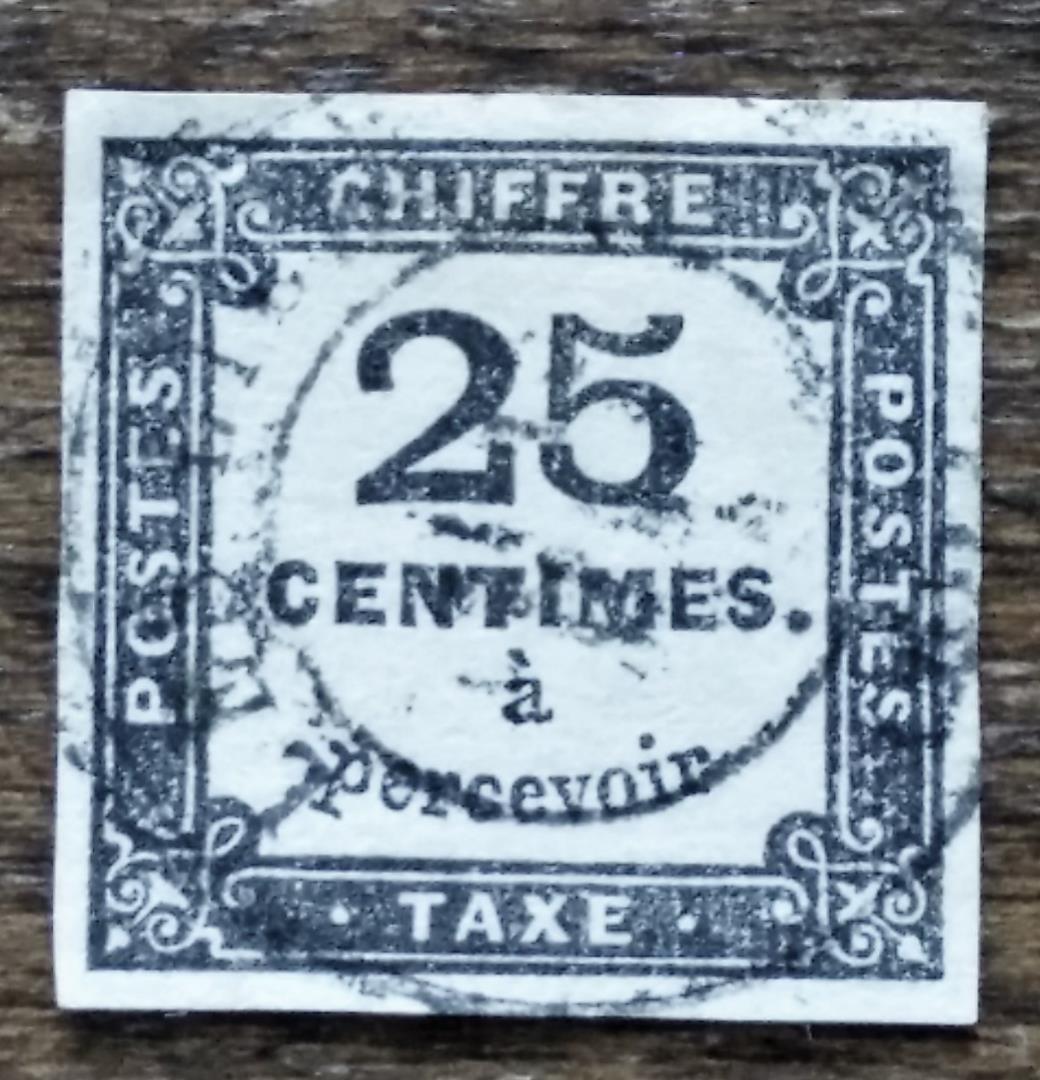
I own the 25c black French postage due stamp (Scott J6) shown below:


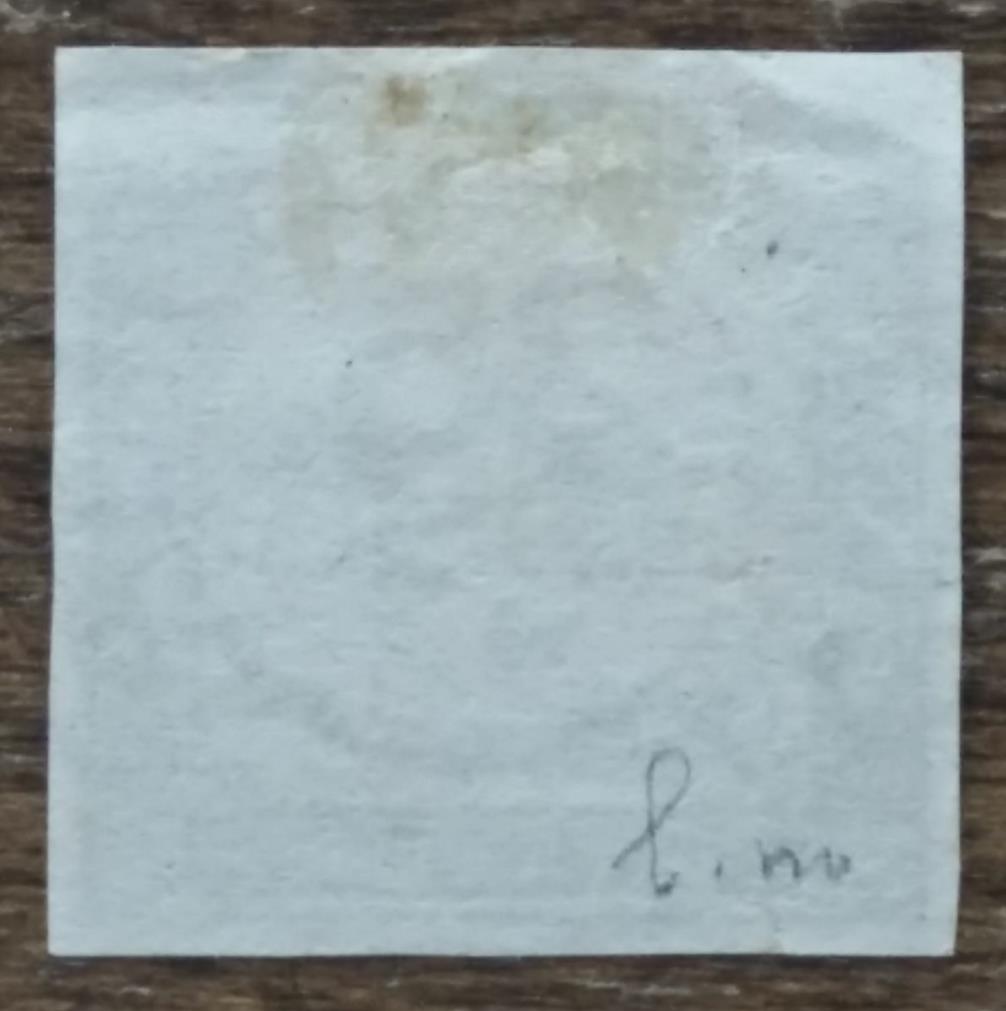
My question concerns what appears to be a pencil notation on the back of the stamp, an image of which is shown below:


This looks like "l.no" to me, and does not appear to be an expertizing signature. Frankly, I am at a loss to figure out what the notation might mean. Does it have any immediately recognizable meaning to more experienced collectors here?

Cordially...
Send note to Staff

Pillar Of The Community
France, Metropolitan
3744 Posts
Posted 03/14/2017   8:40 pm  Show Profile Bookmark this reply Add perf12 to your friends list  Get a Link to this Reply
Hi: lino may mean (Linotype).It was a form of litho-typography used in the printing of newspapers.As the tax stamps had too be mass produced the inventor Hippolyte Marinoni developed the first typographic-linotype systems. Of coarse this is my guess after the word ''lino''!
https://fr.wikipedia.org/wiki/Hippo...ste_Marinoni
http://www.timbres-de-france.com/co...s-taxe-1.php

En France, la législation oblige les imprimeurs de presse à coller un timbre fiscal sur chaque journal avant
l'impression afin que le texte imprimé puisse l'oblitérer : c'est pourquoi sont utilisées des machines à margeurs
pour l'alimentation des feuilles. Le Français
Hippolyte Auguste Marinoni
(1823-1904) a déjà conçu à cette
époque une machine avec six (brevet de 1867), huit ou dix margeurs répartis en paliers autour d'un énorme
cylindre équipé des différentes formes. Sans cette entrave, les Français auraient certainement été les premiers à
fabriquer les premières rotatives imprimant directement des bobines. En effet,
Jacob Worms
(1808-1890),
immigré allemand et imprimeur à Argenteuil, a déposé avec
Giraudeau
des brevets dans ce sens en janvier 1846
et 1849, pour des rotatives équipées de clichés cylindriques et alimentées par des bobines. La rotative de Worms
et Giraudeau ne sera malheureusement jamais commercialisée.

translation:
In France, legislation requires press printers to stick a tax stamp on each newspaper before
The printing so that the printed text can obliterate it: this is why machines with feeder
For feeding the sheets. French
Hippolyte Auguste Marinoni
(1823-1904) has already conceived
A machine with six (patent of 1867), eight or ten feeder spread in stages around a huge
Cylinder equipped with different shapes. Without this hindrance, the French would certainly have been the first to
Manufacture the first presses directly printing coils. Indeed,
Jacob Worms
(1808-1890),
German immigrant and printer in Argenteuil, filed with
Giraudeau
Patents to this effect in January 1846
And 1849, for presses equipped with cylindrical plates and fed by coils. The Worms press
And Giraudeau will unfortunately never be marketed.

http://marcophilie.org/timbres-clas...tax1859.html
Send note to Staff  Go to Top of Page
Edited by perf12 - 03/15/2017 09:39 am
Pillar Of The Community
United States
5894 Posts
Posted 03/15/2017   09:54 am  Show Profile Bookmark this reply Add smauggie to your friends list  Get a Link to this Reply
The plate or die for the stamps was made by forming molten metal into the required design. It is a simple printing process from today's perspective but at the time this stamp was printed it was the latest technology. It is called linotype because instead of setting each metal letter in place, the text or design is created on a line by line basis.

I am linking the Wikipedia article on linotype for further information on this printing process.

https://en.wikipedia.org/wiki/Linotype_machine
Send note to Staff  Go to Top of Page
  Previous TopicReplies: 2 / Views: 1,466Next Topic  
 
To participate in the forum you must log in or register.

Go to Top of Page

Disclaimer: While a tremendous amount of effort goes into ensuring the accuracy of the information contained in this site, Stamp Community assumes no liability for errors. Copyright 2005 - 2026 Stamp Community Family - All rights reserved worldwide. Use of any images or content on this website without prior written permission of Stamp Community or the original lender is strictly prohibited.
Privacy Policy / Terms of Use    Advertise Here
Stamp Community Forum © 2007 - 2026 Stamp Community Forums
It took 0.11 seconds to lick this stamp. Powered By: Snitz Forums 2000 Version 3.4.05