| Author |
 Replies: 538 / Views: 49,758 Replies: 538 / Views: 49,758 |
|
|
|
Moderator

United States
5109 Posts |
|
|
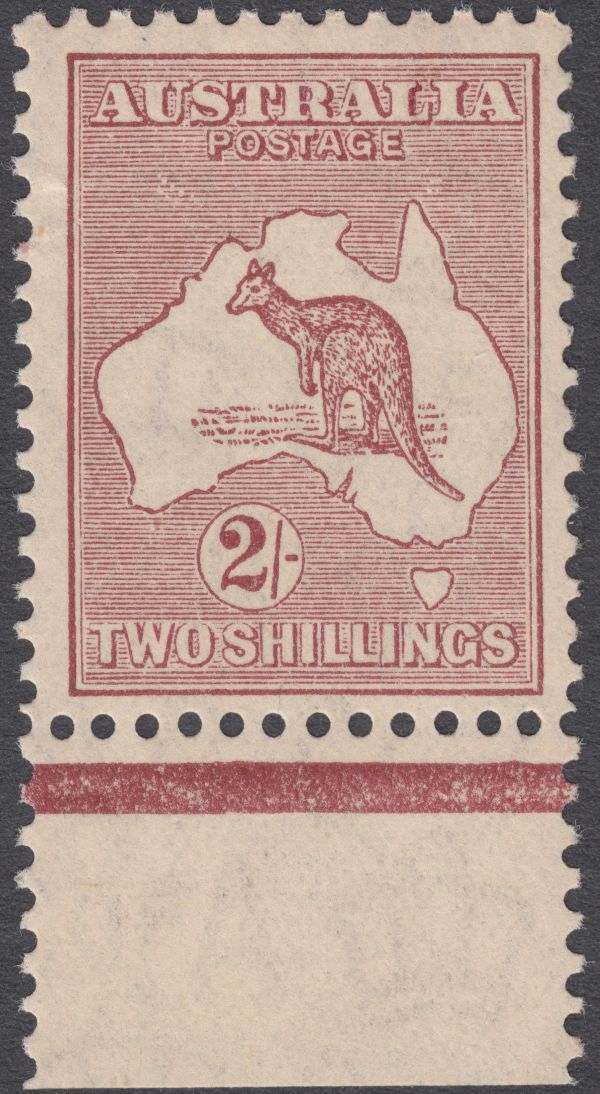
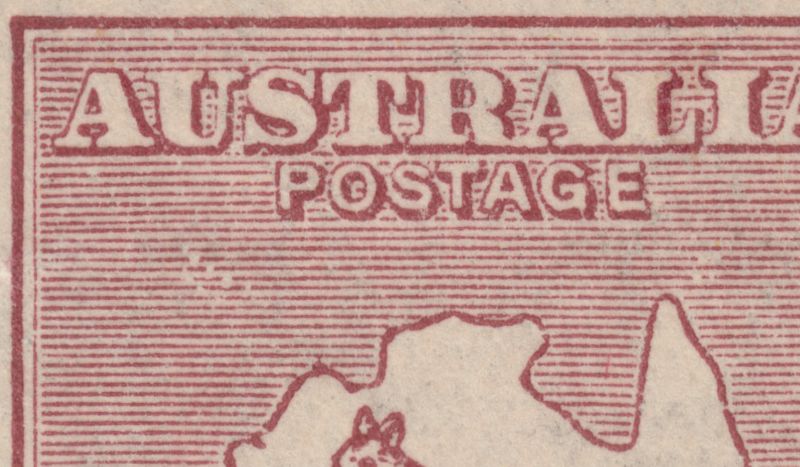
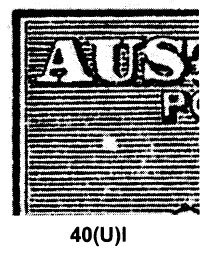
Thanks for the links. So it appears that I could have an original stamp that was used as the model tor the Sperati forgeries? I read somewhere that the constant flaw is from stamp number 50, left pane. I see no reason why a forgery would have Specimen added. |
Send note to Staff 
|
| Edited by Partime - 09/15/2021 3:40 pm |
|
|
Bedrock Of The Community
Australia
38679 Posts |
|
|
Quote:
I read somewhere that the constant flaw is from stamp number 50, left pane. It would be advantageous to offer citations where possible, we may be able to refer other material / catalogues to support this. To date I have not seen this mark anywhere, apart from the Phoenix referral. |
|
Send note to Staff
|
|
|
Moderator
United States
5109 Posts |
|
|
Bedrock Of The Community
Australia
38679 Posts |
|
|
Steve,
I think this stamp also needs to go to Philas House
Love to see what the experts say about this one, Sperati etc.
Let us know if you do.
|
|
Send note to Staff
|
|
|
Moderator
United States
5109 Posts |
|
|
It's been sometime since I added to this thread. I picked up a few oddities in a recent APS Circuit Book. This one is Scott 21b, which I believe is the smooth paper, single watermark, comb perf, which makes it ACSC 71(1)i. The cancellation date was found using Retroreveal as 13 Jan 1915, which only gives it the possibility of Carmine Red, Bright Red, Salmon-Red, or Deep Red. I'm not even going to try to figure out the paper color, so let's assume the standard ACSC Carmine Red shades. 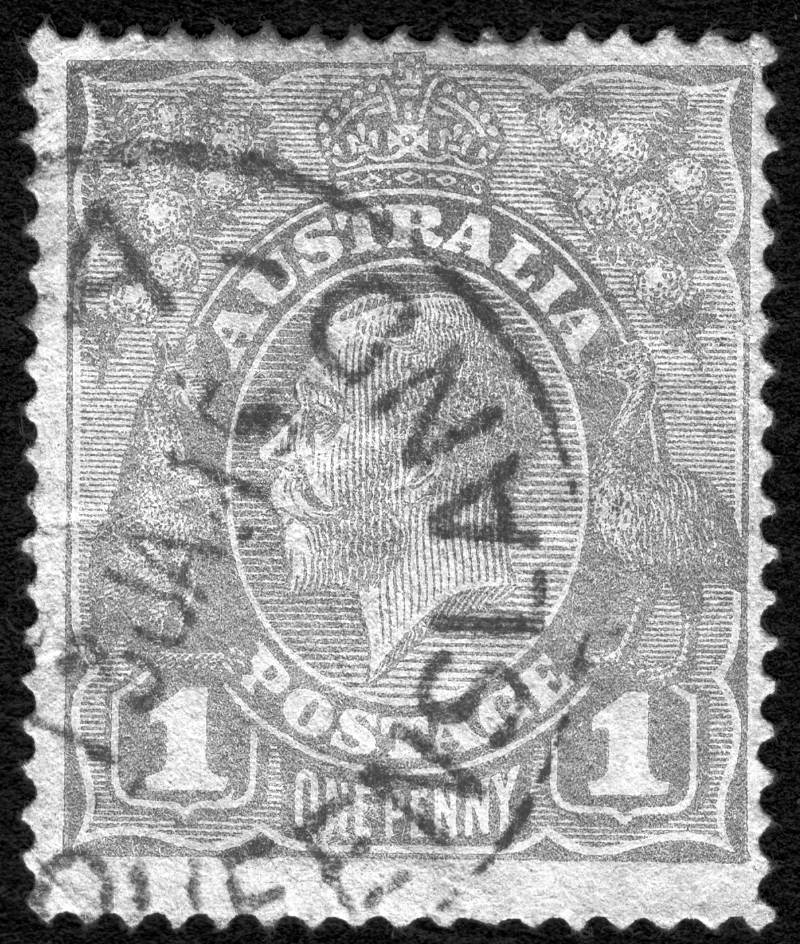 Of particular note is the odd "N" in One, as can be seen in this front scan. 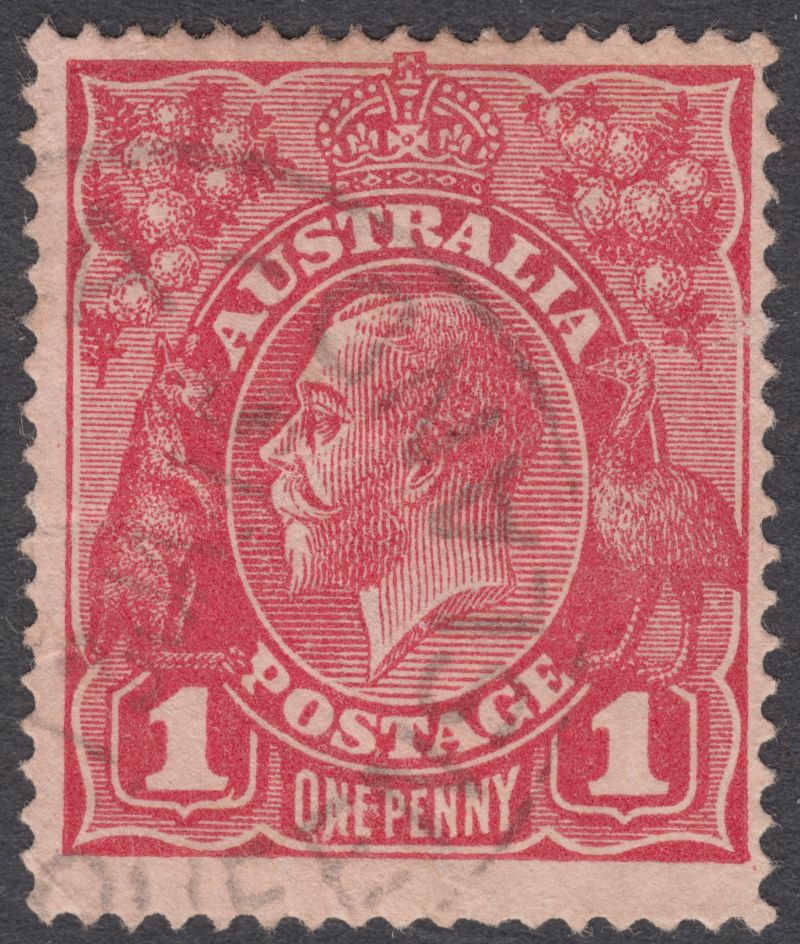 I've had other stamps where I found something similar, but we've found that the watermark was interfering in that particular area. However, I was able to do a through-scan, and you can see that the watermark is not touching the "N" in anyway. 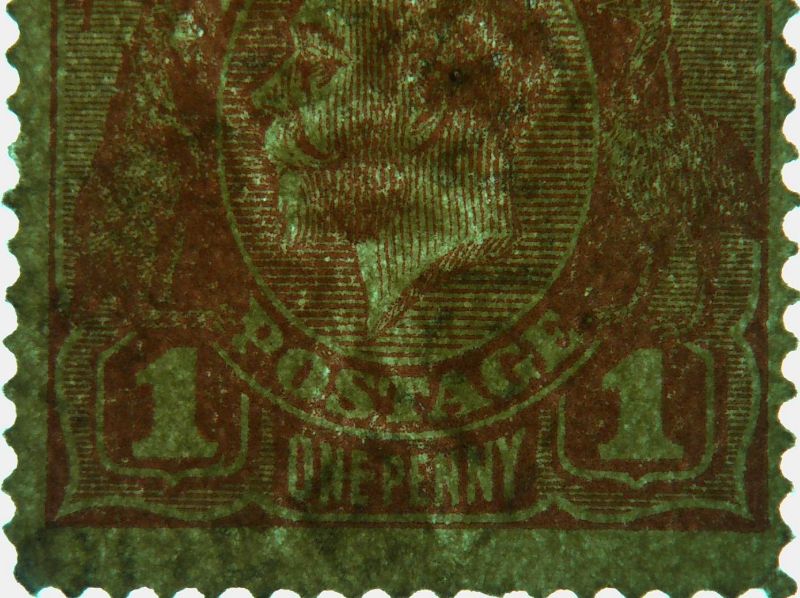 My 2014 ACSC does not list this variety. Any ideas? |
|
Send note to Staff
|
|
|
Moderator
United States
5109 Posts |
|
|
Here's another one. I pick this as Scott 24, ACSC 85, which is the Red Brown or Chocolate version of this stamp. Here is the front scan, showing some damage at the top of King George's head. It does not appear to be any type of paper damage caused through the cancellation or handling. 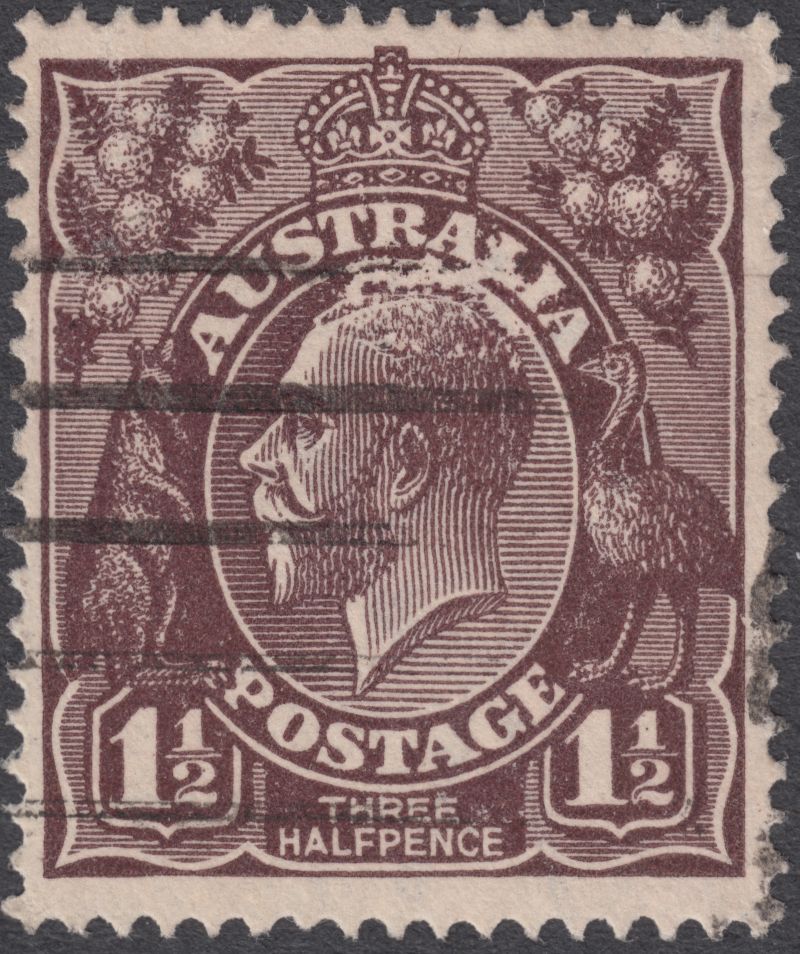 The through scan shows that the top of the crown is close, but does not affect the area of interest. 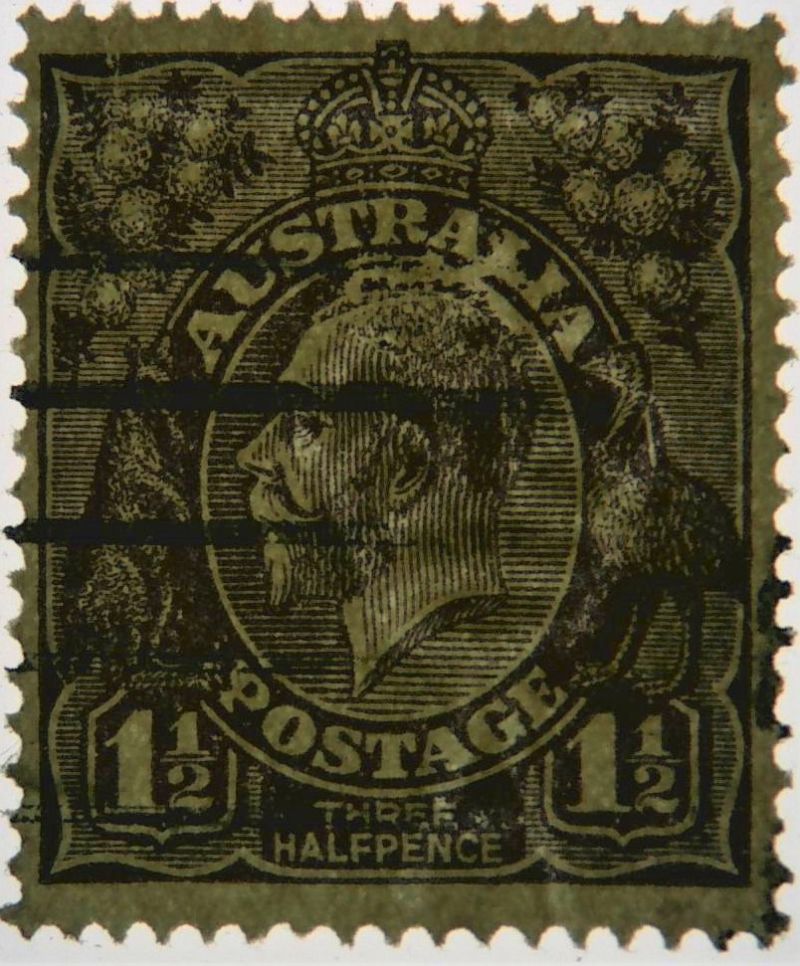 This is also not listed in my ACSC 2014 catalog. Any ideas on this one? |
|
Send note to Staff
|
|
|
Bedrock Of The Community
Australia
38679 Posts |
|
|
Quote:
It does not appear to be any type of paper damage caused through the cancellation or handling. My initial thoughts were "scuffing" on both. I would have liked to handle your second, as scf member CALSTAMPjust gifted me a FREE SIGNOSCOPE  Many thanks Jim. I have picked up some difficult Wmks of Argentina, and I think it may have picked up, whether your stamp was scuffing or not. If your second is genuine, I cannot see such a radical flaw, not be found by Brusden White. I'll leaf through my library, in the mean time. Note: Google or search this forum for "Tin Shed Flaw" or "Rusted Cliche"
I have never understood these, and remain so. |
|
Send note to Staff
|
| Edited by rod222 - 11/13/2021 11:46 pm |
|
|
Moderator
United States
5109 Posts |
|
|
I got into a bad place on my previous explanation for Tin Shed Flaw, so I'm going to step away from that discussion for now. However, I admit that I don't have the correct equipment to tell for sure whether we have a surface scrape / scuffing. I could be convinced to send this stamp to Australia for you to have fun with your Signoscope. Send me an email with particulars and I'll send it your way. |
|
Send note to Staff
|
|
|
Bedrock Of The Community
Australia
38679 Posts |
|
|
Give me a little time Steve,
I have to go through my library first,
then I'll purposely scuff one of my duplicates to see what result I get.
May not necessitate you sending yours.
Signoscope is a tricky fellow, still getting used to it.
Signoscope identifies Wmks as darker image to the paper,
I think scuffs are going to appear as brighter marks (paper thinning)
Shed flaws and rusted cliches, I see as just opinions, I have yet to see a certificate.
No wonder you have met with opposition.
Best I can make out is the vertical lined ink damage, as to the easiest to ID.
I try to avoid going down that path and just label mine "possible efo"
|
|
Send note to Staff
|
| Edited by rod222 - 11/14/2021 02:44 am |
|
|
Moderator
United States
5109 Posts |
|
|
Rod. Concerning the 71(1)i, I found a reference in Neil's "The 1D King George V Australian Commonwealth Stamps, Surface Printed Types, 1914 to 1937". This is the closest I found, but can't find it in ACSC: 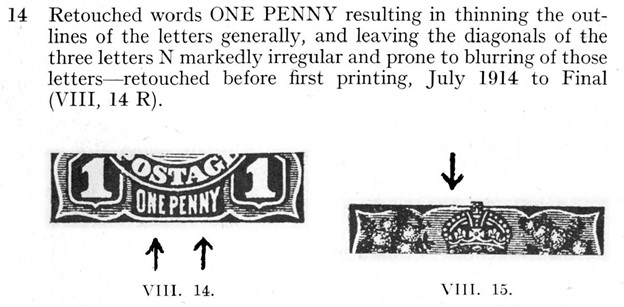 |
|
Send note to Staff
|
|
|
Pillar Of The Community
Australia
937 Posts |
|
|
Moderator
United States
5109 Posts |
|
|
Fairdinkum. Absolutely correct. I found it also in my 2014 catalog after your hint. It's funny that the catalog picture looks like the position after retouching, while Neil's picture looks like the before version. Again, though, thanks for correcting my guess. |
|
Send note to Staff
|
|
|
Bedrock Of The Community
Australia
38679 Posts |
|
|
Steve,
I lightly scuffed the ink from ACSC 79
and it was not visually identifiable, either under SIGNASCOPE
or loupe.
It may be under UV but I do not have one.
|
|
Send note to Staff
|
|
|
Moderator
United States
5109 Posts |
|
|
Thanks for your study. I'll have to examine again under different angles, lighting. Take care. |
|
Send note to Staff
|
|
|
Moderator
United States
5109 Posts |
|
|
Replies: 538 / Views: 49,758 |
|




 Posted 09/15/2021 10:43 am