| Author |
 Replies: 10 / Views: 1,505 Replies: 10 / Views: 1,505 |
|
|
Valued Member
United States
178 Posts |
|
|
As I attempted to plate this stamp, the part I was going by was the broken right outer frame line near the top as this stood out so prominently I thought it would be the easy to find. I didn't have any luck so I went by the other factors - relief, 1 line recut upper left triangle, the dash/guide dot at upper right - and then I see the shift in the three cents which confirmed the position. But, what puzzles me now, is the broken frame line. I see no other 97R2L's anywhere like this. Is this common on this stamp or other #11's? And why does that occur? Would appreciate any info from our 10/11 experts! 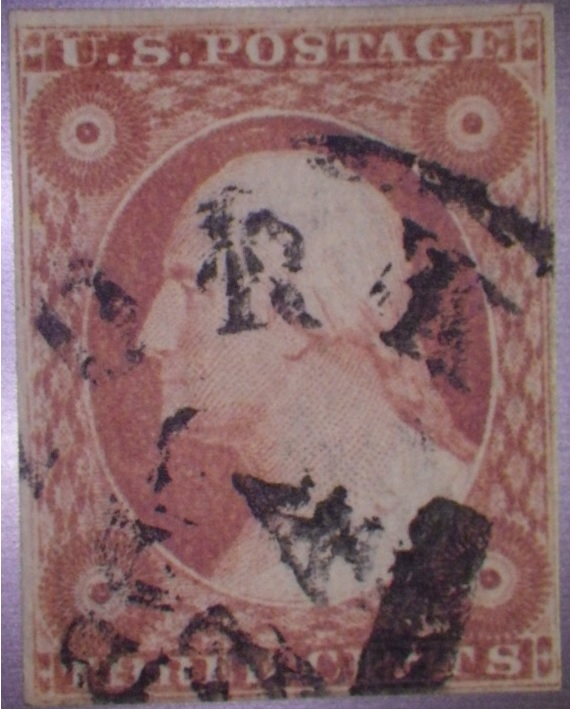 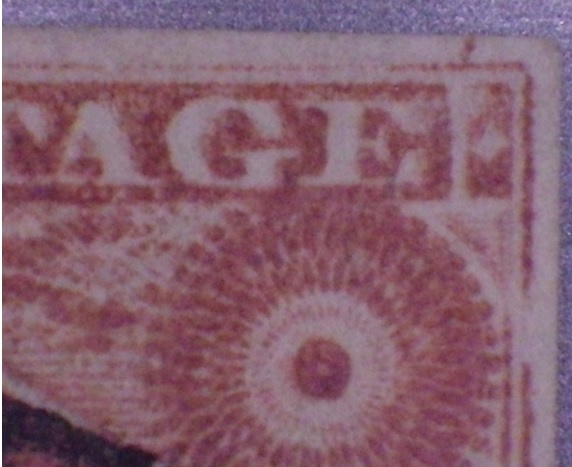 |
|
Send note to Staff
|
|
|
|
|
Pillar Of The Community
United States
2555 Posts |
|
|
I don't know 97R2L intimately but consider the fact that Plate 2L was in near constant use starting in Jan '52. The cancel on the stamp is either September or December and I know it is either 1856 or even more likely, 1857. Plate wear is the likely cause. I have said it before but it bears repeating that recuts and for that matter, the entire design are not a uniform depth on the plate. Shallow recuts or portions of lines that were more shallowly recut wear away before other more deeply recut portions. |
Send note to Staff 
|
|
|
Pillar Of The Community
United States
2230 Posts |
|
|
tgswanner, 97R2L is correct, but the broken right frame line is not consistent for the position. None of the three images for the position on Stamp Smarter (one shown below) show a broken line. Your stamp just didn't receive ink in that area for any of a number of reasons.  |
|
Send note to Staff
|
|
|
Valued Member
United States
178 Posts |
|
|
Classic, yes, that's the part that confuses me a little. Ink not getting on that 1/8"? I looked at Stamp Smarter and several other sites plus at the Chase Plate showing that position...wasn't missing on any of them. Seems this lack of ink in 'certain places' could cause problems in plating or possible plating an incorrect position. To me, it was interesting enough to inquire about and I appreciate everyone's help. Classic, are you by chance Gary? |
|
Send note to Staff
|
|
|
Pillar Of The Community
United States
2230 Posts |
|
|
Valued Member
United States
178 Posts |
|
|
Pillar Of The Community
United States
2230 Posts |
|
|
Pillar Of The Community
United States
2947 Posts |
|
|
Was plating this shifted transfer and thought it fit this thread. It's not a dramatic skip of the outer frame line but faded/nearly missing. This is position 6R3. The images on Stamp Smarter, like tgswanner's stamp, don't show the faded outer line. 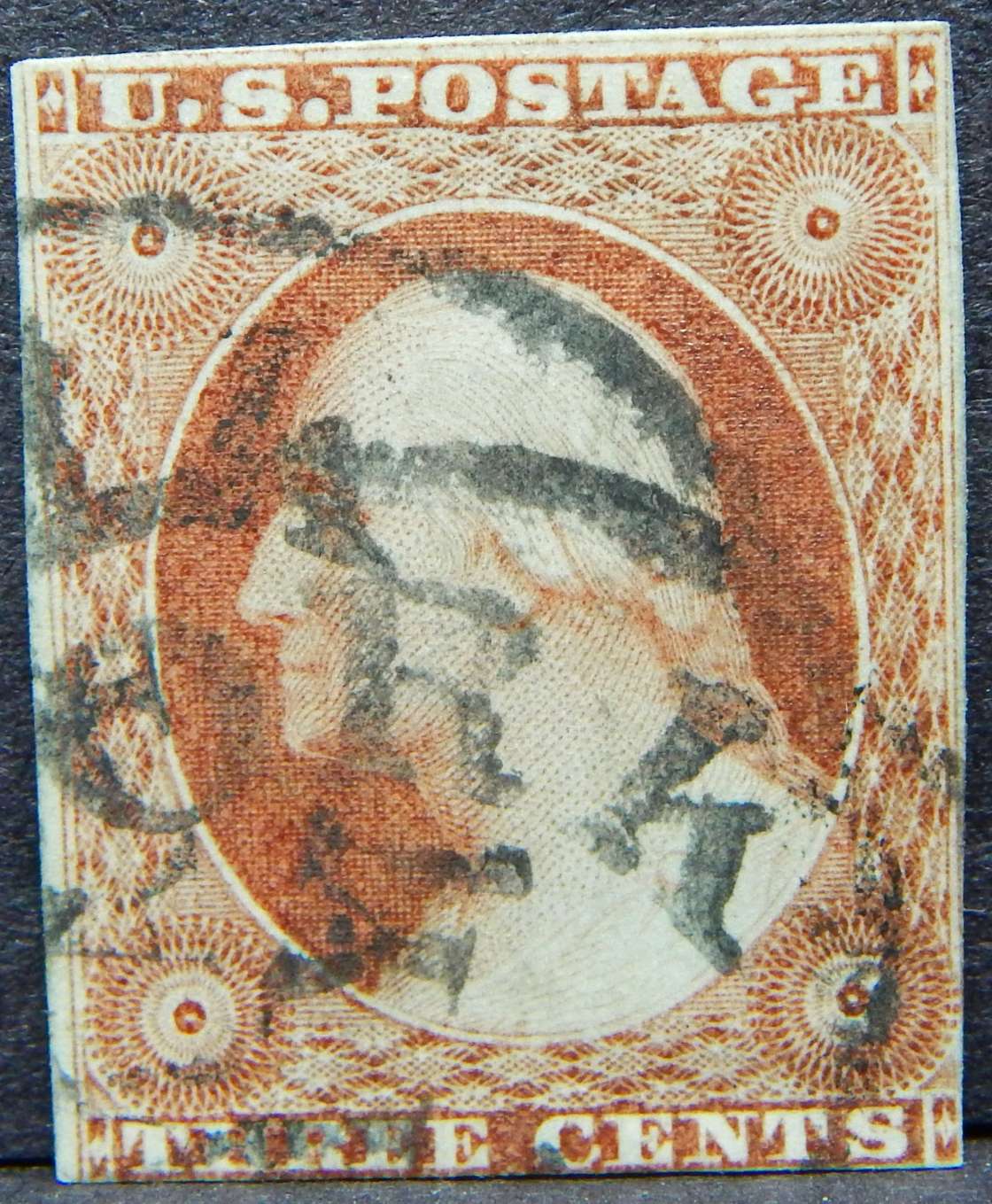 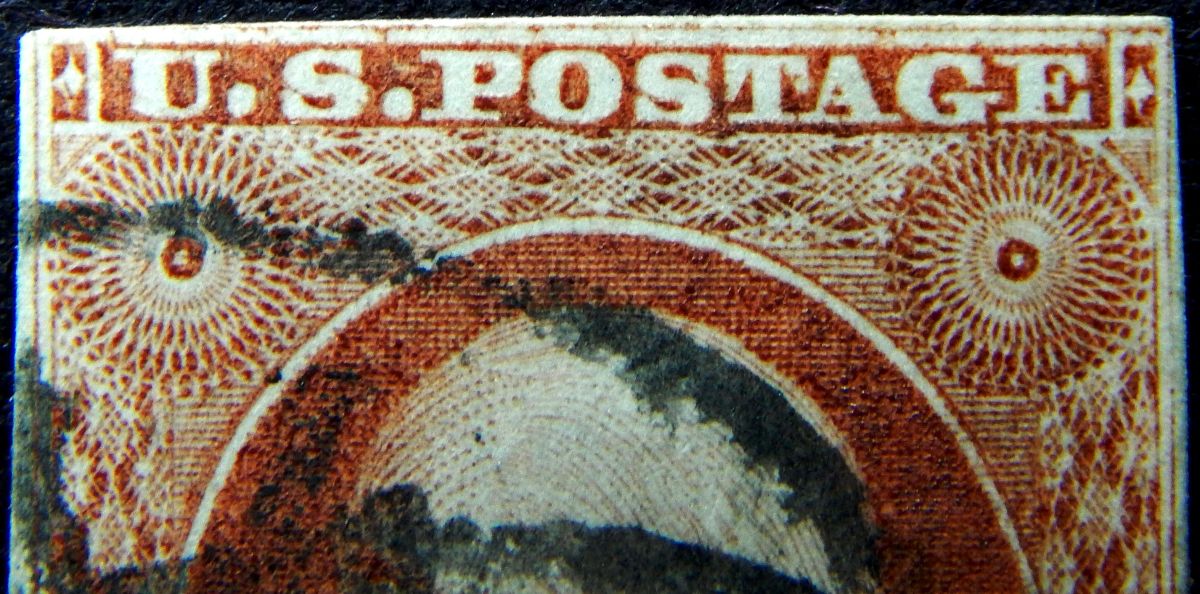 |
|
Send note to Staff
|
|
|
Valued Member
United States
178 Posts |
|
|
I see. So, is this an example of a worn die or underinking? You can see where the 6R3 tapers off from dark to light as compared to mine that is heavily inked then just disappears. This has really opened my eyes to a lot of possibilities in regards to plating. |
|
Send note to Staff
|
|
|
Pillar Of The Community
United States
2230 Posts |
|
|
stampcrow's stamp may be an example of a plate wiped too clean variety, where a worker saw excess ink on the edge of the plate, and wiped it off before the impression was made. But he wiped into the design area, leaving part of the stamp under-inked. This may explain the faded outer line for stampcrow's specimen. All of the "plate wiped too clean" varieties I've seen were at margin positions. Here is a nice example of the plate wiped too clean variety from position 99L3--a three-rows position. Look under Washington's chin.  |
|
Send note to Staff
|
|
|
Valued Member
United States
178 Posts |
|
|
oh wow. thats interesting. you can see where the ink was wiped off across the entire lower 1/3 of the stamp. |
|
Send note to Staff
|
|
| |
Replies: 10 / Views: 1,505 |
|



 Posted 08/13/2017 9:56 pm


